Browsed by
Category: Books

Birthday Reviews: Robert Lynn Asprin’s “No Glad in Gladiator”
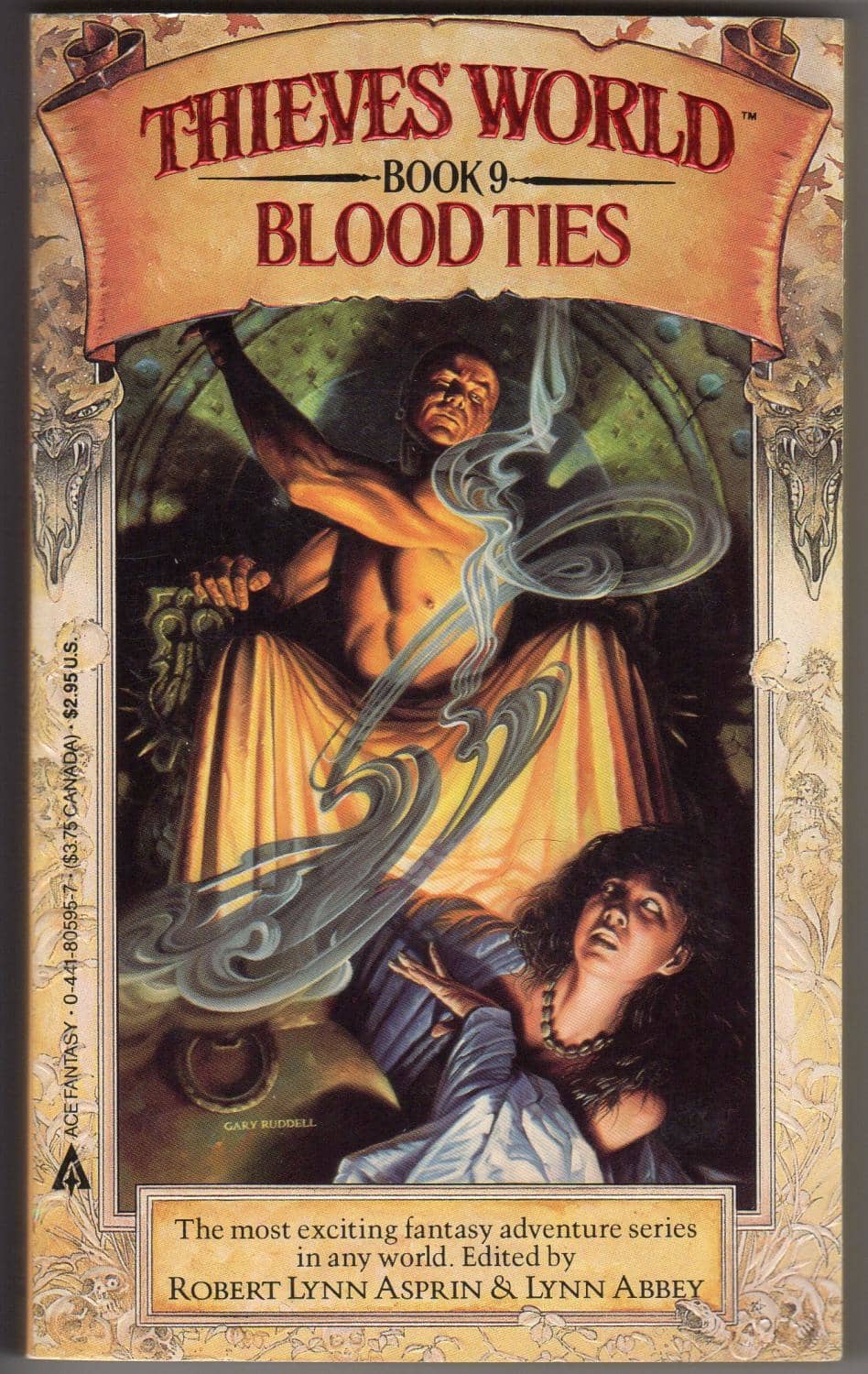
Birthday Reviews: Robert Lynn Asprin’s “No Glad in Gladiator”

Cover by Gary Ruddell

Robert Lynn Asprin was born on June 28, 1946. He died on May 22, 2008.

Asprin won the coveted Balrog Award for the Thieves’ World anthologies Shadows of Sanctuary and Storm Season. The first anthology in the series, Thieves’ World, was nominated for the World Fantasy Award. In addition to his work on the shared world series, Asprin is also known for his long-running Myth series, featuring Skeeve and Aahz. Other series, often written with co-authors, include Phule’s Company, Time Scout, and The Cold Cash War. For a time, Asprin was married to Lynn Abbey, who co-edited several of the Thieves’ World anthologies and eventually resurrected the series in the 2000s.

“No Glad in Gladiator” was published in the ninth volume of the Thieves’ World series, Blood Ties, edited by Asprin and Lynn Abbey in 1986. Its only reprinting was in the third Thieves’ World omnibus edition which included volumes 7-9, The Shattered Sphere.

The gladiator slave Jubal was one of the first characters introduced in the Thieves’ World shared world series, conceived by the series creator, Robert Lynn Asprin. By the time the ninth volume rolled around, Jubal had enjoyed his triumphs and suffered his set backs. In “No Glad in Gladiator,” Asprin has cast him in the role of eminent grise, showing a meeting between Jubal and Chenaya, a Rankene noblewoman and gladiator who is trying to make her way in Sanctuary.

Despite both characters’ background as gladiators, “No Glad in Gladiators” is a relatively static story. Asprin has the two characters sitting in a room talking, Chenaya’s looking for an alliance with Jubal and Jubal, after explaining why he isn’t interested in an alliance, explains to Chenaya all of her shortcomings. The story doesn’t fully work without its larger context. Jubal provides enough information about himself for the reader to understand who he was, and is, but Chenaya’s history is only painted in broad strokes, making her something of an enigma.
Read More Read More

The Barnes & Noble Sci-Fi & Fantasy Blog on the Best Science Fiction & Fantasy of June 2018

The Barnes & Noble Sci-Fi & Fantasy Blog on the Best Science Fiction & Fantasy of June 2018

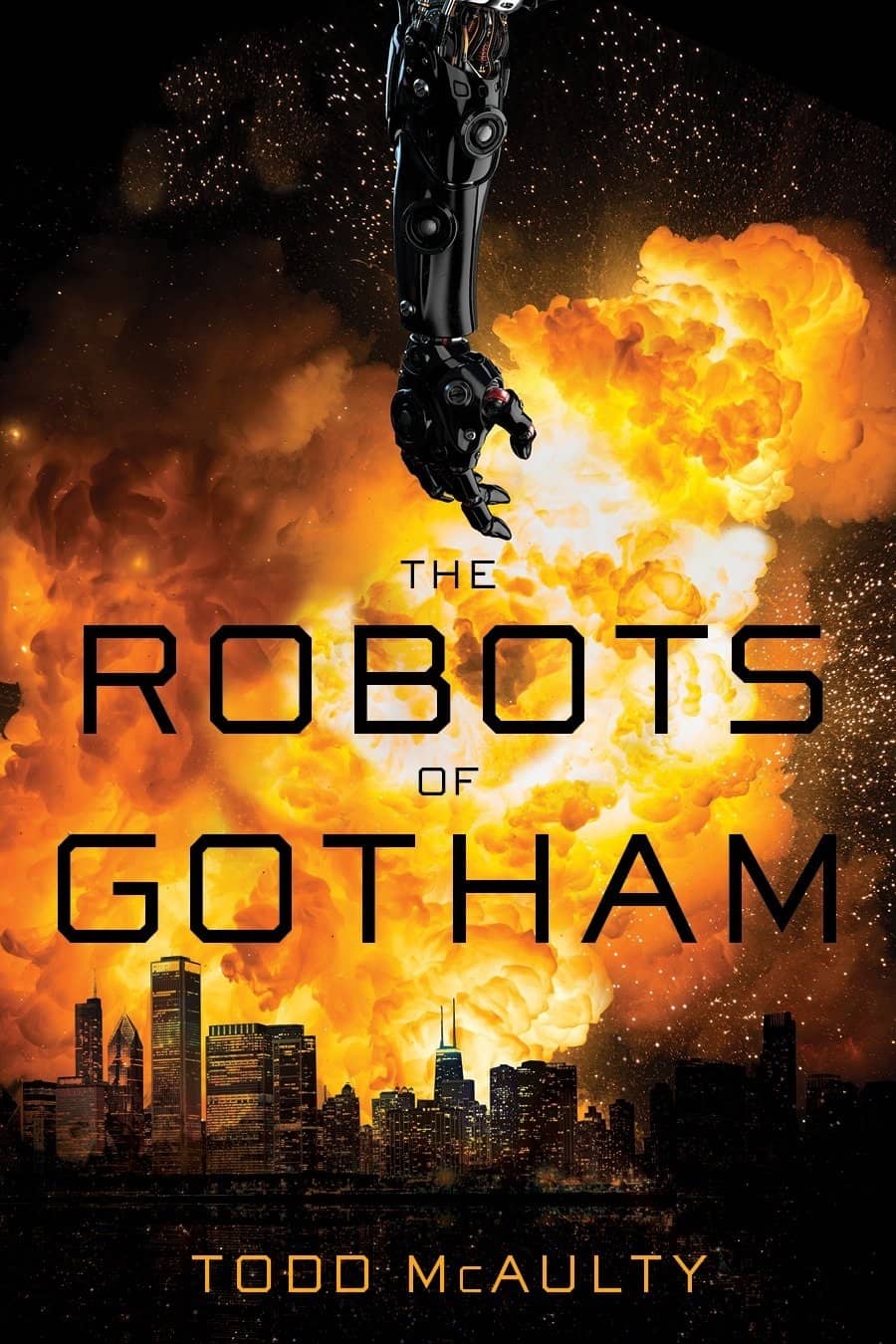
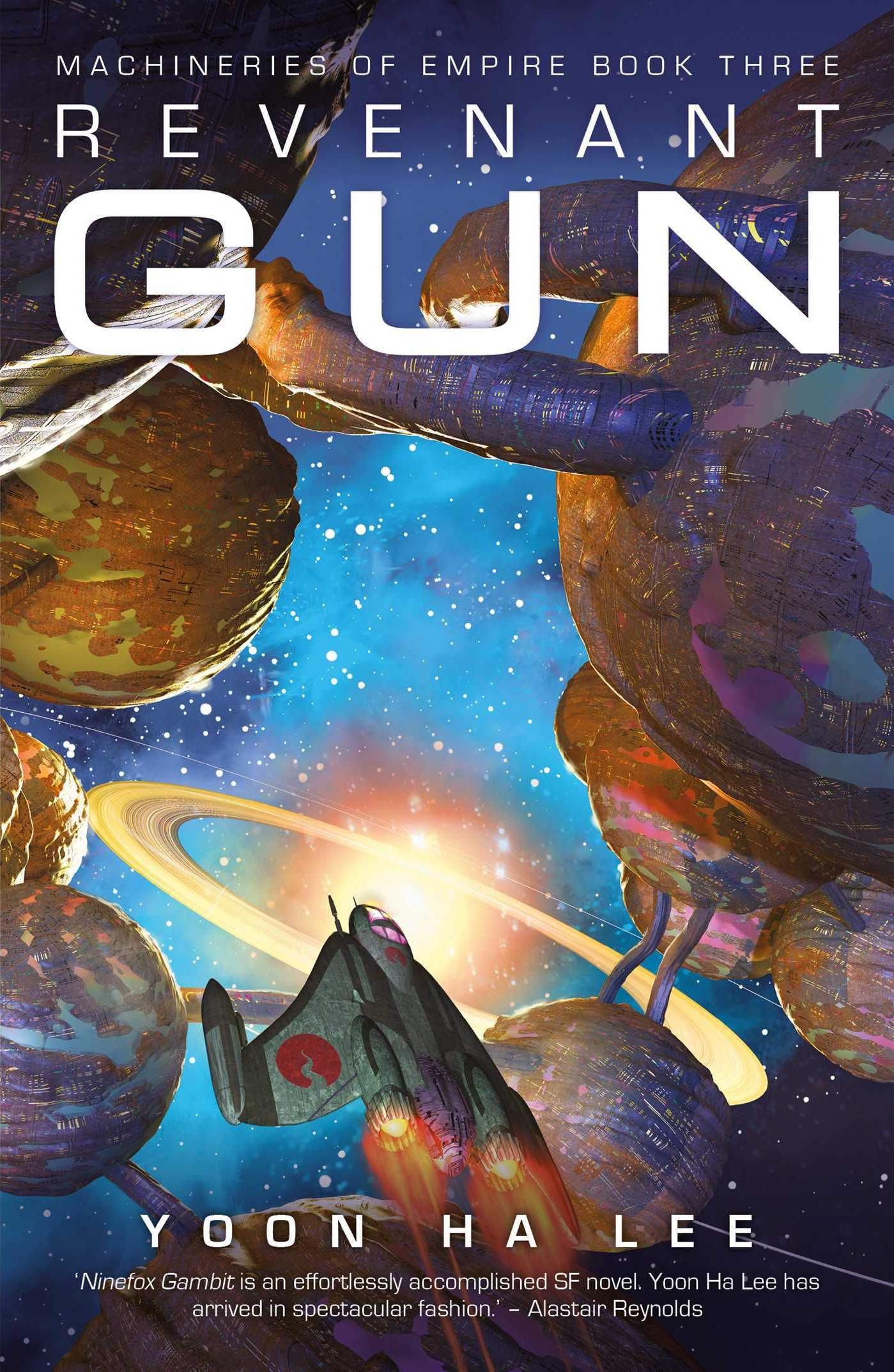
Brief Cases-small Revenant Gun-small The Robots of Gotham McAulty-small

June has been a fantastic month for new books. My TBR (to-be-read) pile is reaching structurally unsound heights already, and Jeff Somers at the Barnes & Noble Sci-Fi & Fantasy Blog isn’t helping matters any by showcasing nearly two dozen of the best new releases. Here’s a few of his more interesting selections.

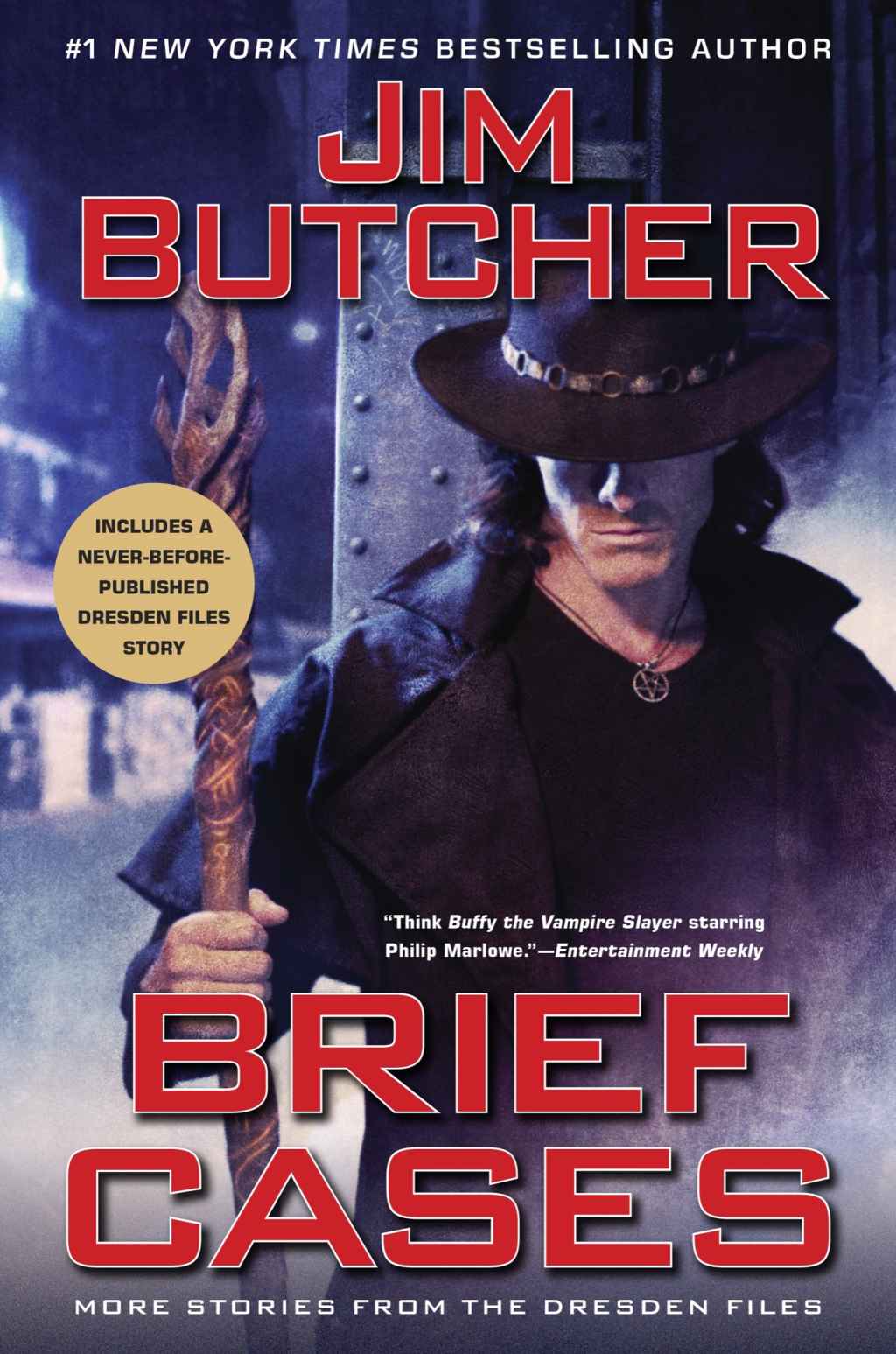
Brief Cases, by Jim Butcher (Ace Books, 448 pages, $28 hardcover/$14.99 digital, June 5, 2018)

Butcher offers up 12 stories set in the world of Harry Dresden, wizard and private investigator working an alternate, magic-filled Chicago. Several stories follow Harry’s adventures with River Shoulders, a smart sasquatch with a half-human son. Others involve Harry’s apprentice Molly Carpenter, crime boss John Marcone, and even Wyatt Earp. The novella “Zoo Day” follows Harry as he takes his young daughter Maggie to the zoo — and since this is Harry Dresden, you know there’s more in store than daddy/daughter bonding. Dresden fans may have encountered some of these stories before, but rereading them in this collection, alongside one all-new tale, should help ease the pain for waiting for Harry’s next novel-length adventure.

Our previous coverage of Harry Dresden includes Barbara Barrett 2014 article “A Wizard is a Wizard is a Wizard — Except When He’s Harry Dresden.”

Read More Read More

Black Gate Book Club, Downbelow Station, Fourth Discussion

Black Gate Book Club, Downbelow Station, Fourth Discussion

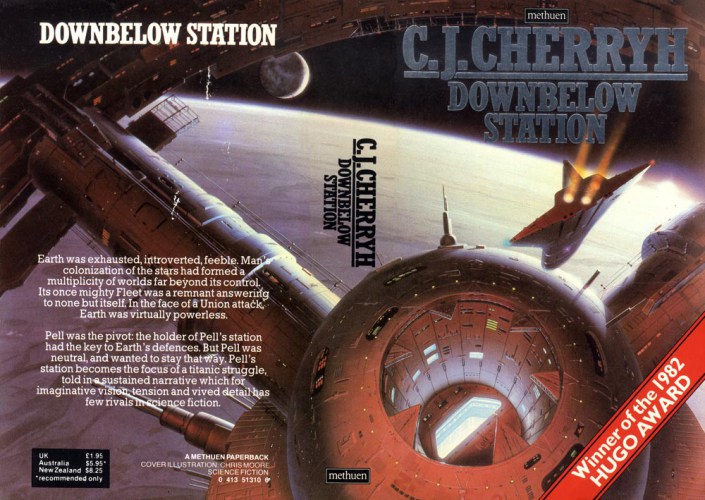
DBS7

Welcome back to the Black Gate Book Club! We are rapidly closing in on C.J. Cherryh’s Downbelow Station (DbS).  You can get to speed with the first, second, and third rounds.

Adrian S.

Fourth round!

Okay, page 285 and Fletcher, you are right that things are (finally) happening quick. The Union Fleet has dropped into the system, and the Company Fleet and the militia go out to meet them.  I like the idea that all the ships look the same on scan, whether they are jump-capable merchanters or in-system merchanters, or Fleet Carriers or whatever—they all look the same until they maneuver or start to fire.

Jon Lukas has become the bad guy that he was hinted at with a full murderous take-over of Downbelow Station.   Of course, he’s made a choice on which side he’s on, gambling that the Union is going to win, and from there getting roped into helping Union win.  This puts him with a lot of targets on his back.

Kressich is in the exact same boat, but with more targets on his back, he’s terrified of his people in Q, and terrified of his own security, but once the shooting starts, he is one of the few people who has security and has people.

The relationship of the “leaders” to their armies/militias is interesting.

Read More Read More

Birthday Reviews: Mary Rosenblum’s “Night Wind”

Birthday Reviews: Mary Rosenblum’s “Night Wind”

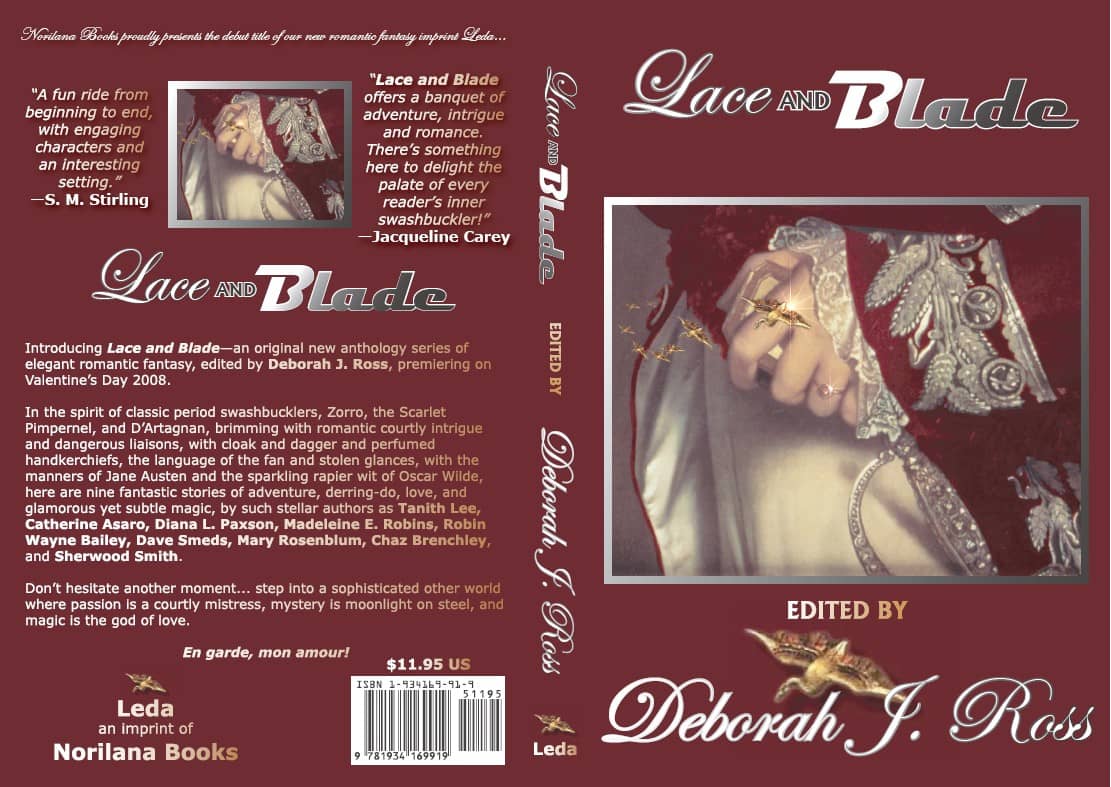
lace-and-blade-smal

Mary Rosenblum was born on June 27, 1952. She was killed when the small plane she was flying crashed on March 11, 2018. She wrote mystery novels under her maiden name, Mary Freeman.

Rosenblum’s 1994 novel The Drylands won the Compton Brook Stephen Tall Memorial Award for best first novel. In 2009 her short story “Sacrifice” received the Sidewise Award for Alternate History. Her novella “Gas Fish” was a Hugo Award nominee and “One Good Juror” made the shortlist for the Theodore Sturgeon Memorial Award. Two of her stories, “Rat” and “The Eye of God” were considered for the James Tiptree, Jr. Memorial Award.

Rosenblum sold “Night Wind” to Deborah J. Ross for inclusion in the anthology Lace and Blade. The story has never been reprinted, although Rosenblum’s “Dragon Wind” appeared in the second Lace and Blade anthology. “Night Wind” was a nominee for the Nebula Award for Best Novelette in 2009.

“Night Wind” is set in a Renaissance period Spain where magic can be passed down from father to son. Alvaro is the scion of a noble line, but his father’s magical power has been taken from him and Alvaro does not have any magic of his own, a situation the family is trying to hide. Having studied at university with the great scholar Delarentario, Alvaro has returned to his ancestral estates where his mother is trying to forge a marriage alliance with the merchant Salvaria. Along the way, Alvaro is accosted by the brigand Night Wind.

Read More Read More

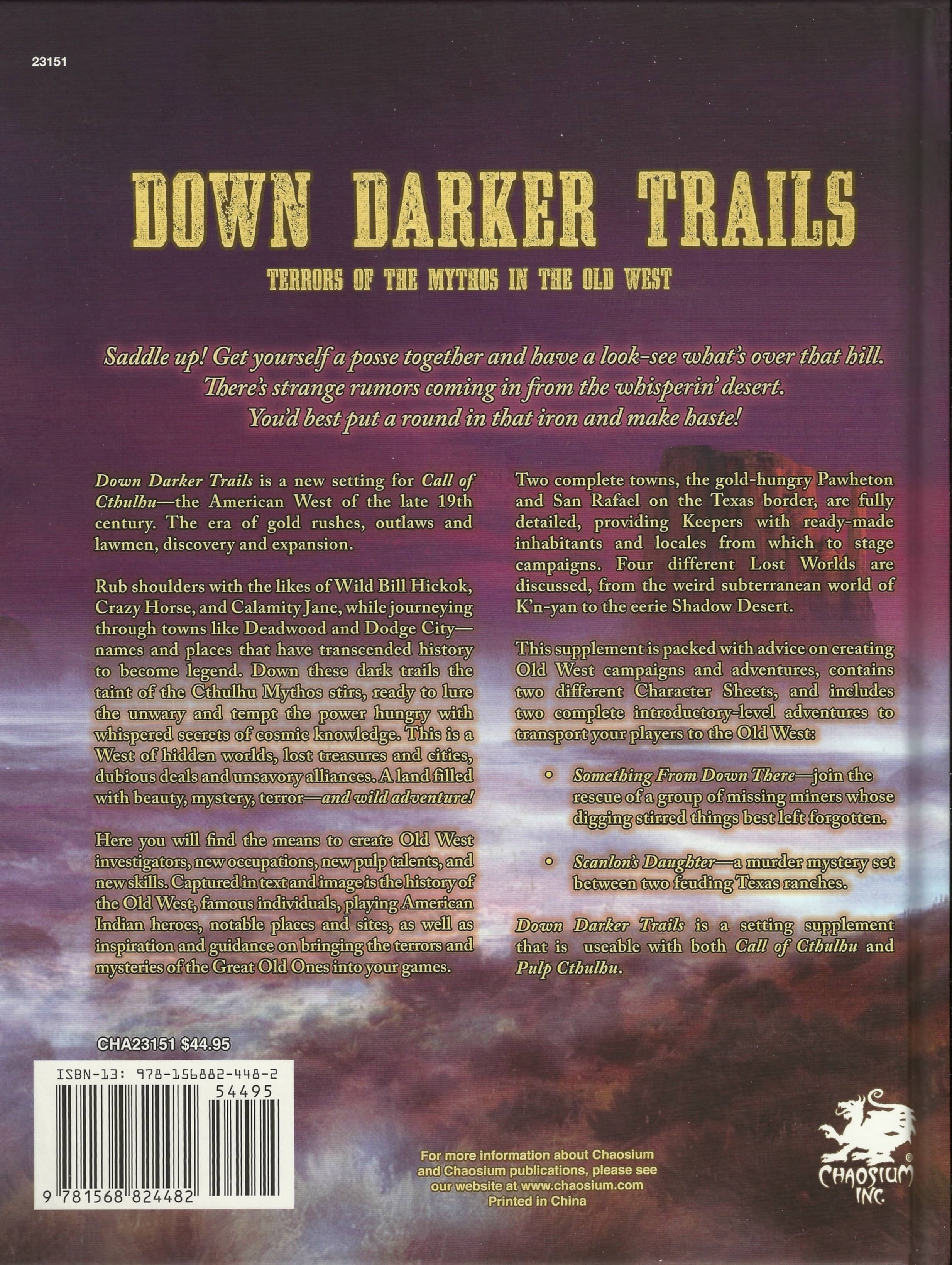
Experience the Terrors of the Mythos in the Old West in Down Darker Trails

Experience the Terrors of the Mythos in the Old West in Down Darker Trails

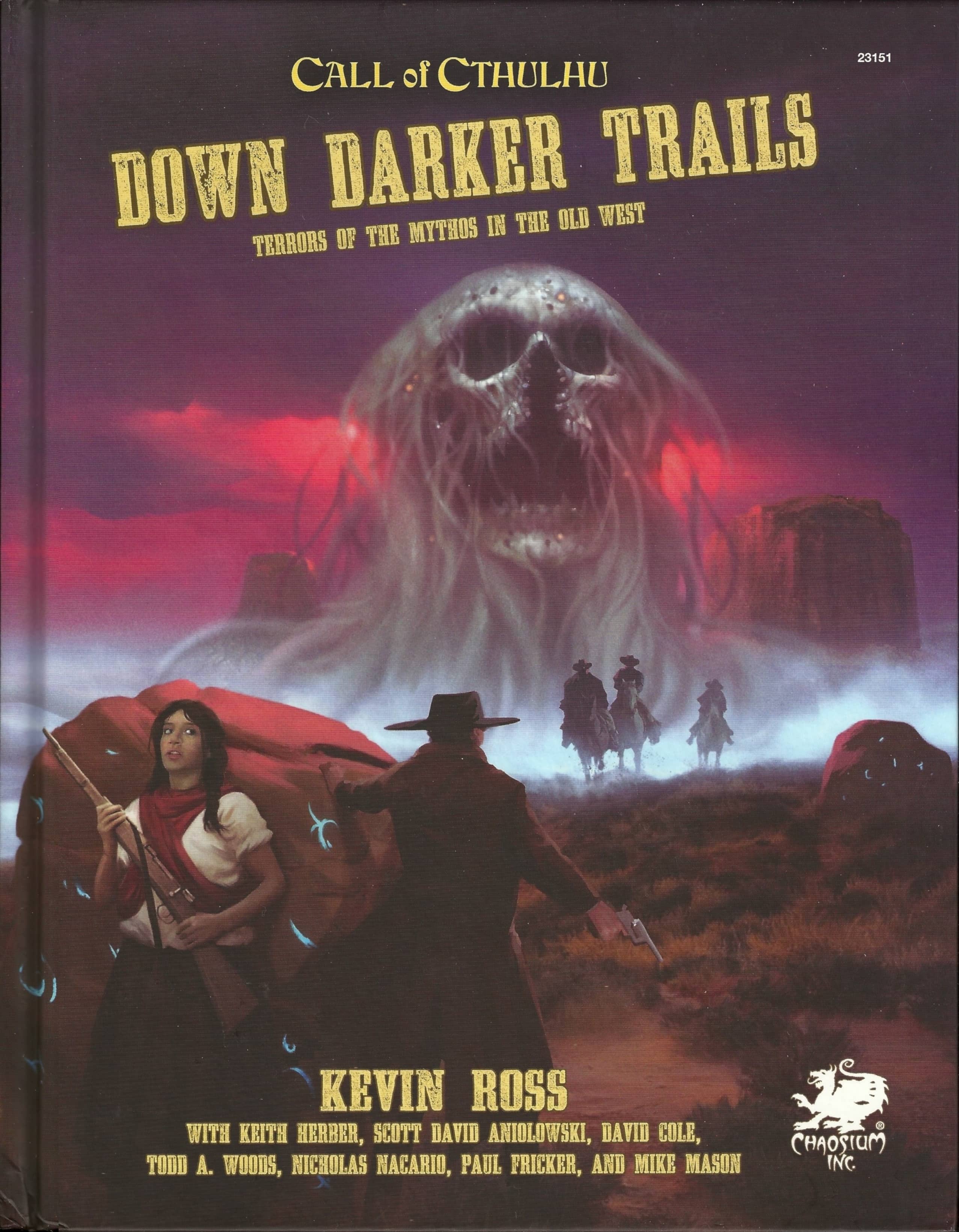
Down Darker Trails-small Down Darker Trails-back-small

One of the many things I love about the Call of Cthulhu RPG — besides the prospect of gathering with close friends to cheerfully go insane together — is the rich array of settings. The core game is set in 1930s America, where Lovecraft (who died in 1937) set virtually all of his fiction, and that serves the pulp horror aesthetic nicely. But over the years Chaosium, and other publishers, have produced several top-notch supplements giving players the option to adventure in a wide range of times and places.

These include Cthulhu Now (1987), Terror Australis (1987), King of Chicago (1992), The Cairo Guidebook (1995), Atomic-Age Cthulhu (2013), and many, many more. The Dreamlands, Victorian London, Scotland, even the Orient Express… no other game invites you to go stark, raving mad in such finely detailed surroundings.

However, CoC has been sorely lacking a weird western sourcebook, so I was very pleased to see Kevin Ross and his friends at Chaosium release Down Darker Trails, a massive full-color 256-page hardcover which lovingly brings Mythos horror to the old west. The book is an excellent addition to Chaosium’s catalog, and contains a splendid historical re-telling of the American Territories, plenty of famous individuals, two complete towns, four western-themed Lost Worlds (including the weird subterranean world of K’n-yan, and the eerie Shadow Desert), and two complete introductory adventures.

Down Darker Trails invites you to play American Indian heroes and famous gunslingers, visit famous sites, and discover just how deeply the terror and mystery of the Great Old Ones has seeped into the West.

Read More Read More

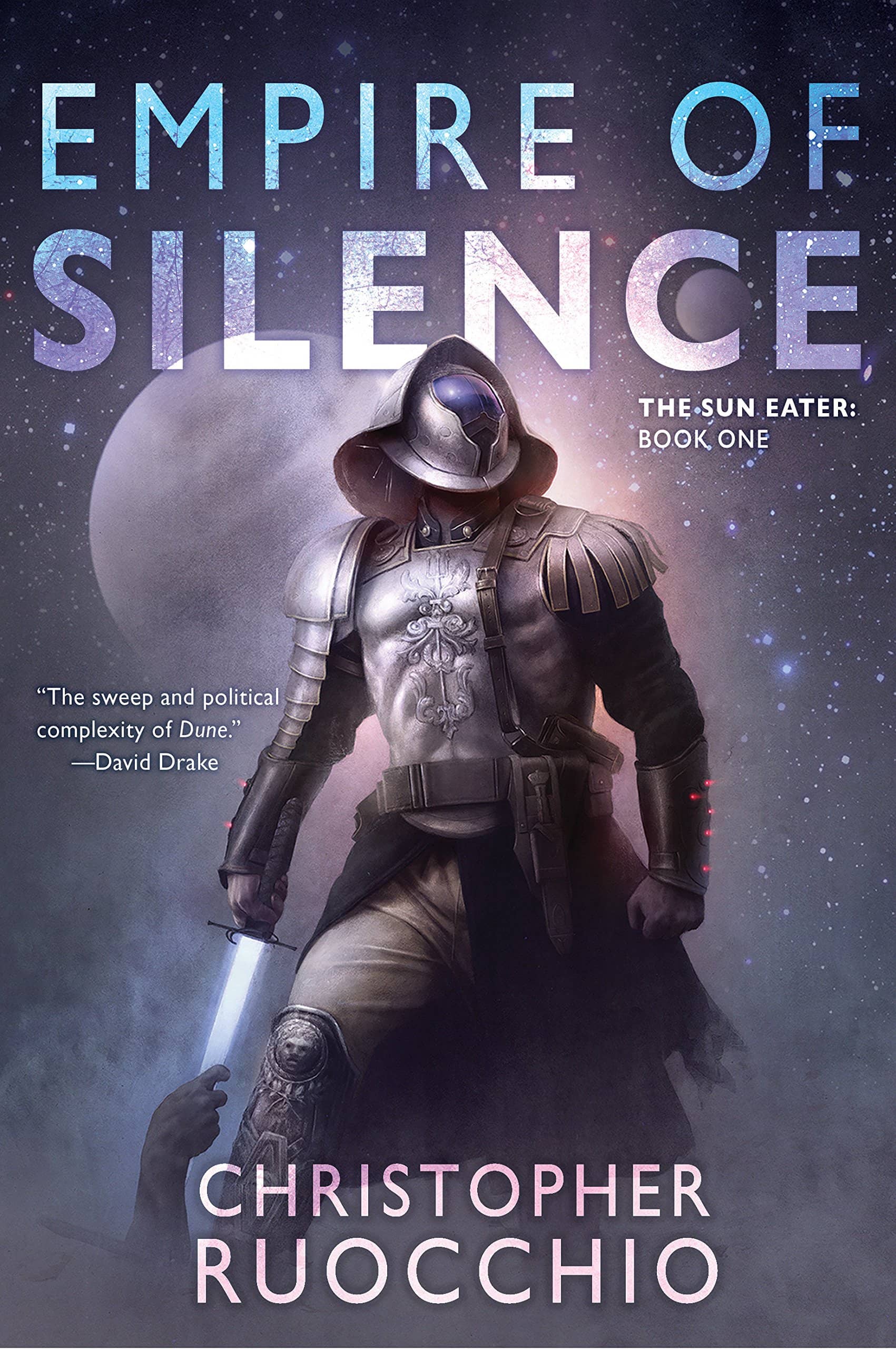
Future Treasures: Empire of Silence by Christopher Ruocchio

Future Treasures: Empire of Silence by Christopher Ruocchio

Empire of Silence-smallI’m definitely in the mood for an immersive, baroque space opera, with aliens, mystery, epic space battles, and even space gladiators. Wait, space gladiators?

Well, I’m not inclined to be picky right now so, sure, bring on the space gladiators. They’re a major part of Christopher Ruocchio’s debut novel Empire of Silence, the opening volume of The Sun Eater, which Eric Flint calls “epic-scale space opera in the tradition of Dune.” It arrives in hardcover from DAW next month.

Hadrian Marlowe, a man revered as a hero and despised as a murderer, chronicles his tale in th galaxy-spanning debut of the Sun Eater series, merging the best of space opera and epic fantasy.

It was not his war.

The galaxy remembers him as a hero: the man who burned every last alien Cielcin from the sky. They remember him as a monster: the devil who destroyed a sun, casually annihilating four billion human lives — even the Emperor himself — against Imperial orders.

But Hadrian was not a hero. He was not a monster. He was not even a soldier.

On the wrong planet, at the right time, for the best reasons, Hadrian Marlowe starts down a path that can only end in fire. He flees his father and a future as a torturer only to be left stranded on a strange, backwater world.

Forced to fight as a gladiator and navigate the intrigues of a foreign planetary court, Hadrian must fight a war he did not start, for an Empire he does not love, against an enemy he will never understand.

Christopher Ruocchio is the co-editor (with Tony Daniel) of the new Baen anthology Star Destroyers, and (with Hank Davis) the upcoming Space Pioneers.

Empire of Silence will be published by DAW Books on July 3, 2018. It is 624 pages, priced at $26 in hardcover and $12.99 for the digital edition. The cover is by Sam Weber, who also painted the cover to Medusa Uploaded and Ken Liu’s The Wall of Storms.

Vintage Treasures: Jack Dann & Gardner Dozois’ 40-Volume Reprint Library

Vintage Treasures: Jack Dann & Gardner Dozois’ 40-Volume Reprint Library

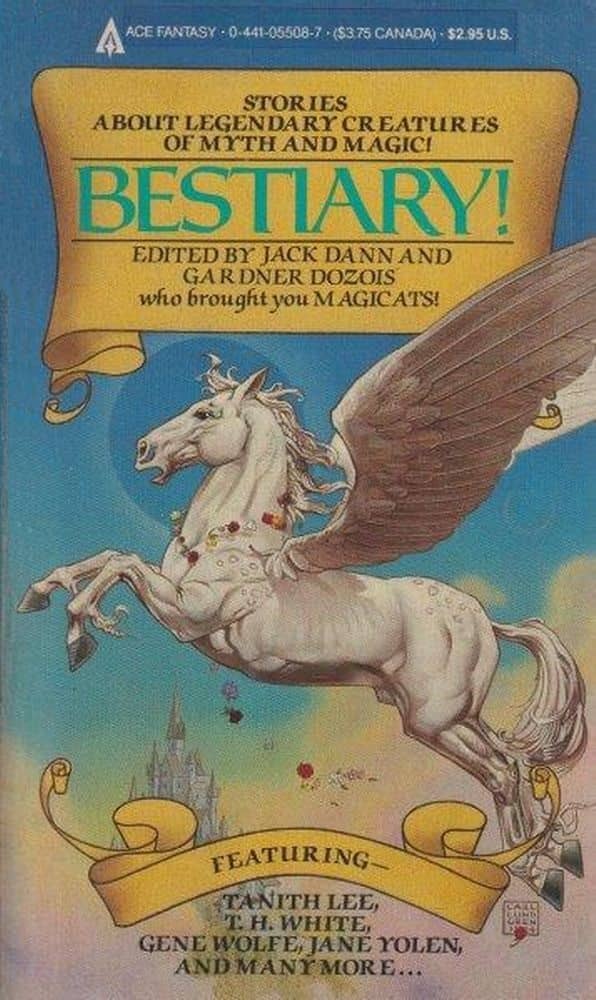
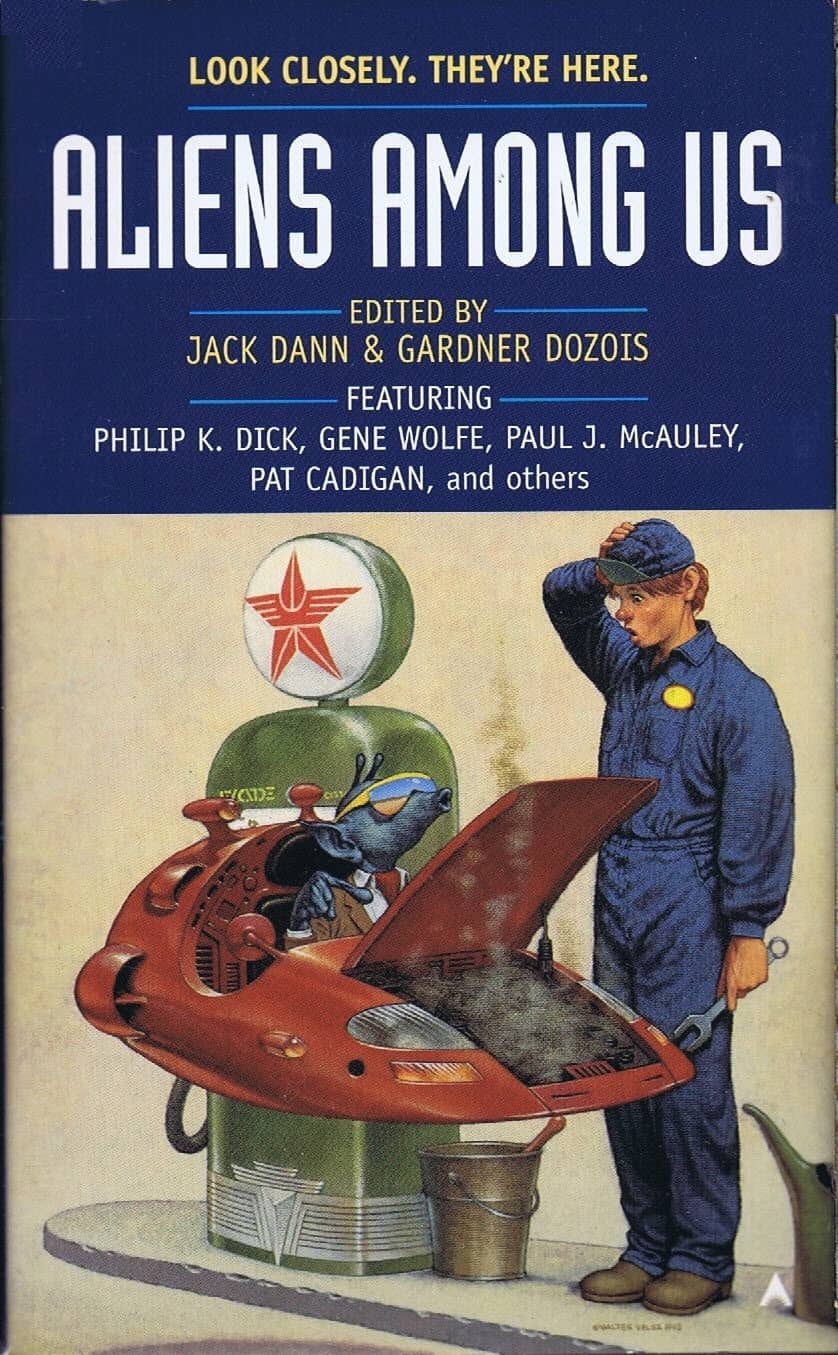
Bestiary Dann Dozois-small Aliens Among Us-small

The impending release of Gardner Dozois’ 35th and final Year’s Best anthology next month brings us to the end of an era. Hard as it is to believe, after his final books are released in the next few months, there will be no more magazines, stories or anthologies from one of the most gifted editors the field has ever seen.

Many readers are unaware that, as prolific as Gardner was as a magazine and Year’s Best editor — 17 years at the helm of Isaac Asimov’s Science Fiction Magazine, and 35 years as the editor of the annual Year’s Best Science Fiction — his greatest contribution to the field, at least in terms of raw numbers, was as an editor of standalone anthologies. He produced many dozens, including 21 volumes collecting stories from Asimov’s, such as Isaac Asimov’s Detectives (1998) and Isaac Asimov’s Halloween (2001), most co-edited with Sheila Williams.

But his most fruitful partnership was with Jack Dann, which whom he co-edited some 40 themed science fiction and fantasy anthologies between 1976 and 2009, almost all paperback originals with Ace Books. These included 22 volumes in the Exclamatory Series, called that because the anthologies had one-word titles with an exclamation point, like Magicats! (1984), Bestiary! (1985), and Invaders! (1993), and an additional 18 themed reprint volumes, such as Armageddons (1999), Aliens Among Us (2000), and A.I.s (2004).

Read More Read More

Birthday Reviews: Mercedes Lackey’s “A Different Kind of Courage”

Birthday Reviews: Mercedes Lackey’s “A Different Kind of Courage”

Cover by Richard Hescox

Mercedes Lackey was born on June 24, 1950.

Lackey has been nominated for the Lambda Award three times, winning for her novel Magic’s Price in 1991. Her novel The Ship Who Searched, written in collaboration with Anne McCaffrey, was nominated for the Seiun Award and her novel The Fire Rose was nominated for the Sapphire Award. In addition to her collaborations with McCaffrey, she has also collaborated with Joseph Sherman, Ru Emerson, and Mark Shepherd on the Bard’s Tale series, with Ellen Guon and Rosemary Edghill on the Bedlam Bard series, with husband Larry Dixon, Holly Lisle, Cody Martin, and Roberta Gellis on the SERRAted Edge series. Other collaborators include Dave Freer, Eric Flint, Andre Norton, Marion Zimmer Bradley, James Mallory, C.J. Cherryh, and others.

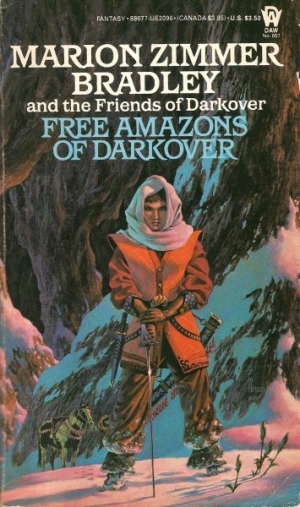
“A Different Kind of Courage” was Lackey’s first sale and originally appeared in Free Amazons of Darkover, a shared world anthology set in Marion Zimmer Bradley’s world of Darkover and edited by Bradley in 1985. The story was reprinted by Steven H Silver and Martin H. Greenberg in Magical Beginnings, an anthology of the first stories by various fantasy authors. In 1988, “A Different Kind of Courage” was translated for the German publication of Freie Amazonen von Darkover.

Rafi is an outcast, someone who doesn’t fit in anywhere and has failed at everything she has tried to do. After she was ejected from training as a Keeper, her father planned to marry her off to Lord Dougal, who has a reputation for having his wives killed. Rather than marry Dougal, she runs away and joins the Free Amazons, where she quickly discovers she has neither the strength, stamina, nor ability to be successful. Her partial training as a Keeper, however, causes her to be sent on a mission with Caro and Lirella, neither of whom want to be saddled with her. One evening, they sent her out to gather firewood, a task she also fails.

Upon returning to her companions, she finds that they have been attacked and, although they have defeated their attackers, both have horrible wounds. Rafi does what she can for them, overcoming her fear of their pack animals to use them to drag the women inside where she treats their wounds and keeps them warm. She also uses her Keeper training to reach out to seek additional help. She does what she can through the night, but by the time help arrives, Rafi is, herself, on the verge of death.

Read More Read More

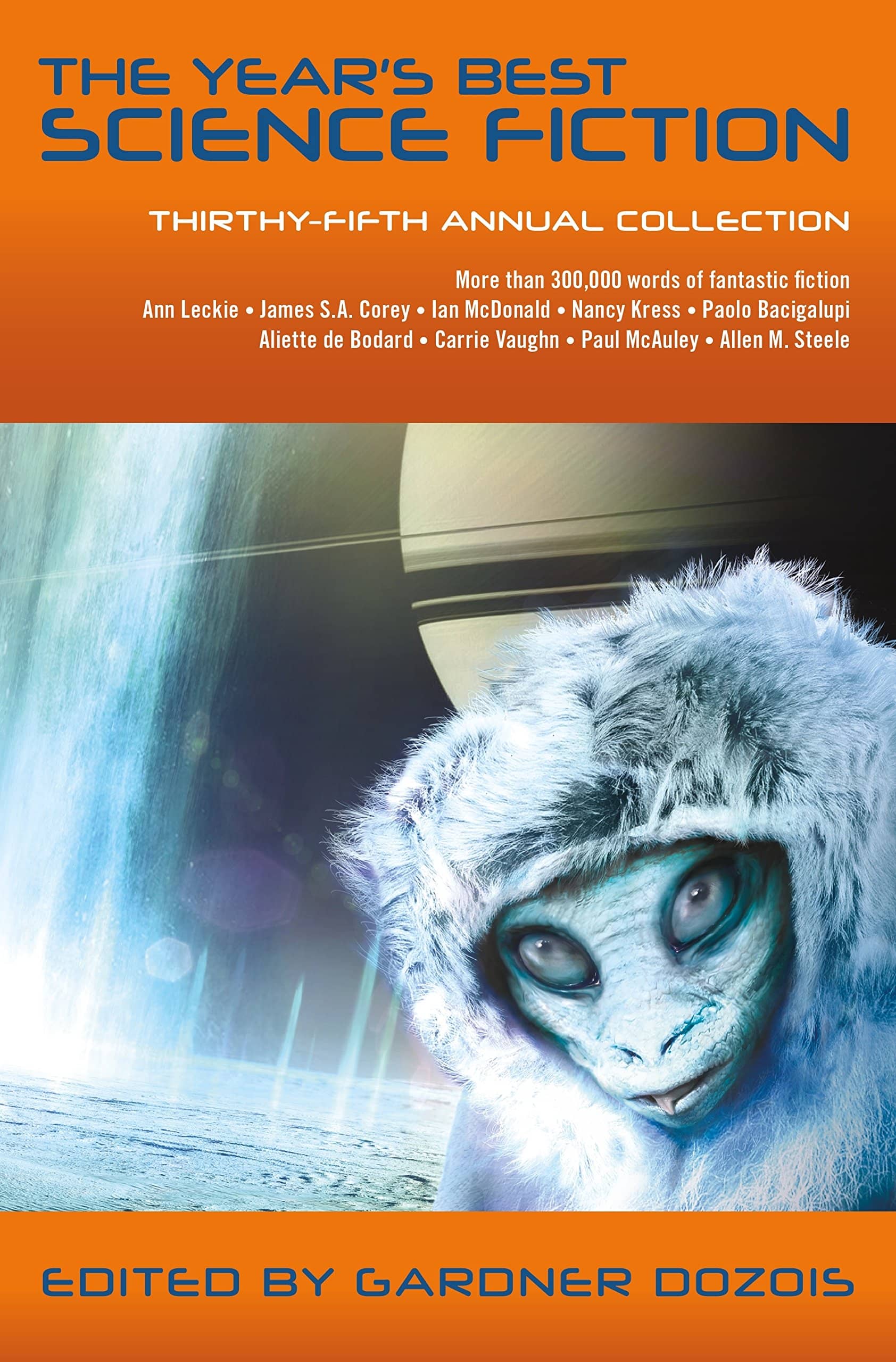
The End of an Era: The Year’s Best Science Fiction: Thirty-Fifth Annual Collection, edited by Gardner Dozois

The End of an Era: The Year’s Best Science Fiction: Thirty-Fifth Annual Collection, edited by Gardner Dozois

The Year’s Best Science Fiction Thirty-Fifth Annual Collection-small The Year’s Best Science Fiction Thirty-Fifth Annual Collection-back-small

We lost Gardner Dozois last month. It was a terrible blow to the field. I’ve seen plenty of somber discussion among fans about whether or not Gardner was the finest editor science fiction has ever seen, and there’s no doubt in my mind he’s in the running.

Gardner devoted his entire career to science fiction, and his accomplishments were extraordinary. He won the Hugo Award for Best Professional Editor 15 times during his 19-year tenure at Isaac Asimov’s Science Fiction Magazine. Nineteen years is an amazing run, but it’s barely half the 35 years he spent as editor of The Year’s Best Science Fiction, the de facto SF yearbook. I read the sixth volume in 1989 and I’ve looked forward to every one ever since.

The last volume will be published in less than two week, and its publication is bittersweet. It’s not the final book we’ll have from Gardner. His huge fantasy anthology The Book of Magic — with brand new stories by George R.R. Martin, John Crowley, Tim Powers, Scott Lynch, Eleanor Arnason, Garth Nix, Ysabeau Wilce, Liz Williams, Kate Elliott, and many others — is coming in October, and The Very Best of the Best: 35 Years of The Year’s Best Science Fiction is scheduled to be published in February. But the arrival of the final Dozois Year’s Best is very definitely the end of an era.

There will never be another editor like him. Cherish this book while you can.

Read More Read More

Birthday Reviews: Eileen Gunn’s “Thought Experiment”

Birthday Reviews: Eileen Gunn’s “Thought Experiment”

Cover by Jeremy Geddes

Eileen Gunn was born on June 23, 1945.

Gunn’s story “Stable Strategies for Middle Management” was nominated for a Hugo Award in 1989 and the next year she received a Hugo nomination for “Computer Friendly.” Her collection Stable Strategies and Others, which included original works, was nominated or shortlisted for the Philip K Dick Award, the James Tiptree, Jr. Memorial Award, and the World Fantasy Award. Two original stories from the collection, “Nirvana High,” written with Leslie What, and “Coming to Terms” were nominated for the Nebula Award, with “Coming to Terms” winning the 2005 Nebula Award for Best Short Story.

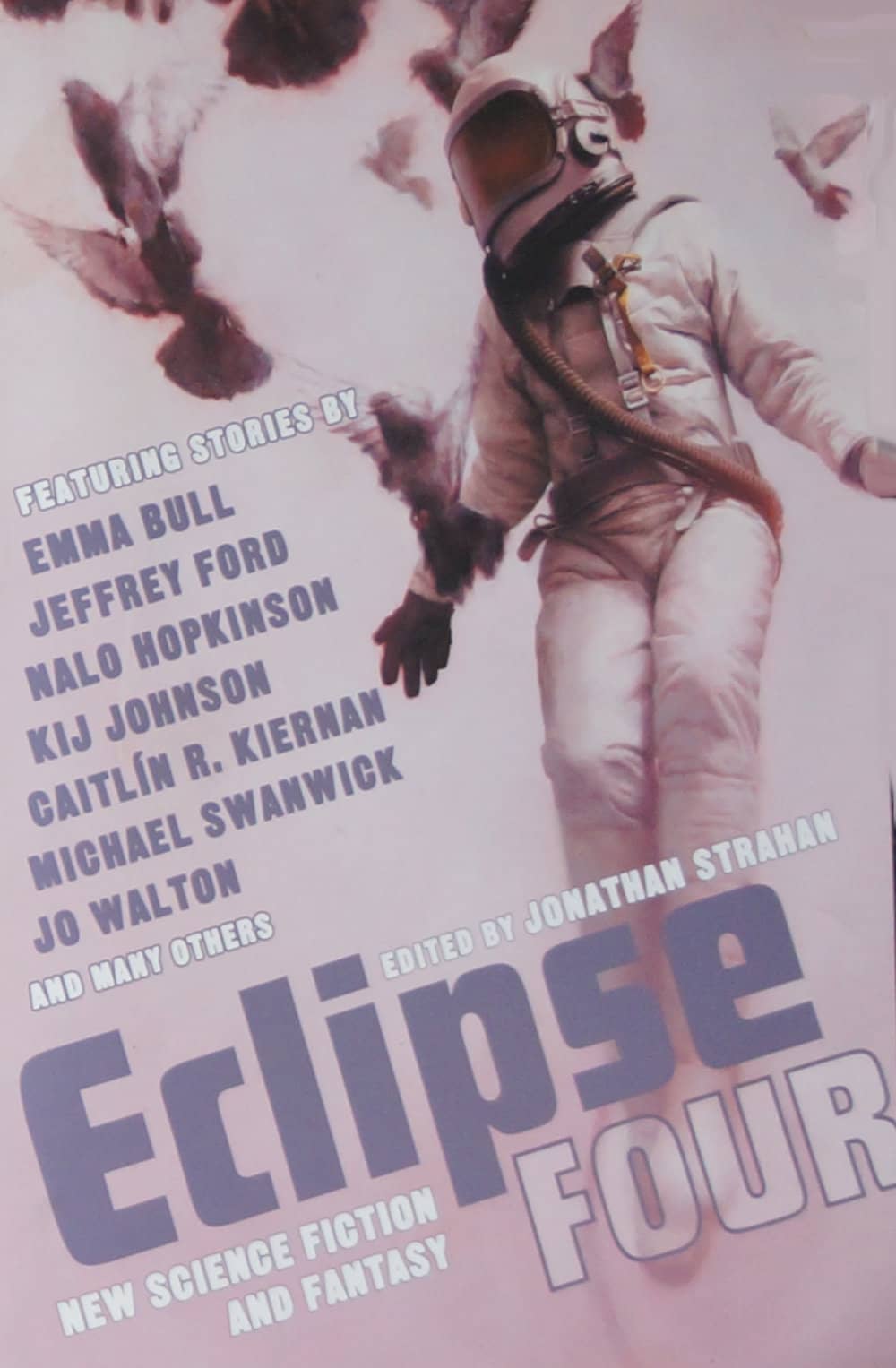
Gunn published “Thought Experiment” in Jonathan Strahan’s 2011 anthology Eclipse Four: New Science Fiction and Fantasy. She subsequently included it in her collection Questionable Practices and Paula Guran selected the story for the anthology Time Travel: Recent Trips.

Ralph Drumm is an engineer given to performing the sort of “Thought Experiment” the story is named for. While sitting in a dentist’s chair having his teeth whitened, Drumm begins to muse on a way to achieve time travel and after returning home turns his thought experiment into a reality.

The story follows Drumm as he sight-sees through three different periods, a Wessex in the mid-fifteenth century where the inhabitants seem to speak a version of Anglo Saxon, a visit to Bethel, New York to see Woodstock in 1969, and to Washington, D.C. on April 15, 1865 to witness the assassination of Abraham Lincoln. For the most part, Drumm is only a witness to these events, although he senses hostility towards him on his repeated trips to Wessex, each spaced a year apart so he won’t have to worry about running into himself.

Gunn does bring up the idea of Drumm’s interference with history, not only when he tries to warn Lincoln about Booth’s impending assassination attempt, but on a more subtle level, simply by existing in times when he shouldn’t have. Gunn’s early description of Drumm as the first time traveler also foreshadows the possible existence of other, later time travelers.

Read More Read More