Norman Spinrad on The Publishing Death Spiral, Part Two
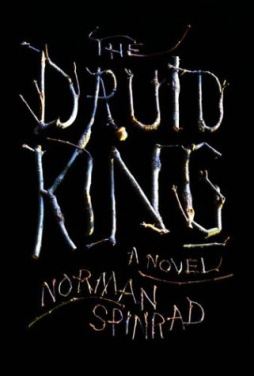 In Part Two of his blog series on the Publishing Death Spiral (read Part One here), science fiction author Norman Spinrad, author of Bug Jack Barron, Child of Fortune, and The Iron Dream, talks about “My Own Death Spiral,” and seeing the cover art for his novel The Druid King the first time:
Knopf’s star art director… had taken photos of some gnarly twigs and photoshopped them into the letters of the book title. Murky brown against black background, no other illo. Suck City in terms of rack pop. My heart sank when I saw it… To give you an idea of how bad the cover really was, when the book finally came out, Dona and I looked for it in the new books rack. It wasn’t there! We couldn’t find it. Major panic! We finally did. It turned out we had looked past it three times without noticing it. And I was the author.
You can read the complete post, along with lively comments from Jerry Pournelle, Paul Riddell, and Knopf Art Director Chip Kidd, here.
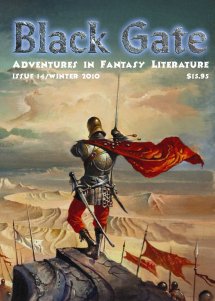 Sixteen of your US dollars. That’s what the latest (monster) issue of Black Gate has cost you in these days of fear and crumbling factories. It’s strange, isn’t it? You’ll spend all that money on a collection of fiction and game reviews when the internet is bursting with so much free content. If you go looking right now, you can find a million Sword & Sorcery stories out there that you wouldn’t even need to pirate: the authors, overcome in a delirium of generosity, are only too thrilled to supply them for free.
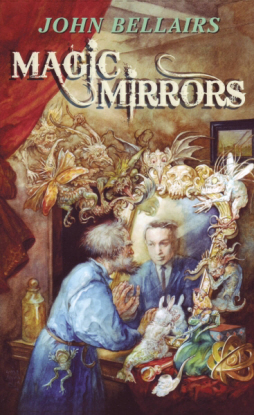 But Bellairs was more than that. He was also a first-class fantasist, whose one book for adults, The Face in the Frost, is something unique. Written before his tales for children, on its publication in 1969 it was described by Lin Carter as one of the three best fantasies to have appeared since The Lord of the Rings.
 Now that Gen Con is done, it’s time to offer up some final thoughts, experiences, and, of course, games.
 Pulp Adventure Roleplaying Games
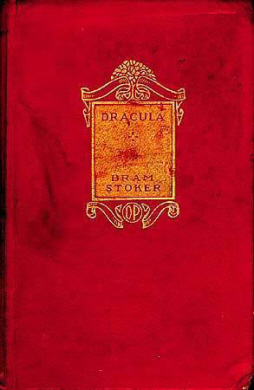 Most literary criticism of Bram Stoker’s Dracula is limited to treating the work as one of the more blatant examples of Victorian sexual repression. A few more adventurous critics are eager to play Freudian detective and speculate what the book reveals about the author’s possible sexual feelings for Sir Henry Irving or his alleged serial infidelity with East End prostitutes.

 Fresh off my movie frenzy of the last few blog entries, I felt it was time to unplug for a least a week and pick up what looked like the most interesting of the new book releases to find their way first to the Black Gate front office, and then to the underground bunker of Goth Chick News.