Robert E. Howard: The Barbarians
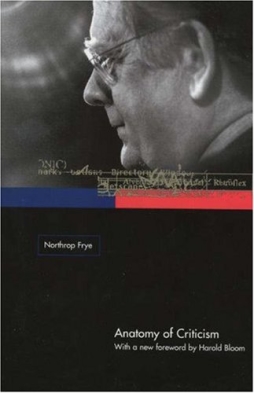 In the opening pages of The Anatomy of Criticism, Northrop Frye introduced a theory of modes, of types of stories, based on the power of action held by a story’s hero. If the hero has powers superior in kind to other characters, the story is a myth; if the hero has powers superior in degree, like a Launcelot or a Charlemagne, then the story’s a romance (in the old sense of a fantastic adventure story). A hero superior to other characters but not to the world around him is a leader, the kind of protagonist you might have in an epic or a tragedy, like Macbeth or Odysseus, and so belongs to the high mimetic mode: a mode imitating life, but at a higher pitch than life is commonly lived. A hero “superior neither to other men nor to his environment” impresses us with a sense of shared humanity, and exists in the low mimetic mode. A hero with less power or agency than ourselves creates the ironic mode, a story about “bondage, frustration, or absurdity.”
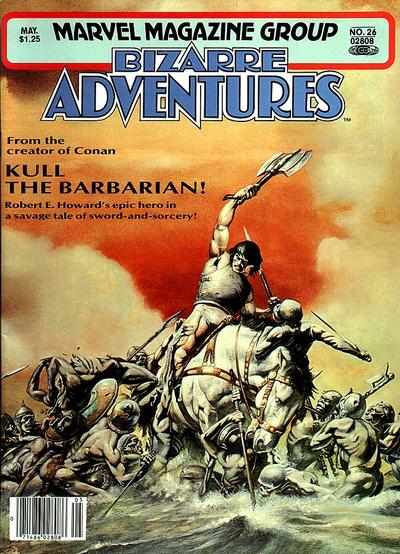
Frye has a lot more to say about all these different modes, but that’ll do for a start. I’ve been thinking about Frye and his theory of modes with respect to Robert E. Howard and to Howard’s three great barbarian heroes: Kull, Conan, and Bran Mak Morn. It seems to me that the theory of modes helps to explain the substantive difference between the three characters; why their stories, as far as I’m concerned, feel so different one from another. All of them are characters of the romance mode, but a story in one mode can be pulled toward another, and I think that’s what’s happening with these characters.
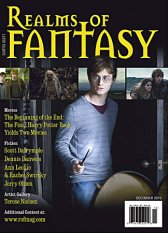 Well, with only about a week left to go in January, today I just received a copy of the December
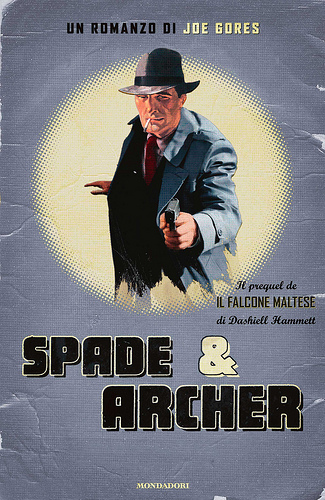
 Thirty-five years earlier, Gores had likewise fictionalized Hammett’s Pinkerton days when he immersed himself in real and imagined political corruption in Roaring Twenties San Francisco in his novel, Hammett.

 The gentlemen staff of Black Gate tirelessly seeks out ways to entertain you. There have been