February 2016 Locus Now on Sale

February 2016 Locus Now on Sale

Locus February 2016-smallWhile I was at my local Barnes & Noble on Saturday, picking up the new issues of F&SF, Analog, and Asimov’s, I was delighted to see the February issue of Locus peeking out from behind Mystery Scene. I don’t always have the best luck finding Locus on newsstands, and I really didn’t want to miss the February issue.

The February Locus is always a special event… it’s their annual Year in Review issue, and this one does not disappoint. It has detailed looks back at the best new books and short fiction from the last twelve months by virtually all of their reviewers, including Gardner Dozois, Rich Horton, Jonathan Strahan, Russell Letson, Faren Miller, Gary K. Wolfe, Cheryl Morgan, Ellen Datlow, Paul Kincaid, and many others. It also includes the 2015 Locus Survey ballot, their annual Magazine Survey, a long interview with Tom Doherty, and — as always — plenty of reviews of short fiction and books. There’s also an obituary of David G. Hartwell, and a promise of additional appreciations next month.

In addition to all the news, features, and regular columns, there’s also the indispensable listings of Magazines Received, Books Received, British Books Received, and Bestsellers. Plus Letters, and an editorial. See the complete contents here.

We last covered Locus with the December 2015 issue. Locus is edited by Liza Groen Trombi, and published monthly by Locus Publications. The issue is 62 pages, priced at $7.50. Subscriptions are $63 for 12 issues in the US. Subscribe online here. The magazine’s website, run as a separate publication by Mark R. Kelly, is a superb online resource. It is here.

See our March Fantasy Magazine Rack here, and all of our recent Magazine coverage here.
Vintage Treasures: Try a Little Sturgeon Caviar

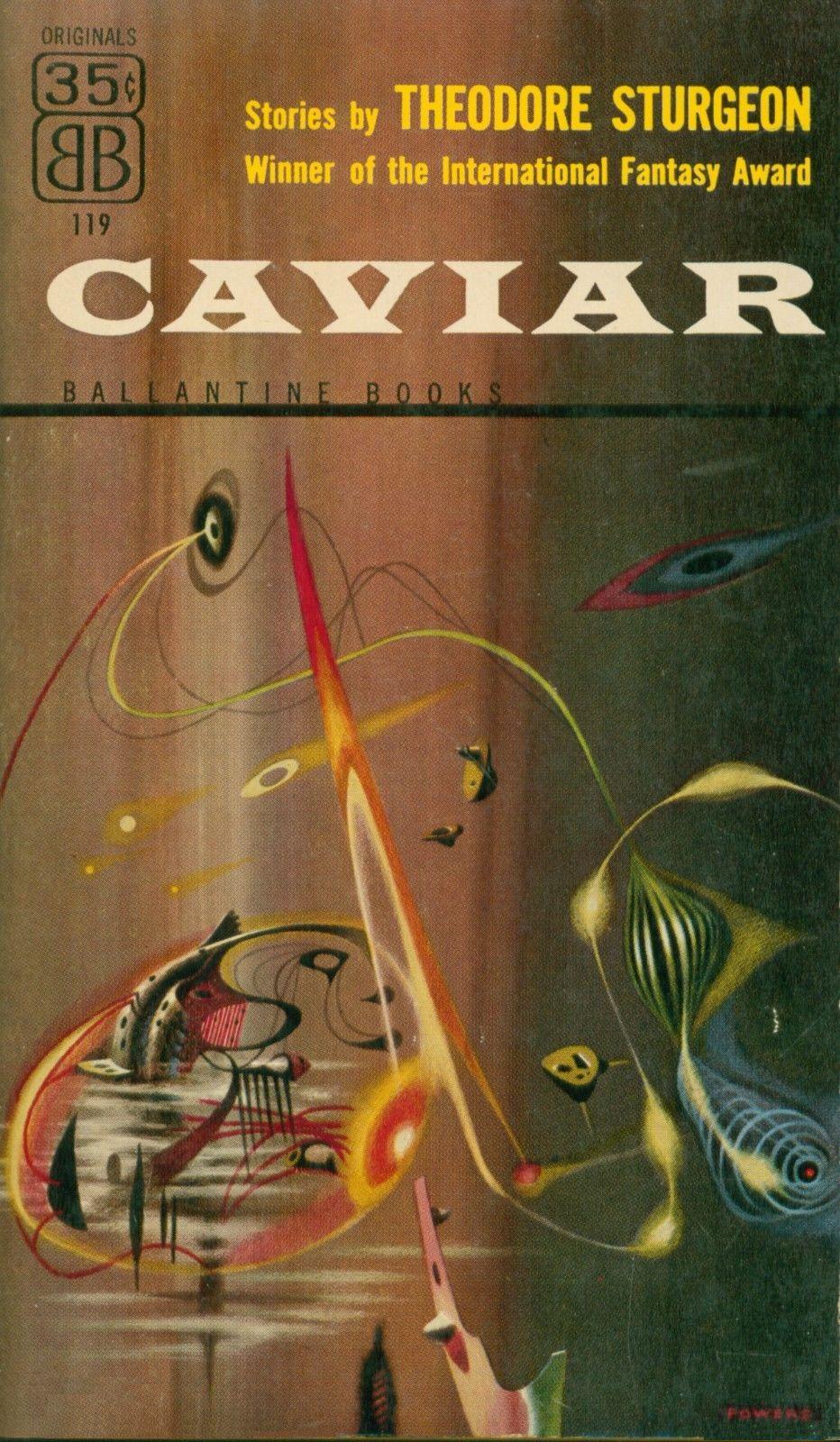
Vintage Treasures: Try a Little Sturgeon Caviar

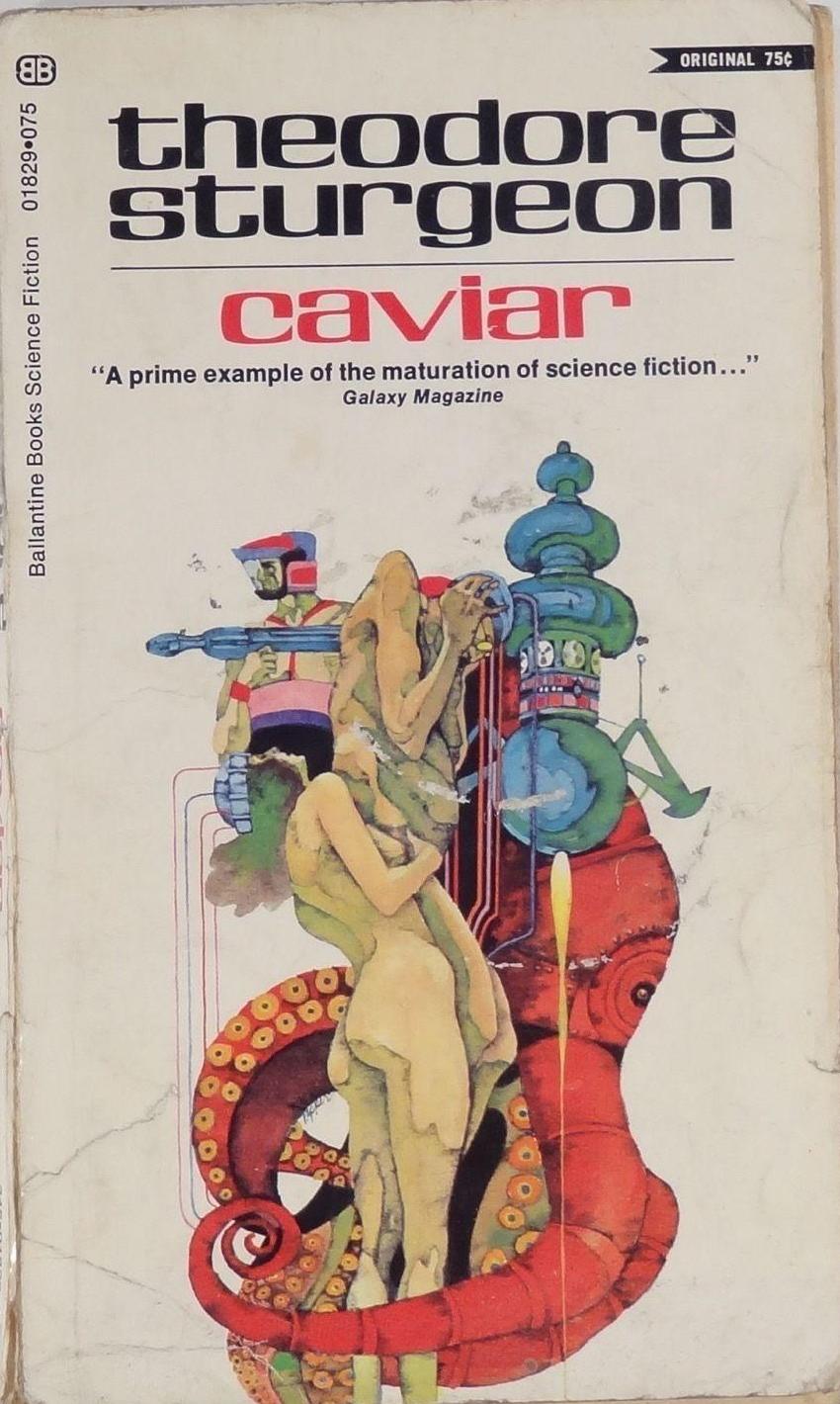
Caviar 1955-small Caviar 1970-small Caviar 1977-small
Lester Del Rey
Lester Del Rey

I started what eventually became a casual series of posts about Theodore Sturgeon back in June 2014, when I wrote a brief piece on his 1979 collection The Stars Are the Styx. It was casual because I’d make another entry in the series only when I acquired another of his collections. The result was eight posts over roughly two years, not a bad stretch, really.

The only real drawback to this system is I’ve been dying to do a post on his 1955 collection Caviar, perhaps my favorite of his many books, and a copy has not tumbled into my hands for many years. So I’m breaking with my system (and had to troop upstairs and root around on the shelves until I found a copy, no small accomplishment) to bring you this report. You’re welcome.

Why is Caviar my favorite? Nostalgic reasons, mostly. It contains “Microcosmic God,” the first Theodore Sturgeon tale I can remember reading, and still one of my favorites.

Also, I had a lot of fun tracking down the various paperback versions, especially the 1977 Del Rey edition with the brilliant cover by Darrell K. Sweet (above right), which pretty clearly has publisher Lester del Rey putting in a cameo appearance as “Microcosmic God”‘s genius inventor James Kidder.

Read More Read More

Big Magic in a Business Suit

Big Magic in a Business Suit

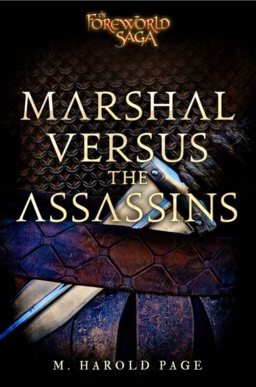
Marshall Versus the Assassins-small
12th century and mystic conspiracy stuff — Go!

So I am doing a historical project for a client. I’ve done this before several times now: “12th century and mystic conspiracy stuff —  Go!

How does this chime with Elizabeth “Eat, Love, Pray” Gilbert’s Big Magic that was all about; “Be serious about having fun being creative but don’t burden it or yourself by taking it too seriously or expecting too much from it”?

What happens when your creativity becomes a serious thing because (a) people are paying you for it, and (b) you are using it to pay other people (like shops that sell food your children eat)? What happens when you are (c) doing it to order?

In my case we’re talking writing fiction. In other cases it could be sword fighting (I know several people who do this professionally), writing, costuming, dancing, burlesque…(we know who you are).

How do you play for money?

Read More Read More

The Lost Level by Brian Keene

The Lost Level by Brian Keene

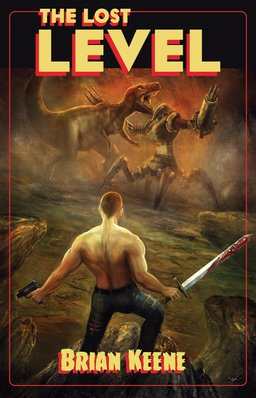
oie_62316zU0eMAQ8Lost worlds, pocket universes, dimensional traveling: these are things that warm my heart. Barsoom, the World of Tiers, and the Land of the Lost are places I want to see. A sword-swinging hero and warrior princess, well that’s pretty great by me. If your reactions are like mine then you are Brian Keene’s target audience for The Lost Level (2015), his love song to a certain kind of glorious pulp adventure that there aren’t enough of anymore. On the acknowledgements page he spells out explicitly the artists whose works helped inspire The Lost Level: Edgar Rice Burroughs, Robert E. Howard, Sid and Marty Krofft, Roy Thomas, Joe R. Lansdale, Mike Grell, John Eric Holmes, Karl Edward Wagner, Otis Adelbert Kline, Carlton Mellick III, and H.G. Wells. A tantalizing roll call of pulp genius. I am definitely this book’s target.

See that cover to the left? Even before I read a glowing review from Charles Rutledge, someone whose opinion I trust, that cover (by Kirsi Salonen) bellowed “BUY ME!” so loud and clear I knew I couldn’t hold out for long. Briefly, The Lost Level is the tale of a man from Earth lost in a different dimension, and his adventures alongside a warrior princess and a furry, blue alien. Now that I’ve read it… well, I really love the cover.

Brian Keene is best known as a prolific writer of gonzo horror (38 novels and 10 story collections over 13 years). His first novel, The Rising is credited with helping spark the current zombie craze, but I think it’s too good to merit the blame. I’ve only dipped a toe into his vast body of work but it’s been fun, if a little bloody. His established talent, coupled with that eye-popping cover, led me to have high hopes for the book.

Read More Read More

In the Wake Of Sister Blue: Chapter Twelve

In the Wake Of Sister Blue: Chapter Twelve

In The Wake of Sister Blue Mark Rigney-medium

Linked below, you’ll find the twelfth installment of a brand-new serialized novel, In the Wake Of Sister Blue. Vagen’s longest day continues into nightfall and beyond, featuring escape for some, capture for others, and the possibility of an unexpected crown for…well. Best read on and find out for yourself. Chapter Thirteen will follow in two weeks’ time, so stay tuned –– and for those who fear I’m writing a doorstop, be reassured. This will be Book One of a pair (but no, not an ongoing, endless cycle), and the Great Divide between the two will be reached in Chapter Fifteen.

A number of you will already be familiar with my Tales Of Gemen (“The Trade,” “The Find,” and “The Keystone“), and if you enjoyed those titles (or perhaps my unexpectedly popular D&D-related post, “Youth In a Box,”) I think you’ll also find much to like in this latest venture. Oh, and if you’re only now discovering this portal, may I suggest you begin at the beginning? The Spur awaits…

Read the first installment of In the Wake Of Sister Blue here.

Read the twelfth and latest installment of In the Wake Of Sister Blue here.

Read More Read More

Future Treasures: Snakewood by Adrian Selby

Future Treasures: Snakewood by Adrian Selby

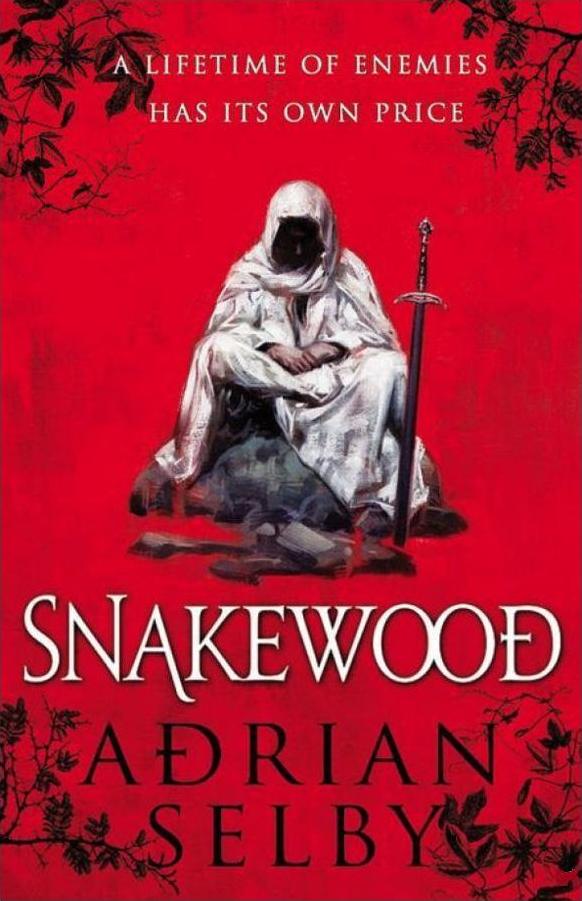
Snakewood-smallHere’s an interesting little artifact. Snakewood, a debut fantasy of “betrayal, mystery, and bloody revenge,” tells the story of the Twenty, a band of mercenaries being hunted down one-by-one by an unknown killer.

What’s really fascinating is the plant-based magic system. The author saysSnakewood is set in a world where magic is in the plant-life, concoctions of which, known as ‘fightbrews’, radically transform the capabilities and appearance of warriors at a terrible cost.” It arrives in hardcover next week from Orbit Books.

A Lifetime of Enemies has its Own Price

Mercenaries who gave no quarter, they shook the pillars of the world through cunning, chemical brews, and cold steel.

Whoever met their price won.

Now, their glory days are behind them. Scattered to the wind and their genius leader in hiding, they are being hunted down and eliminated.

One by one.

Snakewood will be published by Orbit Books on March 15, 2016. It is 432 pages, priced at $26.00 in hardcover and $13.99 for the digital version. Read an excerpt from the novel here.

The Public Life of Sherlock Holmes: The D&D Adventure (Board) Games

The Public Life of Sherlock Holmes: The D&D Adventure (Board) Games

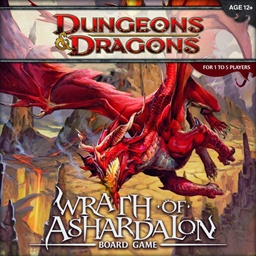
Wrath_BoxBack in 2010, Wizards of the Coast (WotC) decided to put out a board game that replicated playing 4th Edition Dungeons and Dragons. Now, 4th Edition was a debacle, but Castle Ravenloft, which was the first of four games in the Dungeons and Dragons Adventure Game line, is quite the opposite. It’s a cooperative dungeon crawl with set scenarios but random tile placement and in which the game itself serves as the dungeon master.

I’ve not played Castle Ravenloft (previously discussed here at Black Gate), which uses the iconic D&D setting. However, I am pretty familiar with 2011’s follow-up, Wrath of Ashardalon. Ashardalon is a red dragon and the party explores a cave system to eventually try and stop him. It was followed by The Legend of Drizz’t (here atBlack Gate), based on the NY Times best-selling books by R. A. Salvatore. I have also played this one several times. It looked like that was the end of the series, but last year, WizKids stepped in and in conjunction with WotC, produced a fourth installment, Temple of Elemental Evil (and also here at Black Gate). I own that but haven’t played it yet.

The games are all quite similar. There were a few changes in the first three, but I would say they’re at least 90% the same, maybe even a bit more. Temple added a campaign mode, (where you can keep items between scenarios!) that looks to be a notable change and one I look forward to exploring.

THE PARTS

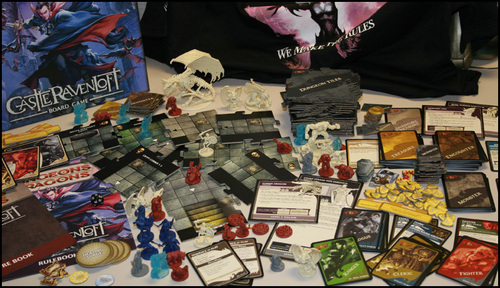
Wrath_ComponentsWrathEach game comes with about a dozen sheets of interlocking tiles that make up the dungeon, as well as on average, 200 Encounter, Monster, Treasure and Hero cards that are the game play, plus tokens of various types. There’s a nice glossy, short, easy to read rule book as well as a similar Scenario book. And of course, one 20 sided die. But the real draw is the figures.

Each has about 40 heroes and monsters! They are not painted and all are reissues of official D&D minis. But where else are you going to get this many minis for the price? And you can always paint them or buy painted versions (I did that for some) if you want to jazz it up. For me, the components are well worth the cost. It all comes in a HUGE, sturdy box. I sleeved one game and everything still fits (though not in the same places). If you like to buy board games that come with a LOT of stuff, these games absolutely are the kind of thing you’re looking for. And nothing looks cheap: they use solid components.

Read More Read More

New Treasures: Son of the Morning by Mark Alder

New Treasures: Son of the Morning by Mark Alder

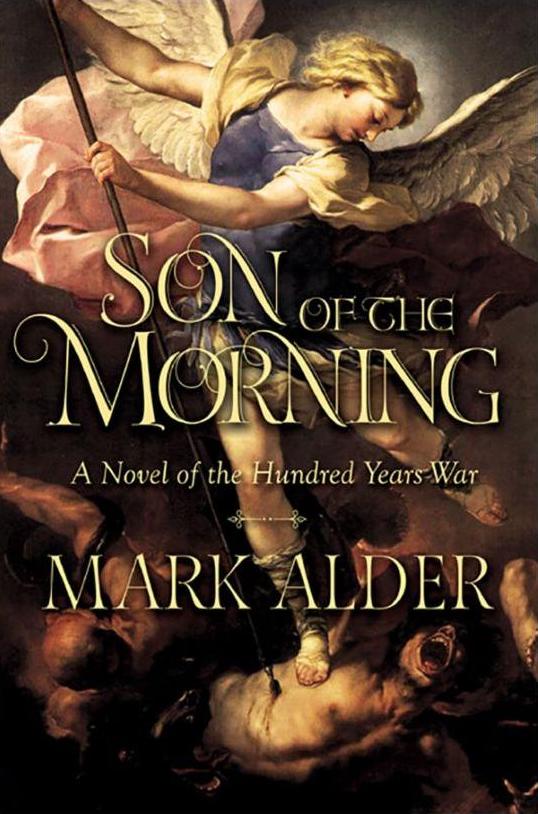
Son of the Morning-smallUnder the name M.D. Lachlan, Mark Alder has written four novels in the Wolfsangel fantasy series; under the name Mark Barrowcliffe, he’s the author of the D&D memoir The Elfish Gene, Lucky Dog and Girlfriend 44. His newest is the opening volume of a fantasy retelling of the Hundred Years War, in a world where angels and demons choose sides on the battlefield, and England and France are locked in a true holy war. Publishers Weekly calls it “alternate history leavened with wry humor… [a] fast-moving epic.”

England, 1337: Edward III is beset on all sides, plagued by debt and surrounded by doubters. He refuses to pay homage to the newly crowned Philip Valois of France and seeks to secure his French holdings, but he’s outmanned. Philip can put 50,000 men in the field, but he is having his own problems: he has summoned the angels themselves to fight for France, but the angels refuse to fight. Both kings send priests far and wide, seeking holy relics and heavenly beings to take up the cause of their country, but God remains stubbornly silent, refusing to grant favor to either side.

Meanwhile, among the poor and downtrodden, heretical whispers are taking hold: what if God — who has never been seen to do anything for them — is not the rightful leader of the heavens after all? And as Edward’s situation becomes increasingly desperate, even his counselors begin to believe that if God won’t listen, perhaps they can find a savior not from Heaven, but from Hell.

In a sweeping tale packed with courtiers and kings, knights and priests, and devils and angels, Mark Alder breathes fresh and imaginative life into the Hundred Years War in this unique historical epic.

Son of the Morning was published by Pegasus on February 15, 2016. It is 727 pages, priced at $26.95 in hardcover and $12.99 for the digital version. The cover painting is a detail from Luca Giordano’s painting of St. Michael.

March 2016 Asimov’s Science Fiction Now on Sale

March 2016 Asimov’s Science Fiction Now on Sale

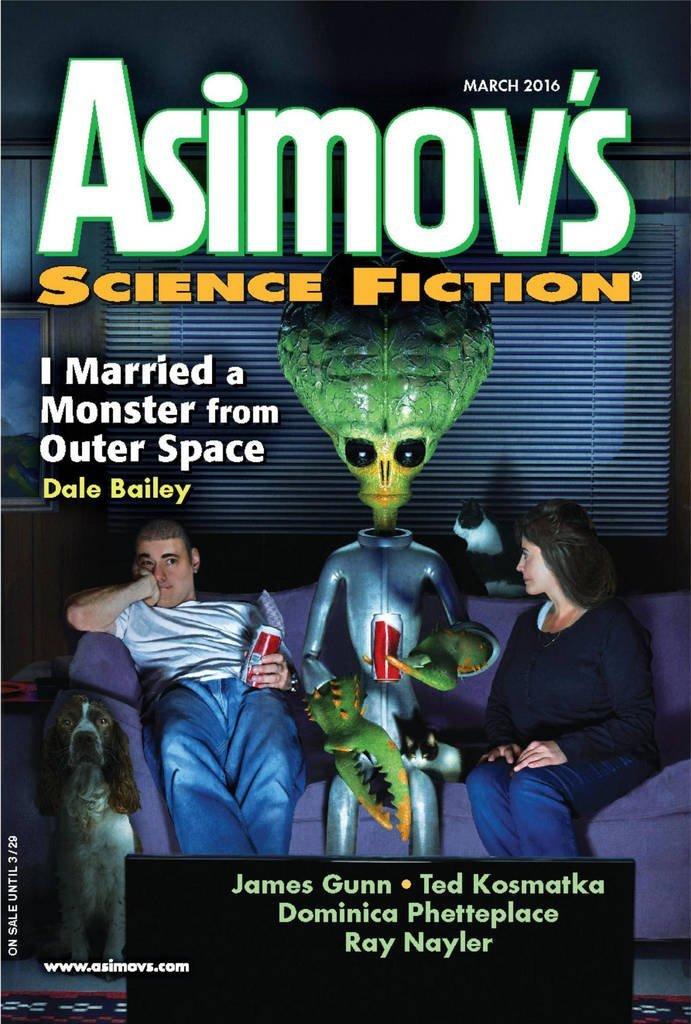
Asimov's Science Fiction March 2016-smallIn her editorial in the latest issue of Asimov’s Science Fiction, Sheila Williams pens a passionate and thoughtful defense of Young Adult fiction.

I’m used to being told that the engineering in one story is too realistic or the fantasy in another too pervasive. The critic will avow that the tale would have been better off in Analog or F&SF. On rarer occasions, I have been criticized for featuring tales about children and young adults. The implication is that Asimov’s is a magazine for adults, which means the tales should all be about adults as well. This last criticism has always been the one that most surprises me.

It’s hard to imagine a magazine that purports to cover all the conditions of humanity not covering the early years every so often. Any reader of Asimov’s has certainly experienced childhood and the ’tween years. Many of the issues that faced us then reverberate throughout our lives. With any luck, some of our readers picked up the magazine as precocious young adults….

It can be argued that there are two types of stories about young protagonists. One is really written for the adult who is looking back on those early years…. The other seems to be written specifically for the child or young adult… I’ve also enjoyed many works that fall into the second category… That young people will learn much about the world from reading adult literature does not mean that adults can’t find pleasure and illumination in works that were primarily written for the young.

Hear, hear! You tell ’em, Sheila. I discovered Asimov’s with the Summer 1977 issue at the tender age of 12, and the fact that the magazine was very friendly to young readers was a huge plus for me. I hope it continues to attract young readers, and having an occasional YA component to the fiction is a huge piece of that.

Read Sheila’s complete editorial here.

Read More Read More

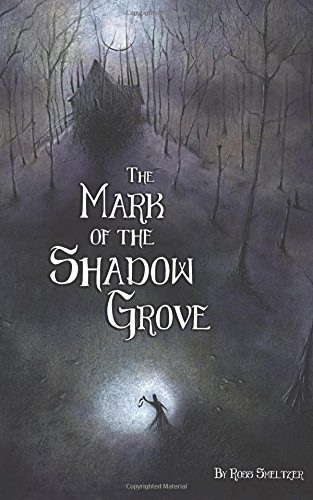
Book Review: The Mark of the Shadow Grove by Ross Smeltzer

Book Review: The Mark of the Shadow Grove by Ross Smeltzer

If you have a book you’d like me to review, please see this post for instructions to submit. I am officially out of stories, since I haven’t received any recently and I’m reluctant to go back to submissions from more than a year ago.

Shadow Grove CoverWhile I usually limit myself to self-published books in my reviews here, I’ll occasionally review small press publications if I’m asked. This month’s review is of one such book, Ross Smeltzer’s The Mark of the Shadow Grove.

The Mark of the Shadow Grove is somewhere between a novel and a story collection. It contains three novellas, “The Witch of Kinderhook,” “Lord of All High and Hidden Places”, and “The Rule of Old Blood.” These three stories are all first person, but each one has a different narrator from a different time period: a necromancer’s apprentice in the 1820s, a young coed in the 1880s, and a journalist in the 1920s. But though the stories are from different perspectives and different times, they are ultimately connected, telling the story of two intertwined families, and the dark secrets that bind them. It is Lovecraftian in its horror, with gods beyond human ken who cause madness in those who encounter them, but it has eschewed any of Lovecraft’s deities for more familiar ones.

“The Witch of Kinderhook” tells its story both through the recollections of Tom, the aforementioned apprentice, and the journal of his missing master, Carver. Carver is not much of a necromancer. In reality he is a medical examiner with a history of fraud, an unhealthy obsession with old books of supposed occult lore, and an ill-founded belief in his ability to apply science to the ancient search for reviving the dead. He has come to Kinderhook to find the witch who dwells there, sure that she knows the secrets he seeks. Carver is disappointed with what he finds, and holds the witch’s attempts to teach him in contempt. Tom, meanwhile, is drawn to the beautiful witch Katrina.

Read More Read More