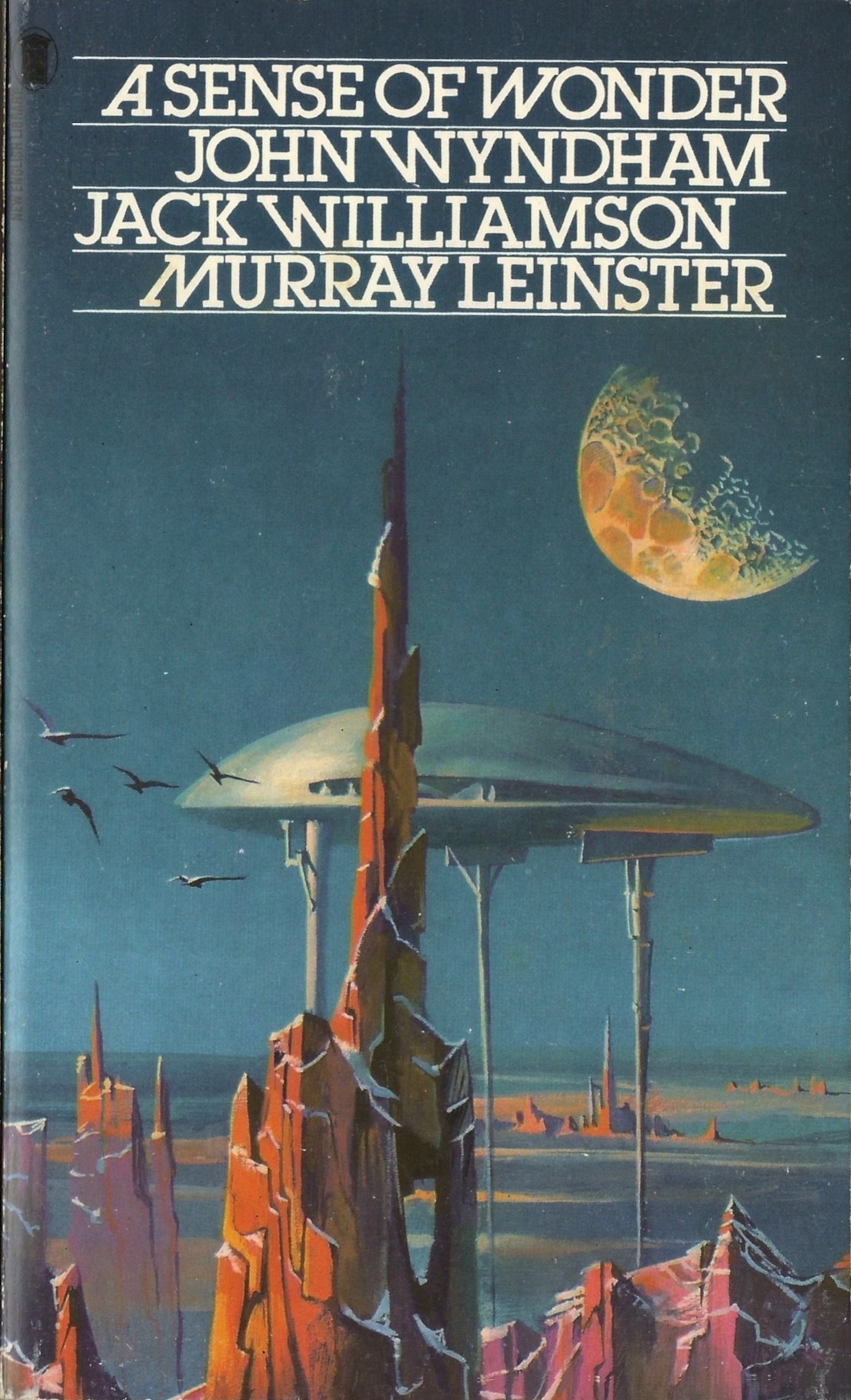
Doors Open, Doors Closed: Alan Garner’s Elidor
 |
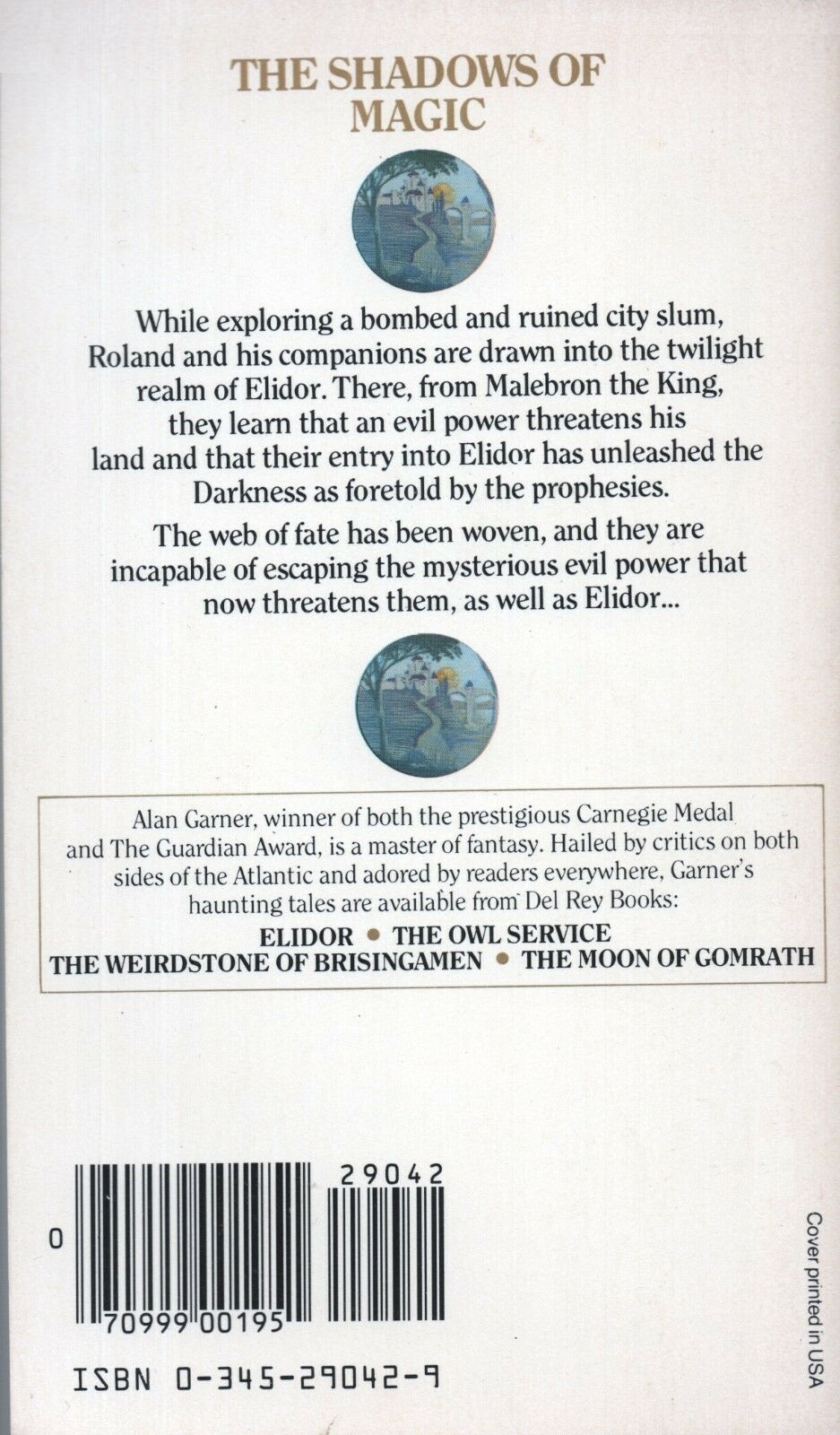 |
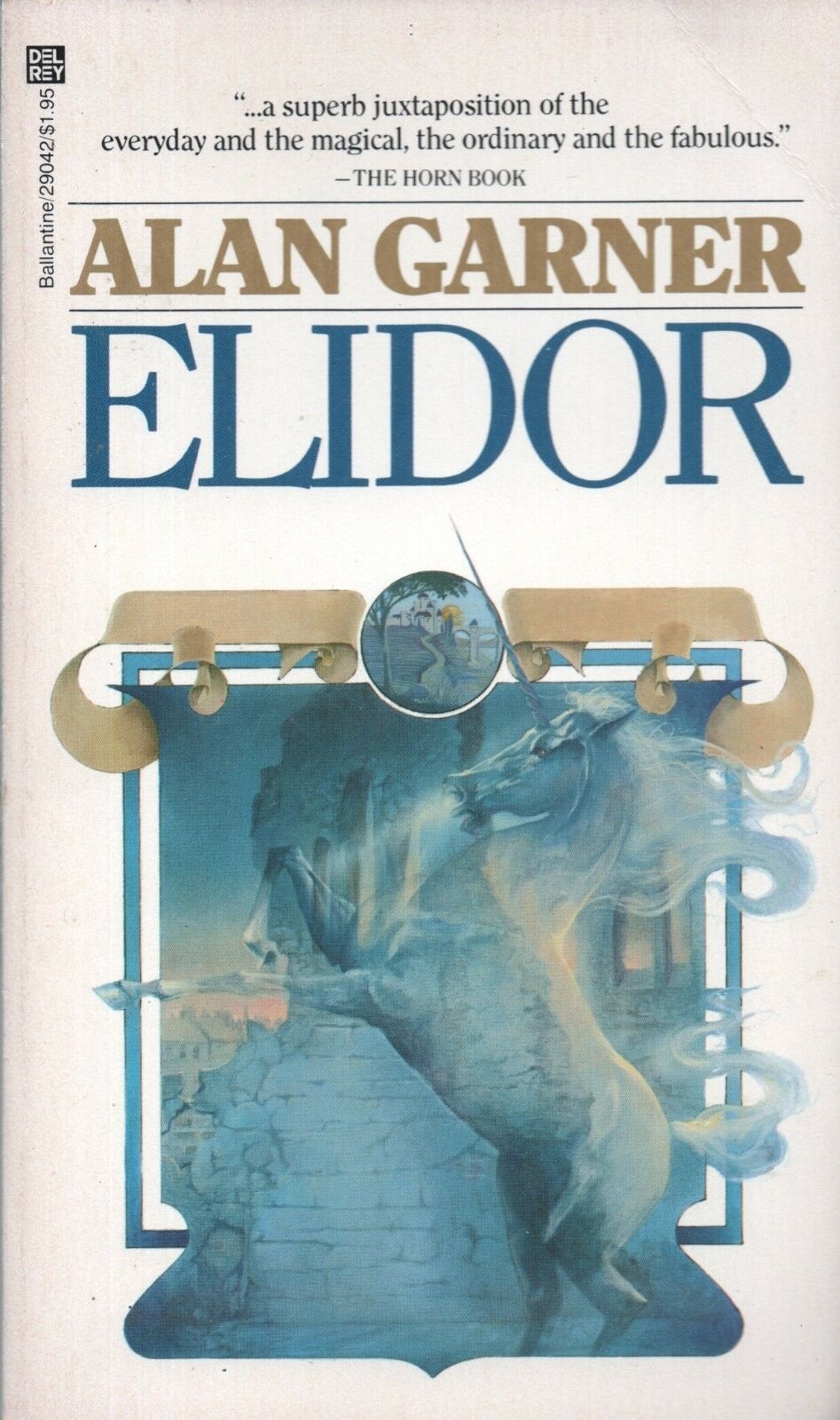
Elidor (Del Rey, July 1981). Cover by Laurence Schwinger
One of the best things about starting a book is that you can never be sure exactly how you’re going to respond to it, and those responses can range all the way from hurl the damned thing across the room hatred to toe-curling bliss, with all of a million subtle shadings in between. Every once in a while, though, a book breaks through even the upper ranges of enjoyment and appreciation and just absolutely knocks you flat, a reaction that’s especially powerful when you aren’t expecting it. That’s what happened to me when I reached onto the summer reading pile and came away with a book that I’ve probably had for twenty years or more without ever getting around to, Alan Garner’s 1965 fantasy novel, Elidor. It’s ostensibly a children’s book, but I’ve rarely had a more adult dose of fantasy.
Garner’s contributions to the genre have been few but intense, consisting of the Adderly Edge trilogy (The Weirdstone of Brisingamen, The Moon of Gomrath, and Boneyard), Elidor, The Owl Service, and (depending on your definition of the fantastic) Red Shift. The first of these books appeared in 1960 and the last in 1973. (The exception is Boneyard, which was published in 2012, almost fifty years after the second book in its group.) Since the mid-seventies, Garner has abandoned fantasy and devoted himself to essays, memoirs, and works based on English history or folklore. His fantastic fiction is a testament to the proposition that you don’t have to keep on doing something if you do it right the first time. (He has said that he resisted pressure to turn each book into a series because to crank out automatic sequels “would render sterile the existing work, the life that produced it, and bring about my artistic and spiritual death.”)
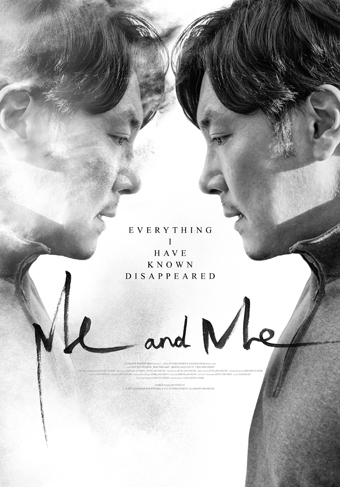 One of the genuinely wonderful things about covering a film festival is occasionally getting to be among the first audiences for a movie trying something new. That is, being an early viewer of a movie that does things unlike other movies, and getting to make one’s own mind up on whether those things work. Movies at a festival have often not had a critical consensus formed around them, and have not yet been defined by other writers or had their influences mapped out. You as the viewer are alone with the thing, almost contextless, in a way that’s rare these days.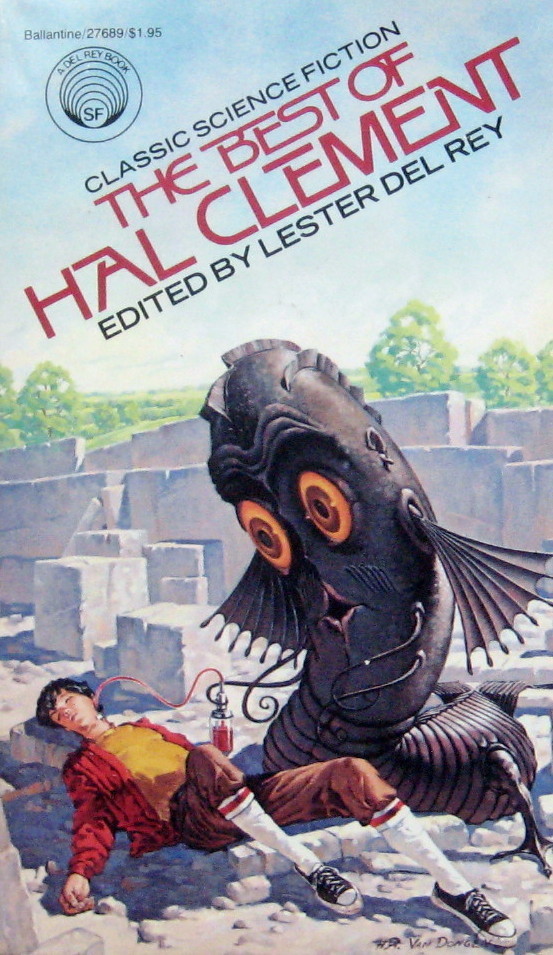
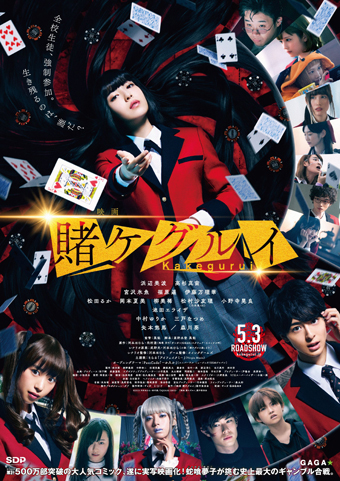 Consider if you will the high school story. By which I mean a story set at a high school, usually involving some members of the student body. It’s relatively unusual for these kinds of stories to be about actual academic achievement, or to put more than maybe one or two members of the faculty in the foreground. It happens, of course. But usually high school stories are about the students, and their lives and interactions, with classes and teachers and adults as external factors that can be used to shape the story but are ultimately incidental to it.
 Watching a film festival at home instead of in theatres raises a question that’s become a much-debated point over the last couple of years: is the experience of viewing a movie on a TV screen essentially different and essentially lesser than watching the same movie in a theatre? I don’t think there’s a single answer to this question. Different movies and different viewers and different circumstances will create better or worse scenarios. I think it is probably safe to say that the theatrical experience has much more sensory power; that the powerful sound system and the controlled environment and the full dark of a theatre will usually be more immediately overwhelming to a viewer. But it’s reasonable to wonder if a movie that relies on sheer sensory power can be called ‘a good movie.’
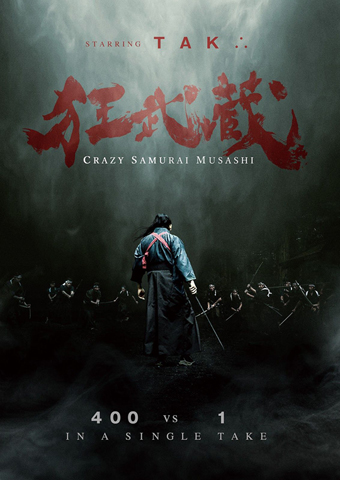 Miyamoto Musashi (1584-1645) was one of the greatest samurai and greatest swordfighters ever to live. By his own account, he fought over sixty duels and won all of them. Stories about Musashi have been told and retold over the centuries, notably including the great novel Musashi (1935-39) by Eiji Yoshikawa. Films about him have proliferated, the most famous likely being Hirohi Inagaki’s Samurai trilogy (1954-55) starring Toshiro Mifune as Musashi.