Future Treasures: After Sundown, edited by Mark Morris
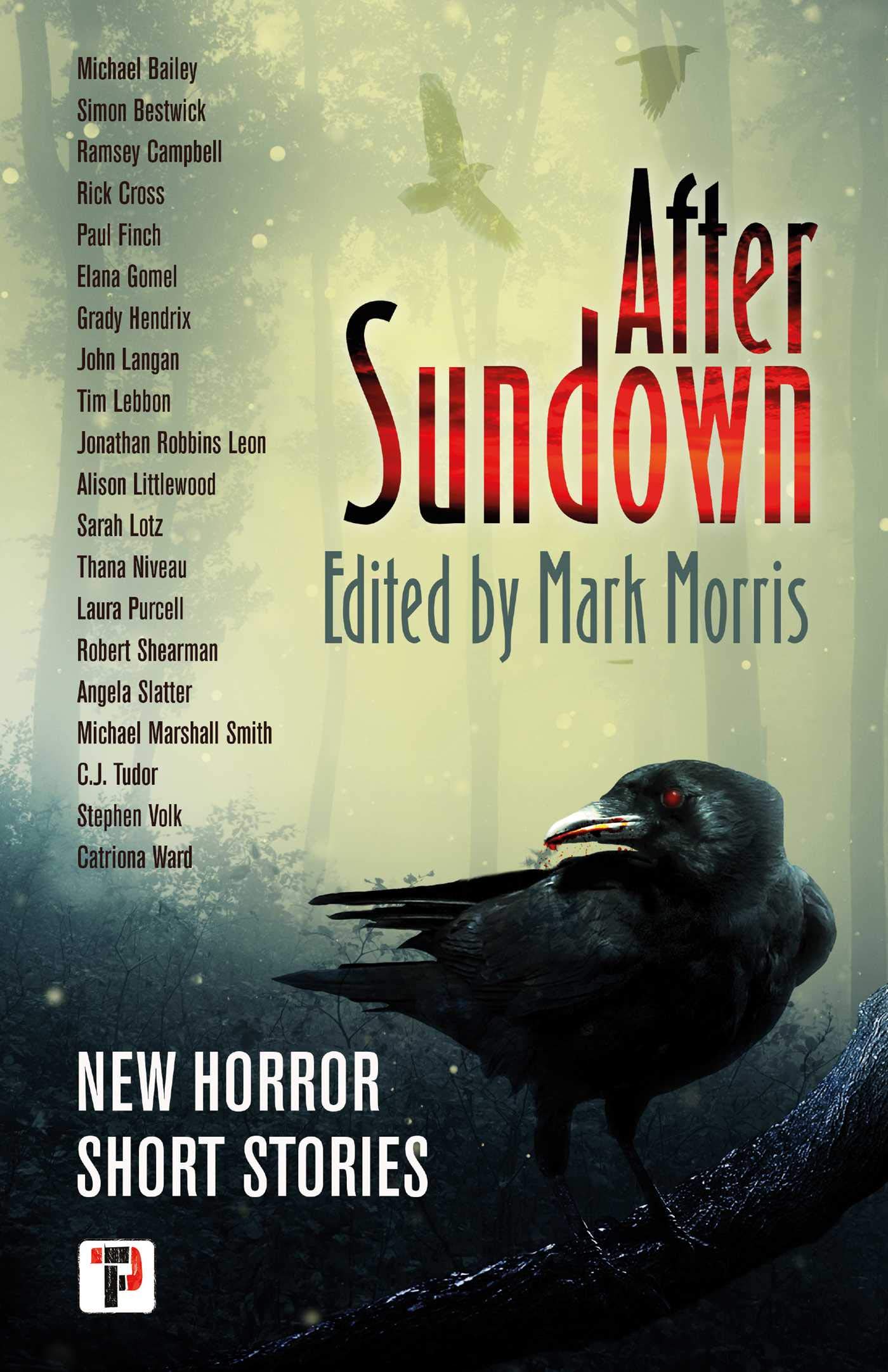 Mark Morris is known primarily as a British horror writer with over 20 novels under his belt, including Toady, The Immaculate, The Deluge, and the Obsidian Heart trilogy. More recently he’s earned a rep as a fine editor with two volumes of the New Fears anthology series from Titan.
His latest effort is After Sundown from Flame Tree Press, containing 20 original horror stories from some of the biggest names in the biz, including Ramsey Campbell, Tim Lebbon, John Langan, Robert Shearman, Alison Littlewood, Michael Marshall Smith, Paul Finch, Angela Slatter, Stephen Volk, and many others. Just as interesting to me are the four tales from brand new writers selected from an open submission window. Reviewer Stephen Bacon feels the same way I do:
This appears to be a great way of ensuring a decent standard whilst at the same time giving voice to emerging talent. It’s testament to the quality of the stories in that there’s no discernible difference between the pros and the lesser-known authors. Mark Morris has done a great job in putting together a fine selection.
There’s a refreshing lack of pretentiousness about these stories. The authors span several continents so there’s a decent array of themes and styles. Each tale had a very distinct voice, with a superb variety that perfectly illustrates what a broad church the genre covers. I had a blast reading this book. It really has reinvigorated my interest in the horror genre. Hopefully this will be the first in an ongoing annual publication from Flame Tree Press. And in that regard After Sundown is a great way to launch the series
After Sundown is in fact the first of what will hopefully be an annual, non-themed horror anthology of original horror. The first installment is already getting good notice from major review sites, including Publishers Weekly:
The strongest tales include “Swanskin” by Alison Littlewood, a breathtaking fairy tale about swans who transform into women, told from the viewpoint of a young boy; “Bokeh” by Thana Niveau, about a single mother who frets over her daughter’s violent and fantastical flights of fancy during playtime; and “A Hotel in Germany” by Catriona Ward, about the parasitic relationship between a movie star and her assistant.
Here’s the complete Table of Contents.
 Every story’s got a genre, even if the story’s the sole example of its genre, so by extension a lot of stories use genre conventions and trust that the audience will accept them even if they’re unlikely or unbelievable. Often the audience does, especially when the conventions are so common they don’t register as conventions. But a story usually works better the more it can justify its conventions. Especially when the justification, and the convention, work with the story’s theme.

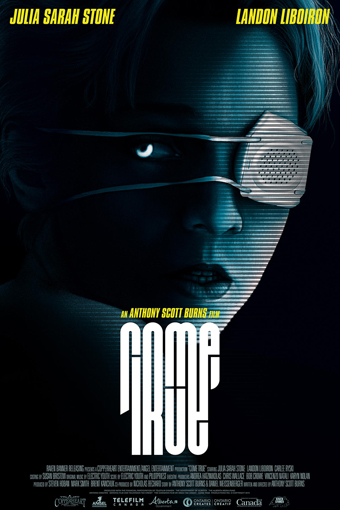 One of the crucial differences between the way a storyteller approaches the tale they’re telling and the way the audience experiences that tale is that the storyteller typically knows the ending in advance. If they don’t start with the ending and work to that, they’ve usually still worked out multiple drafts of the story, if only in their head. The audience, on the other hand, at least on their first experience of a story doesn’t get to the end until they’ve gone through the whole of the work leading there. Even if they’ve heard something of the ending, or guess at it, the body of the work is necessarily the main part of the experience. If you just get the ending, you haven’t really gotten the whole story.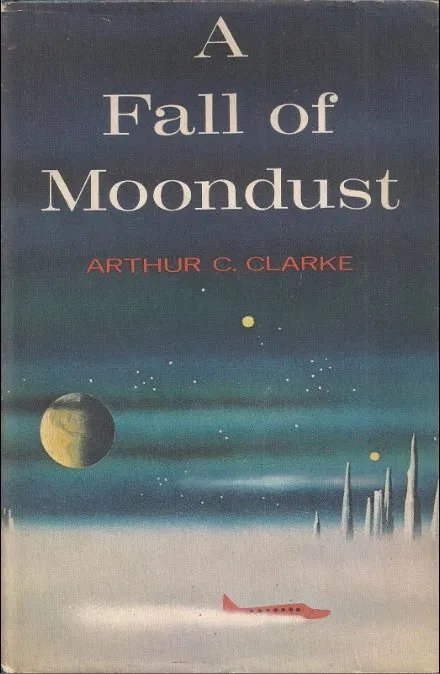
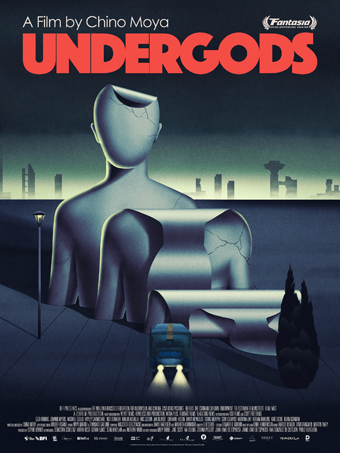 There is a certain tone I find in some works of science fiction, almost all from Europe, a ‘literary’ approach that uses science-fictional imagery with self-conscious irony in a way that at least approaches allegory and often satire. In prose I associate this approach with Lem and indeed Kafka; in film, with Tarkovsky’s science-fiction (adapting Lem and the Strugatskys) and Alphaville and On The Silver Globe. The focus in these works is less on world-building than on symbolism, and often on a narrative structure that layers stories within stories and plays with chronology. At their best, these tales emphasise the purely fantastic essence at the heart of science fiction: a type of wonder that uses a modern vocabulary.
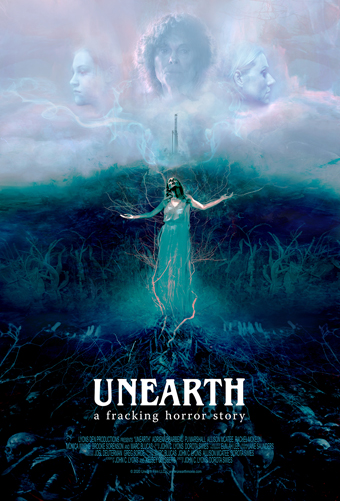 There’s an old line that says science fiction literalises metaphors. It’s a line that applies to fantasy and horror, too. It means that, for example, a realist book may say that somebody walking through their old house is haunted by memories like the ghosts of their past, while a horror story might have that person be actually haunted by an actual ghost representing that past. What is metaphor in one case is literal in the other. But still a metaphor, as well, still symbolising something more than itself. Part of the trick of writing stories of the fantastic is knowing how to handle the metaphorical and the literal — knowing exactly how literal to make the literalised metaphor, and how to explore what literalising the metaphor brings the story, and how to explore the metaphor as metaphor while keeping it a literal thing.