Goth Chick News: Fractured Fairytales – A Review of Isis by Douglas Clegg
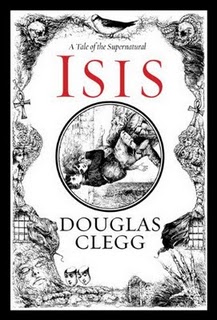 Don’t talk to a wolf in your Grandma’s nighty, don’t take an apple from a creepy old lady and when in doubt, trust the house mice.
These are the very important lessons taught to us by fairytales, normally animated by Walt Disney and all with happy endings. However, when you read Isis, you’ll learn one more bit of indispensable wisdom: sometimes dead is better, and knowledge can come too late for a happy ending.
This seems to be the year for returning to old-fashioned scares, the kind that get into your head, and Douglas Clegg has done a masterful job at taking the horror story back to the campfire, or in this case, the Victorian mansion. Isis is the story of what appears to be, on the surface, a perfect and wealthy 19th century British family complete with doting mother, war-hero father, and precocious but loving children tended to by domestic servants. Belerion Hall is not a frightening but instead postcard-like stone manor house surrounded by lush gardens in which Iris and her beloved brother Harvey pass enchanted, summer afternoons.
However, things are never quite as they appear.

 The Ship of Ishtar
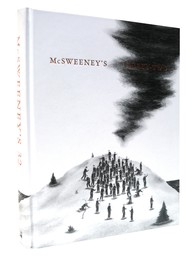 McSweeney’s is a quirky quarterly that breaks conventional publishing boundaries with each issue devoted to a unique theme, both in terms of editorial content and physical packaging. For
  In the age of fat fantasy series, doorstop thrillers, and historical epics it’s often impossible to find a short, satisfying read. Gone are the days of the 60,000 word science fiction novel, or even the novella doubles series Ace once put out. Long a standard of genre fiction — both the worlds of SF and of fantasy having a host of renowned novellas and short novels considered classics in their respective fields — these short, sharp stories are increasingly ignored for multi-book works of massive length. But, sometimes, it’s nice to get a book done in a day or two, it’s nice to explore an idea, premise, or setting without committing to dozens or hundreds of hours with it.
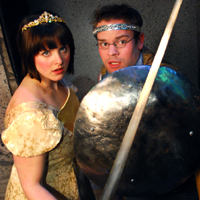 I don’t think I’ve gone to see a children’s play since my youngest brother was in a community church production of Grease. I’ve certainly never attended one with an eye out for analysis.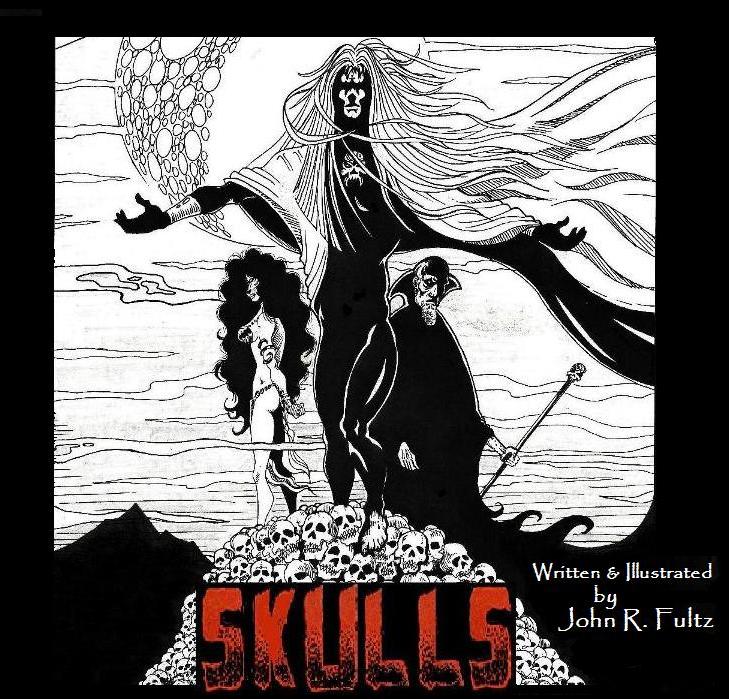
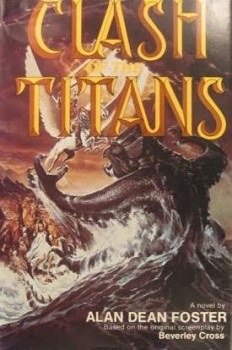 Update: Alan Dean Foster has generously provided some comments of his own about the novelization. Please see the comments section.