Robert E. Howard: The Sword Collector and His Poetry
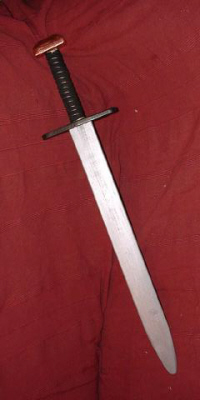
Battles were fought and won based on the strength and keenness of blades as well as the ability to use them effectively. Bob Howard was not only interested in the various types of swords, he was also fascinated with the history they represented. In his poetry and his stories, he uses his knowledge of weapons, historical people, places and events to give us vivid images of those ages.
In March 1933, Robert E. Howard wrote to H. P. Lovecraft about his interest in swords:
I envy you your access to the museums you mentioned. I’ve, naturally, never seen anything of the sort, though I remember some very good displays in the museums of New Orleans, especially Civil War relics. Weapons, especially edged weapons, axes, swords, and spears, hold my attention as nothing else can. Long ago I started collecting them, but found it a taste far too expensive for my means. I still have the things I did manage to get hold of – a few sabers, swords, bayonets and the like. (The Collected Letters of Robert E. Howard, v. 3, p. 31)
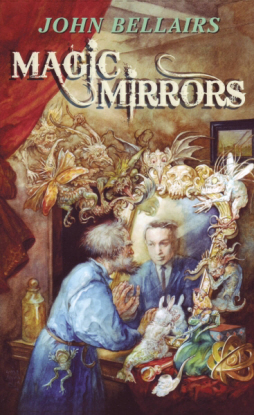 But Bellairs was more than that. He was also a first-class fantasist, whose one book for adults, The Face in the Frost, is something unique. Written before his tales for children, on its publication in 1969 it was described by Lin Carter as one of the three best fantasies to have appeared since The Lord of the Rings.
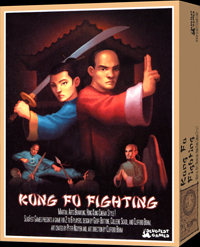 Now that Gen Con is done, it’s time to offer up some final thoughts, experiences, and, of course, games.
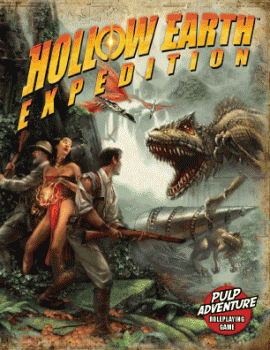 Pulp Adventure Roleplaying Games
 The lead story for the
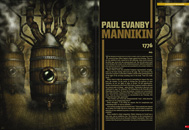 complete artwork comprising all the issues in 2010) is “Mannikin” by Paul Evanby. The story opens in July 1776, the date of American declared independence from British colonial rule (sidenote: the writer is Dutch and the magazine is published in the U.K.). But this isn’t about Ben Franklin or Thomas Jefferson, and doesn’t even take place in the colonies, but rather signifies the irony of a revolution that resulted in freedom for white Protestant male landowners who relied on the exploitation of African-American slaves to maintain economic autonomy.
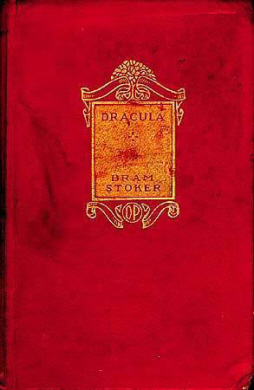 Most literary criticism of Bram Stoker’s Dracula is limited to treating the work as one of the more blatant examples of Victorian sexual repression. A few more adventurous critics are eager to play Freudian detective and speculate what the book reveals about the author’s possible sexual feelings for Sir Henry Irving or his alleged serial infidelity with East End prostitutes.
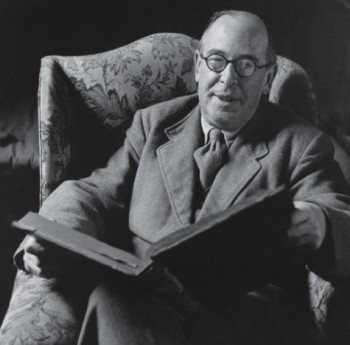 Though he’s best known as the author of the Chronicles of Narnia, C.S. Lewis (1898-1963) was also a prolific essayist and an ardent defender of fantasy literature. In addition to medieval studies (The Allegory of Love) and Christian apologetics (Mere Christianity), Lewis wrote several essays about the enduring appeal of
 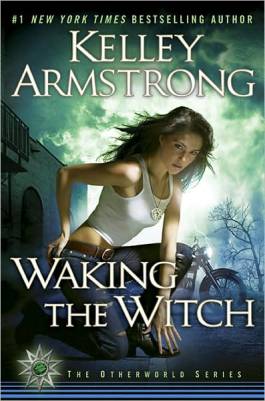 Fresh off my movie frenzy of the last few blog entries, I felt it was time to unplug for a least a week and pick up what looked like the most interesting of the new book releases to find their way first to the Black Gate front office, and then to the underground bunker of Goth Chick News.