Finding Deliverance in a dearth of heroic fantasy
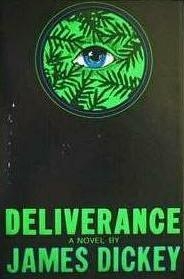 I lay with the flashlight still in one hand, and tried to shape the day. The river ran through it, but before we got back into the current other things were possible. What I thought about mainly was that I was in a place where none—or almost none—of my daily ways of living my life would work; there was not habit I could call on. Is this freedom? I wondered.
–James Dickey, Deliverance
So you’ve read yourself out of Robert E. Howard and Fritz Leiber, closed the cover on the latest Bernard Cornwell and Joe Abercrombie, and you’re looking for something new in heroic fiction. But you can’t seem to find what you’re looking for. Rather than slumming around in the dregs of the genre or reaching for The Sword of Shannara (with apologies to fans of Terry Brooks), my suggestion is to take a look at modern realistic adventure fiction and non-fiction.
I read heroic fiction for the action, the adventure, the storytelling, and the sense of palpable danger that real life (typically) doesn’t provide. Likewise, I find that works like The Call of the Wild and The Sea Wolf by Jack London, Alive by Piers Paul Read, and Into Thin Air by Jon Krakauer satisfy the same primal needs as the stories of an Edgar Rice Burroughs or David Gemmell. The best modern adventure fiction/non-fiction stories are bedfellows with heroic fiction: While they may not contain magic or monstrous beasts, they allow us to experience savagery and survival in the wild and walk the line of life and death.
My favorite work in this genre is Deliverance by James Dickey, and it’s to this book that I’d like to devote the remainder of this post.
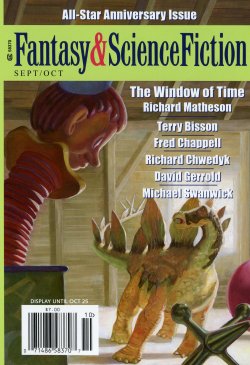 I love these big double issues of Fantasy & Science Fiction (and when did it drop “The Magazine of…” from its name on the cover? A quick look through the back issues I have handy shows it was at least a decade ago, maybe longer. Wow. Thank God my job does not rely on razor-honed powers of observation.)
 A few weeks back at the
 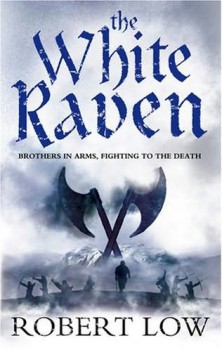 The White Raven
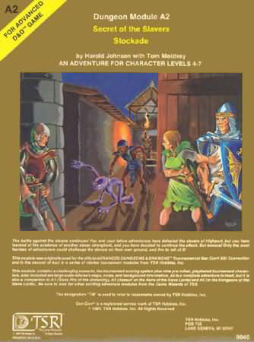 I’m a gamer, a lifer, someone who at the age of thirty-nine doesn’t get to roll dice like it did at nineteen, but I still take a week’s vacation every year to hang out with High School friends and revisit campaigns where characters have been on paper long enough to legally drink in the U.S.
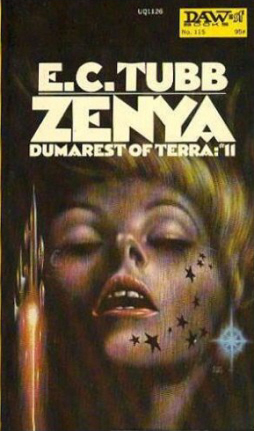 British science fiction author Edwin Charles (“E.C.”) Tubb died on September 10, 2010, at his home in London, England. He was 90 years old.
 Star Soldier by Vaughn Heppner, Book #1 of the Doom Star Series, has reached the Top of Amazon’s bestseller list for
 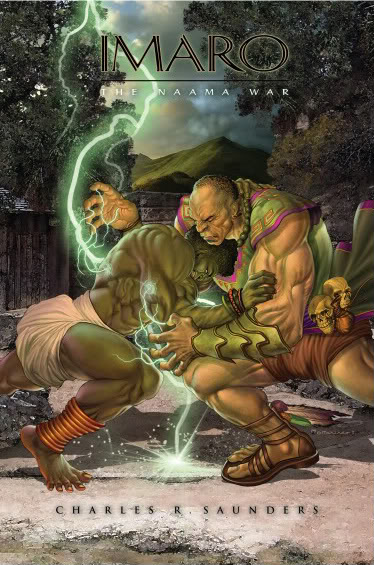 Imaro: The Naama War
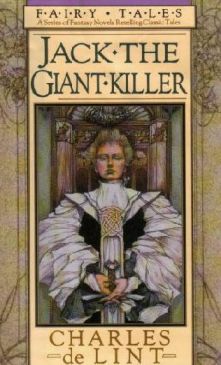 Jack the Giant Killer, by Charles de Lint
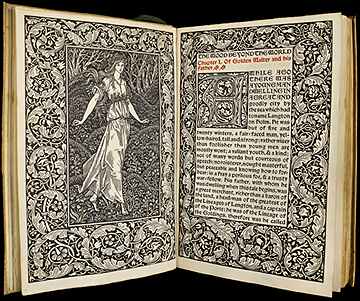 This is the third in a series of posts looking at the question of who wrote the first otherworld fantasy: that is, the first fantasy to be set entirely in its own fictional world, with no connection to conventional reality at all. It’s an innovation traditionally ascribed to William Morris, but I think I’ve found an earlier writer who deserves that honor.