Don’t Look Now, It’s the Birds: The Weird Tales of Daphne du Maurier
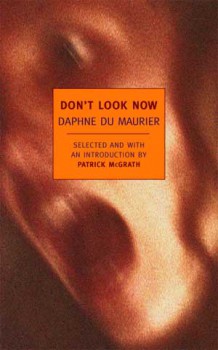 Don’t Look Now: Stories
By Daphne du Maurier, selected by Patrick McGrath
NYRB Classics (368 pages, $15.95, October 2008)
I have recently started an immersive journey through Cornwall, although not of the physical variety, since economically I don’t have the luxury of taking myself there. After a few years of vague fascination with the tip of the southwestern peninsula of Great Britain, which reaches out into the Atlantic to terminate in the pincer claw of Lizard Point and the Penwith Peninsula, I started to do harder research into its history and customs that separate it in weird and wonderful ways from the rest of the island that lays east of the river Tamar. My reason for this intensification of interest is, of course, for writing purposes. And if anyone wants to make a journey into Cornwall that involves fiction, he or she will have to spend some quality time with the Grand Dame of the land of tinners and smugglers, Daphne du Maurier.
Du Maurier (1907–1989) achieved enormous success as an author of twentieth century popular literature. On first publication, most of her novels received dismissive critical notices as “romantic thrillers for women,” while they ran through printing after printing to satisfy public demand. However, du Maurier’s novels have managed to escape the dustbin of most bestsellers of yesteryear and they remain in print and popular as ever today. Critical opinion has also turned around, and the author is now respected as an excellent wordsmith and crafter of plots, a literary descendant of Wilkie Collins, and as the twentieth century “voice” of Cornwall.
Most of du Maurier’s novels are historicals with emphasis on romantic suspense and Cornish settings: Jamaica Inn (1936), Frenchman’s Creek (1942), and The King’s General (1946). Her most famous work is Rebecca (1938), a contemporary-set Gothic masterpiece about an unnamed woman who marries into a sinister legacy in a mansion perched on the cliffs of what must be—although never stated as such—the jagged coast of north Cornwall. Rebecca’s reputation was furthered immortalized in the 1940 film version that brought Alfred Hitchcock from the U.K. to Hollywood for the first time and set the standard for the “creepy maid” figure in Judith Anderson’s Oscar-winning performance as Mrs. Danvers.
But du Maurier had an impact on the “weird tale” as well in her short stories, where she explored supernatural and perverse aspects that are only shadows on the Gothic fringes of her novels. Two of them, “The Birds” and “Don’t Look Now,” are classics of supernatural horror that have also received the compliment of popular film adaptations, although du Maurier expressed dislike for Hitchcock’s movie The Birds.
 Another year’s drawing to a close, and with it the first full decade of the twenty-first century. It’s a time for looking back, for thinking over what’s happened and what’s going on, in fantasy fiction and elsewhere. I don’t pretend to be in a position to make any worthwhile assessment of fantasy as a whole; but I do want to write about a change that seems to be in process right now. I think it’s a positive change, and potentially a radical one. And I can remember the moment I realised it was happening.
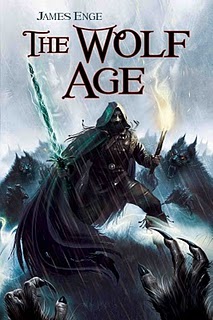 The Wolf Age, by James Enge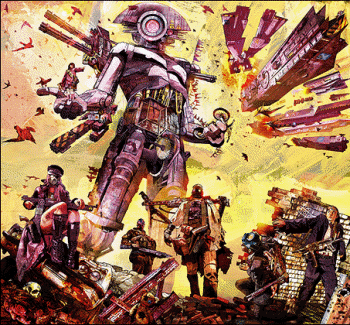
 Fraser-Coombe; the combined pieces of the six issues this past year form a complete work called “Playground (Hide and Seek).”
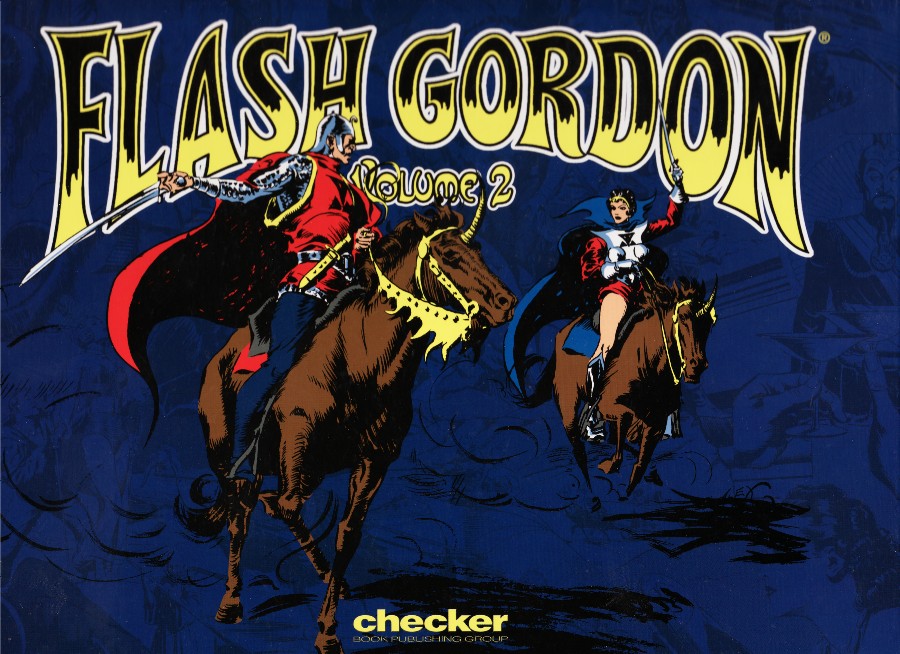
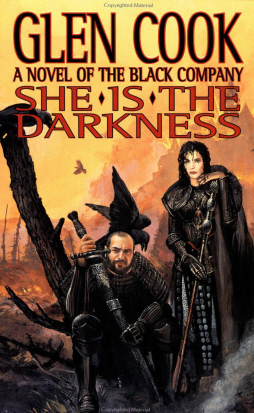
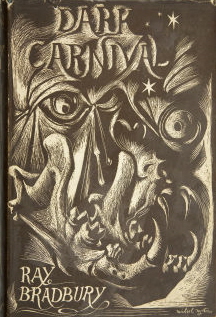 Some of the titles of interest to fantasy fans on the list include:
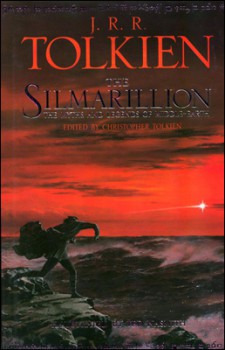 For my final post of 2010 I thought I would revisit something from my days as a writer for the now-defunct Cimmerian blog: