Let’s Play White by Chesya Burke
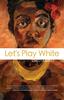 Chesya Burke’s new short story collection newly out from Apex Publications provides a take on the horrific and strange from, as you might expect from the title, an African-American perspective. The title comes from the opening story, “Walter and the Three-Legged King,” in which the down on his luck protagonist is advised by a talking rat, one that he’s maimed by tearing off its leg, that “let’s play white” is the only way for him to get a job and avoid getting thrown out of his apartment. The notion that you have to “play the game” in a job interview is hardly the province of any particular race, however; moreover, the no-doubt low paying job of doorman the protagonist hopes to land might actually have less to do with “playing white” than “playing subservient,” which is why ethnic minorities probably hold a larger percentage of these kinds of positions.
Of course, sf and fantasy have been a natural home for ethnic writers to explore the state of “otherness” in which alien creatures and societies symbolize the psychology of oppressed racial and sexual minorities. Burke’s stories are more grounded in the everyday realities of the disenfranchised, realities that are disrupted by cultural myths such as the actually benevolent but of course misunderstood village witch (“The Teachings and Redepmtion of Ms. Fannie Lou Mason”), zombies (“Cue Change”) voodoo (“Chocolate Park”), diviner-healers (“The Unremembered” and “The Light of Cree”) and the evil eye (“I Make People Do Bad Things”). Some of the scariest, however, are the most realistic.
 I recently caught up with Paizo’s James Sutter for a conversation about his work heading up Pathfinder’s new fiction line, as well as his own writing and influences. In part one of our conversation James tells us about his new novel for Pathfinder,
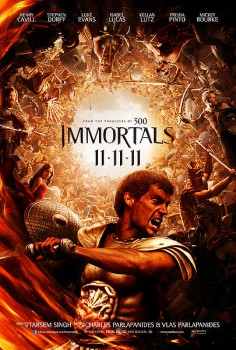 Immortals (2011)
 Young adult fiction has a lot going for it in recent years. In the wake of the Harry Potter craze, there’s an entire generation of young people who have grown up with the understanding that reading is a cool way to spend your time and entertain yourself.
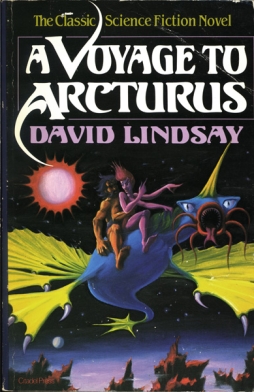 Writing about Romanticism has gotten me started thinking about forms, and conventions, and how we read a story. To some extent I’ve come to feel that contemporary ways of reacting to narrative are more classical than romantic; they’re more to do with structure and form than with trusting the individual genius. It seems to me that many readers, and critics, have become used to looking for certain things in a story, and have come to think of stories that function in a different manner as necessarily defective rather than distinct. And I feel this is a pity, since if we can’t accept the strange works of genius that succeed in defiance of everything we think we know about storytelling, then our experience of story becomes diminished.