Cynthia Ward Reviews The Gods of Opar
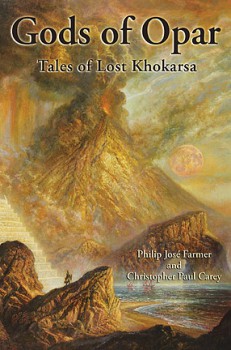 Gods of Opar: Tales of Lost Khokarsa
Philip José Farmer & Christopher Paul Carey
Subterranean Press (576 pp, $65.00 Limited Edition Hardcover, $45.00 Trade Edition Hardcover)
Reviewed by Cynthia Ward
Once upon a time, in a lost civilization known as West Germany, the Kreuzberg Kaserne U.S. Army Base let fifth graders leave school grounds at lunchtime. Every week, I crossed the street to the little base bookstore. In the late winter of 1972, I bought the first DC Comics issue (#207) of “Tarzan of the Apes” because I wanted to learn how the heck a human being ended up living with apes. When the writer/artist, the late, much-lamented Joe Kubert, ended his adaptation with Edgar Rice Burroughs’s original cliffhanger, I read Burroughs’s sequel, The Return of Tarzan, to finish the origin story. Then I found myself devouring every other Burroughs book reprinted in the early 1970s.
I couldn’t have been the decade’s only new Burroughs fan, because by the mid-1970s, his estate had authorized two different Tarzan-related series by other authors: the Bunduki novels by J.T. Edson and the Ancient Opar novels by Philip José Farmer. Both series produced a novel or two and then, as far as I knew, ended. The tie-in titles went out of print, their copyright was probably owned or controlled by the Burroughs estate, and Philip José Farmer died in 2009. I figured none of these books would ever see another reprint.
I figured wrong, because Subterranean Press has just released Gods of Opar: Tales of Lost Khokarsa, which is an omnibus of the two Ancient Opar novels by Philip José Farmer – Hadon of Ancient Opar (1974) and Flight to Opar (1976) – together with a third, new novel in the series, The Song of Kwasin, by Philip José Farmer and Christopher Paul Carey (Black Gate recently ran essays from Carey about the history of his remarkable collaboration with Farmer, and his discussion of Farmer’s ambitious creation, the lost civilization of Khokarsa.)


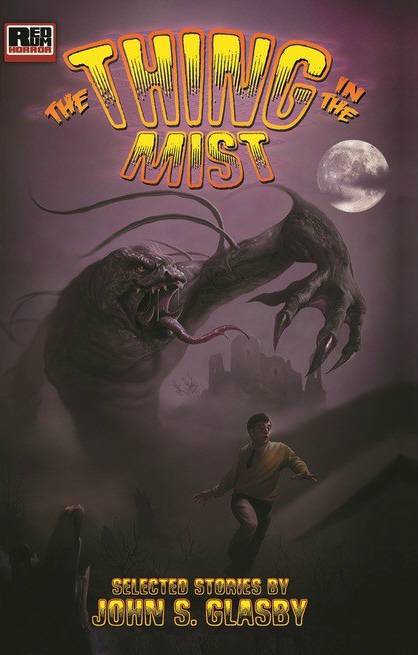
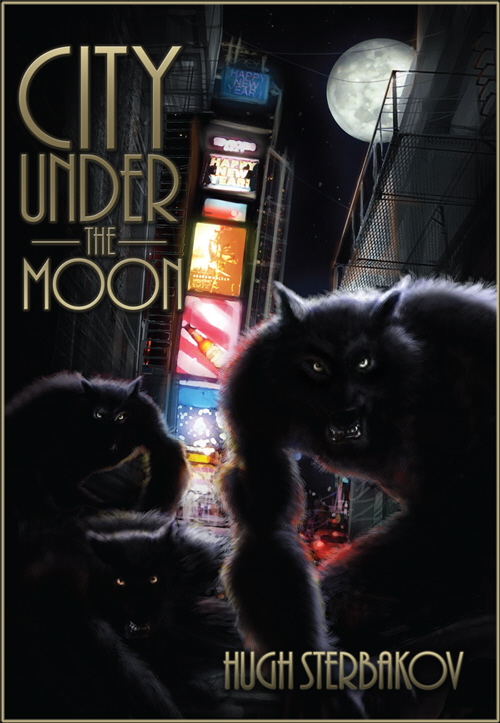
 Pssst. Hey, buddy. Yeah, you. Come over here a sec. Listen. Did you know that by virtue of reading this, by virtue of even cruising this site, you live in a ghetto?
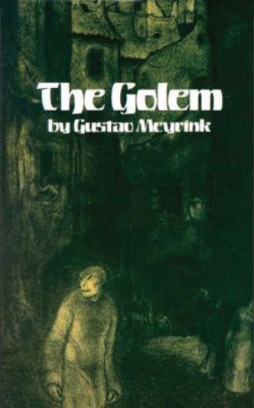 The first thing I feel I have to say about Gustav Meyrink’s novel, The Golem, is that it’s intensely, thrillingly strange. Dreamlike, elliptical, informed by theosophical and occult symbols, it wrong-foots you; nothing in it develops the way you’d expect, not in terms of character or plot or imagery. And yet that strangeness feels almost like a side-effect, a byproduct of its insistence on its themes, on its vision, on its focus on the reality of Prague and on whatever it is that lies beyond that reality. Perhaps the strangest thing about the book, published in installments in 1913 and 14 and published as a whole in 1915, was that this odd esoteric horror story was also tremendously popular in its day.