Fools in the Hotzone: Saruman as the Bold but Incompetent Firefighter
 Every year the Man sends me to Hazardous Waste Operations and Emergency Response class. These HAZWOPER classes are almost always taught by firefighters because they routinely deal with emergency responses to hazardous materials.
Over the years, I’ve noticed a trend in the way they teach the course — that most of the examples of what not to do when knee-deep in an emergency dealing with hazardous materials comes from the hard lessons of other firefighters. More specifically, they come from the gung-ho firefighters who charge into a dangerous situation, make said situation worse, and other firefighters have to spend time and energy rescuing them instead of dealing with the main problem.
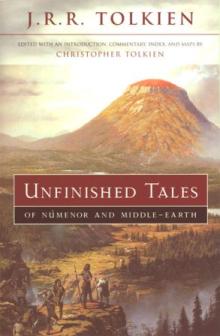
Because I’m a nerd, and I’ve taken this class a lot over the years and my mind wanders, I immediately saw a parallel to the wizards of JRR Tolkien’s Middle-Earth.
Background? Surely:
So at the end of the Second Age, Sauron has completely corrupted the men of Númenor, causing their destruction and his own. Because you can’t keep a good Miaiar down, and especially an extremely bad one like Sauron, he’ll be back. Which is why the Valar of the Utermost West decided to select three of their number to go to middle earth and “deal” with the problem of Sauron’s inevitable return.
From The Return of the King:
They came therefore in the shape of Men, though they were never young and aged only slowly, and they had many powers of mind and hand. The two highest of this order (of whom it is said there were five) were called by the Eldar (elves) Curunir ‘the Man of Skill’, and Mithrandir, ‘the Grey Pilgrim’, but by Men in the North Saruman and Gandalf.
Notice how the original number of three swelled to five? That’s what happens when divine beings make decisions by committee. However, the details of those proceedings are important — nay crucial — in understanding Saruman’s supreme arrogance and the depth of his magnificent solution to the Sauron problem.
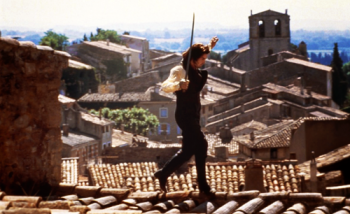 I didn’t know it at the time, but back when I was ten and surfing through horrendous Tarzan movies on rainy Saturday afternoons, The Horseman On the Roof (Le Hussard Sure le Toit, 1995) was the film I was actually hoping to see. Not that I would have understood much of what was going on, but the kinetic energy of it –– the film’s unswerving certainty that these events matter –– would have transported me right out of my seat.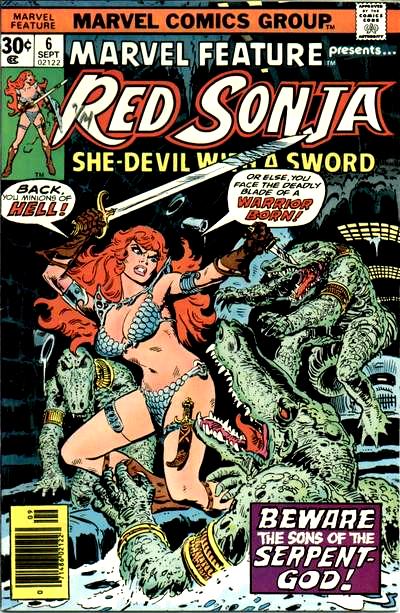
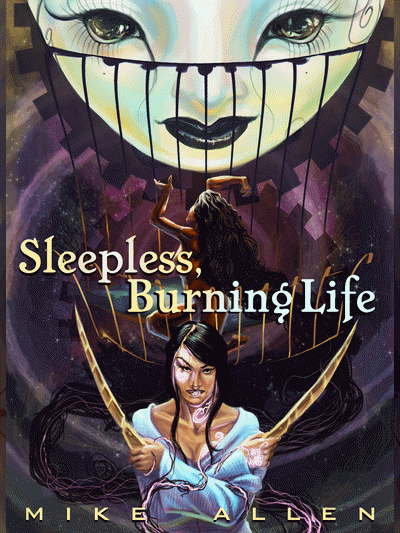
 Once upon a time, I had the crazy idea that if a book was good, it would stay in print. I also figured that a “best-of” volume would probably have all the good stories from an author, and I was actually naive enough to think that if a work by a favorite author was out of print, it probably wasn’t as good as the work that was still on shelves.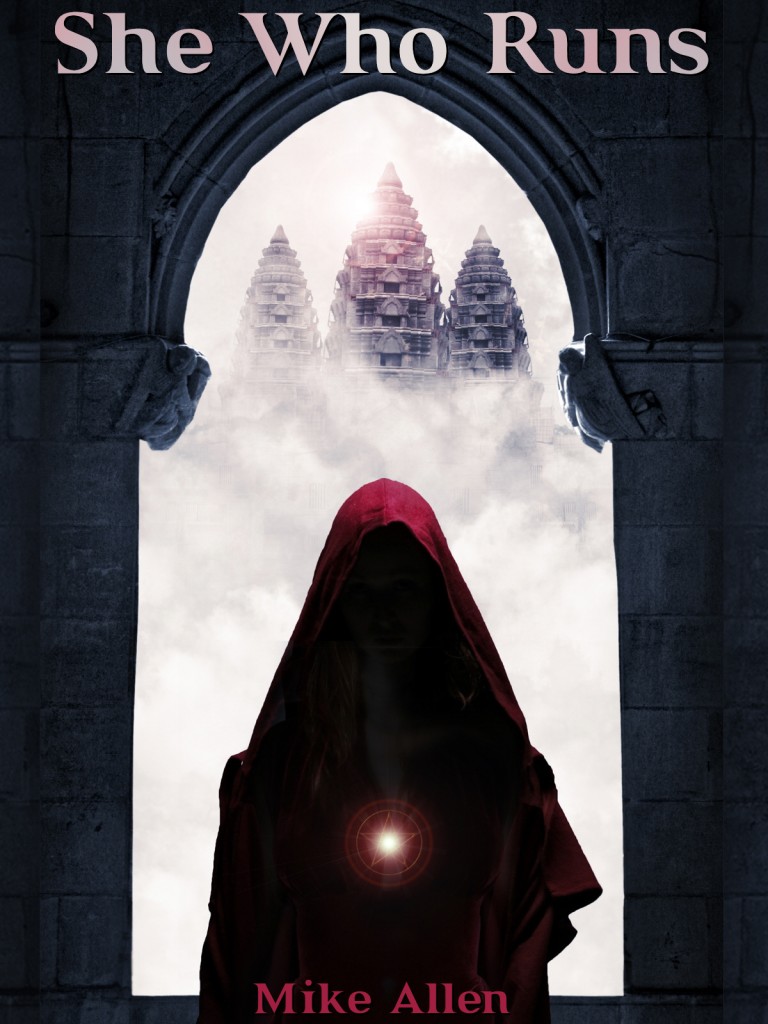
 There’s an amazing Kickstarter running at the moment. If you’re a fan of world-building, if you want to check out a world that’s been built over more than 40 years of group endeavour, with deep myths, histories, and cultures, one of the most compelling worlds in fantasy and certainly in fantasy roleplaying, you may want to
  Glorantha owes a lot to Joseph Campbell, too. The “hero path” is an integral part of the world – how its inhabitants relate to the very real (and often mercurial) gods which surround them, and how heroes can penetrate the timeless realms of the gods and return with treasures physical and mystical. If, like me, you’re interested in the transcendent aspects of the stories we tell one another, Glorantha is a compelling world.
 Over the past few years, Jeff Richard has been working on a book which looks like it will set a new standard in RPG supplements – a guide to the whole world of Glorantha itself. It’s a massive undertaking – an encyclopaedic opus detailing the places and cultures of a whole fantasy world, in exquisite detail. It’s been attempted twice before – once in the 1980s and once a decade ago – but in relatively abbreviated form. The new Guide to Glorantha is anything but abbreviated: it comes in at a whopping 400 pages of 10″ x 12″ book, detailing the geography, history, and cosmology of Glorantha, its cultures and races, as well as two continents, two subcontinents, and multiple archipelagos, plus a massive atlas filled with highly detailed and gorgeous maps – over 64 pages worth at the last count. The Guide to Glorantha is system agnostic – it doesn’t contain any games mechanics content, it’s pure setting detail, so you can use it with any game ruleset, or just read it for the pure pleasure of it. The Kickstarter has been running for a little over a week, and already has blown through its initial target. As a result, the initial scope of the project has expanded hugely, so that we’re now getting more regions detailed, more maps added, and an entire new “Companion” to the guide detailing things like the geography of the mythic regions of Glorantha, plus monographs by key industry writers. For those of us who’ve been playing quests into the realms of myth, this is nothing short of breathtaking in its ambition.