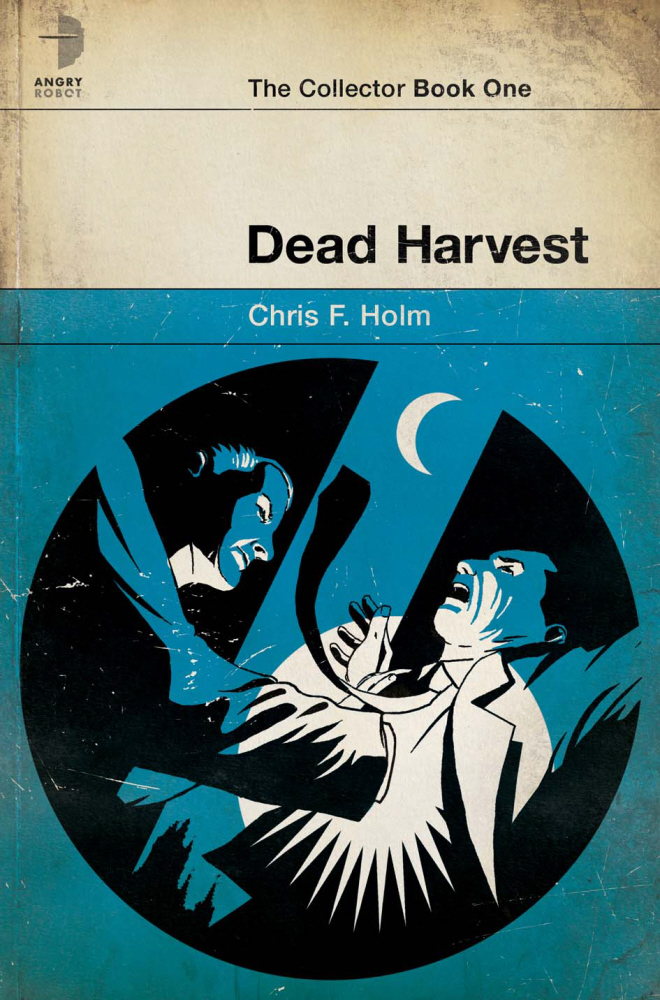
Review of K. Bird Lincoln’s Tiger Lily

About a month and a half ago on this blog, I solicited submissions of self-published novels for review. I know firsthand how difficult it is to sell fiction on your own, so I wanted to give some attention to books that are often underappreciated, both by the industry and by readers. I received more than a few submissions–not so many that I was completely swamped, thankfully, but enough that I had to sort through the entries and decide on the one that I thought was most promising. That one was Tiger Lily by K. Bird Lincoln.
I selected this novel because the sample chapter was well-written and the premise was unique and intriguing. However, I was going out of my comfort zone in choosing it. Tiger Lily could be best described as a fantasy historical romance taking place in feudal Japan. I’ll readily admit that that is not my normal reading material. Since I am not as familiar with this subgenre, it’s quite possible that common and accepted tropes of it struck me the wrong way, and that I completely missed things that would bother the normal audience. So in this review, I’ll just point out what worked for me and what didn’t, and those with more familiarity with the subgenre can take what I say with a grain of salt.
The title, Tiger Lily, refers to the main character, Lily-of-the-Valley, who was born in the year of the Tiger, which she blames or credits for every stubborn and rebellious decision she makes. She’s unmarriageable, she’s a failure as a dutiful daughter, and worst of all, she keeps the old ways of Jindo, rather than the new Buddhist religion embraced by the Emperor. The author admits that she sharpened the conflict between Buddhism and Jindo in the novel, as compared to the historical competition between the two faiths in Japan. Though it may be more fantasy than history, this conflict is effective as the driving force in the novel. It’s the main motivation for Lily to keep her connection to the spirits, or kami, hidden, and is the ultimate reason behind the war she finds herself embroiled in, between the Buddhist Emperor and the Jindo-following rebels.
At the beginning of the novel, Lily doesn’t consider herself a follower of Jindo so much as of her vanished mother, who was a true practitioner. She merely enjoys walking alone in the forest, singing the forbidden songs that her mother taught her. Until one day she runs into the local lord’s son, Prince Ashikaga, injured in the forest, and she must protect him from the fox spirit rebels. Her songs are what allow the prince to fight and defeat the rebels in the early skirmishes. Soon she’s swept up in the war against the Jindo rebels, where the prince sees her as the key to success, and maybe as something more. But as they become closer, she learns that the prince has his own secrets. I won’t reveal that here, but if you know that he has a secret (which the book description tells you straight out), it’s fairly obvious what it is.

 This is a very brief interview – I’ll be doing a longer one with Ellen in the next few months. I wanted to catch up with her, though, about her
  When we finally reached “The Tale of Beren and Luthien,” my
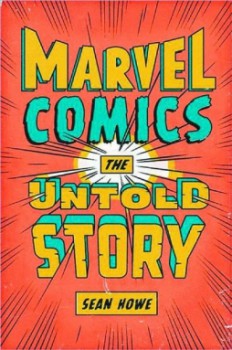 Early on in Sean Howe’s book-length history Marvel Comics: The Untold Story, the reader’s imagination is spurred by a throwaway anecdote: in 1937, New York magazine publisher Martin Goodman and his wife planned to return from a trip to Europe aboard the Hindenburg — on what would turn out to be the final tragic flight of the German dirigible, which ended with a terrifying aerial explosion and fire that led to the deaths of 36 people. Goodman, as it happened, was too late to get tickets and took a plane instead. You can’t help but wonder, though. What if he’d died then, before he’d expanded his magazine line to include comics? Before he’d hired his nephew Stanley to work in the office and do fill-in bits of writing? What if Marvel Comics, the subject of Howe’s book, had been stillborn? What would have been different in the development of comics, of popular culture, of the North American imagination? Maybe everything. Maybe nothing.