Blogging Sax Rohmer’s The Bride of Fu Manchu, Part One
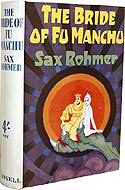
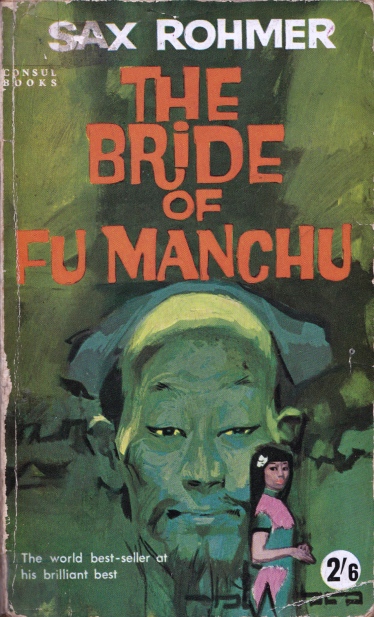 Sax Rohmer’s The Bride of Fu Manchu was originally serialized in Collier’s from May 6 to July 8, 1933 under the variant title, Fu Manchu’s Bride. It was published in book form later that year by Cassell in the UK and Doubleday in the US. The US edition retained the original magazine title until the 1960s, when the UK book title was adopted for the paperback edition published by Pyramid Books. Under any title, it is without a doubt the finest book of the series in terms of prose and plotting.
The Bride of Fu Manchu introduces readers to a new narrator/hero in the form of the young botanist, Dr. Alan Sterling. As the book opens, Sterling is in France along with Dr. Petrie. They have both been called in to investigate a strange new epidemic that has stricken the Riviera.
Sterling comes ashore on Ste. Claire and discovers a beautiful girl on an otherwise deserted beach. The introductory scene is a long and evocative one and will be instantly familiar to James Bond fans as a clear influence on Ian Fleming. The girl is called Fleurette and likens herself to the goddess, Derceto. She is the property of the mysterious Mahdi Bey, who owns the great house on Ste. Claire. A strange sonic trumpet sounds and Fleurette rushes back to her master’s home, leaving Sterling both smitten and frustrated by their brief but tantalizing encounter.
 I’m secretly haunting an 8th grade English class at Hammarskjold Middle School. I tutor some students who are in the same class, so I get to see their teacher’s assignments, comments on student writing, and most recently, study guides for midterm exams. I glimpse the teacher through the fog of my physical absence from the classroom–I even forget from week to week whether the teacher is a man or a woman–but traces of my spectral influence may be detectable in my students’ work.
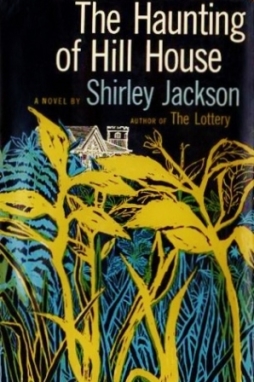 Different people have different explanations for why horror fiction exists, and why it’s worthwhile. It’s always seemed to me that, whatever else it does, good horror writing expresses some kind of fear or terror that is both deep and common. Insofar as the fear’s deep, the horror story touches a profound well of emotion, as good fiction usually does; insofar as it’s common the story links readers together and reminds us that we share the same dreads. So at its best, horror fiction is empathic and profound.