Browsed by
Category: Series Fantasy

The Future of Fantasy: May New Releases

The Future of Fantasy: May New Releases

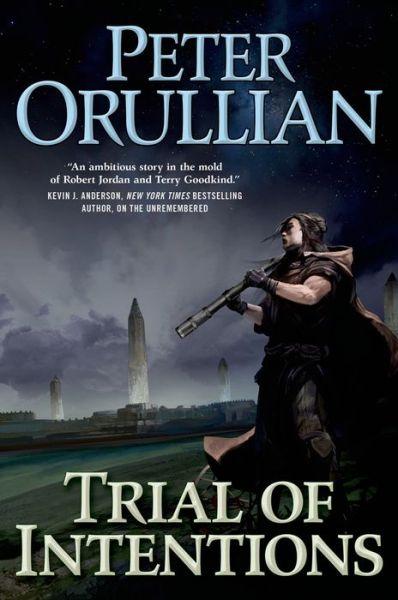
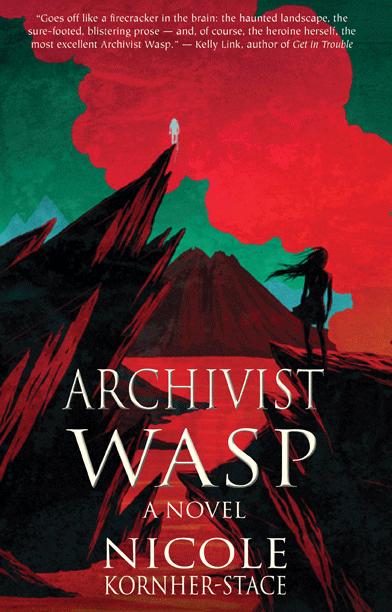
Trial of Intentions-small The Venusian Gambit-small Archivist Wasp-small

May, why do you do this to me? There are so many dynamite new fantasy books hitting the stands, I scarcely know where to look. And I have absolutely no idea where I’ll find the have time to read any of them.

Well, I’ll worry about that later. The task at hand is to introduce you to the 30 most intriguing fantasy titles released this month. And trust me, I had a heck of a time whittling it down to 30. Time’s a wasting, so let’s get started.

Read More Read More
Rich Horton on The Breaker Queen by C.S.E. Cooney

Rich Horton on The Breaker Queen by C.S.E. Cooney

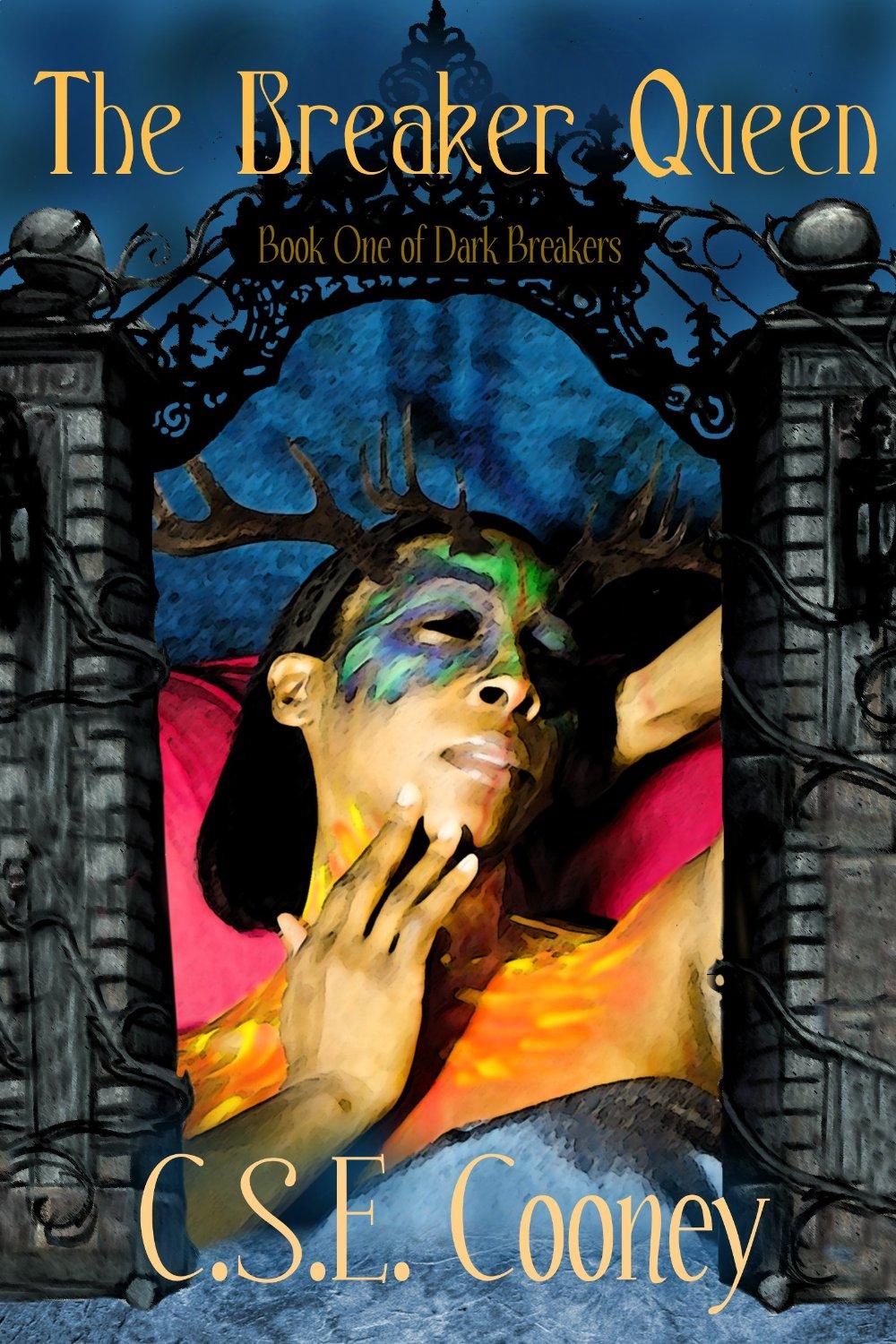
The Breaker Queen-smallNot so very long ago, I finished all my tasks for the evening and kicked back in my big green chair with the latest issue of Locus, the news magazine of the SF & fantasy field. In Rich Horton’s short fiction column I found a pair of reviews of The Breaker Queen and The Two Paupers, the first two novellas in a new romantic fantasy series from our very own C.S.E. Cooney. Here’s what he said about the first one:

I’m a big fan of of C.S.E. Cooney’s work, so I’m very happy to point to two new, related, stories, available in electronic form from Fairchild Books. The Breaker Queen concerns Eliot Howell, a talented young painter, who has been invited to a party at Breaker House. He feels immediately out of place — the family is very rich and very privileged — and the friend who invited him is being unpleasant, but then he meets one of the maids and is instantly enchanted. For Breaker House exists in three worlds: the world of humans, the world of goblins, and Valwode, where Elliot’s maid Nyx is Queen. Elliot, even when made aware of the price one pays to visit Valwode, follows Nyx into her land, while she, simply desiring a dalliance with a mortal, finds that she may pay a price herself. It’s lovely and romantic, dark and sweet, erotic and thrilling.

The Breaker Queen is Book One of Dark Breakers. The second, The Two Paupers, was published on January 22, 2015. The pub date for the third has not yet been announced — but when it is, we’ll let you know all the details.

C.S.E. Cooney is a podcast reader for Uncanny Magazine; Mark Rigney interviewed her for us in late October. The two C.S.E. Cooney short stories we presented here, “Godmother Lizard” and “Life on the Sun,” consistently rank among the most popular pieces we’ve ever published. She is a past website editor of Black Gate, and the author of How to Flirt in Faerieland and Other Wild Rhymes and Jack o’ the Hills. Her newest collection, Bone Swans, is due out this summer.

The Breaker Queen was published by Fairchild Books on October 13, 2014. It is 80 pages, priced at $2.99 for the digital edition. No word on a print edition yet.

Vintage Treasures: The Last T’En Trilogy by Cory Daniells

Vintage Treasures: The Last T’En Trilogy by Cory Daniells

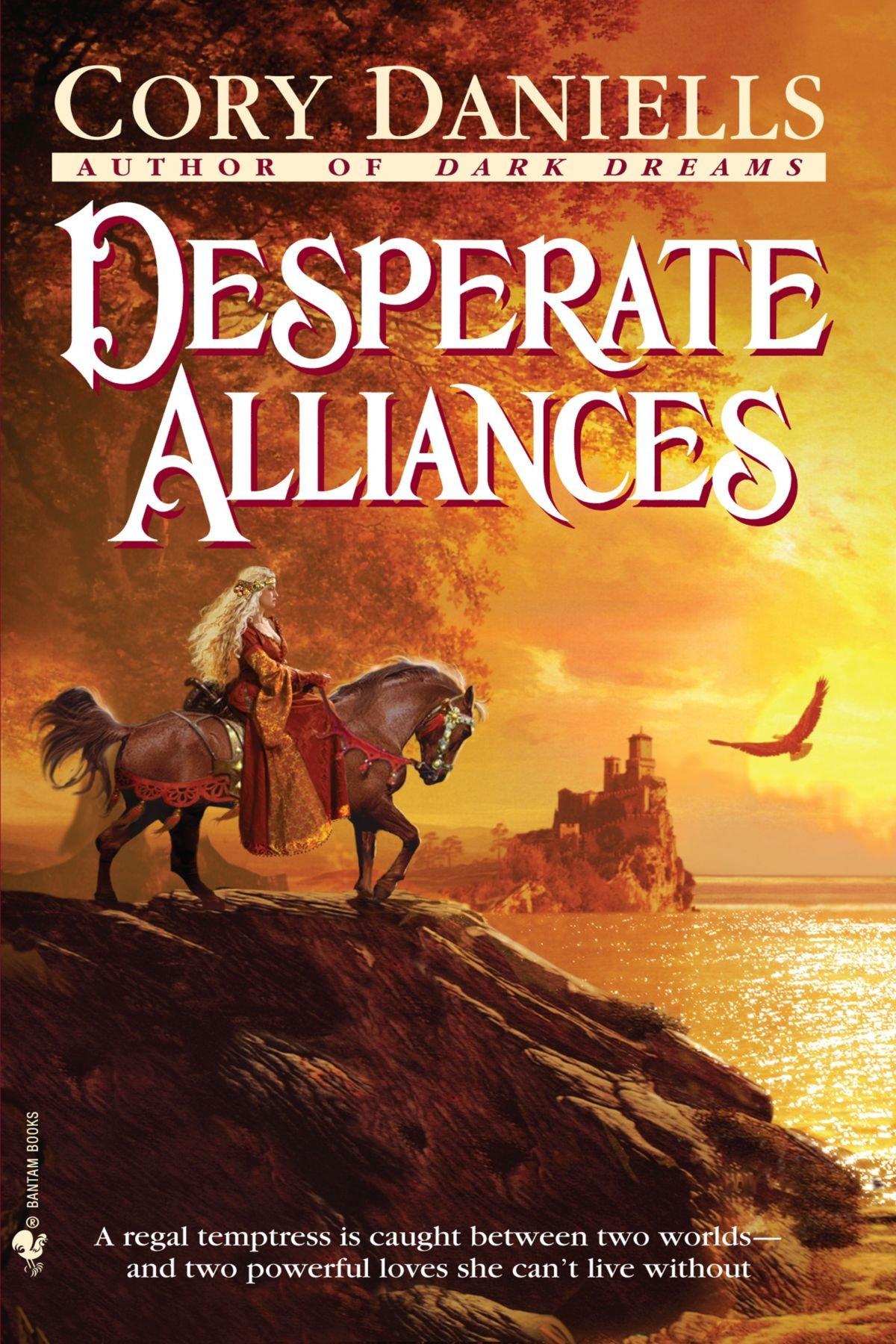
Broken Vows Cory Daniells-small Dark Dreams Cory Daniells Desperate Alliances Cory Daniells-small
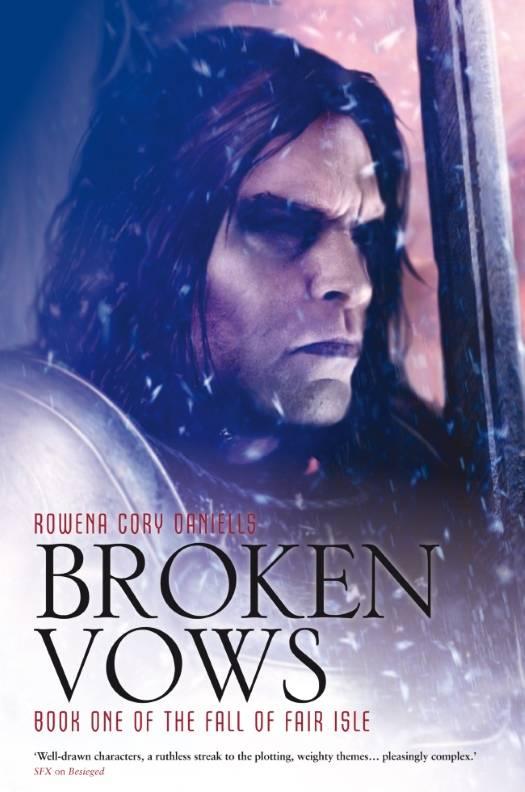
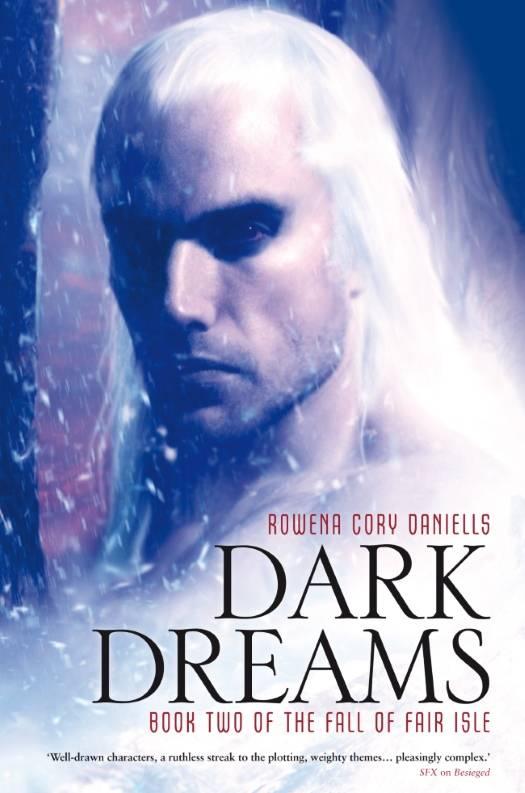
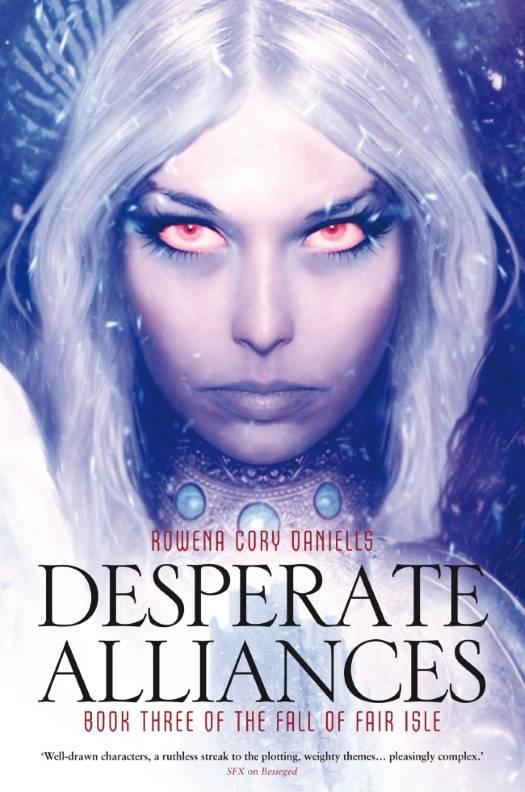
Broken Vows Rowena Cory Daniells-small Dark Dreams Rowena Cory Daniells-small Desperate Alliances Rowena Cory Daniells-small

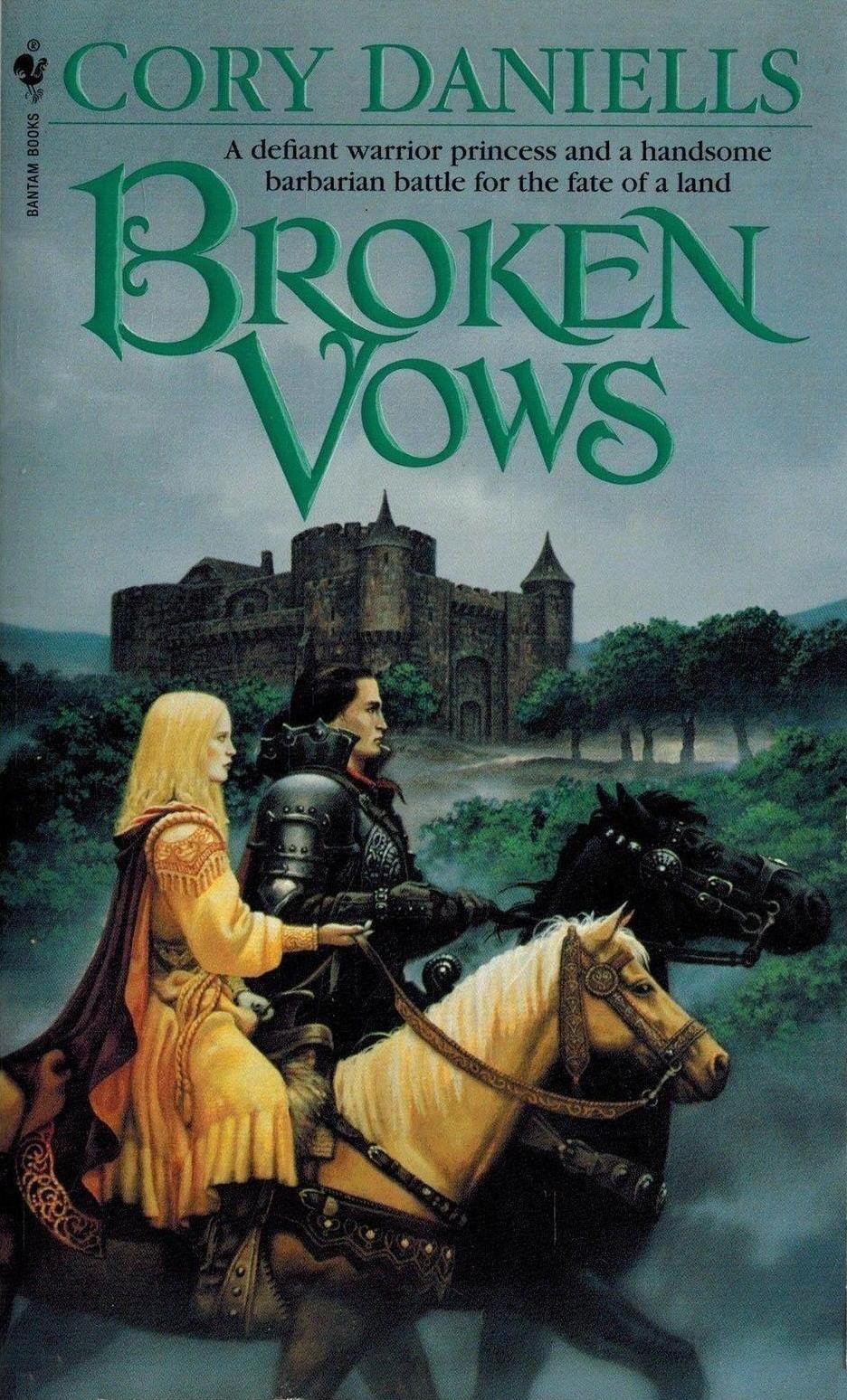
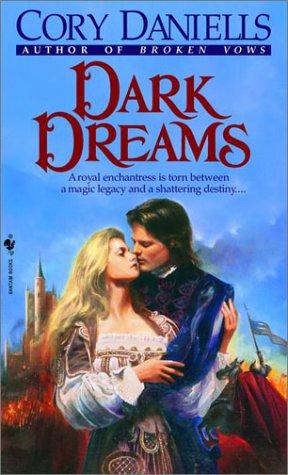
Two months ago, in my March New Releases article, I said a few words about a handsome omnibus volume from best selling author Rowena Cory Daniells, The Fall of Fair Isle, published in paperback by Solaris on March 10. A complete trilogy on one volume, it collects Broken Vows, Dark Dreams, and Desperate Alliances, all originally published over a decade ago and recently republished with new cover art. Together, they form a sequel to her epic fantasy saga The Outcast Chronicles.

After that, I kinda forgot about it. Until last week, when I was sorting through some old review copies that I received in the late 90s, while I was editor of SF Site. I found the original paperback editions from Bantam Books (above, top row) and, to be blunt, it took a few days before it dawned on me that they were the same series. Where the Bantam editions were packaged as high fantasy/medieval romances, the new Solaris versions are marketed as dark fantasy — with starkly different cover design, and under a different name. It’s one of the more interesting examples of a publishing make-over I’ve seen in a while.

Read More Read More
Future Treasures: The Hollow Queen by Elizabeth Haydon, Book 8 of The Symphony of Ages

Future Treasures: The Hollow Queen by Elizabeth Haydon, Book 8 of The Symphony of Ages

The Hollow Queen Elizabeth Haydon-smallThe first volume in Elizabeth Haydon’s long-running fantasy series The Symphony of Ages, Rhapsody, was published by Tor Books way back in September, 1999. It was an immediate hit; Publishers Weekly called it “One of the finest high fantasy debuts in years,” and the series quickly became a bestseller.

Over the next 15 years she’s published seven more in the series, mostly recently The Merchant Emperor last June. On May 5th The Merchant Emperor will be reprinted in paperback, and next month Tor releases the eighth installment, The Hollow Queen.

Beset on all sides by the forces of the merchant emperor Talquist, the Cymrian Alliance finds itself in desperate straits. Rhapsody herself has joined the battle, wielding the Daystar Clarion, leaving her True Name in hiding with her infant son. Ashe tries to enlist the aid of the Sea Mages. Within their Citadel of Scholarship lies the White Ivory tower, a spire that could hold the key to unraveling the full extent of Talquist’s machinations. Achmed journeys to the reportedly unassailable palace of Jierna Tal, to kill emperor Talquist–all the while knowing that even if he succeeds, it may not be enough to stop the momentum of the war.

As they struggle to untangle the web of Talquist’s treachery, the leaders of the Cymrian alliance are met with obstacles at every turn. Rhapsody soon realizes that the end of this war will come at an unimaginable price: the lives of those she holds dearest.

The Hollow Queen will be published by Tor Books on June 30, 2015. It is 415 pages, priced at $25.99 in hardcover and $12.99 for the digital edition.

Vintage Treasures: The Silken Magic Books by Elizabeth Gilligan

Vintage Treasures: The Silken Magic Books by Elizabeth Gilligan

Magic's Silken Snare-small The Silken Shroud-small

I published Elizabeth Gilligan’s short story “Iron Joan” in Black Gate 3 (read the complete story here), and it was an immediate hit. The tale of an indomitable woman — the daughter of the High Chief of Glen Cluain, shamed by her father’s house but gifted in her mother’s secret arts — who mysteriously leaves home at seventeen to settle in a tiny village, was a powerful story that SF Reader called “A deep, well-written tale. Highly recommended.”

Elizabeth Gilligan seemed to me like a writer destined for great things, and it wasn’t long before I was proven right. He debut novel, Magic’s Silken Snare, the first volume in Silken Magic, was published by DAW in April 2003, and was widely acclaimed. Locus called it an “Opulent tale and court intrigue and dark magics… [An] excellent first novel,” and Romantic Times said “An alternate Sicily is splendidly revealed… [with] robust characterizations, multiple storylines, and clever delivery.” It was followed by the second volume, The Silken Shroud, in April 2004, and it seemed obvious that this was the beginning of a stellar career.

Read More Read More
Future Treasures: When the Heavens Fall by Marc Turner

Future Treasures: When the Heavens Fall by Marc Turner

When the Heavens Fall-smallThere are times when you want something light and quick to read… and then there are times when you want to sink your teeth into an epic packed with heroes, meddling gods, necromancers, empires, and darkest intrigue. If the latter appeals to you, Marc Turner’s debut fantasy When the Heavens Fall, which goes on sale in three weeks, might be just what you’re looking for.

If you pick a fight with Shroud, Lord of the Dead, you had better ensure your victory, else death will mark only the beginning of your suffering.

A book giving its wielder power over the dead has been stolen from a fellowship of mages that has kept the powerful relic dormant for centuries. The thief, a crafty, power-hungry necromancer, intends to use the Book of Lost Souls to resurrect an ancient race and challenge Shroud for dominion of the underworld. Shroud counters by sending his most formidable servants to seize the artifact at all cost.

However, the god is not the only one interested in the Book, and a host of other forces converge, drawn by the powerful magic that has been unleashed. Among them is a reluctant Guardian who is commissioned by the Emperor to find the stolen Book, a troubled prince who battles enemies both personal and political, and a young girl of great power, whose past uniquely prepares her for an encounter with Shroud. The greatest threat to each of their quests lies not in the horror of an undead army but in the risk of betrayal from those closest to them. Each of their decisions comes at a personal cost and will not only affect them, but also determine the fate of their entire empire.

The first of an epic swords & sorcery fantasy series, Marc Turner’s When the Heavens Fall features gritty characters, deadly magic, and meddlesome gods.

When the Heavens Fall is Book One of The Chronicles of the Exile, and will be published by Tor Books on May 19, 2015. It is 544 pages, priced at $27.99 in hardcover, and $14.99 for the digital edition. No word on the cover artist.

Vintage Treasures: Madouc by Jack Vance

Vintage Treasures: Madouc by Jack Vance

Madouc Jack Vance Ace Books-small

I’ve spent some time recently talking about some of Jack Vance’s most popular series, including The Dying Earth and Planet of Adventure. But the book that introduced me to Vance was the third volume of his high fantasy Lyonesse trilogy, Madouc, originally published in hardcover by Underwood Miller in 1989, and reprinted in trade paperback by Ace Books with a gorgeous Sanjulian cover in 1990 (above, click for bigger version).

It’s usually tough to come to a fantasy trilogy with the third volume, but Vance made it easy. In fact, I was only dimly aware that it was part of a series as I read it. What I most remember about Madouc was that it was funny, gripping, vivid, and unlike anything else I’d ever read. Vance took subject matter wholly familiar to every modern fantasy reader — the Land of Faerie — and made it fresh and new.

Madouc won the World Fantasy Award for Best Novel in 1990, beating out some pretty stiff competition, including Carrion Comfort by Dan Simmons, Soldier of Arete by Gene Wolfe, and The Stress of Her Regard by Tim Powers. My friend Rodger Turner, with whom I founded SF Site a few years later, was a Judge that year, and I remember asking him about it shortly after I finished reading Carrion Comfort, which I was convinced would be the hands-down winner. “The process took… compromises,” Rodger deadpanned.

Read More Read More
Sci-Fi’s Difficult Genius: The New Yorker on Gene Wolfe

Sci-Fi’s Difficult Genius: The New Yorker on Gene Wolfe

Soldier of the Mist-smallPeter Bebergal — who penned a thoughtful analysis of Michael Moorcock for The New Yorker back in January, “The Anti-Tolkien” — is at it again. This time, he takes a look at the often challenging work of Gene Wolfe.

He kicks off the article with some insightful comments on the 1986 fantasy Soldier of the Mist, the first novel in Wolfe’s Latro trilogy, centered on the adventures of a Roman mercenary with a perplexing ailment.

Having suffered an injury during the Battle of Plataea, a Greco-Persian War skirmish, Latro has no memory of his past. Each night, he writes the day’s events on a scroll; the next morning he reads the scroll to bring himself current. Latro has to carefully choose what he is going to write down: he is limited by time, because when he sleeps he loses his memory again, and by the medium, because there is only so much papyrus. It is hinted that Latro’s wound was caused by the meddling of the gods… It could be the case, however, that Latro’s wound causes him to hallucinate.

On the phone from his home in Peoria, Gene Wolfe explained to me recently that Latro’s memory loss does not make him an unreliable narrator, as many critics assume. Instead, Latro might reveal only the truth that matters. Latro must ask himself, Wolfe said, “What is worth writing, what is going to be of value to me when I read it in the future? What will I want to know?” These are questions that Wolfe has been asking himself, in one form or another, for decades. His stories and novels are rich with riddles, mysteries, and sleights of textual hand.

Read the complete article online here.

One Picture = One Thousand Words . . .?

One Picture = One Thousand Words . . .?

Huff price 1About a month ago Gabe Dybing wrote an excellent post in which he, among other things, praised my Dhulyn and Parno Novels (thanks again, Gabe). I obviously don’t quarrel with anything he had to say, but there was one observation that made me raise my eyebrows, and that was his take on the cover art. The whole post is worth reading (not just the part about my books) but what Dying has to say about my covers is important not just for me, but for any of us involved in the writing and reading of books. Looking at the art from the sales perspective, what it is about the cover that encourages a reader to buy a book, Dybing has two caveats. First, he feels the characters are too “posed,” in that they’re “battle-ready” when nothing is in fact happening. Second, he objects to the photo-realism, since it could restrain the readers in imagining the characters for themselves. As it happens, he feels the artist, Steve Stone, did capture Dhulyn pretty well, except for her skin colour, and her “wolf smile.”

Huff PriceInteresting bit about that. The artist chose his models from modeling/acting agency photos to match the physical descriptions I’d provided to my editor/publisher, Sheila Gilbert at DAW. It wasn’t until the models arrived for the session that Stone realized the woman was black. I know, it does make you wonder what the photos were like, but that’s not a question I can answer. The situation was explained to her, and apparently the model/actress didn’t mind being depicted as a woman from a race noted for the pallor of their skin and the redness of their hair.

As for the wolf’s smile, you don’t really want to see that. Ever. Trust me.

On the whole, I think I’ve been very lucky with my cover art, but before I go on I have to confess a couple of things. First, I have almost no visual memory (except for faces), and don’t really respond to visual cues. Off the top of my head, I couldn’t describe to you the cover of any book, not even the ones I’ve read over and over. Okay, I can recognize the Tenniel drawings from Alice in Wonderland, the original art from the Chronicles of Narnia, and the Dali illustrations from a recent edition of Don Quijote, but there I’m thinking about the artists, not the books. And even there I’m pretty sure I couldn’t tell you what was on the covers.

Read More Read More

Coode Street Podcast Reveals that K.J. Parker is Tom Holt

Coode Street Podcast Reveals that K.J. Parker is Tom Holt

The Hammer K J Parker-smallBest selling fantasy author K.J. Parker appeared on the scene 17 years ago, when he published Colours in the Steel (1998), the first novel in The Fencer trilogy.

Since then he’s had a stellar career, producing The Scavenger trilogy and the popular The Engineer trilogy (Devices and Desires, Evil for Evil, and The Escapement), plus standalone novels such as The Company (2008), The Folding Knife (2010), and The Hammer (2011).

But Parker has never appeared in public, or even spoken on the phone — not even to accept the two World Fantasy Awards he’s won. It soon became public knowledge that the name was a pseudonym. But despite intense curiosity and conjecture, the identity behind the name remained a closely guarded secret, until Parker decided to reveal it to his long-time editor Jonathan Strahan and his partner Gary K. Wolfe yesterday, on their Coode Street Podcast.

K.J. Parker is actually humorous fantasy writer Tom Holt, whose popular novels include Expecting Someone Taller (1987), Who’s Afraid of Beowulf? (1988), Ye Gods! (1992), Blonde Bombshell (2010), and more than two dozen others.

Over the last 17 years Holt has continued his prolific output under his own name, while simultaneously writing over a dozen novels as K.J. Parker.

Listen to the complete interview here.