October Is Hammer Country: The Plague of the Zombies (1966)
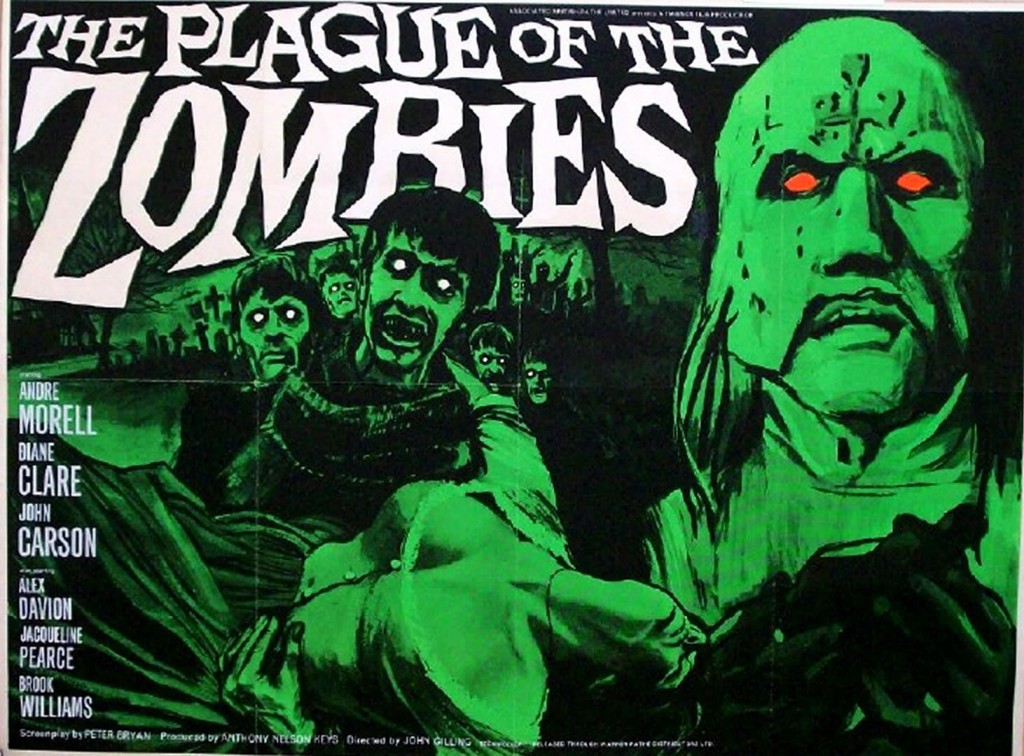
I wanted to close out my Hammer-for-October articles with The Plague of the Zombies, but hesitated because the movie isn’t easily available in North America. The Anchor Bay DVD has been out of production for more than fifteen years and used copies don’t come cheap. Then, just as I was about to scratch it off the calendar and substitute The Two Faces of Dr. Jekyll or Captain Kronos: Vampire Hunter, the news hit — Shout! Factory will release The Plague of the Zombies to Region A Blu-ray in January. For once, I picked up on the Blu-ray release announcement before making a hasty prediction about a movie never showing up in HD and looking like a dope again. So consider this a pre-release celebration.
Anyway … Zombies! Yes, Hammer Film Productions made a zombie film. The Plague of the Zombies was released in 1966 as the second half of a double bill with Dracula: Prince of Darkness. Although the Dracula film brought Christopher Lee back to the role of the count for the first time since Dracula (1958) and was the main selling point of the double feature, The Plague of the Zombies is the more intelligent and gripping film. Dracula: Prince of Darkness is beautiful but plodding, while The Plague of the Zombies is one of the best of Hammer’s mid-‘60s pictures, with a few memorable shock scenes and underlying themes that have encouraged a range of readings.
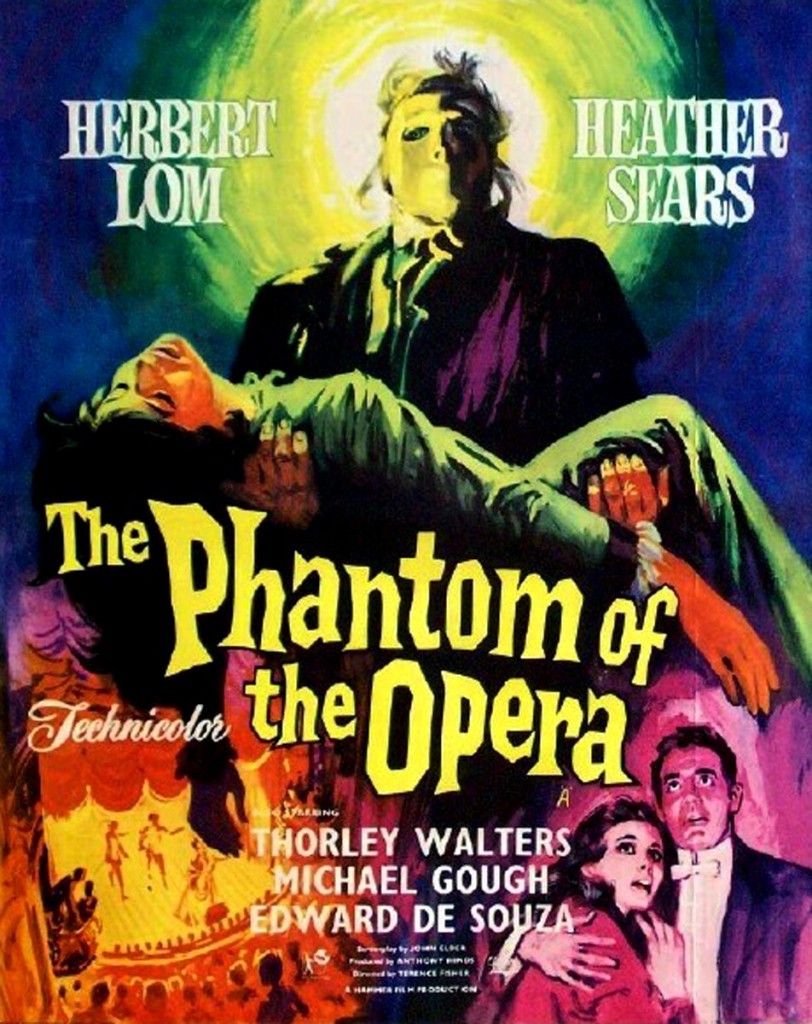
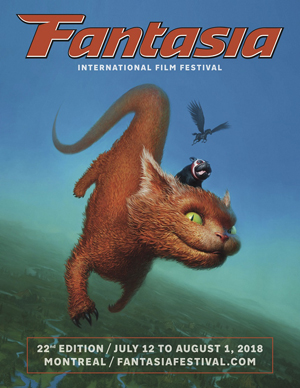 I saw 60 feature films or showcases of short films this year at the Fantasia International Film Festival. As is the case every year, seeing so many wild visions so close together was a powerful experience. If one film didn’t work, there’d be another one coming right after that’d be completely different. Having been slowed down by a bad cold the last few weeks, I’ve had time to think about what I took away from the Fantasia adventure this year in particular, and I keep coming back to things that struck me during the festival itself: the ability of the programmers to select films; the power of seeing the films as part of an audience and indeed part of a community; and the way those things interact.