Browsed by
Category: New Treasures

A Series that Embodies Delicious Steampunk Mystery: Newbury & Hobbes Investigation by George Mann

A Series that Embodies Delicious Steampunk Mystery: Newbury & Hobbes Investigation by George Mann

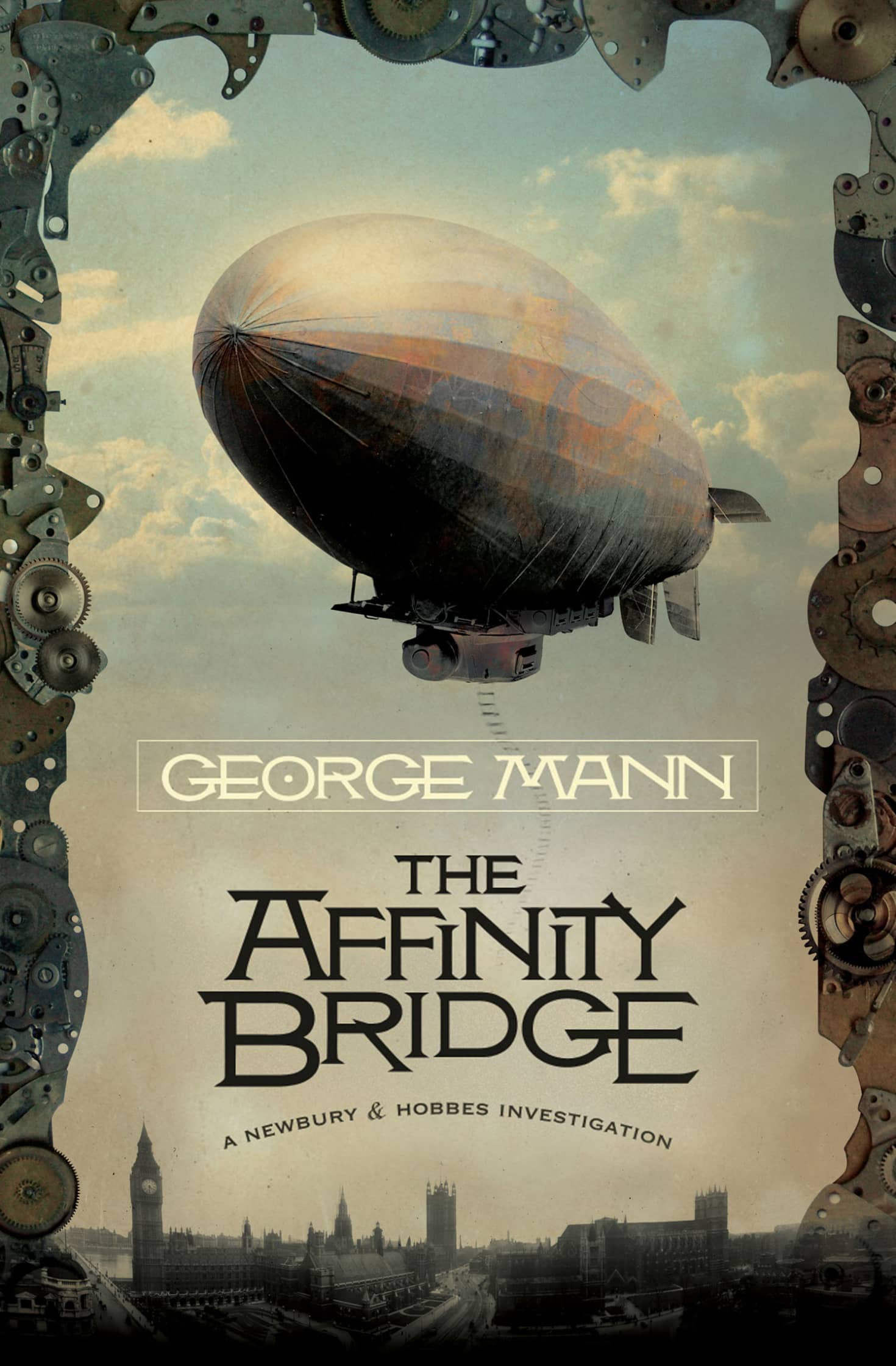
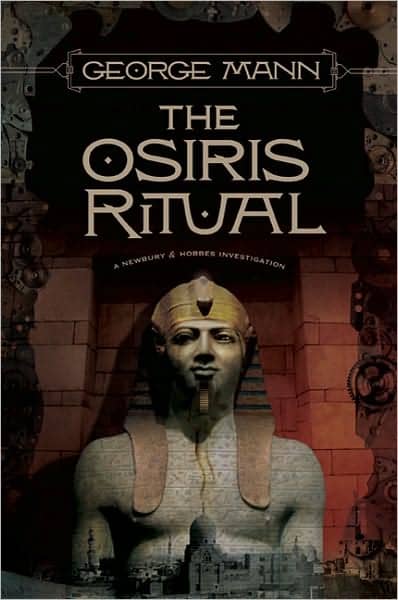
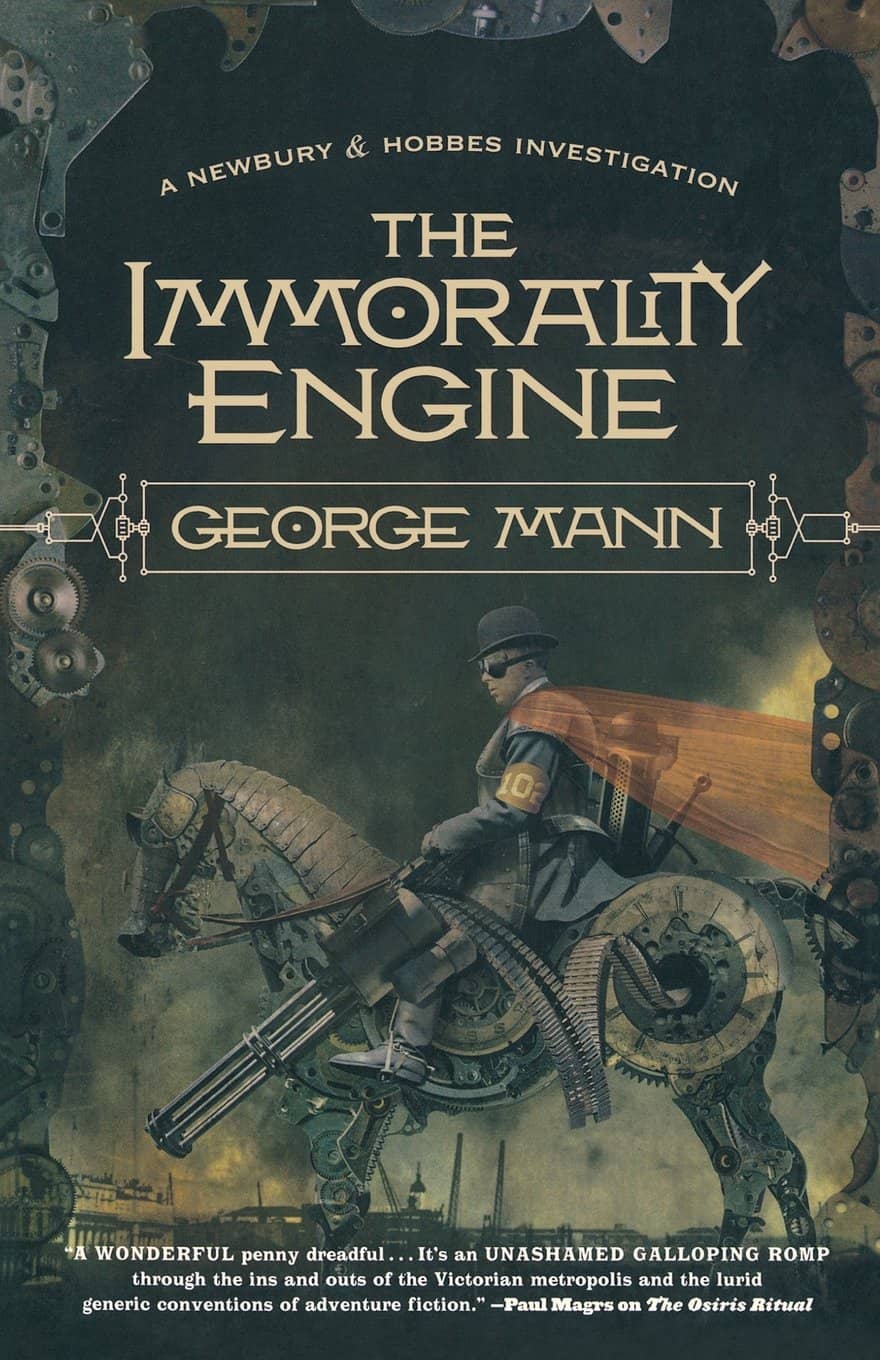
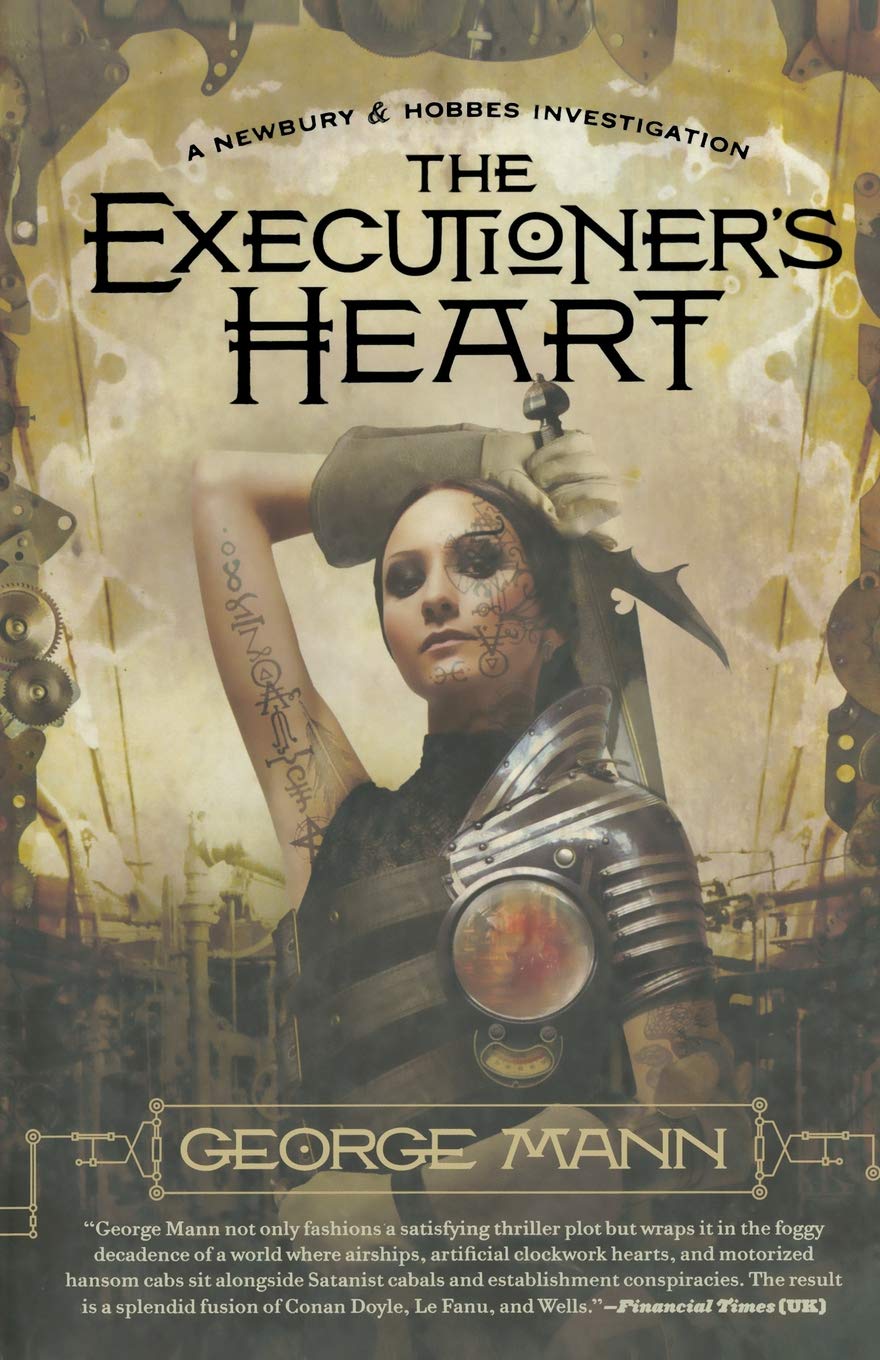
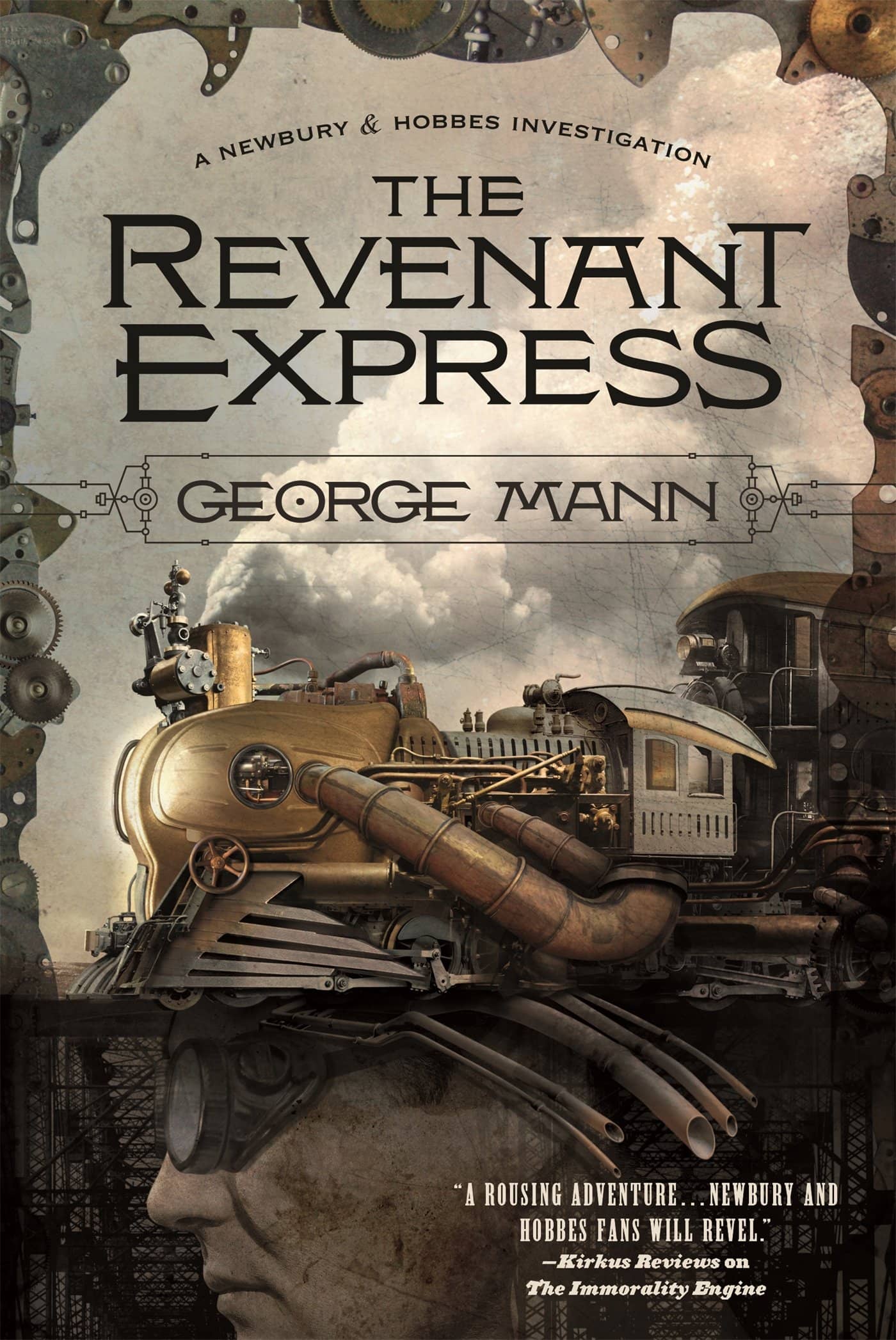
The Affinity Bridge-small The Osiris Ritual-small The Immorality Engine A Newbury & Hobbes Investigation-small The Executioner's Heart A Newbury & Hobbes Investigation-small The Revenant Express A Newbury & Hobbes Investigation-small

The Newbury & Hobbes novels. Cover art by Viktor Koen

George Mann’s Newbury & Hobbes Investigations are a highly acclaimed steampunk mystery series. amNewYork called the opening volume “A riveting page-turned that mixes the society of manners in turn-of-the-century London with a gritty and brutal murder mystery,” and Entertainment Weekly says the books bring “industrial London to life like a Jerry Bruckheimer movie in book form.” Damn — I’m still not sure what these books are about, but I definitely want to read them.

There have been five so far.

#1: The Affinity Bridge (April 2010)
#2: The Osirus Ritual (June 2011)
#3: The Immortality Engine (July 2012)
#4: The Executioner’s Heart (July 2014)
#5: The Revenant Express (February 2019)

The most recent, The Revenant Express, arrived in February this year from Tor. Like the others, it’s a quick read, 237 pages, and available in both hardcover and digital formats. Here’s the description.

Read More Read More

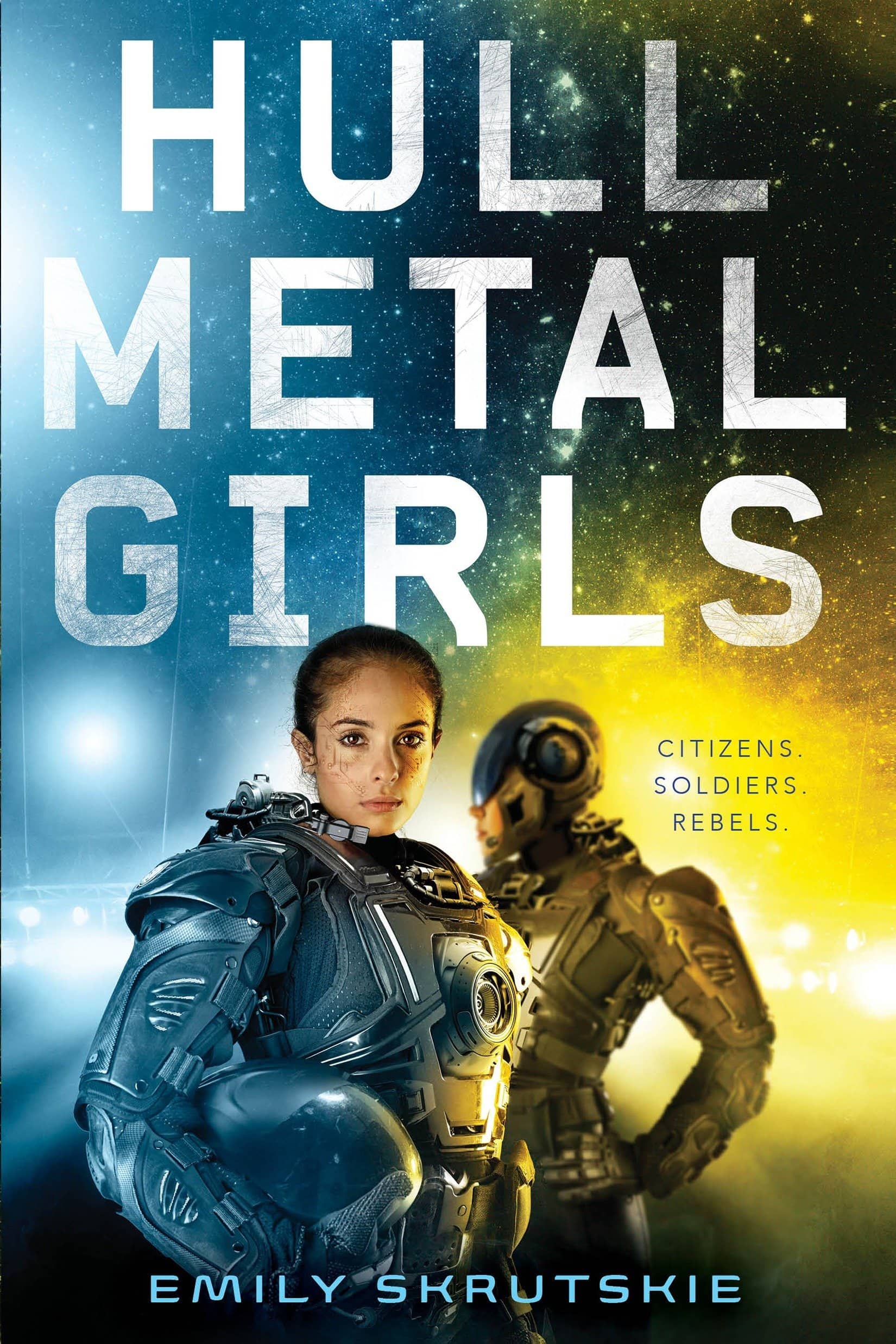
Cyborgs in Space: Hullmetal Girls by Emily Skrutskie

Cyborgs in Space: Hullmetal Girls by Emily Skrutskie

Hullmetal-Girls-smallerOnly the most desperate try to become Scela warriors. That’s because few humans survive being fused with the robotic exoskeletons. Yet Aisha sits with thirty others, waiting for her turn, while the body of her mentor, ripped in half, is carried past on its way to the incinerator.

She knows she’s probably going to die. But this is her last chance to save her siblings. Her younger brother is dying of a wasting disease, and treatment is expensive. She’ll also do anything to keep her younger sister from working in the dyeing plant that killed their mother. So that’s why Aisha has signed on for the chance to become a Scela. She has never wanted to be a soldier for the State. But if she can survive the process of becoming a cyborg, her salary will be enough to support her family.

The surgery is even worse than she’d imagined. But when she wakes, the full truth hits her – she hasn’t just signed away her human body. She’s also surrendered her mind. The exo seems to have a will of its own. And since the Scela fighters are literally the hands the State, the authorities can override her will at any time. She’s nothing but a tool, a drone. She can no longer control what her body does.

Of the thirty people in that waiting room, only Aisha and three others survive. It’s hard enough for each of them to control their own bodies individually. When the trainer flips a switch, yoking their minds together, all four are suddenly four places at once.

Aisha’s new teammate Key’s mind has been destroyed so badly, she can’t even remember why she signed up to become a Scela in the first place. Since she’s from the upper class, it makes no sense that she would risk her life to do so.

The only boy in the squad, Wooj, was caught in a felony and forced to become a Scela. While he managed to survive the procedure, there’s something wrong with his exo. Sometimes, it’s too loose. Others, the robot eclipses his humanity completely.

Praava’s life doesn’t matter. Only her older sister’s does. Praava knows her sister will solve the puzzle of the wasting disease and save humanity, but only if she has enough money for her research. That’s why she went under the blade.

With their vastly different backgrounds and agendas, these four will never be able to work together. Except they must, if humanity is going to survive.

Read More Read More

When Surviving the Apocalypse is Only the Beginning: The Road to Nowhere Trilogy by Meg Elison

When Surviving the Apocalypse is Only the Beginning: The Road to Nowhere Trilogy by Meg Elison

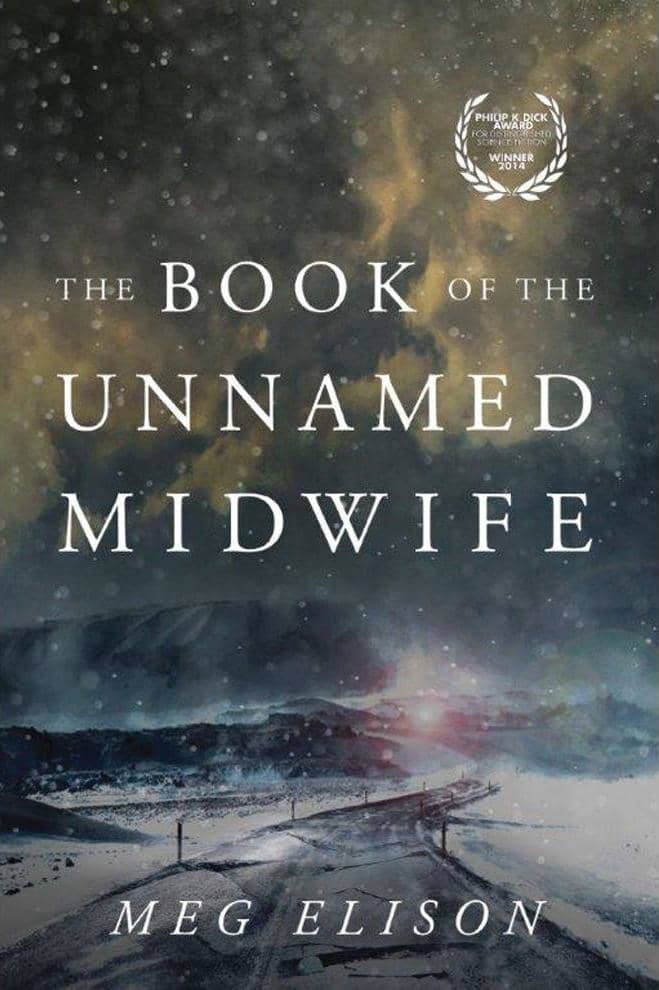
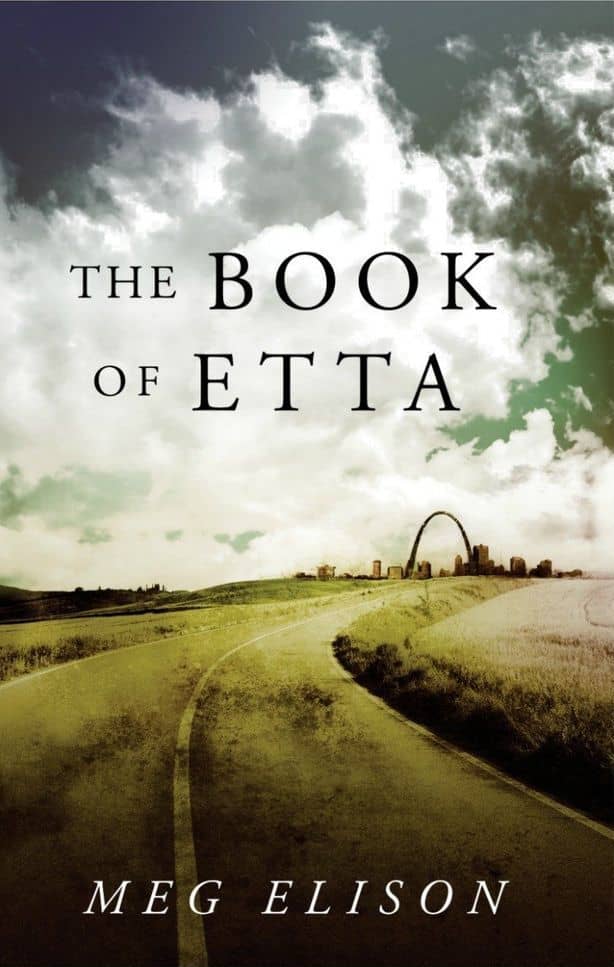
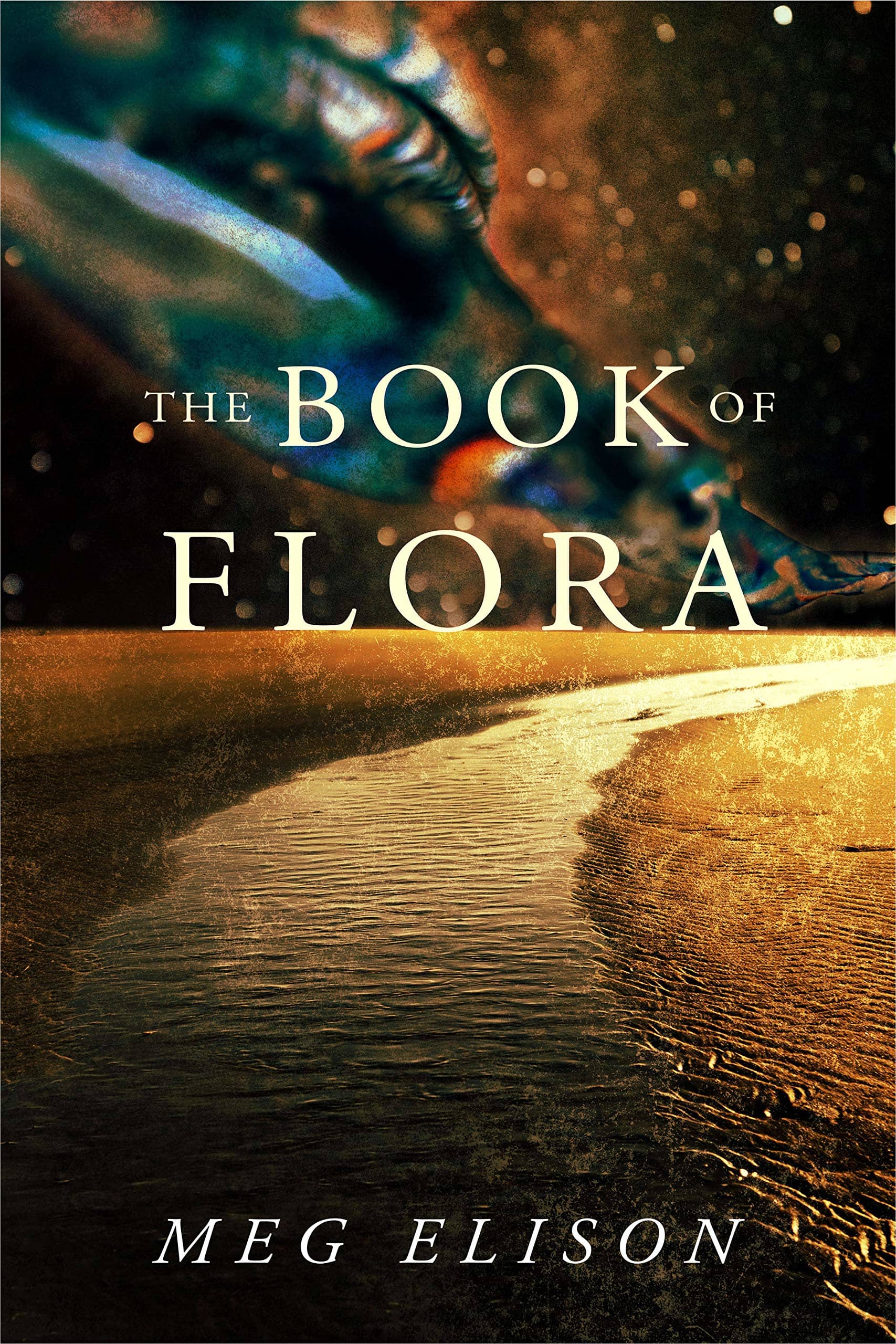
The Book of the Unnamed Midwife-small The Book of Etta-small The Book of Flora-small
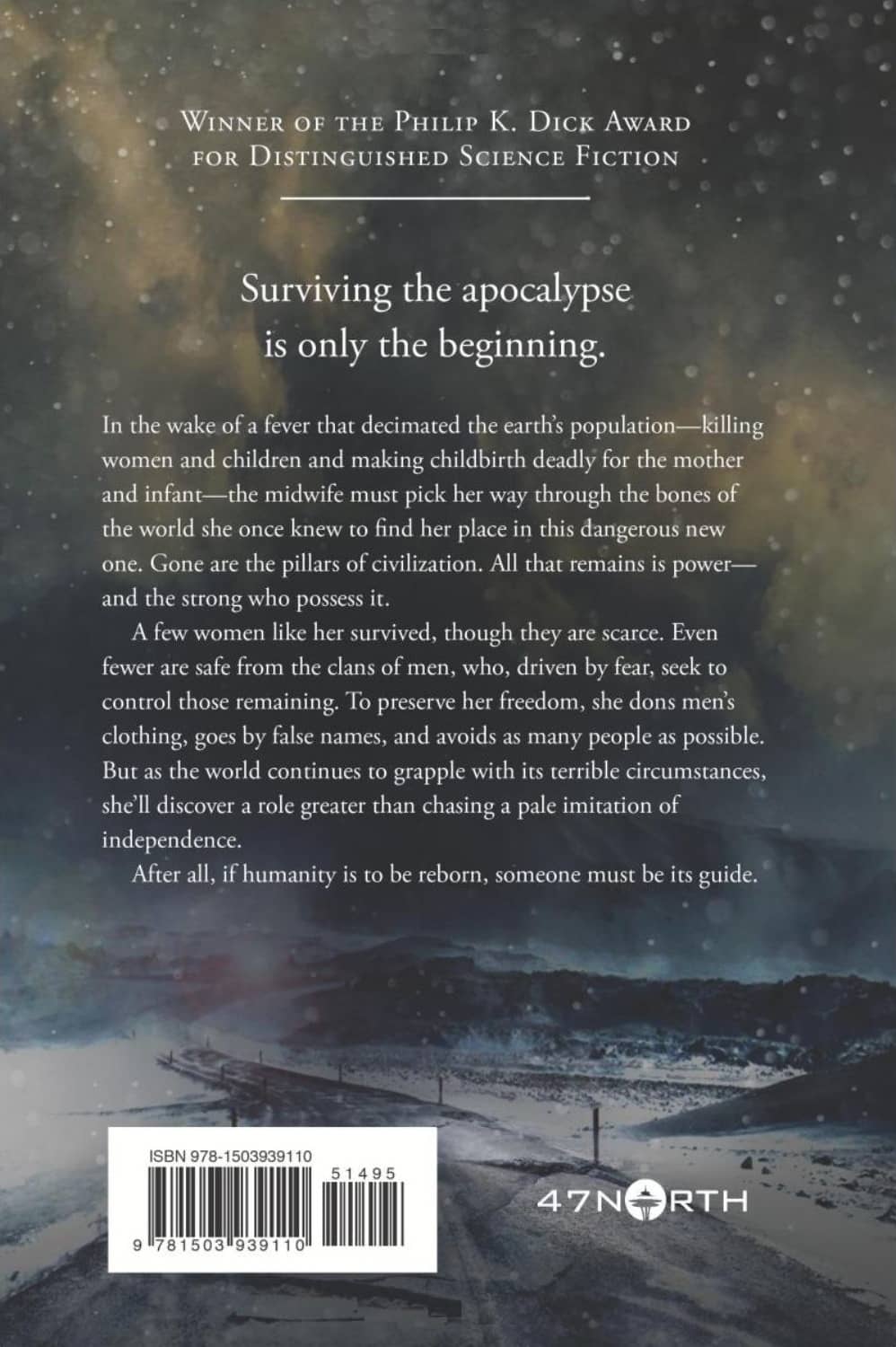
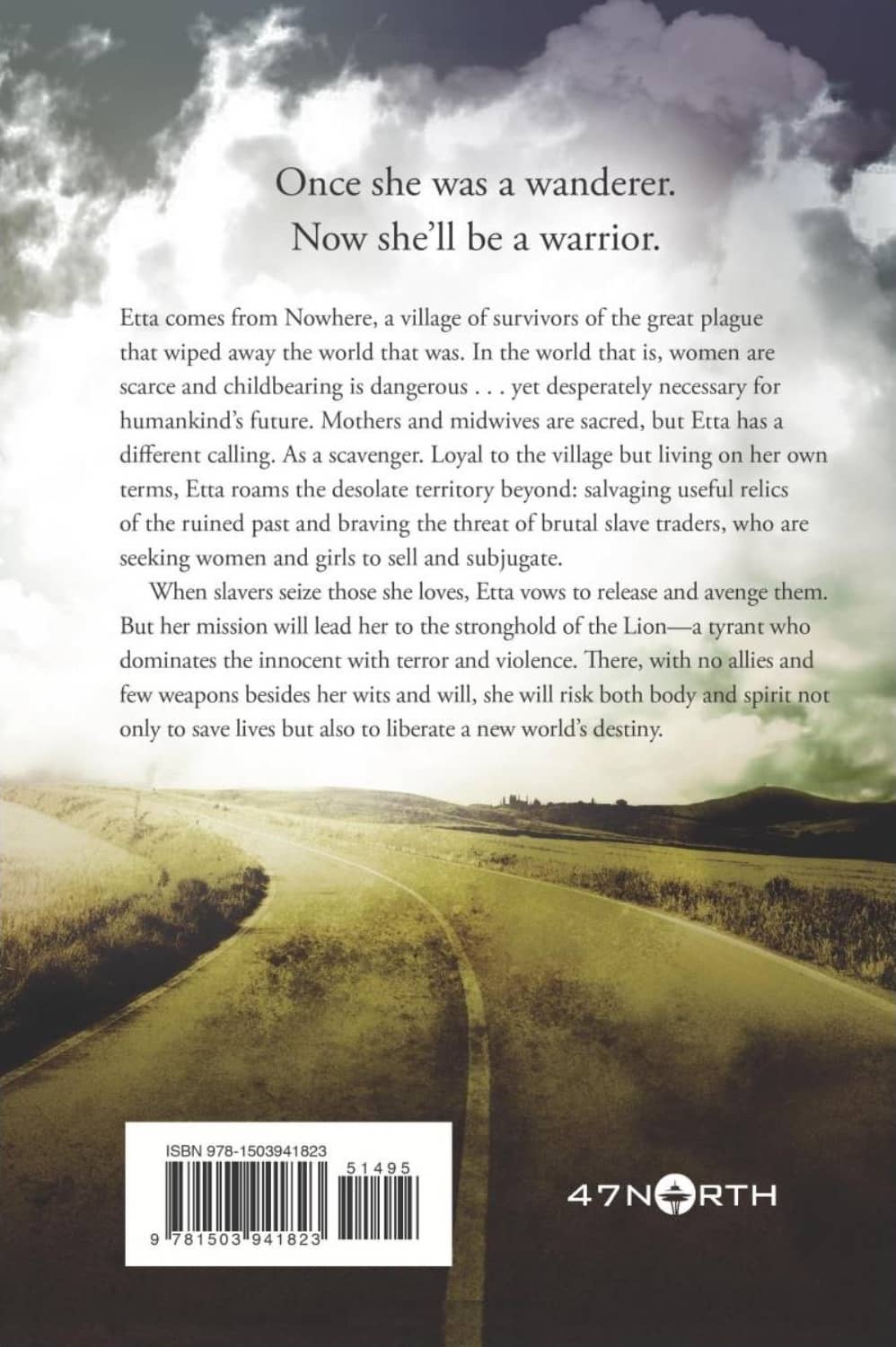
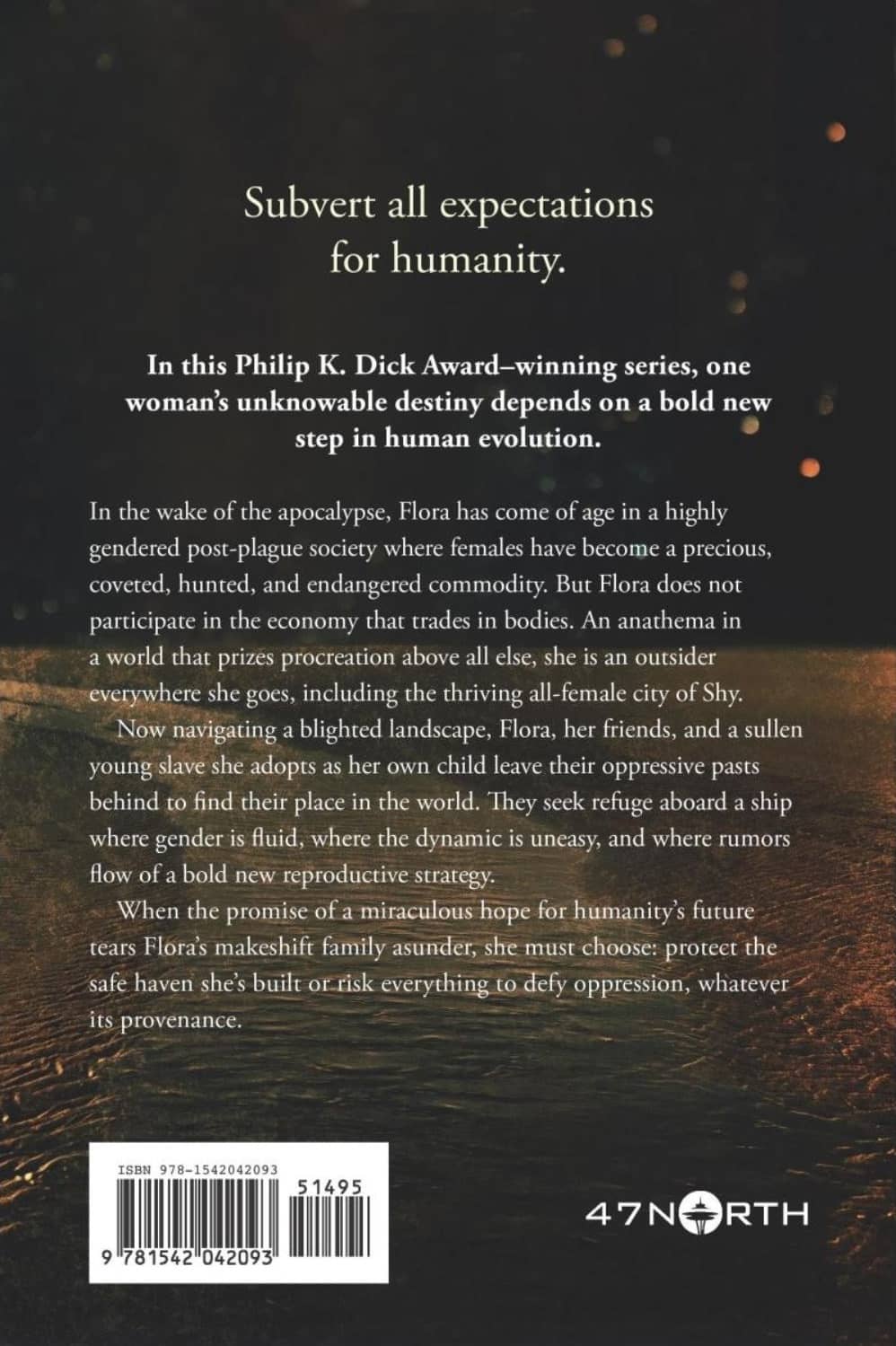
The Book of the Unnamed Midwife-back-small The Book of Etta-back-small The Book of Flora-back-small

It’s good to see Meg Elison, who made such an impressive splash with her debut novel The Book of the Unnamed Midwife, finally start to connect with wider audiences.

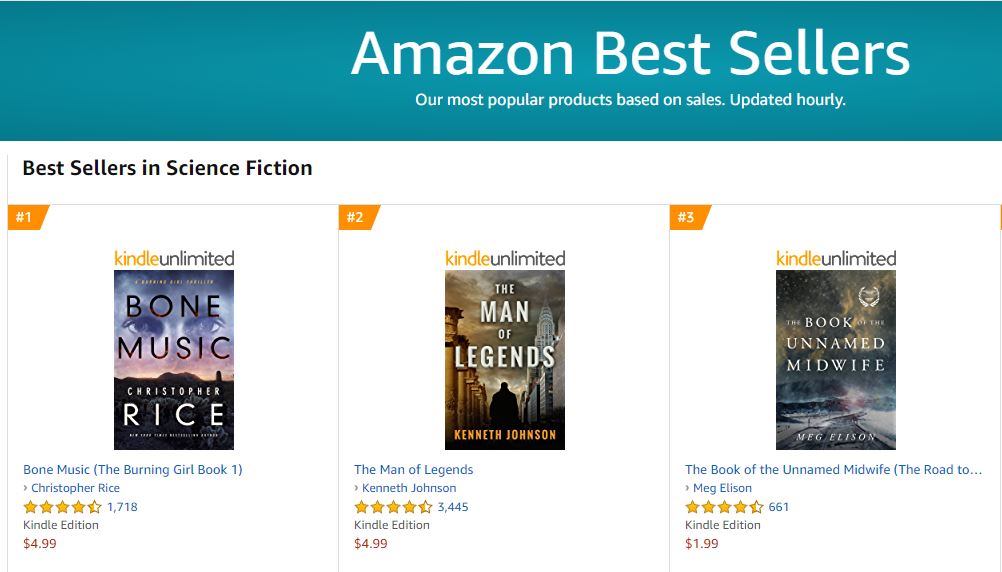
The Book of the Unnamed Midwife (2014) won the 2014 Philip K. Dick award and was a Publishers Weekly Best Book of 2016. The second novel in The Road to Nowhere Trilogy, The Book of Etta (2017) was also a finalist for the Philip K. Dick Award. And in April of this year the highly anticipated third volume, The Book of Flora, was published in paperback by 47 North. As each book has arrived the acclaim and recognition for the series has grown, and when I checked tonight I was surprised and delighted to discover that the first book in the series had reached the #3 position in Amazon Kindle Best Sellers in Science Fiction.

Back in 2016, Slate called The Book of the Unnamed Midwife the 2014 Sci-Fi Novel that Eerily Anticipated the Zika Crisis. More germane to those of us looking for a good story, Sci-Fi Scary labeled it “moving and intelligent work. Brutal and chilling at times, but also hopeful and very human. It immersed me right from the start and kept me gripped to the last page.” Now that the series is a proper trilogy, we’ll get to work baking it a cake.

All three volumes are available in trade paperback from 47 North. Click the images above for apocalypse-sized versions.

The Barnes & Noble Sci-Fi & Fantasy Blog on the Best Science Fiction & Fantasy of May 2019

The Barnes & Noble Sci-Fi & Fantasy Blog on the Best Science Fiction & Fantasy of May 2019

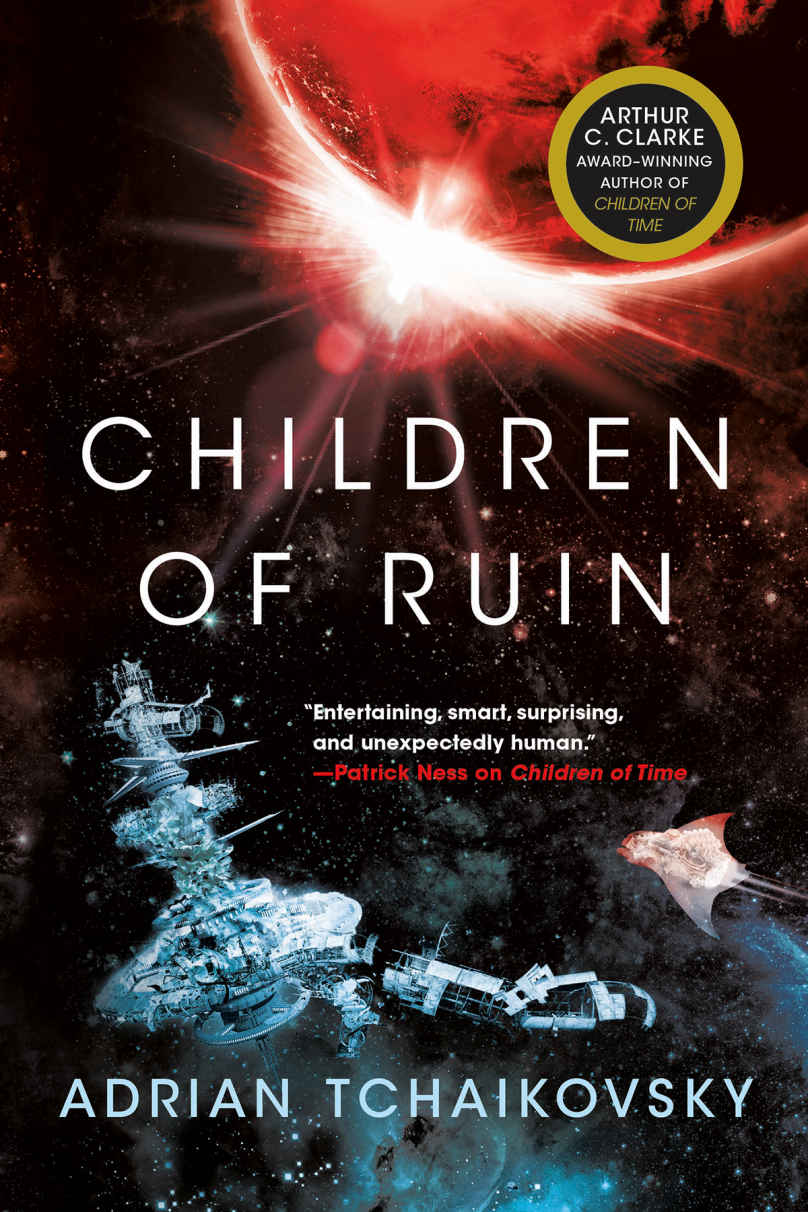
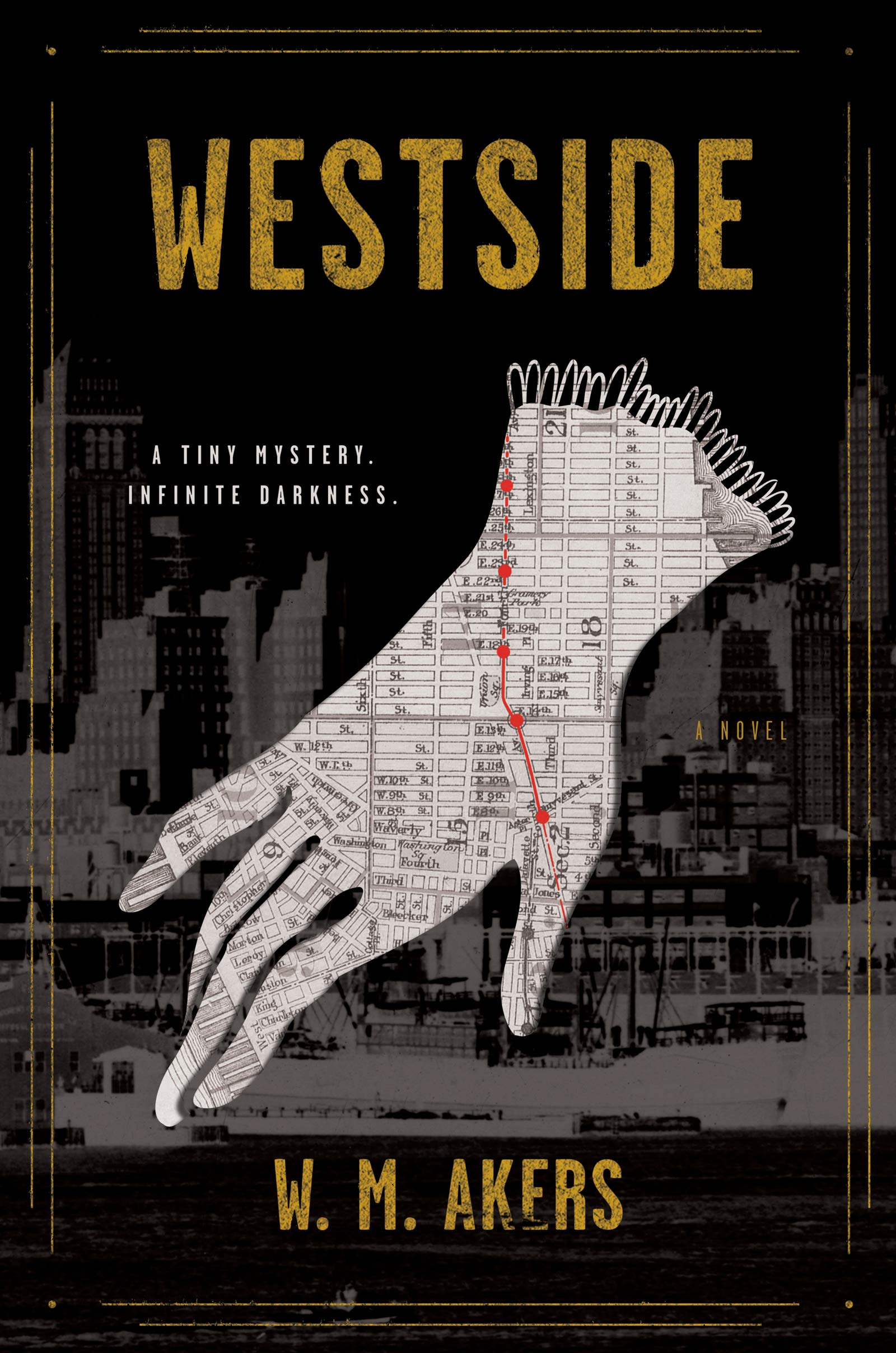
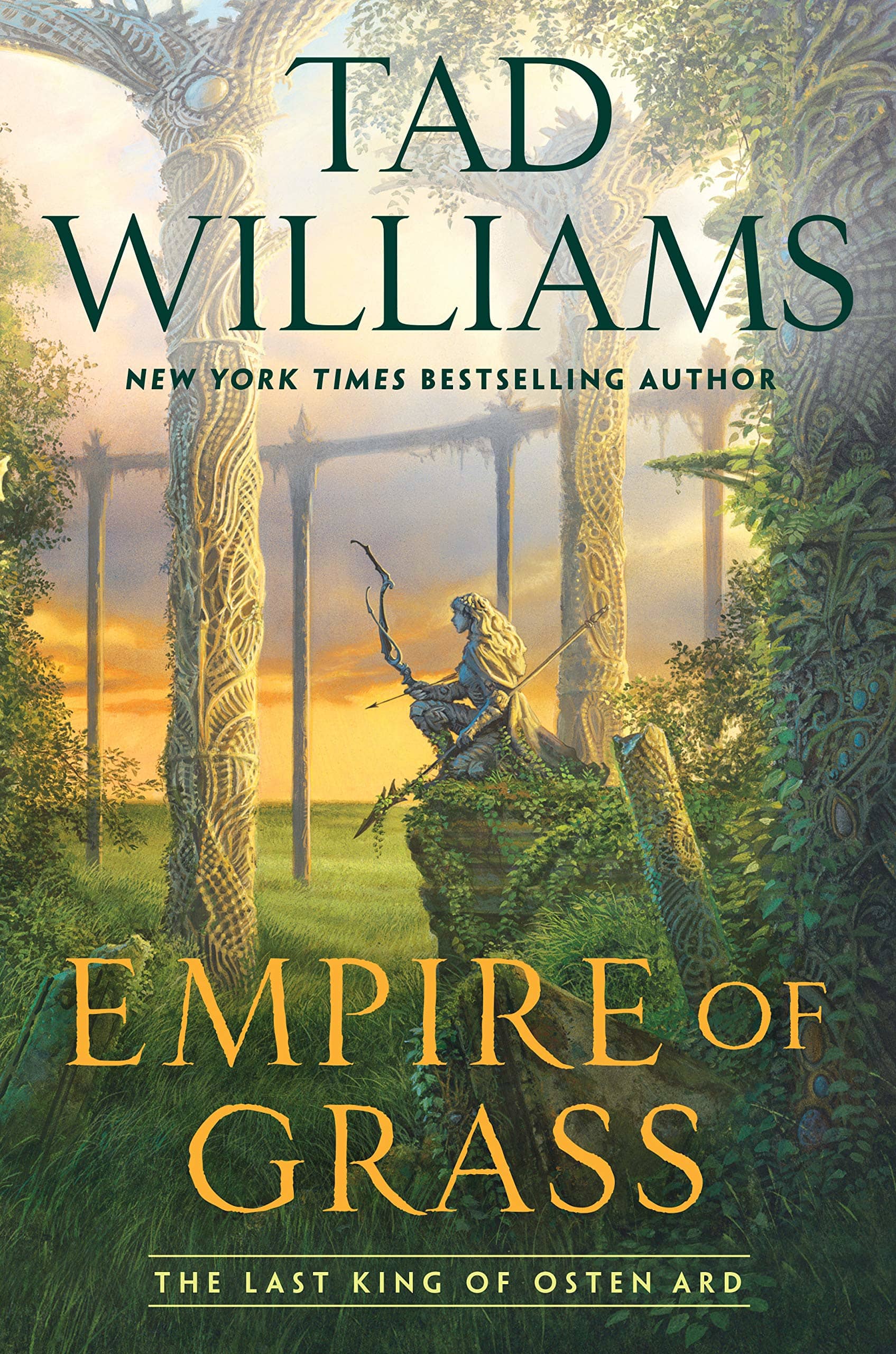
Children of Ruin Adrian Tchaikovsky-small Westside W M Akers-small Empire of Grass Tad Williams-small

It’s the last day of May, and you know what that means. You’re another month behind in your reading.

Fortunately for you, there are some excellent resources out there to help you discover just how badly you blew it (yet again) by not spending every spare moment in May reading. My new favorite is The Barnes & Noble Sci-Fi and Fantasy Blog, which does a terrific job month-after-month of letting us know just how bad we suck. Here’s some of the highlights from Jeff Somers summary of The Best Science Fiction & Fantasy Books of May 2019.

Children of Ruin, by Adrian Tchaikovsky (Orbit, 576 pages, $15.99 trade paperback/$9.99 digital, May 14)

The sequel to the British Science Fiction Award-winning Children of Time returns to the unlikely new cradle of humanity, a colony planet whereupon a disastrous terraforming attempt resulted in the creation of a new society of uplifted ants and spiders whose civilization evolved at breakneck speed before the desperate remnants of the a ravaged Earth could arrive. Now unlikely allies, the humans and the insects catch fragmentary signals broadcast from light years away, suggesting there might be other survivors from their shared homeworld. A mixed expedition sets out to solve the mystery, but what’s waiting for them out in space is another calamity set in motion by long-dead Earth scientists’ arrogant and desperate efforts to ensure the survival of their species. Children of Ruin managed to completely deliver on a truly absurd premise, and the sequel offers similar pleasures.

Read More Read More

In 500 Words or Less: Titanshade by Dan Stout

In 500 Words or Less: Titanshade by Dan Stout

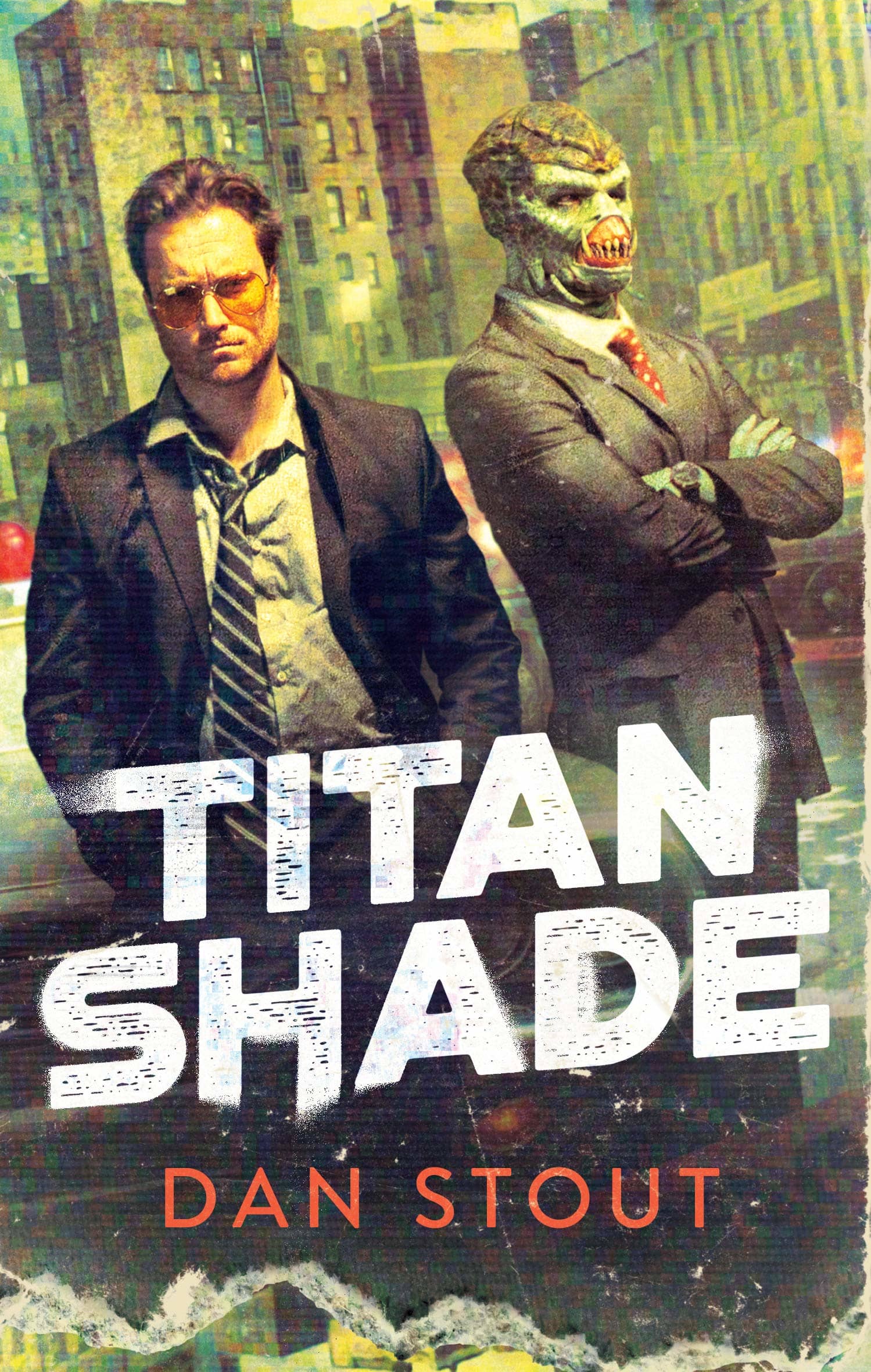
Titanshade-smallTitanshade
By Dan Stout
DAW Books (416 pages, $26.00 hardcover, $7.99 paperback, $12.99 eBook, March 12, 2019)
Cover by Chris McGrath

Jake Peralta and I have something in common: a deep love for Die Hard. That was what got me into cop-centered stories (moving on from Pokemon and Power Rangers), leading me to the likes of Lethal Weapon, Nash Bridges and more. The reason I still love those stories is because of the focus on a dysfunctional, imperfect hero trying to grapple with internal and external pressures, and sometimes not handling them very well. That’s part of why one of my favorites shows of all time is Fringe – none of the characters are perfect, they all have demons, there’s a procedural element, and it’s a weird-frightening-amazing science fiction show.

Dan Stout manages to give the procedural a fresh twist with Titanshade, which centers on police detectives in a northern town trying to transition from oil to renewable energy, in a world populated by humans and other races. The cover looks like a rehash of Bright, which is just unfortunate timing, apparently, since this novel sold to DAW earlier. More importantly, Stout’s story is way more original and engaging (though I actually enjoyed Bright). It’s not just orcs and elves running around with humans; it’s Mollencampi, with multiple mouths and an array of expressions using their pincers, and Gillmyn, sort of like bipedal whales who more easily adapt to Titanshade’s cold. Oh, and they aren’t running around what’s basically present-day Los Angeles with fantasy creatures thrown in; Titanshade is built around a mountain formed from a dying god whose lifeblood gives the community heat, which is good since the material component for magic is running out even faster than the old oil reserves.

Between the 8-track players, disco music and pagers, the rampant police politics and focus on a detective past his prime paired with a young go-getter, Titanshade reads a lot like a love letter to shows like Miami Vice or Hawaii Five-0. But at the same time there’s a ton of nuance and breaking of traditional molds. Carter, our past-his-prime detective, is far from a carbon copy of Martin Riggs or Sonny Crockett, and the problems he and his partner Jax deal with are more X-Files than Blue Bloods. Limiting magic makes it a subtle tool throughout this novel, but a crucial component for the story, and the focus on moving away from oil makes me wonder if we can classify this as a solarpunk story (or maybe solarpunk-adjacent?).

Read More Read More

New Treasures: The Outlaw and the Upstart King, Book 2 of The Map of Unknown Things by Rod Duncan

New Treasures: The Outlaw and the Upstart King, Book 2 of The Map of Unknown Things by Rod Duncan

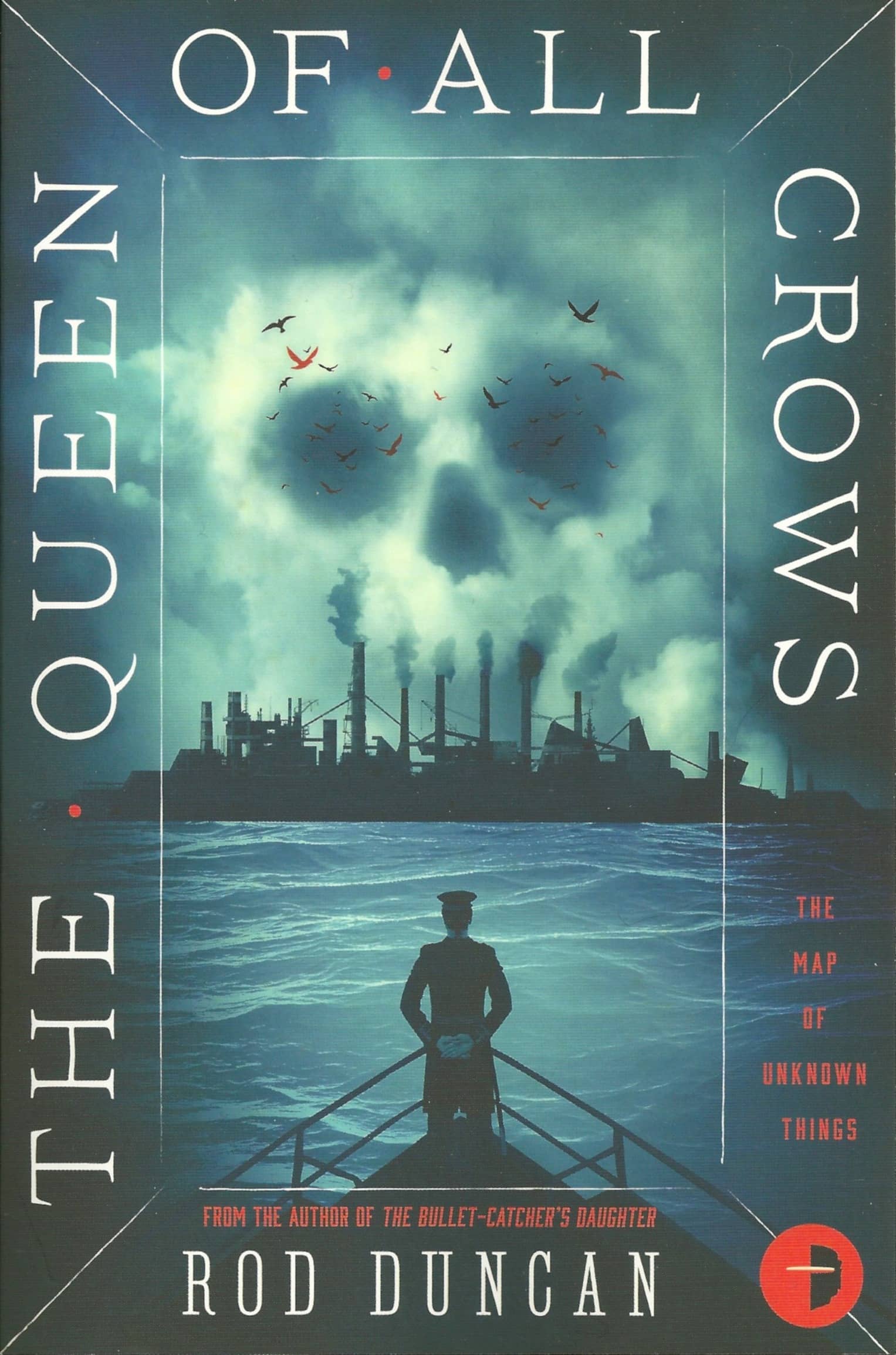
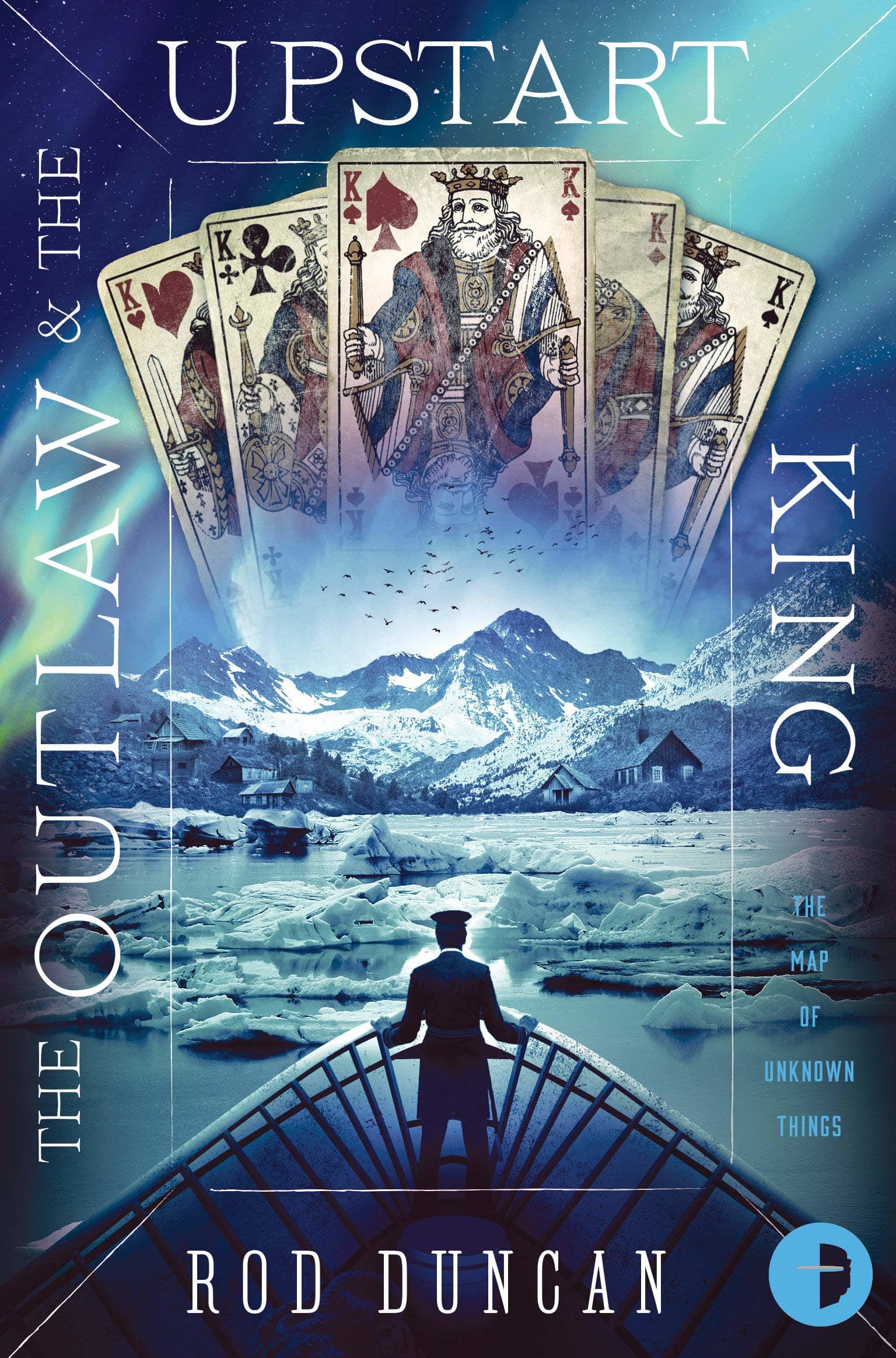
The-Queen-of-All-Crows-medium The Outlaw and the Upstart King-small

Rod Duncan is the author of The Fall of the Gas-Lit Empire trilogy, a supernatural mystery series featuring Elizabeth Barnabus, who lives a double life as herself and as her brother, a private detective. The first volume, The Bullet-Catcher’s Daughter (2014) was a finalist for the 2014 Phillip K. Dick Award.

His next project is The Map of Unknown Things, a new series set in the same world that follows the continuing adventures of Elizabeth. It began with Queen of all Crows (2018), which was warmly reviewed by several of my favorite review sites. Sydney Shields at The British Fantasy Society said “Duncan’s Gas-lit Empire reads and feels like the world of a Victorian detective adventure (think Sherlock Holmes, the Blake & Avery Mysteries, Charles Dickens) but the twist is that the year is actually 2012… Definitely recommend.” And The Speculative Shelf gave it an enthusiastic write-up:

Fresh off her battle with the International Patent Court, Elizabeth Barnabus finds herself working on behalf of that very organization that brought her so much trouble in the past. She sets sail to investigate the disappearance of an airship that went down in the Atlantic.

The concept of the worldwide alliance that maintains world peace at the cost of technological advancement continues to be a fascinating one…Duncan has crafted a solid adventure story that featured some superb scenes and passages. I remain impressed by Duncan’s skills as a writer. His prose is clean, readable, and rich. There’s a great theatricality infused into his stories that make the mundane seem grand… this is another enjoyable adventure featuring a great protagonist and set of side characters.

The second volume in the series, The Outlaw and the Upstart King, was published by Angry Robot earlier this year. Here’s a scan of both back covers.

Read More Read More

There’s a Lifetime of Reading in DAW Omnibus Volumes

There’s a Lifetime of Reading in DAW Omnibus Volumes

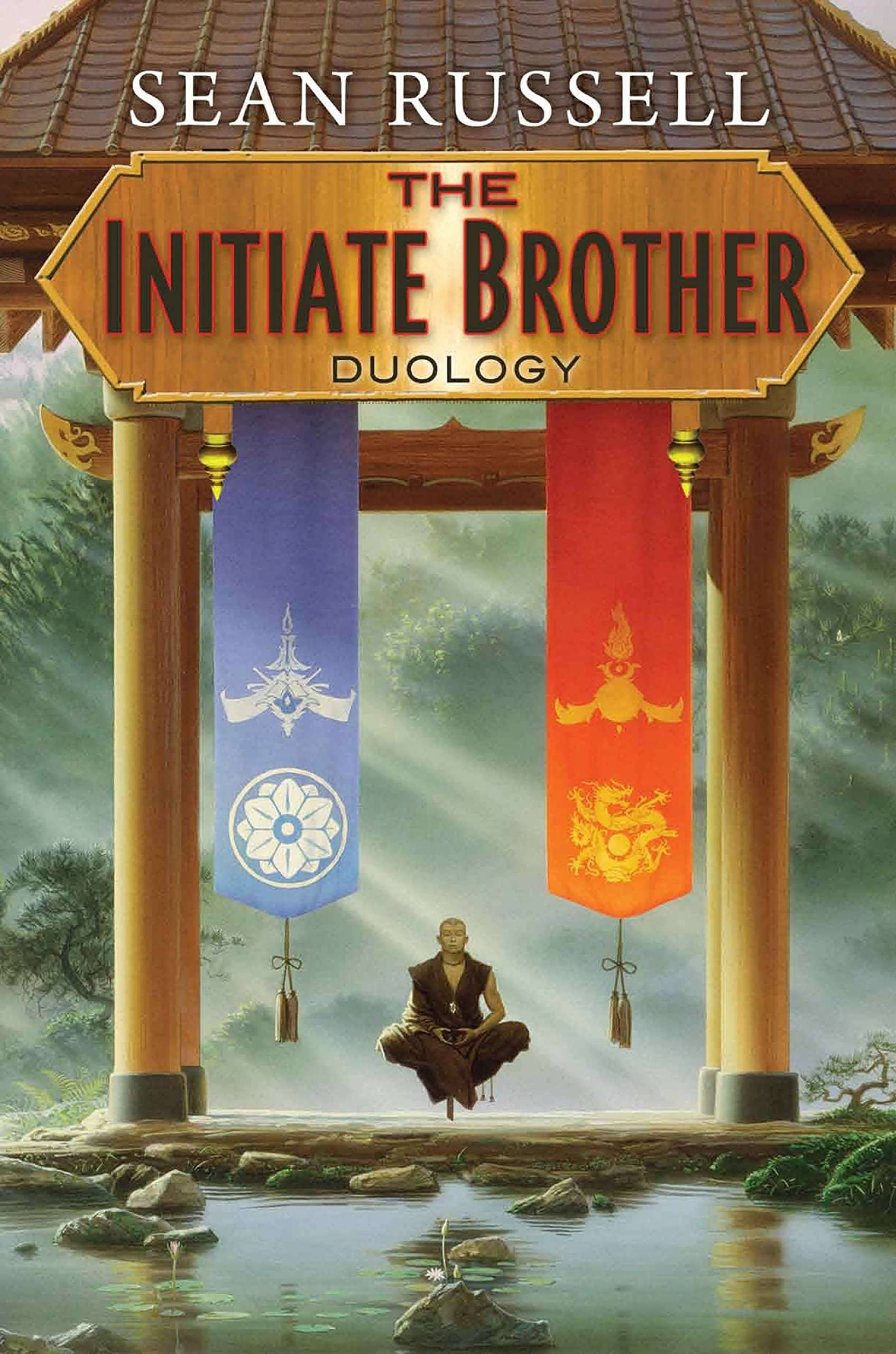
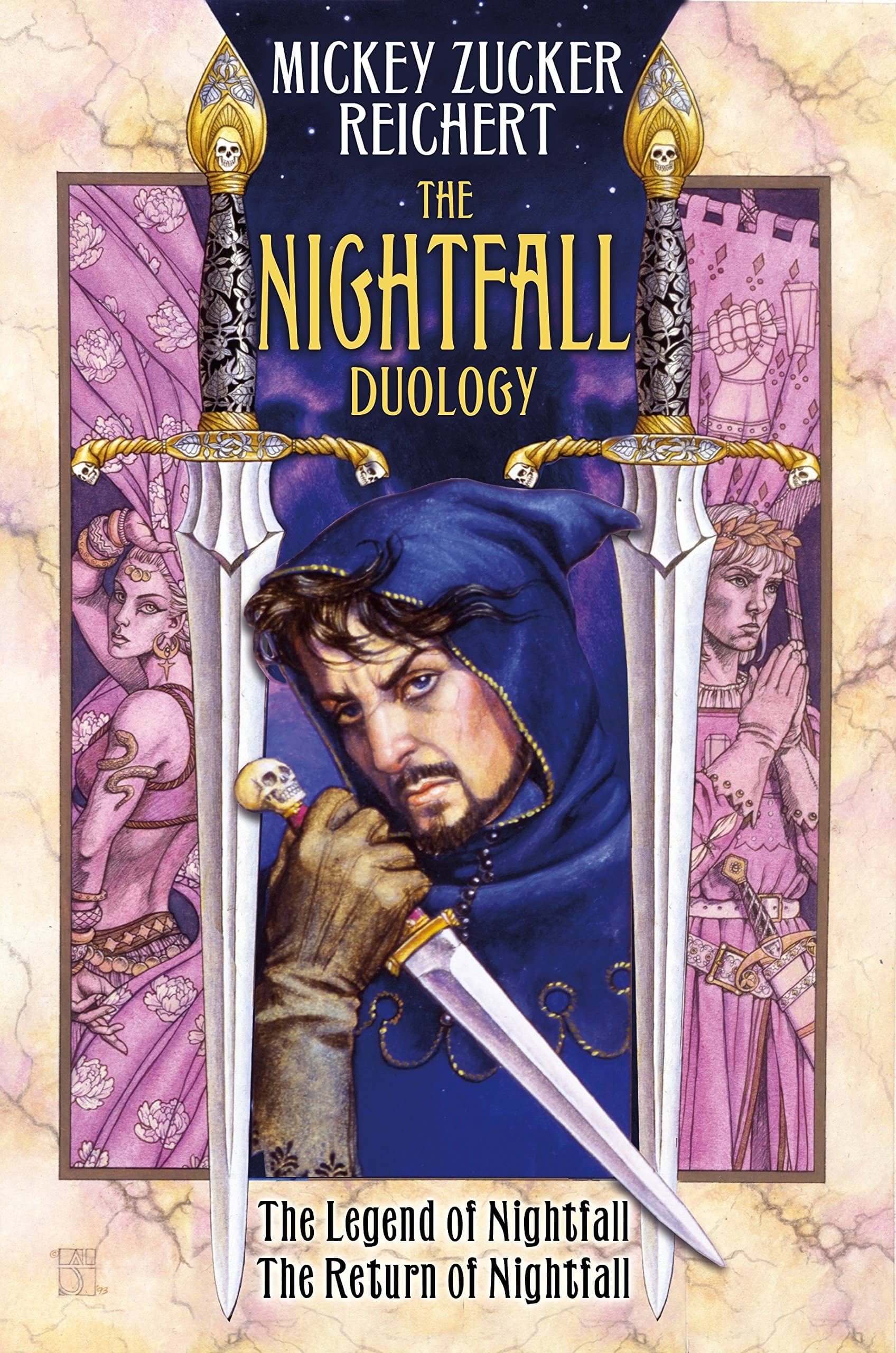
The Initiate Brother Duology-small The Nightfall Duology-small Species Imperative-small

DAW Books was founded in 1971 by uber-editor Donald A. Wollheim after he left Ace Books. In the last five decades it’s published almost two thousand science fiction and fantasy novels (W. Michael Gear’s Pariah, released on May 14, is Daw Book #1823), and it has launched the careers of hundreds of writers, including C. J. Cherryh, Julie E. Czerneda, Patrick Rothfuss, Tad Williams, Kristen Britain, Melanie Rawn, Violette Malan, and Tanith Lee.

Right. So there’s lots of reasons to love DAW Books. But here’s another one you may not be aware of: it has a fascinating tradition of re-releasing much of its most popular SF and fantasy in compact and affordable paperback omnibus editions. In fact, of those 1800 DAW titles released since 1971, nearly a hundred are omnibus editions, many of which are still in print.

Hard to believe? I didn’t believe it myself until I found all three of the omnibus collections above in a recent trip to my local B&N and, after I brought them home, began to poke around to see just how many others were still available. I counted well over 50 without even trying. Here they are.

Read More Read More

New Treasures: Zero Bomb by M.T. Hill

New Treasures: Zero Bomb by M.T. Hill

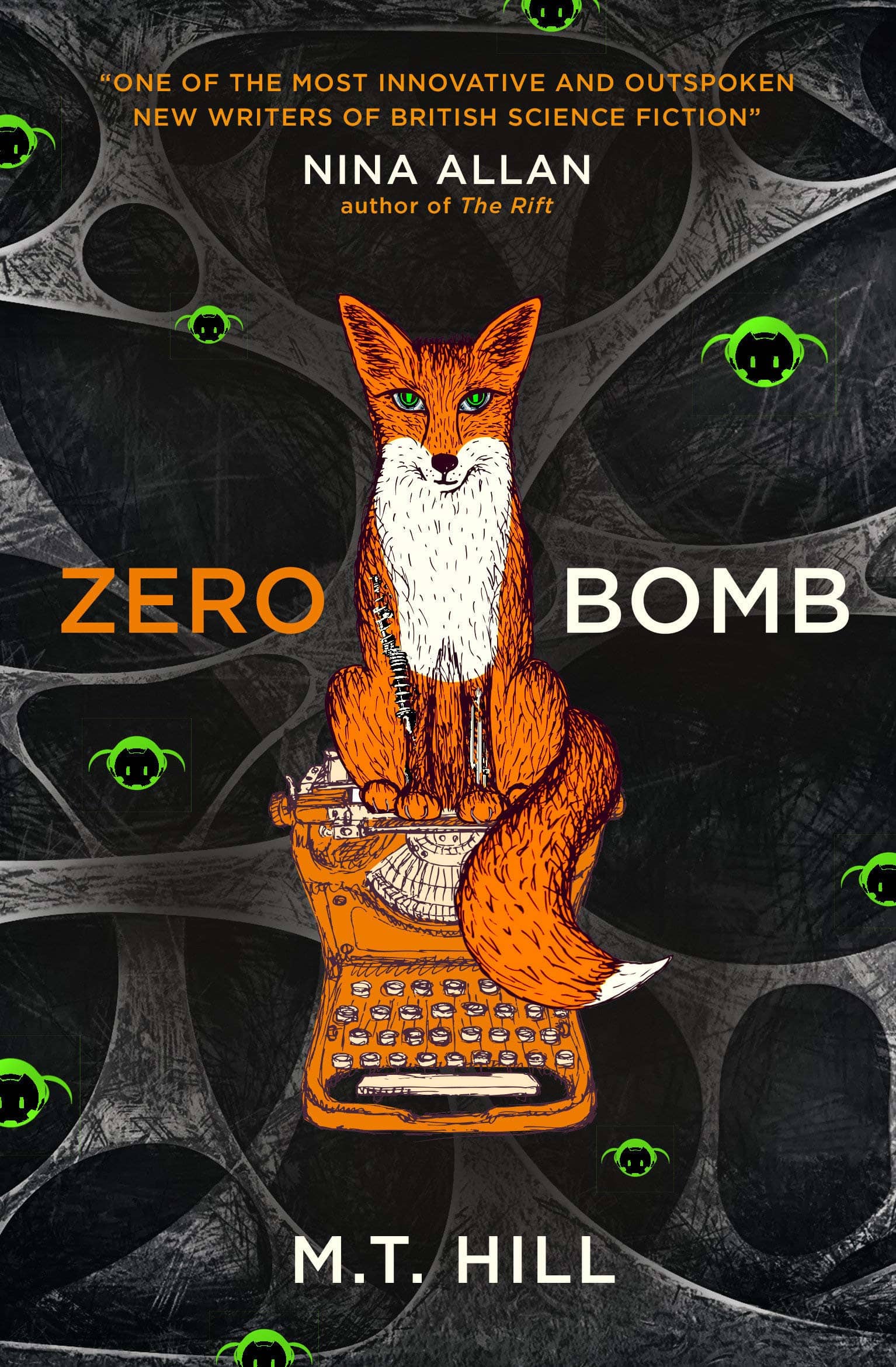
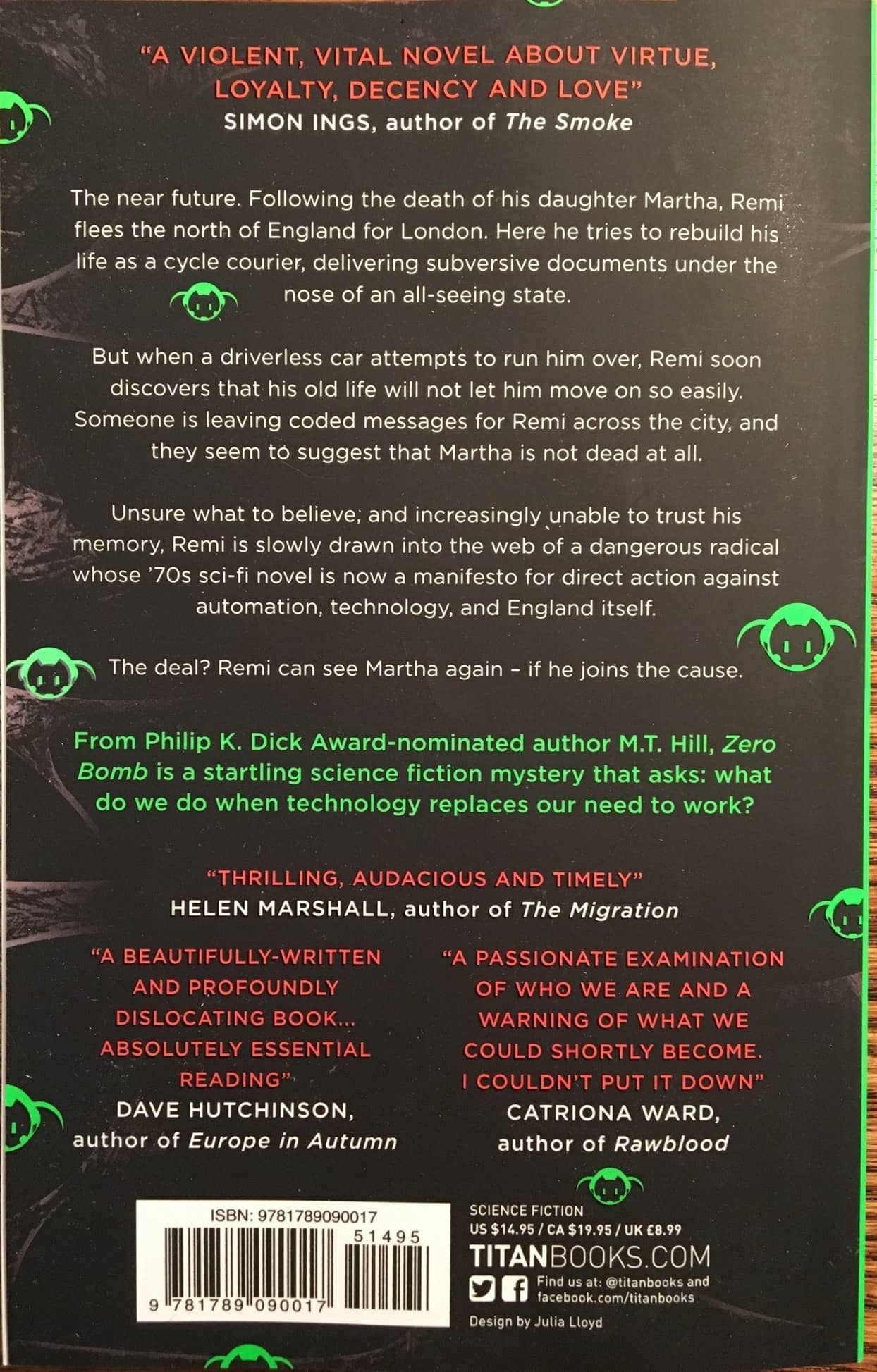
Zero Bomb-small Zero Bomb-back-small

Cover by Julia Lloyd

M.T. Hill used to write under the name Matt Hill. Under that name he published the 2017 Philip K. Dick Award nominee Graft, which we covered back in 2016. Lots of folks really liked that book; Edward J Rathke called it “a brilliant eulogy for our ruined future” and Publishers Weekly said it “captures the dark underbelly of Manchester in visceral prose… [a] refreshing take on a futuristic mystery.” His follow-up Zero Bomb was released in March, and is already winning accolades. Here’s an excerpt from Paul Di Filippo’s Locus Online review.

The byline M.T. Hill is a not-too-opaque screen for the writer Matt Hill, whose two previous books under that name have been The Folded Man (2013) and Graft (2016). I mention this fact only because his third novel, Zero Bomb, is so good that you will want to snatch up copies of the first two, as I just did… It features a not-unfamiliar and especially au courant theme — near-future societal and technological collapse — but presents it in so poignant and authentic and original a manner… that it feels fresh, insightful and powerful.

Part I opens in the year 2030, and focuses on a man, approaching middle age, named Remi. Due to a family tragedy — the death of his young daughter Martha — Remi suffers a mental breakdown and abandons his wife Joan and every aspect of his successful life. He becomes more or less a vagrant temp-worker, gets hooked on the drug spark, recovers, and begins to lift himself out of the pit of despair and nihilism. When the tale really kicks off, Remi is a bike messenger in London… One day his current errand is short-circuited when a driverless car attempts to kill him. After that, the deluge. Remi is contacted by a cybernetic fox, who, we eventually learn, is named Rupal, and is one of the more charming personages in the story. The fox delivers a package to Remi with instructions for delivery. Arriving, coerced, at his destination, Remi discovers he has been enrolled willy-nilly in a conspiracy to topple the civilization of “automatic England…” The whole conspiracy is modeled on an old SF novel from 1971: The Cold Veil, by Laurel M. Brace. In fact, Brace might still be around and leading the movement. Part II leaves Remi behind and gives us an abridged sample of The Cold Veil itself. It’s a spot-on rendition of such an artifact from a different era.

Zero Bomb was published by Titan Books on March 19, 2019. It is 303 pages, priced at $14.95 in trade paperback and $3.99 in digital formats. The cover was designed by Julia Lloyd. Read an excerpt at Tor.com. According to Hill’s website, Zero Bomb and his upcoming novel The Breach (Titan, March 2020) “share a fictional northern town called Dillock… but they’re otherwise standalone.”

A Tale of Two Covers: If This Goes On edited by Charles Nuetzel and Cat Rambo

A Tale of Two Covers: If This Goes On edited by Charles Nuetzel and Cat Rambo

If This Goes On Charles Nuetzel If This Goes On Cat Rambo-small

Art by Albert Nuetzell and Bernard Lee

If This Goes On seems like the perfect title for a science fiction anthology; I’m surprised it hasn’t been used more often. It was first used by Robert A. Heinlein for his 1940 famous novella, which became a key part of his massive science fiction Future History. The story won a Retro Hugo in 2016, but was renamed Revolt in 2100 for its publication as a novel in 1953. Charles Nuetzel co-opted the title 25 years after Heinlein used it for his first (and only) anthology, published in paperback in 1965, reprinting stories by Fredric Brown, Richard Matheson, A. E. van Vogt, Isaac Asimov, Fritz Leiber, Forrest J. Ackerman, and others (above left).

My recent interest springs, of course, from Cat Rambo’s brand new anthology If This Goes On (above right), funded by a June 2018 $12,000 Kickstarter campaign and published in trade paperback by our friends at Parvus Press in March. It contains 30 brand new SF tales by some of the most exciting writers in the field today, including Andy Duncan, Nisi Shawl, Sarah Pinsker, Scott Edelman, Beth Dawkins, and many more. Subtitled The Science Fiction Future of Today’s Politics, this ambitious anthology looks at what today’s politics and policies will do to shape our world a generation from now. Tales within include:

  • “Green Glass: A Love Story” by Lily Yu, Hugo and World Fantasy Award nominee, and winner of the 2012 John W. Campbell Award for Best New Writer, filters the future of now through a wholly relatable lens: relationships and marriage.
  • Hugo-winning editor Scott Edelman’s “The Stranded Time Traveler Embraces the Inevitable” expertly employs an age-old science fiction convention to tell a deeply human tale of love, loss, and desperate hope.
  • Streaming our everyday lives has become commonplace, but in “Making Happy” Zandra Renwick examines a very uncommon consequence of broadcasting your every experience.
  • Former Minnesota Viking and noted equal rights advocate Chris Kluwe’s “The Machine” deals with one of the most important and hotly contested questions of the day: what truly defines citizenship and American identity?
  • Nebula winner Sarah Pinsker’s “That Our Flag Was Still There” uses possibly the most powerful symbol in American iconography to create a frightening and darkly illuminating vision of freedom of speech.
  • NAACP Image Award winner for Outstanding Literary Work Steven Barnes offers up the consequences of integrating technology and surveillance into our daily lives with his detective story “The Last Adventure of Jack Laff: The Dayveil Gambit”

Here’s the complete Table of Contents.

Read More Read More

The Triumphant Return of Fantomas

The Triumphant Return of Fantomas

The Wrath Of Fantomas-smallThe Wrath of Fantomas is a book I approached with extreme prejudice. It’s a graphic novel that seeks to present a new version of Pierre Souvestre and Marcel Allain’s Fantomas series, which proved so successful when it was introduced a scant 108 years ago. As a rule, I dislike the concept of rebooting a series.

When first discovering a book series as a kid, continuity was key. It made a property more meaningful if there were numerous volumes to find and devour. Scouring used bookstores for dogeared copies of the missing pieces in the narrative puzzle made such books far more valuable to me. It seemed there were always a half dozen series I was working on completing in those decades long before the internet. They form some of the happiest memories of my formative years.

The entire concept of rebooting a series as a jumping-on point for new readers (or viewers, in the case of films) is distasteful to me. It devalues the worth of the original works. It suggests a series can be boiled down to its lowest common denominator and elements juggled so that a name and basic concept are enough to move forward with renewed sense of purpose.

Generally, in these overly sensitive times of ours, it also means elements that are no longer fashionable or politically acceptable will be whitewashed, bowdlerized, and otherwise made acceptable for Stalin, Mao, or whomever else has the clout to say censorship is required when the past inconveniently reminds us people were always flawed, unfair, uncouth, or sometimes just bluntly honest.

Read More Read More