Goth Chick News: The Creature Had Good Taste and So Does Tim Burton
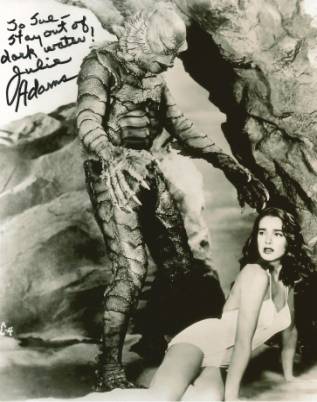 As it may have been with you, for me it all started with the original Universal Studios’ monster movies.
By “it,” I mean a lifelong fandom of the black and white, the subliminal scare, the camera angles and the long shadows; the classics created not because they were drenched in buckets of gore and nauseating realism, but because, as Bela Lugosi said in Ed Wood:
They were mythic. They had a poetry to them
Sigh.
Naturally, meeting someone associated with one of these films is the Goth Chick equivalent to winning the lottery; especially as those individuals who still are around to meet often do not venture far from the sunny and warm climates where they have retired.
Last weekend, Christmas came early when two of my all-time favorites from vintage Hollywood horror found their way to Chicago to attend The Hollywood Show.
Ms. Julie Adams, whose very presence and bearing makes you want to call her ma’am, is best known to many for her portrayal of bathing beauty Kay Lawrence in Universal’s 1954 classic The Creature from the Black Lagoon. Admittedly, my knowledge of Ms. Adams’ fifty-seven year career was extremely limited which she teasingly pointed out.
I wasn’t just the bit of cheesecake in the Creature movie you know. I actually worked with Elvis too!
Correct on both counts.
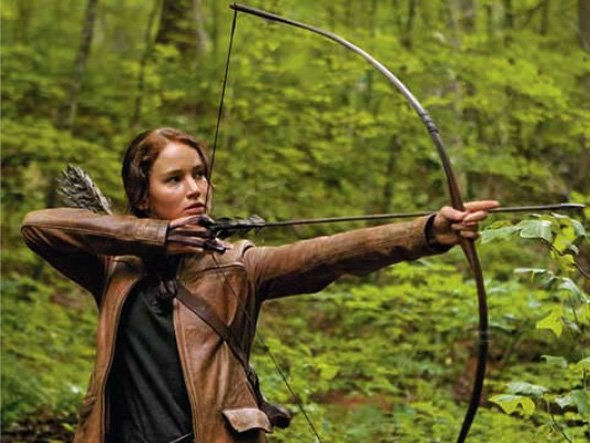 The cheap shots are kind of tempting — analogies, or allegories even, about the SAT as a form of gladiatorial combat. Some of my students do experience the test that way. Certainly the SAT has become a fasting ordeal, now that it’s four hours long and still allows only one break long enough for scarfing down an energy bar. But I’m not enlisting the aid of Katniss Everdeen to fight the College Board over its test. Odd as it sounds, there are some admirable, humane aspects to the SAT in its current incarnation. I’ve just started using the Neo-Roman culture of Suzanne Collins’s Panem setting to work to take the fear out of Latin-derived vocabulary words.
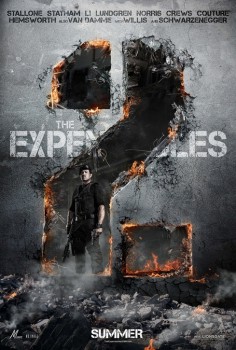 Two years ago I walked out of a theater showing The Expendables, shaking my head in mild bewilderment. I don’t just have a high tolerance for ‘80s action cheese; I actively embrace it. I was nearly as excited about the release on Blu-ray last week of Death Wish 3 as I was about Jaws’s simultaneous hi-def debut. (Well, not really, but that’s my way of drawing your attention to what an over-the-top great/stupid movie we have in Death Wish 3.) But 2010’s The Expendables pushed none of my buttons. It was dull, the action flat, and Stallone seemed to think audiences would care about the tangled romantic lives of his and Jason Statham’s characters (at the expense of the rest of the cast). Stallone also seemed ignorant of the premise’s goofy appeal and played too much of it straight. The film ended up wasting most of the names on the marquee and couldn’t live up to its modest goals. It was also badly tarted-up with occasional post-production blood to get an R rating after it was shot for PG-13. It was a misfire for what looked like a simple shot.
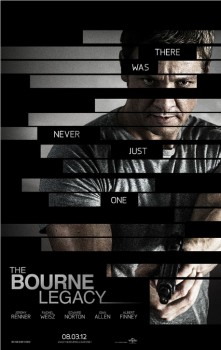 The Bourne Legacy, Paramount’s attempt to extend their successful Jason Bourne franchise — based very loosely on the novels of Robert Ludlum — does give the impression of the first film of a trilogy. It feels like The Bourne Identity (2002), the inaugural movie of the Matt Damon trilogy: it’s a starting point with some excellent sections, but also the nagging sense that all the finest moments are yet to come. Overall, there is something slight about the enterprise, making it a minor disappointment for a film I hoped would salvage August. Will Expendables 2 be this year’s “August Surprise”? I never thought that might be a possibility at the beginning of the season.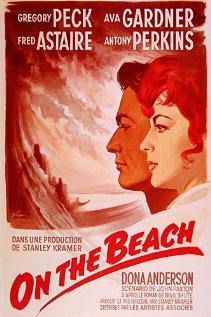
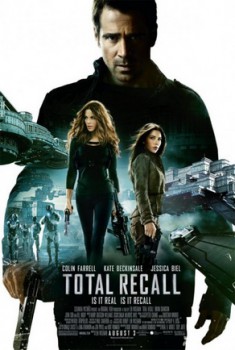 In a charming case of movie irony, the new Total Recall has already been mostly forgotten, even though it only came out on Friday. The Dark Knight Rises, in its third week, handily crushed the Len Wiseman-directed remake. I’m writing this on Tuesday, and it already feels as if the movie was never even released: it was a dream implant that never took, and the original memory of the 1990 Paul Verhoeven-Arnold Schwarzenegger Summer blockbuster has already taken back all the cerebral space. Nonetheless, I’ll still perform this brain autopsy on Total Recall ’12 to see why no one bothered to show up except for people writing reviews.
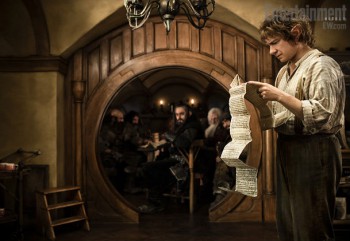 Fans of Peter Jackson’s The Lord of the Rings should be thrilled that The Hobbit, originally planned as two feature films,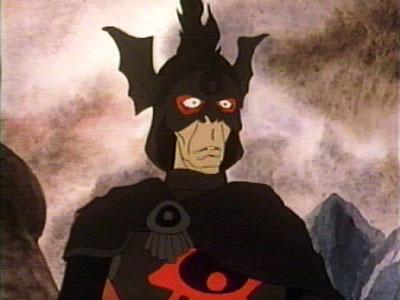
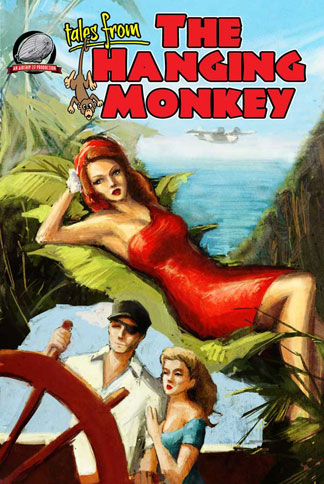 Tales of the Gold Monkey only lasted one season in the early 1980s, but the series has developed a steady cult following in the years since its brief network run. Dismissed as nothing more than an inferior small screen knockoff of the contemporaneous Raiders of the Lost Ark, the series has finally started to earn the recognition denied it at the time. While it took a Hollywood blockbuster to convince network executives to green-light the series, the proposal had been around since the 1970s and the show was conceived, like Raiders, in homage to the serials and classic adventure stories of the past.