Browsed by
Category: Editor’s Blog

The blog posts of Black Gate Managing Editor Howard Andrew Jones and Editor John O’Neill

The Top Black Gate Posts in January

The Top Black Gate Posts in January

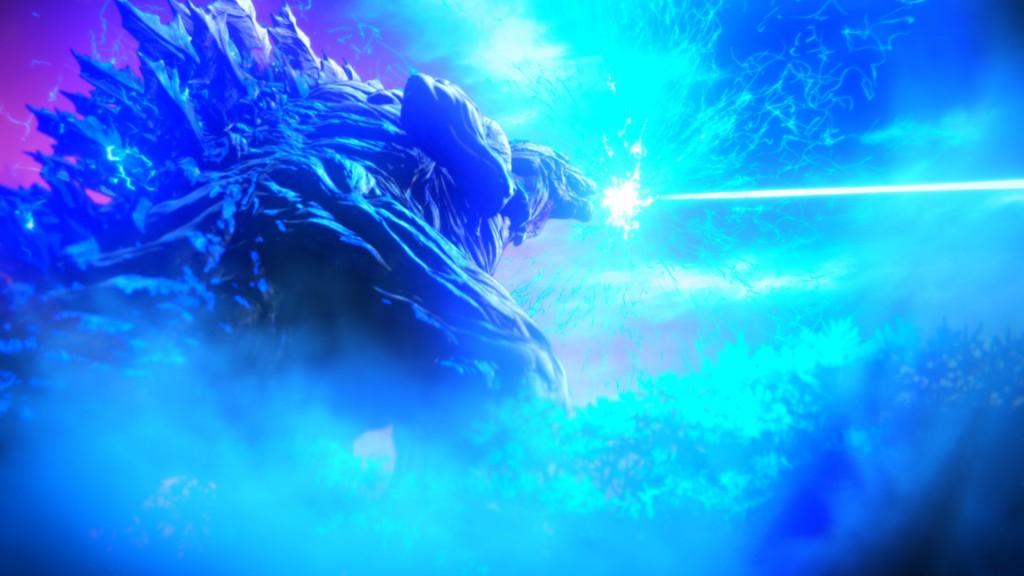
godzilla-planet-of-monsters-radioactive-blast

Ryan Harvey was the man to beat at Black Gate in January. He claimed three of the Top Ten articles — including our overall most popular post last month, a review of the new animated film Godzilla: Planet of the Monsters.

Bob Byrne came in at #2 with his Conan pastiche review round-up, “By Crom: Some Conans are More Equal Than Others…” Fletcher Vredenburgh took third with a look at J.R.R. Tolkien’s The Children of Húrin. Derek Kunsken’s review of Frank Herbert’s classic Dune was the fourth most popular post in January, and Fletcher rounded out the Top Five with “Why I’m Here – Part Two: Some Thoughts on Old Books and Appendix N.”

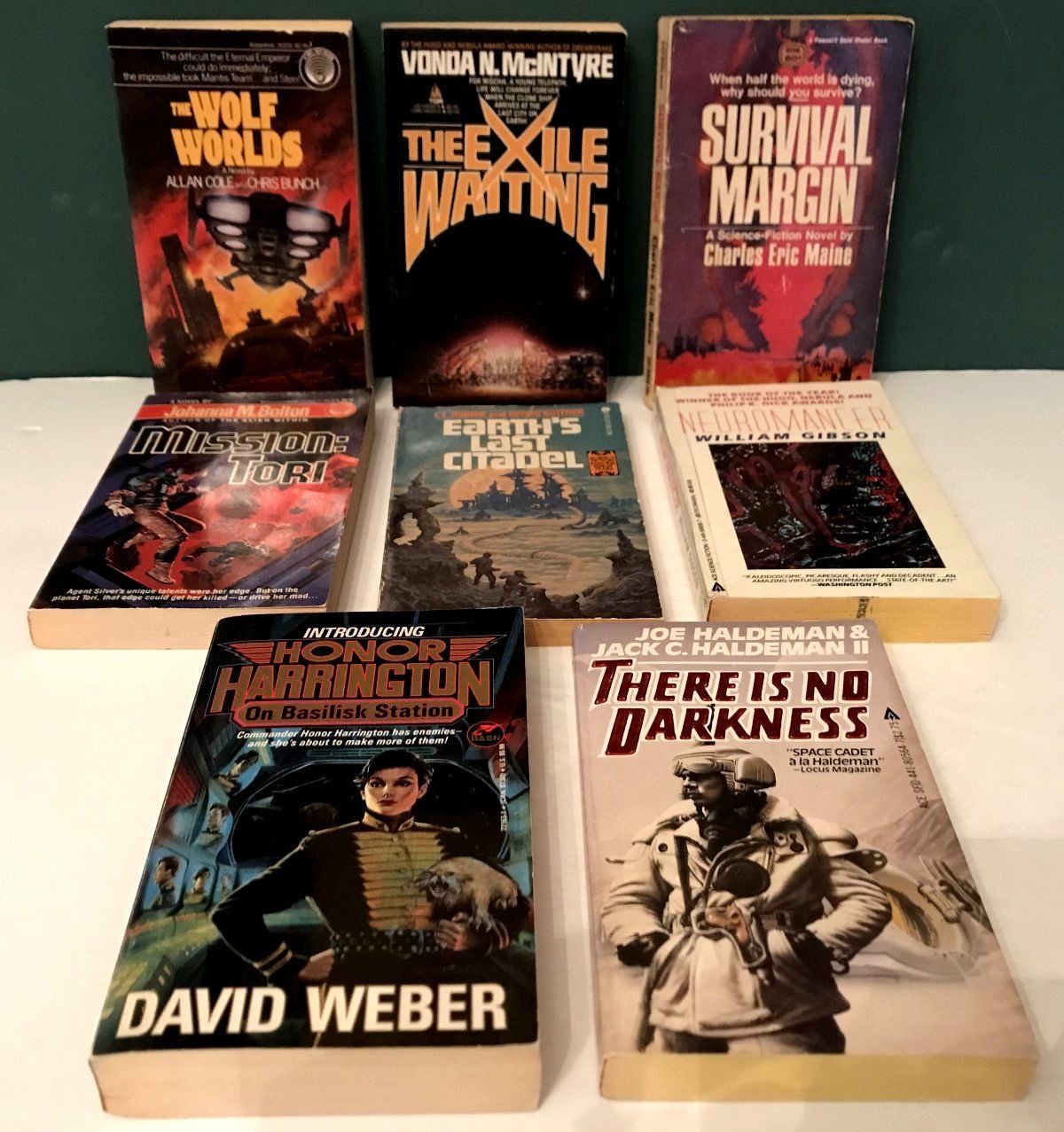
Our obituary for the great Ursula K. Le Guin was #6, followed by John DeNardo’s Definitive List of the Best Science Fiction and Fantasy of last year. Eighth was my article on vintage paperbacks, “Christmas for the Paperback Collector,” followed by Ryan’s review of Beyond the Farthest Star by Edgar Rice Burroughs. Ryan closed out the Top Ten with a piece on that Saturday morning classic, Warlords of Atlantis.

Read More Read More

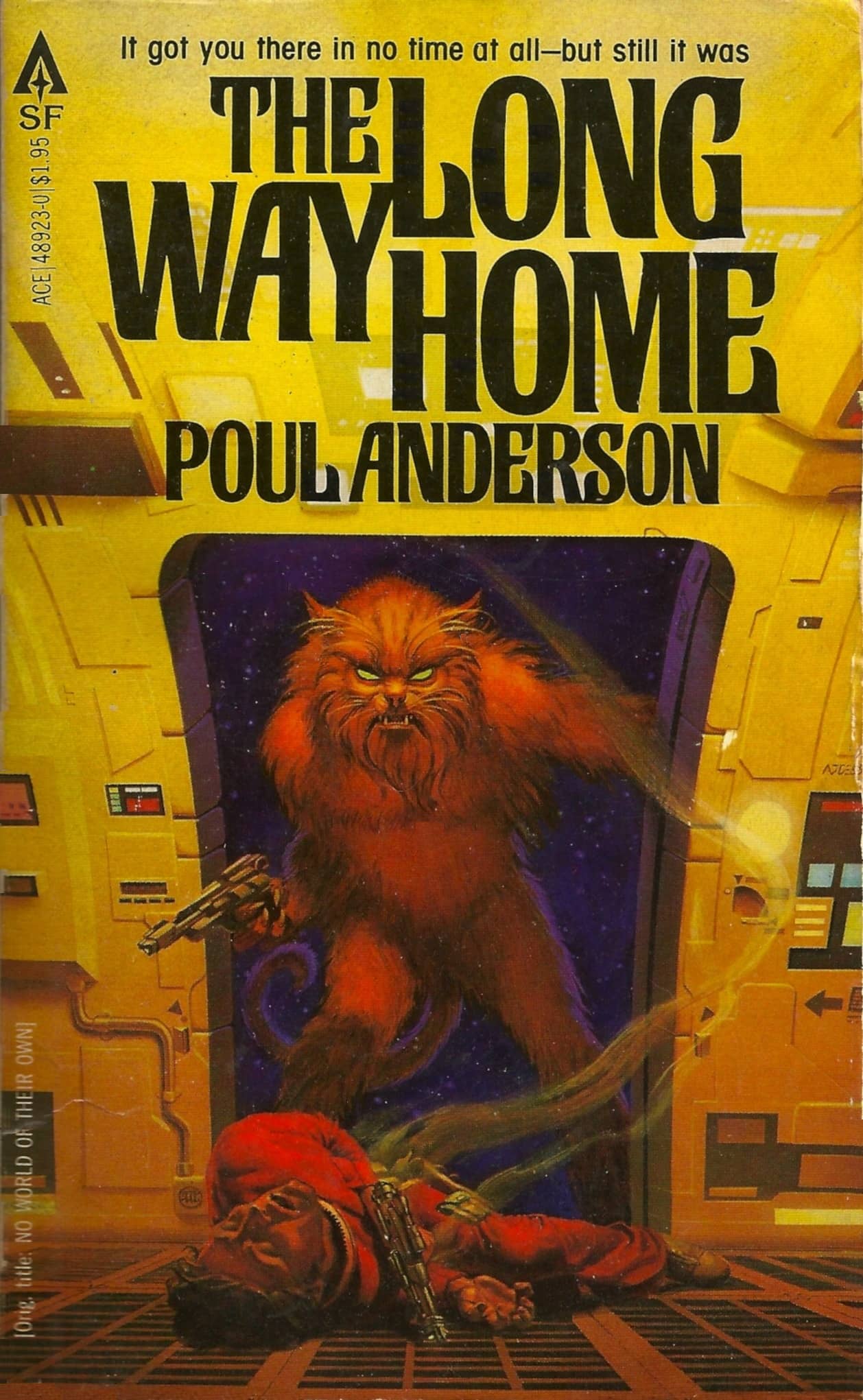
Vintage Treasures: The Long Way Home by Poul Anderson

Vintage Treasures: The Long Way Home by Poul Anderson

The Long Way Home Poul Anderson-small The Long Way Home Poul Anderson-back-small

Cover by Michael Whelan

When Jim Baen left Ace to found Baen Books in 1983, he implemented a publishing strategy that served him well for decades: buying up the back catalog of popular authors and re-issuing them in visually similar covers that could be identified at a glance on crowded bookstore shelves. It was a strategy he learned while working under Tom Doherty at Ace Books from 1977-1980 (and refined under Doherty at Tor Book from 1980 – 1983).

While at Ace, Baen’s genius was to marry popular authors that had substantial back catalogs — like Andre Norton, Gordon R. Dickson, and Keith Laumer — with brilliant new cover artists. For me the exemplar of this strategy was Poul Anderson’s late 70s Ace editions, given new life by the striking world of a rising new artist named Michael Whelan.

When Richard Powers single-handedly remade science fiction art in the late 60s, it wasn’t long before bookshelves were overrun with abstract art. SF paperbacks, once criticized for pulp-era sameness and tired spaceship motifs, now suffered from a very different but no less stifling form of sameness. Plenty of writers were victims of the “Powers revolution” in SF art in the 1960s, but I think Poul Anderson was more victimized than most. His colorful tales of science fiction adventure on far planets were sold to the public under abstract covers that told them nothing about what they were getting.

Read More Read More

A Farewell to Roc Books

A Farewell to Roc Books

logo-pub-rocThe big 2017 Year in Review issue of Locus magazine arrived this week, and the second paragraph of the annual summary confirmed something that’s been whispered in fannish circles for a few months: that parent company Penguin Group has “quietly retired” the Roc Books imprint, folding it in with its existing Ace line. Only four books with the Roc logo were published last year, and none is on the schedule for this year. It’s the end of an era in many ways.

Roc Books was founded by John Silbersack in 1990. Over the last 27 years it has published hundreds of science fiction and fantasy titles by Isaac Asimov, Ursula K. Le Guin, Guy Gavriel Kay, Peter S. Beagle, Arthur C. Clarke, Nancy A. Collins, Terry Pratchett, Andre Norton, and hundreds of others. It had a well-deserved reputation for taking chances on new authors, and many of those gambles pay off handsomely, like Jim Butcher, Anne Bishop, Carol Berg, Rob Thurman, and many more. Roc proved to be a warm home for many Black Gate authors, including E.E. Knight, Devon Monk, and others.

There were many reasons to be a Roc fan over the decades. For me, they were simple. The editorial team had a profound and enduring appreciation for adventure fantasy, especially during the lean years when the market turned towards YA dystopias, paranormal romance, and other trendy niches. They loved a great series, and gave many quality series the time they needed to truly find an audience. The whole line had a distinct look, so much so that for 27 years you could tell a Roc Book at a glance.

The editors, authors, artists and packagers at Roc Books gave us countless hours of reading pleasure over the past quarter century. Penguin has decided to quietly retire the imprint, but there’s no reason we have to let them go without a worthy send-off. If you’ve got a favorite Roc title or two, I invite you to help us say farewell by giving them a shout-out in the comments.

Unbound Worlds on the Best Sci-Fi and Fantasy Books of February 2018

Unbound Worlds on the Best Sci-Fi and Fantasy Books of February 2018

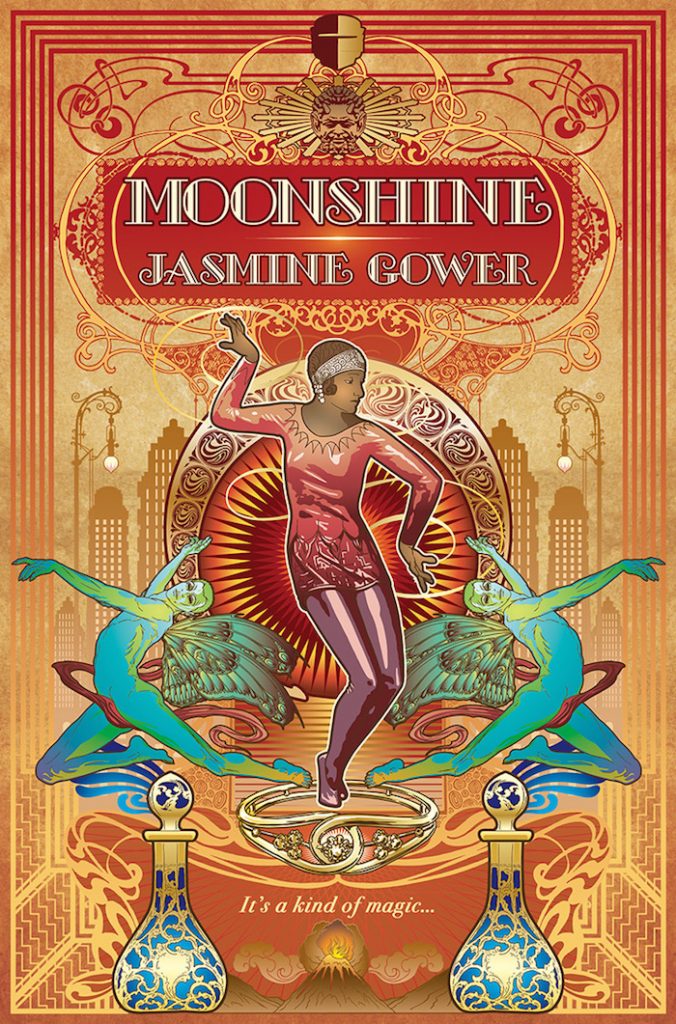
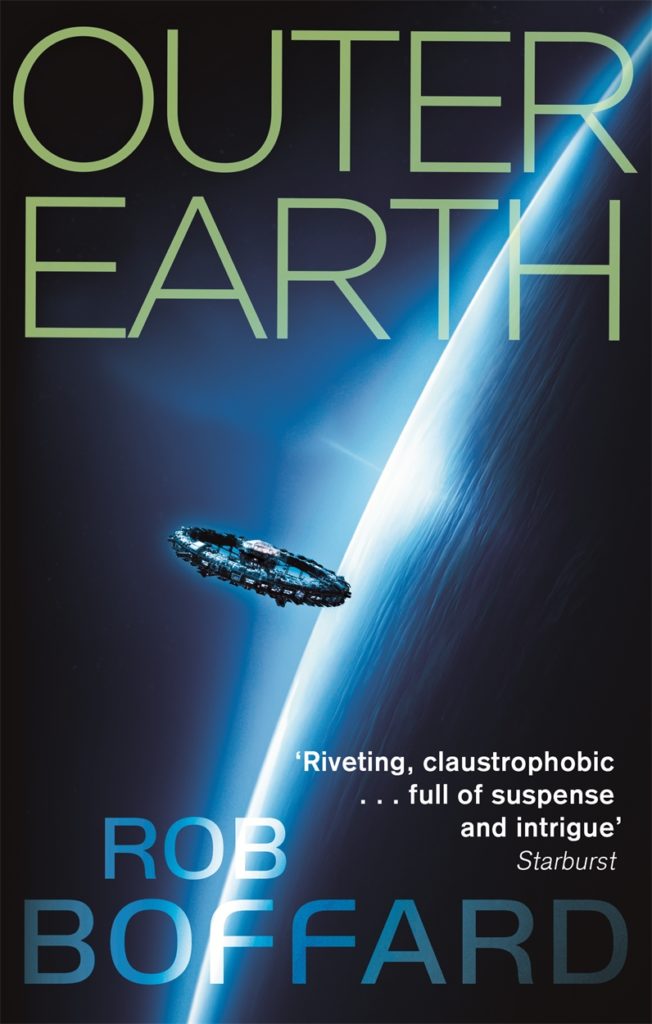
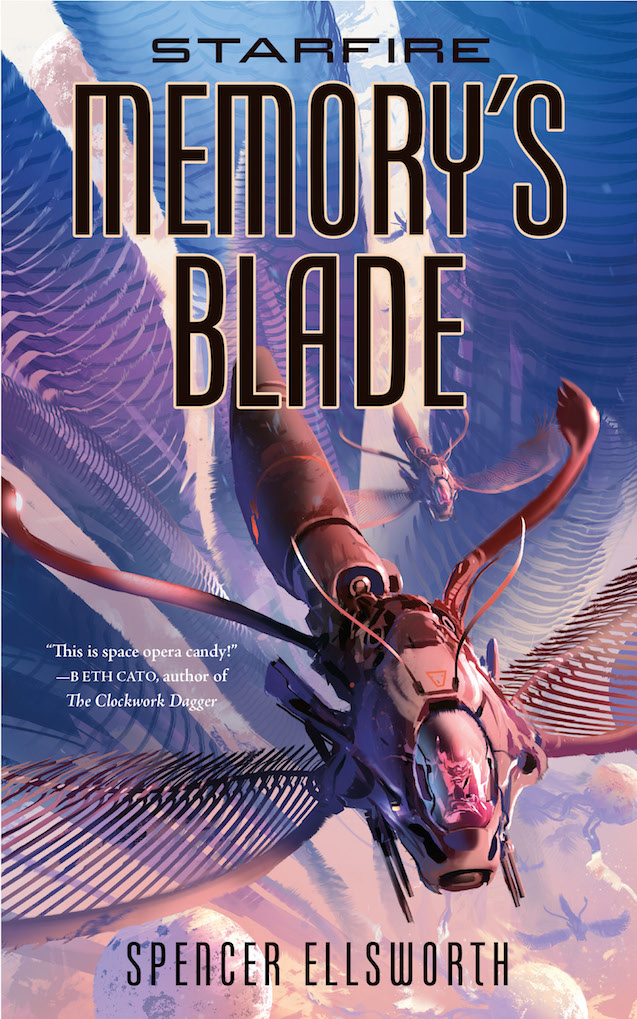
Moonshine Jasmine Gower-small Outer Earth Rod Boffard-small Starfire Memory's Blade-small

I used to take pride in keeping tabs on the releases from all the major publishers. Nowadays I’m happy if I can putter over to the bookstore once a month. What brought on this tide of sloth? The fact that so many others do it vastly better than I do.

Take Matt Staggs at Unbound Worlds for example. His recent article on the Best Sci-Fi and Fantasy Books of February 2018 includes no less than 33 titles, from Myke Cole, R.A. Salvatore, Laura Bickle, Jon Sprunk, W. Michael Gear, Jo Walton, Kelly Barnhill, William C. Dietz, John Kessel, Karin Tidbeck, Gini Koch, and many others. That’s more than a book a day! If you need more guidance than that in a short month like February, God help you.

Here’s a few of the highlights from Matt’s list, starting with the debut novel from Jasmine Gower, set in an alternative Chicago during Prohibition where magic, not alcohol, is the banned substance.

Read More Read More

Larque Press on Genre Magazine Sales in 2017

Larque Press on Genre Magazine Sales in 2017

2017 science fiction magazines-small

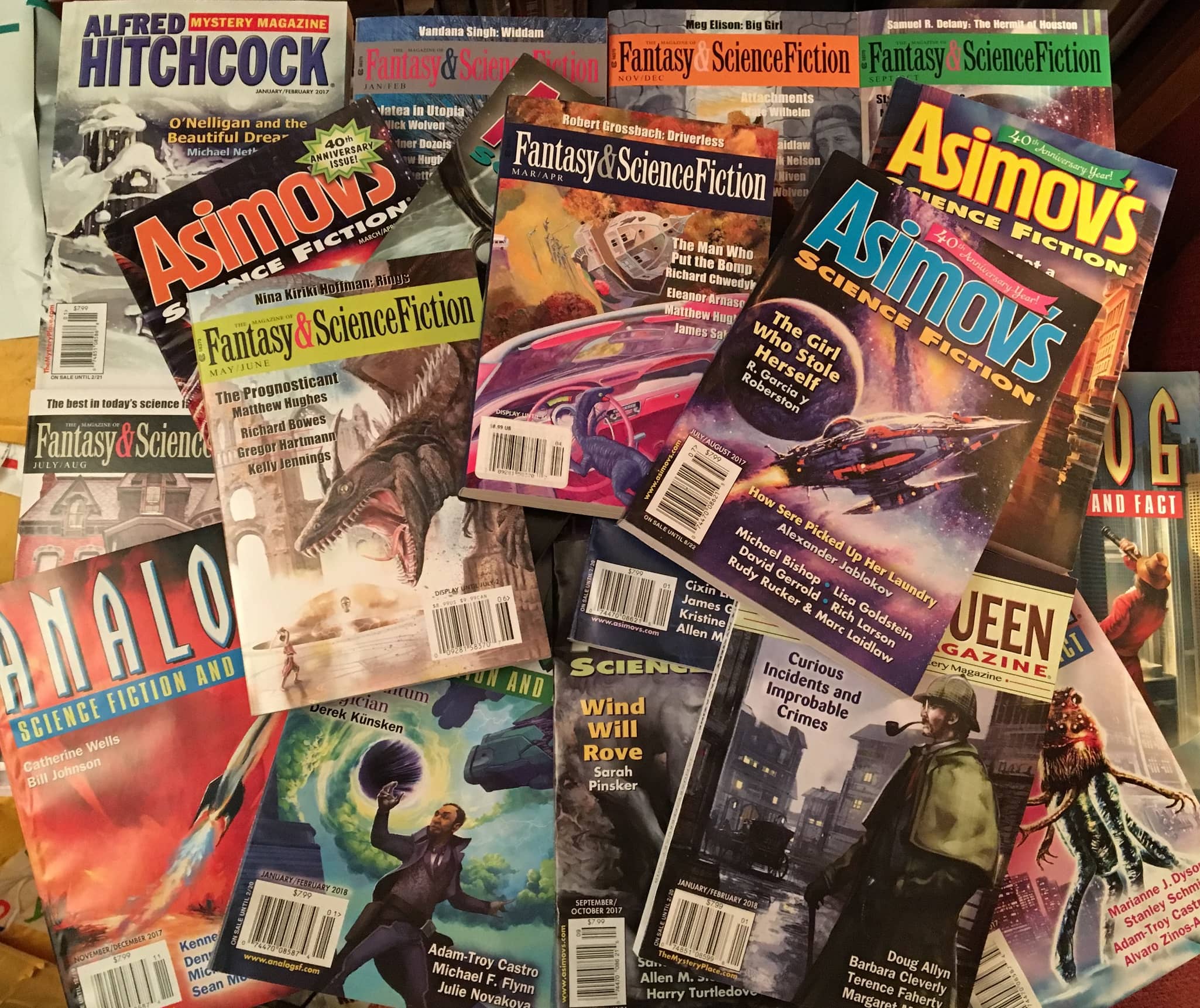
Larque Press, publishers of the excellent The Digest Enthusiast magazine, have a look at the Total Paid Distribution for the remaining genre print magazines like Analog, Asimov’s SF, Ellery Queen’s Mystery Magazine (all from Dell Magazines), and The Magazine of Fantasy & Science Fiction.

The release of the Jan/Feb issues of Dell’s digest magazines marks the first year of their bi-monthly, double-issue format. The issues also provide the publisher’s statements of ownership, which include the average number of copies for a variety of categories, over a preceding 12-month period, for the print editions. Magazines print more copies than they sell through subscriptions and newsstands. For the big five digests, excess inventory is offered in Value Packs on their websites. A great opportunity for readers to try out recent issues of a title at a fraction of its regular price.

Dell and F&SF sell far more issues via subscriptions than newsstands. For the most part, combining the two gives you the total paid circulation. However, it’s important to note these numbers don’t include digital sales, which are likely on the rise… Except for F&SF, the year-over-year numbers show declines of ~500–1000. Is this due to thicker, less frequent issues, general magazine publishing trends, distribution challenges, or something else? Without numbers on digital edition sales, it’s unclear.

Analog sold an average of 18,957 print copies of each issue last year, while Asimov’s SF sold 13,320. While these numbers are down from last year, what really impresses me is the marvelous operational efficiencies of Dell Magazines, which continues to streamline operations and sell these magazines at a profit year after year, despite decades of declining print readership. With all the publishing ventures that fail each and every week (such as the dismal news today that venerable Mayfair Games, US publisher of Settlers of Catan and Iron Dragon, is shutting down), I’m continually thankful that Dell Magazines has steadfastly weathered the storm. See our recent review of the Asimov’s/Analog Value packs here, and read more details at the Larque Press website.

Vintage Treasures: The Exile Waiting by Vonda N. McIntyre

Vintage Treasures: The Exile Waiting by Vonda N. McIntyre

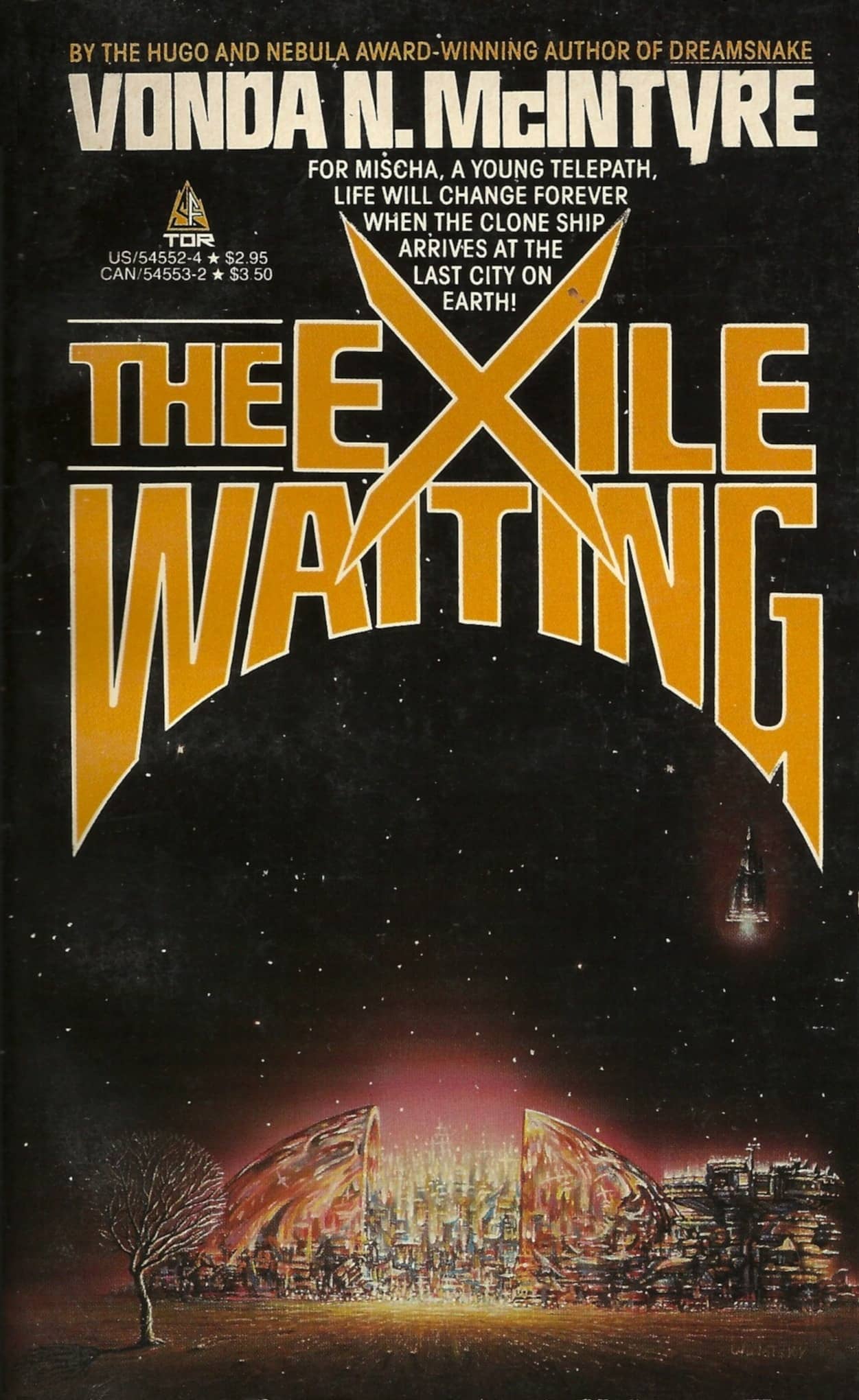
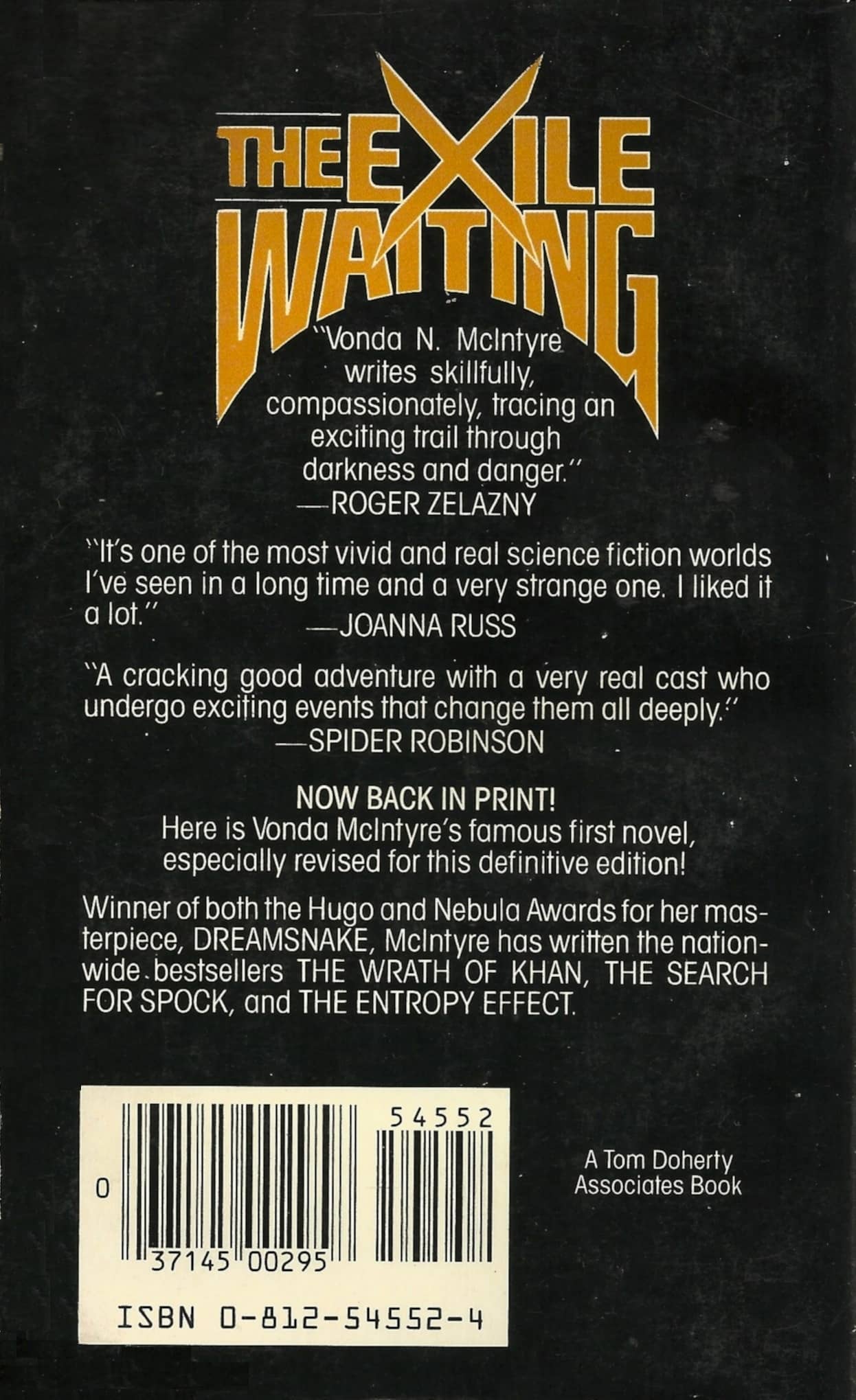
The Exile Waiting-small The Exile Waiting-back-small

Usually I use a Vintage Treasure post to celebrate a book I enjoyed decades ago, or a tough-to-find artifact that I’ve finally tracked down. But not always. Sometimes they’re just surprises.

The 1985 Tor paperback The Exile Waiting is a fine example. It showed up in a small collection of vintage paperbacks I bought on eBay last week for $5.95. Until then, I had no idea it even existed.

This is a surprise because Vonda N. McIntyre was one of my favorite SF writers of the 70s, and I thought I was paying more attention. Her marvelous novelette “Of Mist, and Grass, and Sand” won the 1973 Nebula Award, and the novel it formed a part of, Dreamsnake (1978), won both the Hugo and Nebula Awards. And in 1997 her novel The Moon and the Sun won the Nebula, beating George R. R. Martin’s A Game of Thrones. That’s not something you see every day.

Read More Read More

The Time of Woe is Upon Us: Warhammer: Chaos in the Old World

The Time of Woe is Upon Us: Warhammer: Chaos in the Old World

Chaos in the Old World-small

I was shopping for fantasy board games online last week, as one does, and I came across a user review of a recent title. It was glowing, and it said “This is my favorite new board game since Chaos in the Old World.”

That reminded me that I’d always intended to take a closer look at Fantasy Flight’s Chaos. It’s a Warhammer game, and I’ve been familiar with the setting for decades. But these days I spent most of my gaming dollars on the far-future version, Warhammer 40,000, and games like Warhammer 40k: Relic and the terrific Forbidden Stars. Now that Fantasy Flight has lost the Warhammer license though, Chaos in the Old World was out of print, and prices were probably starting to creep up. I made up my mind at that point to spend my weekly gaming dollars on a copy, provided I could find one at a reasonable price.

That turned out to be a lot easier said than done. The cheapest copies I could find at Amazon were $279. eBay wasn’t much better — new copies were selling for as much as $300 and up. I gritted my teeth and setting in for a long search.

Read More Read More

Unbound Worlds on a Century of Sword and Planet

Unbound Worlds on a Century of Sword and Planet

A Princess of Mars Penguin Classics-small Planet of Adventure Jack Vance-small Old Venus-small

Who doesn’t love Sword & Planet? No, don’t send me a bunch of declarative e-mail; it was a rhetorical question. Anyway, there’s only one kind of person who doesn’t love Sword & Planet: someone with no joy in their life.

But it’s perfectly okay to not know where to start. Despite celebrating its 100th birthday last year, Sword & Planet is not as popular as its sister genres (Sword & Sorcery, Sword & Six-Gun, Sword and Sandal, Sword & Sextant, Sword & Slupree….). And that’s okay, we love it just the same. But what is Sword & Planet? Matt Staggs does a fine job recapping the rich history of this venerable sub-genre at Unbound Worlds.

Mash together fantasy’s sword-swinging heroes, and the far-out alien civilizations of early science-fiction, and you’ve got Sword and Planet fiction. Arguably the brainchild of Tarzan creator Edgar Rice Burroughs, Sword and Planet tales usually features human protagonists adventuring on a planet teeming with life, intelligent or otherwise. Science takes a backseat to romance and derring-do… Where Sword and Planet can really be seen today is in the influence it has had on popular culture. The lightsabers, blasters, and planet-hopping heroics of Star Wars probably wouldn’t exist were it not for Sword and Planet. Neither would Avatar or Stargate.

Interested? Matt also recommends some classic titles by Edgar Rice Burroughs, Jack Vance, Leigh Brackett, Kenneth Bulmer, Chris Roberson, and others. Here’s a few of his recs.

Read More Read More

Criminals, Invading Armies, and a Dragon Hoard: The Six Kingdoms Novels by Bruce Fergusson

Criminals, Invading Armies, and a Dragon Hoard: The Six Kingdoms Novels by Bruce Fergusson

The Shadow of His Wings Bruce Fergusson-small The Mace of Souls-small Pass on the Cup of Dreams-small

Two weeks ago I bought a small collection of 90s paperbacks online. There wasn’t anything particularly valuable in the set, but there were several books that I didn’t recognize, and that’s always makes me curious. One was John Deakins’s 1990 novel Barrow, which I talked about here. And another was The Mace of Souls by Bruce Fergusson.

I didn’t recognize the name Fergusson. But after a little digging I discovered The Mace of Souls is the middle book in a fantasy trilogy. This shouldn’t have been surprising (statistically 90% of all titles published in the 90s were the middle book of a fantasy trilogy), but it was. I had to track down the other two volumes, and it turns out there’s an interesting story behind it all.

Bruce Fergusson’s debut novel was The Shadow of His Wings, published in hardcover by Arbor House in 1987 and reprinted in paperback in March 1988 by Avon. It was nominated for the Locus Award for Best First Novel, and was a finalist for the Crawford Award for Best First Fantasy Novel. I found this fascinating reference in Orson Scott Card’s essay “The State of Amazing, Astounding, Fantastic Fiction in the Twenty-First Century,” in the 2008 Nebula Awards Showcase.

Trilogies and series dominate, but the exciting thing, for me, is the way that the current crop of fantasy writers steal from every source and make it work… I remember back in 1988, when I read Bruce Fergusson’s seminal In the Shadow of His Wings, thinking this is fantasy as the most serious world-creating sci-fi writers would do it. Fergusson himself didn’t follow up, but the method thrives, as Robin Hobb, George R.R. Martin, Kate Elliot, Brandon Sanderson, and Lynn Flewelling have created masterpieces of thoroughly created worlds that, instead of imitating Tolkien’s choices, imitate his method of creation.

Card was incorrect about Fergusson’s follow-up, however… there are two more novels in the series, and more in the pipeline.

Read More Read More

Andrew Liptak on 18 Science Fiction and Fantasy Books to Read this January

Andrew Liptak on 18 Science Fiction and Fantasy Books to Read this January

Black Star Renegades by Michael Moreci-small Apart in the Dark Ania Ahlborn-small Frankenstein in Baghdad Ahmed Saadawi-small

Holy cats, it’s the last few hours of January. I’m already a month behind on my 2018 reading plan. How the heck did that happen??

In cases like this I’ve learned (through long experience) that it’s best to distract myself with books until the problem goes away. To do that I turn to the always reliable Andrew Liptak at The Verge, and his monthly recommended reading column. Let’s dig in and see what Andrew has for us this month.

First up is the debut novel from Michael Moreci, author of the comic series Roche Limit and Burning Fields. Kirkus Reviews calls Black Star Renegades “A propulsive space opera that is also an unapologetic love letter to Star Wars… Impossible not to love.”

Black Star Renegades by Michael Moreci (St. Martin’s Press, 384 pages, $27.99 in hardcover, January 2, 2018)

A young man named Cade Sura reluctantly controls the most powerful weapon in the galaxy, and it puts him into the path of the evil Praxis Kingdom. Michael Moreci is known for his comic books, but his debut novel is a mashup of familiar tropes from space operas like Star Wars and Guardians of the Galaxy. Kirkus Reviews says that he’s assembled all of these tropes “with such devotion and style that it’s impossible not to love this strange mashup for its own sake.”

Read More Read More