Goth Chick News: Featuring Tabitha, Goth Girl in Training
 During Goth Chick’s absence she’s asked our resident Goth Chick in training, eleven year-old Tabitha, author of our recent review of The House of Dead Maids, to fill in.
Tabitha: What exactly are we supposed to be doing?
Black Gate: Your friend Goth Chick is on vacation this week. She’s asked you to be her replacement on the Black Gate blog.
Tabitha: Goth Chick? The one we go to scary movies with?
Black Gate: Yes.
Um… okay. So what am I supposed to do?
Black Gate: How about you pick some of the scariest books you’ve ever read, and tell me about them.
I’m more of a scary movie person.
BG: But… you’ve told me about a bunch of scary books you’ve read recently.
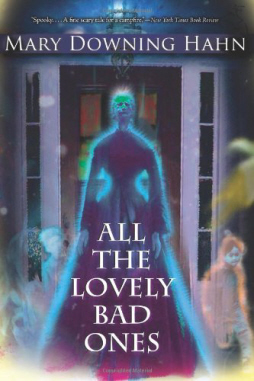
They weren’t very scary. And there’s only one that jumps to mind: All The Lovely Bad Ones.
BG: I’m scared already. Tell me about it.
 The McGill book fair is the largest English-language used book sale in Montreal. It’s been held for decades, every October, on the second Wednesday and Thursday after Thanksgiving (which in Canada is on the second Monday in October). Every year an eclectic mix of thousands of books are sold, helping to raise money for scholarships.
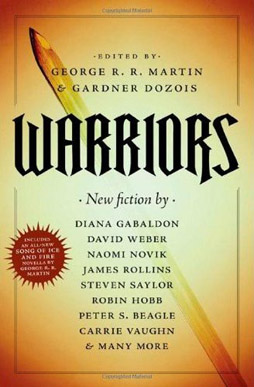 Warriors, edited by George RR Martin & Gardner Dozois