Robert E. Howard and Appendix N: Advanced Readings in D&D
 Gary Gygax’s famous Appendix N, the list of titles he considered essential reading for Dungeon Masters hoping to create authentic adventures for their players, is perhaps the purest distillation of the literary recipe at the heart of modern adventure gaming.
Gygax put Appendix N in the back of his Dungeon Master’s Guide in 1979. Read all the writers on that list and you’ll understand the creative gestalt underlying 20th Century fantasy that eventually exploded into Dungeons & Dragons in 1974.
That’s the theory, anyway. Plenty of people have tried it. It’s sort of the gamer’s version of going walkabout. Immerse yourself in Appendix N and spiritual understanding will be yours. Plus, as a bonus, you end up with a rockin’ library.
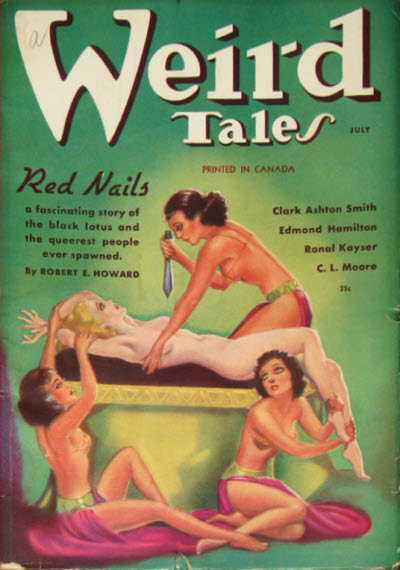
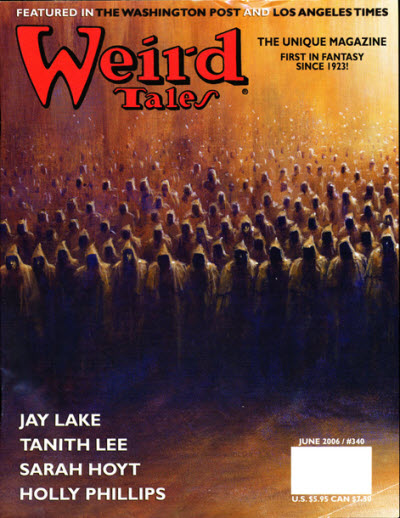
Tim Callahan and Mordicai Knode are attempting this spiritual journey together, and they’re chronicling it at Tor.com. They begin with a look at Robert E. Howard’s Conan story “Red Nails,” originally published in the July 1936 issue of Weird Tales:
There is a giant mega-dungeon; it hardly gets more D&D than that. The two elements that really strike home here in terms of inspiration are the populated dungeons as its own character of rivalry and strife, and black magic. The city as one massive labyrinth is great, as is the characterization of its architecture & embellishment — gleaming corridors of jade set with luminescent jewels, friezes of Babylonianesque or Aztecish builders — but it is the logic of the city that shines brightest to me. “Why don’t the people leave?” There are dragons in the forest. “What do the people eat?” They have fruit that grows just off the air. “Where do all these monsters come from?” There are crypts of forgotten wizard-kings. There is a meaningful cohesion to the place; Howard manages to stitch dinosaurs, radioactive skulls, Hatfields and McCoys, and ageless princesses into something cogent.

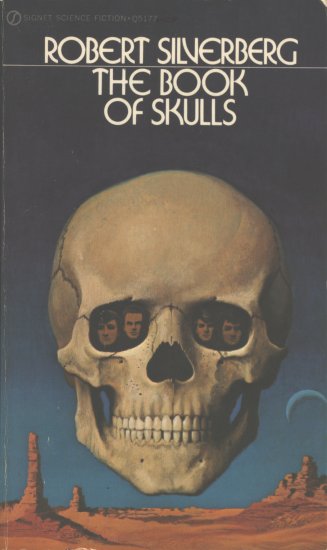
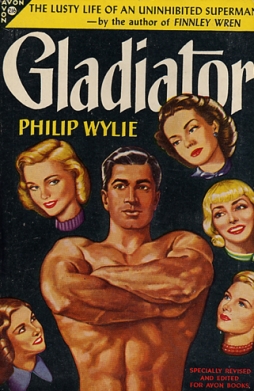 Growing up reading superhero comic books, it was almost inevitable that I’d hear about Philip Wylie’s 1930 novel Gladiator. It was said to be the inspiration behind Superman, the original story about an ultra-powerful strong man who set about trying to right wrongs. Growing older, I heard more: that Jerry Siegel, Superman’s co-creator, had reviewed the book for a fanzine; that he’d swiped dialogue from the book for use in his comics; that Wylie had threatened to sue.