Browsed by
Category: Blog Entry

P.G. Sturges Delivers His Best Yet
P.G. Sturges Delivers His Best Yet

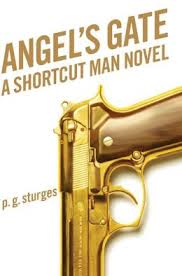
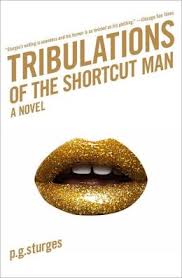
angelgatetribulationspbkAngel’s Gate is the third entry in P. G. Sturges’s award-winning Shortcut Man hardboiled mystery series. The book sat on my night stand untouched for a week or so as I couldn’t shake the suspicion that it would mark the descent into formula that befalls most series. It would still be amusing and Sturges’s prose would still be engaging, but it would be the inevitable come down after the joy and freshness of the first two titles.

Early on in the book, there is a sequence where Dick Henry, the Shortcut Man, is hired by a client to find her sister who came out to Hollywood seeking fame and fortune ten years before and has since fallen off the map. It’s a familiar scene that immediately recalls Raymond Chandler’s The Little Sister, likewise a hardboiled mystery about Hollywood scandal and hypocrisy. That book was Chandler’s fifth and, while still essential reading, it lacks the freshness and vitality of his early Philip Marlowe mysteries.

I was certain I would feel the same way about Angel’s Gate. Happily, I was dead wrong.

The premise this time revolves around a highly successful movie director who disfigures and tortures a starlet during a drug-fueled sex romp and the lengths his handlers are willing to go to protect the director’s reputation and prevent bad publicity coming down upon his current production. Complicating matters is the fact that the starlet is one of a stable of nearly thirty nubile women that the reclusive and highly idiosyncratic movie mogul Howard Hogue has selected as his personal concubines. Hogue doesn’t share his women. Hogue is also the director’s producer. Early on, Sturges establishes the madness of big studio Hollywood as a house of cards just waiting for the Shortcut Man to blow it down.
Read More Read More

Art of the Genre: The Joy and Pain of Kickstarter [and How Backed Projects Still Fail]

Art of the Genre: The Joy and Pain of Kickstarter [and How Backed Projects Still Fail]

The first Kickstarter success, and it was a true joy!

In early November 2011, I attended World Fantasy Con in San Diego with John O’Neill and the Black Gate crew. It was a truly eye-opening experience for the ‘writer me’ as I’d attended many conventions in my day, but nothing that was so cloistered and dedicated specifically to the art of writing.

I well remember sitting in my room after the first day of listening to readings and thinking to myself, ‘Holy Crap, you absolutely C-A-N’-T do this!’ [Seriously, just listen to Claire Cooney recite any of her works from memory and tremble beneath the power of a truly gifted writer].

After I got home from the convention, I crawled into bed for three days and didn’t come out again because for the first time in my life I felt the power of ‘real’ writers and how far I had to go to reach the level of their talent.

When I finally emerged from my cocoon of despair, I clicked on Facebook and found a post from old time D&D artist Jeff Dee concerning something he called Kickstarter. It was a curious thing, this Kickstarter platform, and the more I researched it, the more I thought, ‘Huh, maybe I’m not Claire Cooney, but I bet I can get a book made anyway.’

At the same time, John O’Neill, our fearless leader at Black Gate, was thinking of creating his own line of novels from Black Gate under the power of the current business model he’d used to help found the magazine, namely his own pocket venture capital. I asked him to try Kickstarter and he declined, so I bet him, in no uncertain terms, that no matter what he managed to do with his book line at Black Gate, that using Kickstarter I would outsell him by a multiple of 10 and produce twice as many original books as he could.

Thus began 2012, something I like to call ‘The Year of Kickstarter’. Not only had I discovered this platform, now three years old in the marketplace and ready to tip the balance of acceptability, but so had EVERYONE else.

By February of 2012, Kickstarter money contribution records were falling almost weekly in every category imaginable, especially in computer games. Funding was surging to unforeseen levels with millions of dollars going to video games, art books, albums, miniatures, you name it.

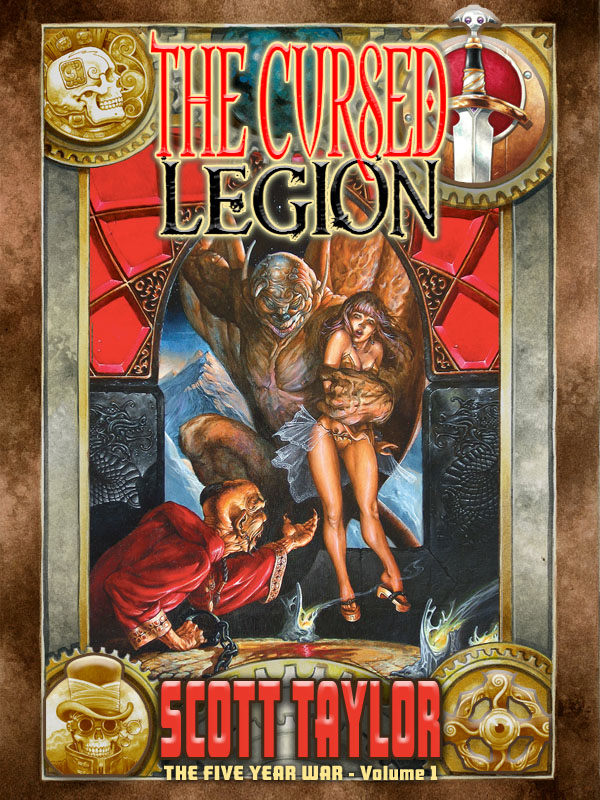
I watched, I studied, and I saw the evolution taking place right before my eyes, but in so doing I also caught the wave and road with it on my new publishing company I’d affectionately named Art of the Genre after this blog. By February, I’d managed my first successful Kickstarter, The Cursed Legion novel, with former AD&D art legend Jeff Easley.

Read More Read More

Goth Chick News: Conjuring a Good Old-Fashioned Scare

Goth Chick News: Conjuring a Good Old-Fashioned Scare

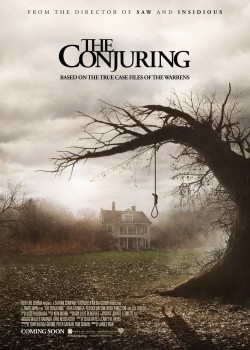
image001Admittedly, I’m a complete sucker for ghost hunting shows.

Yes, they can be painfully cheesy; from Grant Wilson’s (Ghost Hunters – SciFi Channel) earnest takes to the camera while expounding on how blessed he is to be able to help tormented souls, to Zak Bagans’s (Ghost Adventures – Travel Channel) shameless dramatics, I love every one of them.

But here’s a question for those who’ve tuned in: did you ever wonder what would happen if just once something truly horrifying actually reached out and touched one of them?

It’s an amusing thought – there’s Zak asking the “ghost” if it would give a sign it can hear him and suddenly a full bodied apparition shows up, pokes him in the nose, and says, “Yeah, I’m standing right here you tool.”

And the next thing you know, Zak and the whole GA crew are “retired.”

Well apparently I’m not the only one who imagined something similar – only they’ve taken it several steps (miles?) further.

Director James Wan already has some pretty substantial horror “street-cred” as the mind behind Saw, Dead Silence and Insidious.  And as these films represent a more in-your-face kind of scare than generally appeals to me, I am really anticipating his latest outing.

Read More Read More

Night Shade Attempts to Avoid Bankruptcy with a Sale to Skyhorse Publishing

Night Shade Attempts to Avoid Bankruptcy with a Sale to Skyhorse Publishing

Night Shade BooksWord has begun to spread this morning that Night Shade Books is in negotiations with Skyhorse Publishing and Start Publishing in an attempt to avoid bankruptcy.

Night Shade has contacted authors to explain the situation, and excerpts from those letters have been posted online:

As you probably know, Night Shade Books has had a difficult time after the demise of Borders. We have reached a point where our current liabilities exceed our assets, and it is clear that, with our current contracts, sales, and financial position, we cannot continue to operate as an independent publisher. If we filed for Chapter 7 bankruptcy, or liquidation, the rights to your books could be entangled in the courts for years as could past or current unpaid royalties or advances. However, we have found an alternative, which will result in authors getting paid everything they are due as well as finding a future home for their books, subject to the terms and conditions stated in this letter.

The deal is not yet finalized and, in fact, hinges on how many authors approve changes to their existing contracts.

Some, including Jeff VanderMeer, have asked the publisher to revert rights back to authors prior to declaring bankruptcy. That’s not likely to be an option however, as its existing publishing contracts are Night Shade’s most valuable asset. As Harry Connolly points out on his blog, bankruptcy courts generally frown on publishers who do that, and such revisions are routinely overruled in court during bankruptcy proceedings.

The loss of Night Shade would be a real blow to the field. Known for taking risks on new writers, they’ve also published some of the most celebrated authors in the genre, including Paolo Bacigalupi, Iain M. Banks, Martha Wells, Manly Wade Wellman, Greg Egan, Glen Cook, Kage Baker, Jay Lake, Elizabeth Bear, Lucius Shepard, and many others. But there have been omnibus signs for the past several years, including a deep sale last April, authors leaving their stable, and others. Publishers Weekly has more detail on the potential sale here; io9‘s report is here.

Teaching and Fantasy Literature: How to Rehabilitate a Readicidal Maniac

Teaching and Fantasy Literature: How to Rehabilitate a Readicidal Maniac

It’s good to be back at my Wednesday spot here at Black Gate. Two weeks ago, I got home from my favorite annual convention, Lunacon, to find that the kitchen sink had been left running all weekend. That added a few things to my To Do list, and believe me, I’d rather have been blogging. So here’s a long post, for all the thinking that didn’t land on the screen while my house vibrated with the roar of industrial dehumidifiers:
When a student asks me to translate an especially jargon-laden assignment from his high school, I think to myself, To the teacher who wrote this, all these buzzwords seemed like the best way to explain her idea. Surely there is an idea under here somewhere. And sometimes, when I have been as flummoxed as the kid sitting next to me at the kitchen table is, I have wondered if the fault might not be with me, or with my more freewheeling, less methodical training for college teaching. There have been times when I wondered what I missed by abandoning my almost-completed requirements for state certification in favor of grad school. I learned to speak fluent literary theory, and forgot how to speak educational jargon. Now that I’ve escaped from the classroom altogether to do the entrepreneurial tutor thing, I find that neither literary theory nor educational theory is all that useful for communicating with or helping students.

Am I wrong to dismiss the methods of most of my students’ high school teachers?

Thanks to Kelly Gallagher’s Readicide: How Schools Are Killing Reading and What You Can Do About It, that doubt will probably never plague me again. His critique of how reading is taught in most public schools is damning, and his plea to English teachers to push their profession in a better direction is urgent. As in most of the teaching books I’ve talked about here, there’s an argument for allowing students to read “high-interest reading material,” a term that includes fantasy, science fiction, and horror, along with all the other stuff human beings read for pleasure. (It’s a widely used term, despite its puzzling implication that all the books that do make it into formal curricula are somehow low-interest.) What’s unusual about Gallagher’s book is its explanation of why common teaching methods are so pernicious that even “high-interest reading material” cannot protect students’ love of reading from the good intentions of their schools.

Let’s skip most of what Gallagher has to say about high-stakes standardized testing and educational politics — I groove on reading about that stuff, but you probably don’t — and go straight to what freely chosen pleasure reading can do.

Read More Read More

New Treasures: Quintessence by David Walton

New Treasures: Quintessence by David Walton

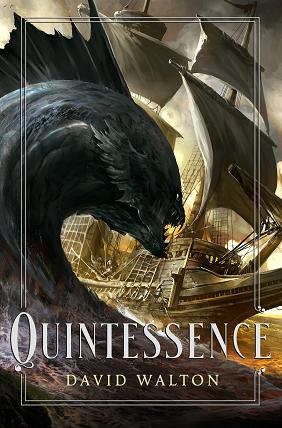
Quintessence David WaltonThere are few things as intriguing as an exciting new author. Maybe an all-you-can eat Indian buffet, or finding a mysterious note in a 10-year old jacket. And goliath birdeater spiders. Man, they give me the willies.

But back to exciting new authors. David Walton is an exciting new author. Back in 2008 he won the Philip K. Dick Award for his first novel, Terminal Mind, published by tiny Meadowhawk Press. That’s intriguing.

Even more intriguing is the arrival of his long-anticipated second novel: Quintessence. A slipstream counterhistory set in a fourteenth century featuring beetle-based navigation, alchemy, deadly storms, mutiny, sea monsters, and a trip to the edge of the earth, Quintessence promises to be a very different kind of fantasy, and the early buzz has been very favorable indeed.

Imagine an Age of Exploration full of alchemy, human dissection, sea monsters, betrayal, torture, religious controversy, and magic. In Europe, the magic is thin, but at the edge of the world, where the stars reach down close to the Earth, wonders abound. This drives the bravest explorers to the alluring Western Ocean. Christopher Sinclair is an alchemist who cares only about one thing: quintessence, a substance he believes will grant magical powers and immortality. And he has a ship.

Quintessence was published on March 19 by Tor Books. It is 320 pages for $25.99 ($12.99 for the digital edition). Check out the first three chapters on David Walton’s website.

The Top 50 Black Gate Blog Posts in February

The Top 50 Black Gate Blog Posts in February

DSC_1027February is cold here in Chicago. Stay-at-home-or-you’ll-die cold. A good time to gather inside with friends and family, put hot cocoa on the stove, slip a movie in the Blu-ray player, and then forget all of that because there’s something fascinating on the Internet.

We had plenty of fascinating things to offer here at the Black Gate blog in February. Scott Taylor took at serious look at the downside of collecting in “The Weight of Print,” Matthew David Surridge examined Shirley Jackson’s The Haunting of Hill House, Mark Rigney revealed the surprising results of the John Piece Experiement as applied to fantasy, author Violette Malan explained How to Put the Sword in Sword & Sorcery, and Sarah Avery offered up another installment in her popular Teaching and Fantasy Literature series with “Weird Things My Students Have Been Told About Writers.”

And that’s only the Top Five. The complete list of the Top 50 posts in February follows. Enjoy — but not so much that you neglect your houseguests, please. Or let hot chocolate overboil on the stove.

  1. Art of the Genre: The Weight of Print
  2. Shirley Jackson’s The Haunting of Hill House
  3. Genre 2013: The John Pierce Experiment
  4. How to put the sword in Sword and Sorcery
  5. Teaching and Fantasy Literature: Weird Things My Students Have Been Told
  6. Howard and Sandra Tayler discuss being mercenary…
  7. New Treasures: Wilderlands of High Fantasy
  8. Dungeon Board Game from Wizards of the Coast
  9. Echoes of the Goddess: Schweitzer’s Newest Classic
  10. Self-published books: Review of Noggle Stones the Goblin’s Apprentice


    Read More Read More

Martha Wells’ Emilie and the Hollow World On Sale Today

Martha Wells’ Emilie and the Hollow World On Sale Today

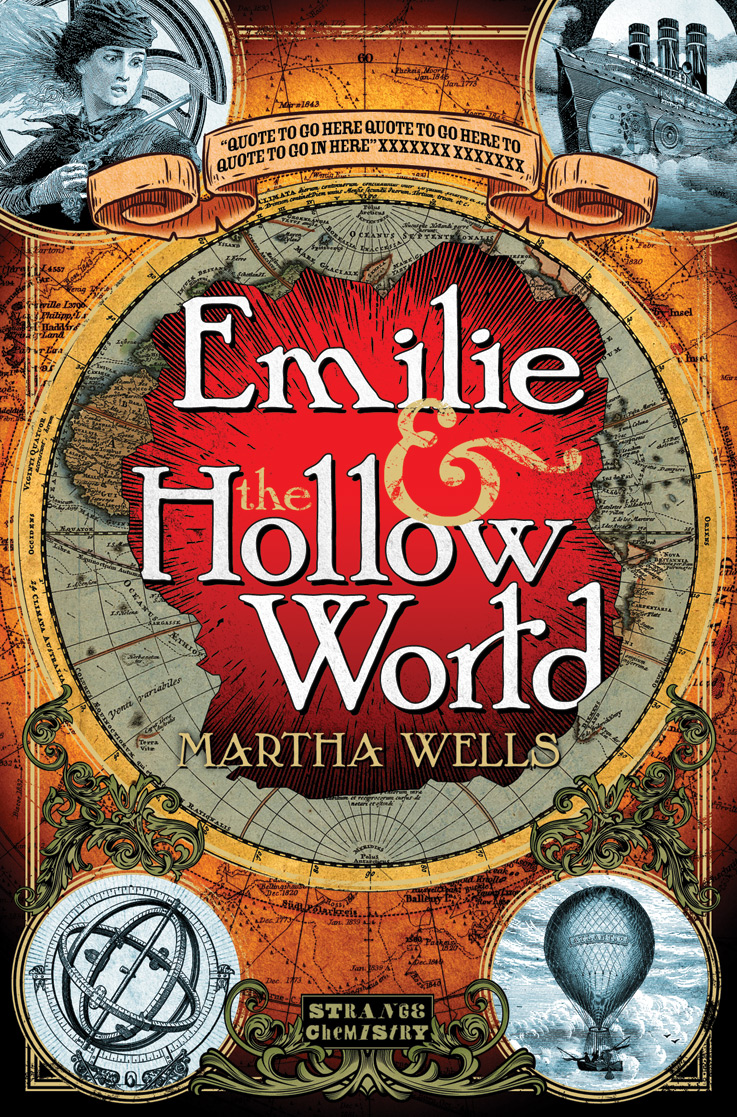
Emilie and the Hollow World-smallMartha Wells is one of our superstar contributors. In fact, it’s probably not an exaggeration to say that, in terms of raw ability to move sales, she was the superstar contributor to Black Gate.

Every magazine has authors who help sales. But it wasn’t until we published Black Gate 10, containing Martha’s Giliead & Ilias story “Reflections,” that I really saw what a single author could do. Subscriptions started to pour in, with letters from excited fans asking for “More Martha Wells!” We were happy to comply.

Novels are where she truly built her career, however — including The Fall of Ile-Rien trilogy, The Cloud Roads trilogy, and the Nebula-nominated The Death of the Necromancer. Today her first young adult novel, Emilie and the Hollow World, arrives in bookstores, and Martha discussed the ups and downs in her career that led her here with refreshing candor on her blog:

This is the third book I finished back in 2009, during my career crash that lasted from around 2006-2007 to 2010. A career crash for a writer is kind of like if you had a job where you’ve been going in to work every day and everything seems fine. But then gradually, over time, you realize you’ve been fired, and they don’t want you there and they aren’t going to pay you and everyone you work with knows this. It’s just that no one has told you.

The novel follows the adventures of young Emilie, whose clumsy attempt to run away and join her cousin in the big city lead her to stowaway on the wrong ship, where she’s quickly caught up in a grand adventure involving an experimental engine, an attempt to ride the aether currents, and a journey to the interior of the planet — not to mention sabotage, an encounter with the treacherous Lord Ivers, and the strange race of the sea-lands.

Emilie and the Hollow World was published today by Strange Chemistry. It is 304 pages in paperback for $9.99 ($6.99 for the digital edition). The only version of the cover we have is the pre-publication version (which still has a placeholder quote), but you can see all the detail on this handsome cover by clicking on the image at right.

Vintage Treasures: The Blind Spot, by Austin Hall and Homer Eon Flint

Vintage Treasures: The Blind Spot, by Austin Hall and Homer Eon Flint

The Blind SpotAll right. Listen up, all you young fantasy punks. I know you’re out there, devouring contemporary fantasy by the truckload, while I’m trying to school you on the forgotten classics of the past. I know you’re not listening, because I rarely paid attention to the crotchety old-timers who tried to get me to read forgotten fantasy classics 30 years ago. I was too busy with Lord of Light, Bridge of Birds, Watership Down, and Swords Against Death.

Eventually, of course, I learned the error of my ways. I began to listen to my elders, and appreciate the glory of the pulp era of fantasy. I read the books they passed to me, and gradually became wiser, more worldly, healthier, and better looking, with fuller and more lustrous hair and better posture.

Mostly. I didn’t read, like, everything they foisted on me. Because Star Trek was on in the afternoon, and Dr. Who in the evenings (the Tom Baker episodes, naturally), and a lad needs some down time.

Now, these Vintage Treasures articles are my vehicle to pass along the accumulated knowledge and wisdom of a fabulously well-read generation (i.e. old people) to the eager and outstretched hands of the readers of tomorrow (you lot). That’s admittedly harder to do with the great classics of fantasy I haven’t read yet. Theoretically though, it might be possible to duck some of my personal responsibility by passing them along instead.

In short, skipping a generation and cutting out the middleman. Now pay attention, because this is where you come in.

I am tasking you with a sacred undertaking, upon which the very future of our beloved genre rests: to read, appreciate  and evangelize the great works of 20th Century pulp fantasy. The ones I never got around to, anyway. So I can get back to that Season Two Star Trek DVD which arrived last week. Appreciate it.

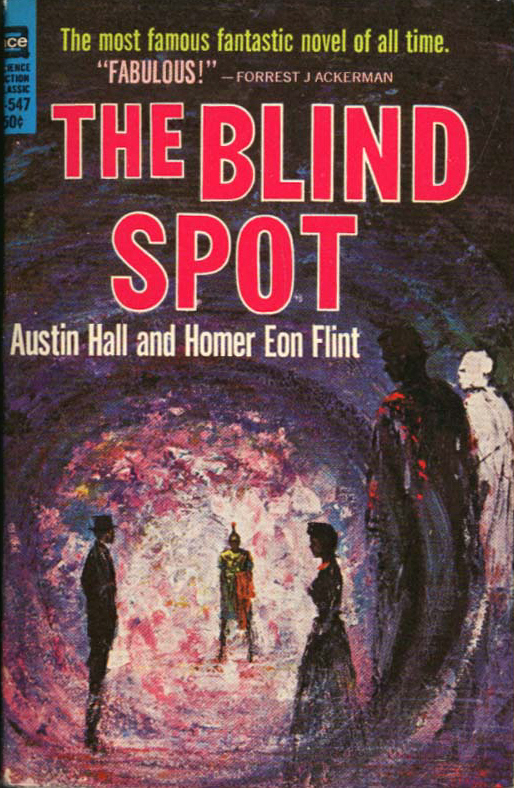
Let’s start with The Blind Spot, by Austin Hall and Homer Eon Flint. What’s it about? I have no idea. If you were paying attention, you’d have clued in to that. But right there on the cover Ace Books calls it “The most famous fantastic novel of all time,” and the esteemed Forrest J. Ackerman shouts out the word “Fabulous!” That should be good enough for you.

The Blind Spot was published in 1921 as a serial in Argosy-All Story Weekly, and reprinted by Ace Books in 1964, with a doubtlessly fascinating and informative introduction by Ackerman that would have made writing this post a lot easier if I’d known about it 15 minutes ago. It is 318 pages in paperback for 50 cents. Finding a copy is left as an exercise to the reader (I got my copy on eBay for under a buck.) And get a move on, the cultural heritage of fantasy is at stake. But no pressure.

Marvel Team-Up 79

Marvel Team-Up 79

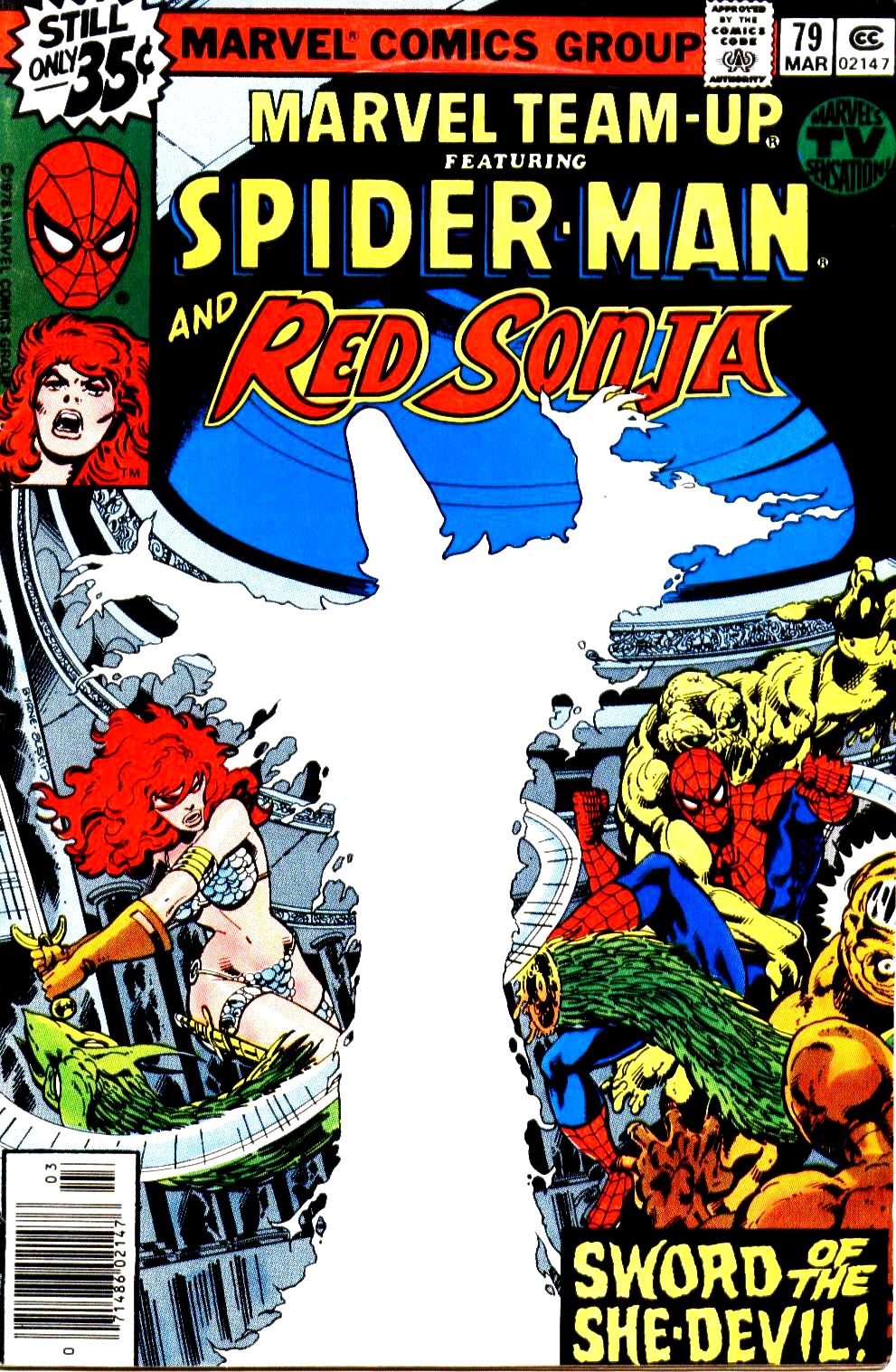
MTU 79 coverLet’s start with the cover. In the foreground is our reverse-silhouette antagonist, looking very much as if some meta-fictional demon took a pair of cosmic sheers and simply snipped him out of that four-color reality. In the background is Red Sonja, looking very much in her element as she chops the head off a giant snake. Standing beside her is Spider-Man, punching out a demon. If none of this convinces you to pick up the issue, a small blurb in the corner reminds you that it’s “Still Only 35¢.”

The first page reveals that this story will be set not in the Hyborian Age, but rather in the equally mythical 1978 New York. December 22, to be specific. And the team who will be working on this story? Chris Claremont (who wrote all those X-Men comics you loved as a kid), John Byrne (who wrote all those Fantastic Four comics you loved as a kid), and Terry Austin (who probably inked a few issues of every title you loved as a kid). This is what would commonly be referred to as a dream team. And seeing the casual beauty of something like Spider-Man swinging past a museum on a snowy evening gives only a hint of what’s to come.

Page two is the story of security guard Gus Hovannes going on his nightly patrol of the museum. And let me add once again that, yes, it is nice when someone as incidental as a random security guard gets a name and a little background. It makes the world feel lived in, the characters richer. So when Gus breaks through a glass display case and grabs the onyx necklace, his cut hands spilling blood on the ancient jewelry, he’s a little more than just a plot device.

The scene then cuts to an office Christmas party at the Daily Bugle. I’ve ranted before about the trend towards decompressed storytelling, but it’s truly amazing to see how quickly a great writer can present a string of characters and their major personality traits. If you don’t know who J. Jonah Jameson is, one panel tells you everything you need to know about him. Mary Jane Watson gets her one character-defining panel as well (Kirsten Dunst never did THAT). And then the editor gets a call about some sort of disturbance at the Metropolitan Museum of Art. He sends Peter Parker and Charlie Snow out to investigate by virtue of the fact that they’re the only two people at the party who aren’t falling down drunk.

Read More Read More