Browsed by
Author: John ONeill

2018 Locus Awards Finalists Announced

2018 Locus Awards Finalists Announced

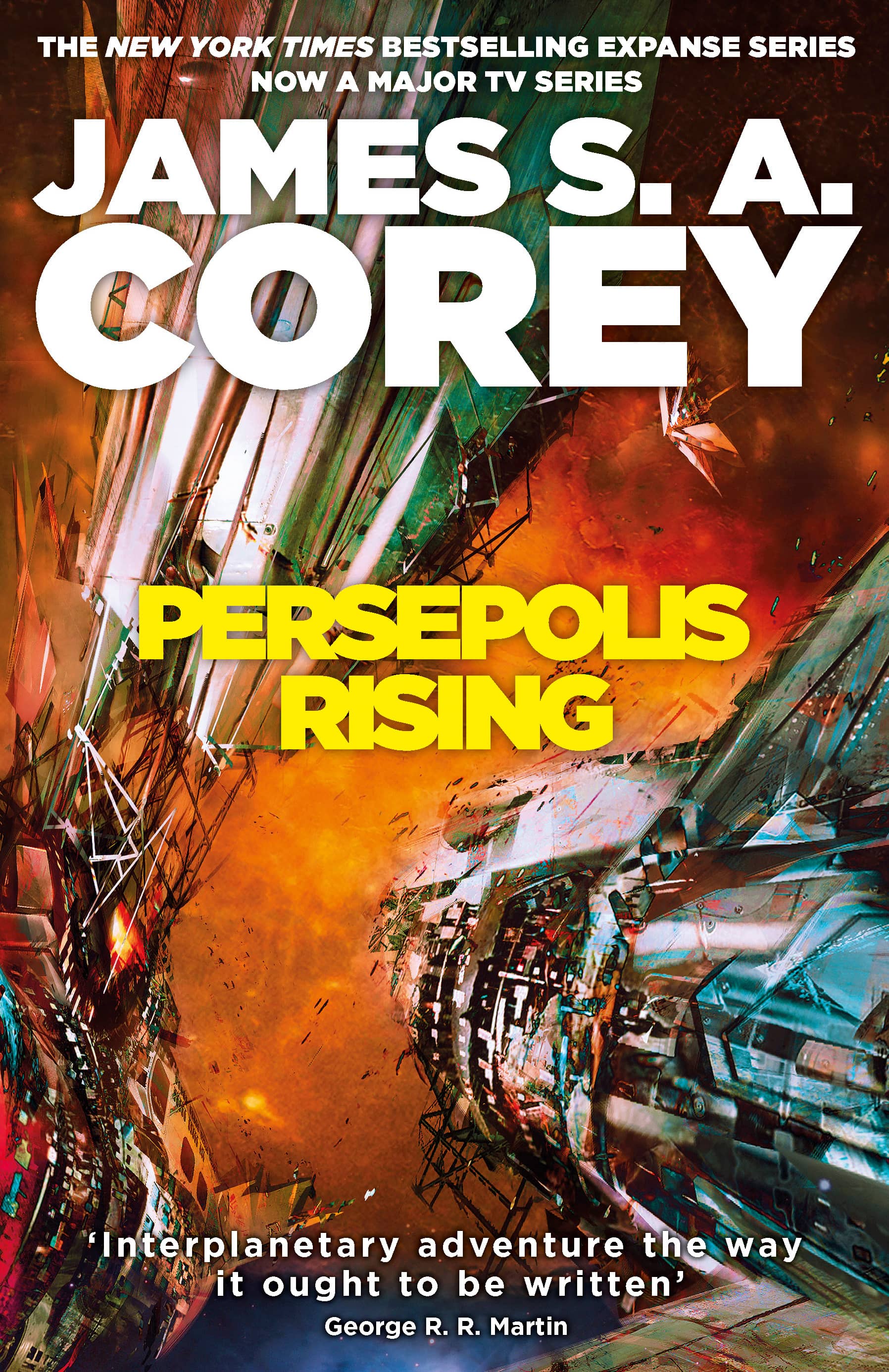
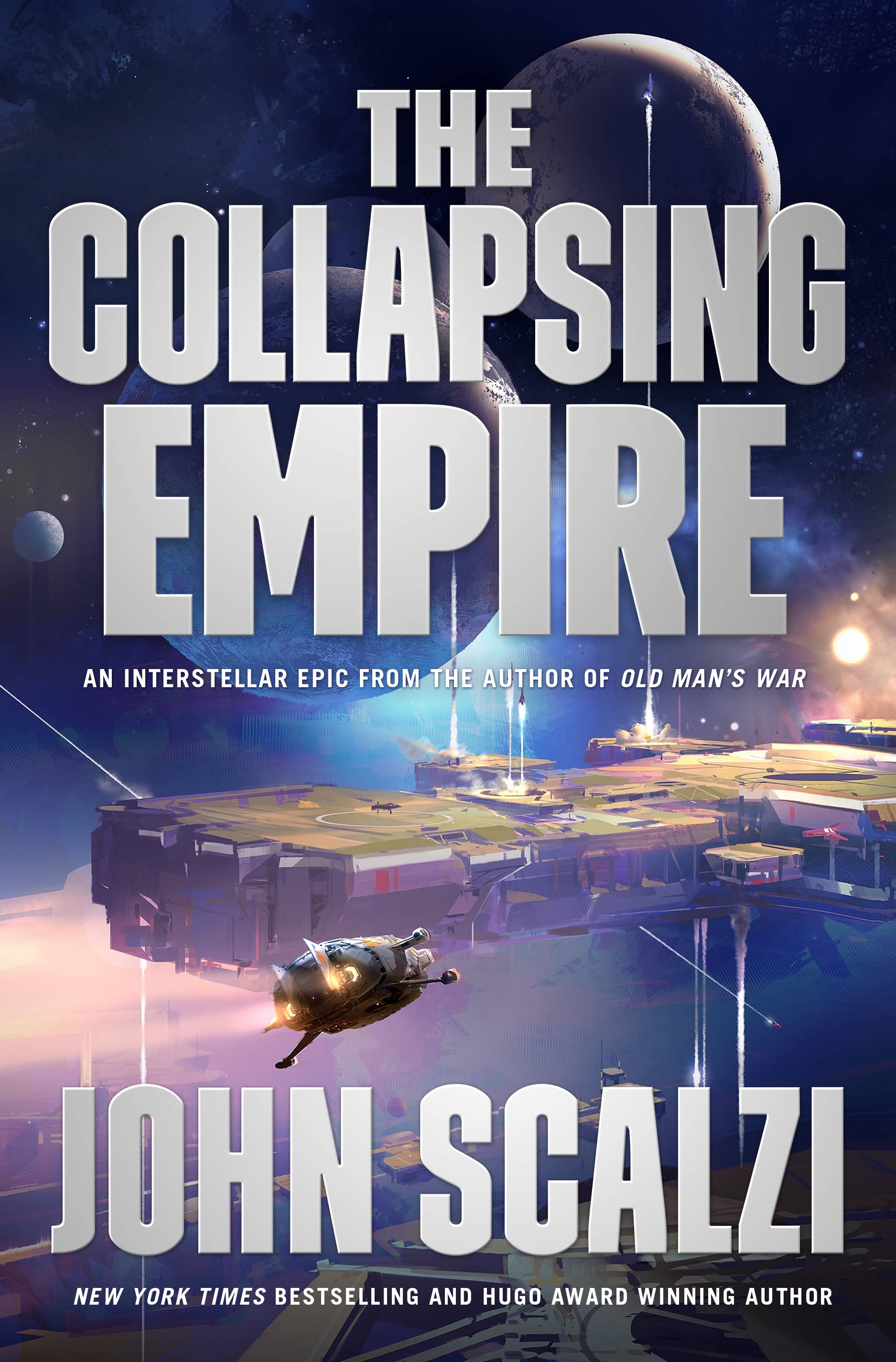
Persepolis Rising-small New York 2140-small The-Collapsing-Empire-small

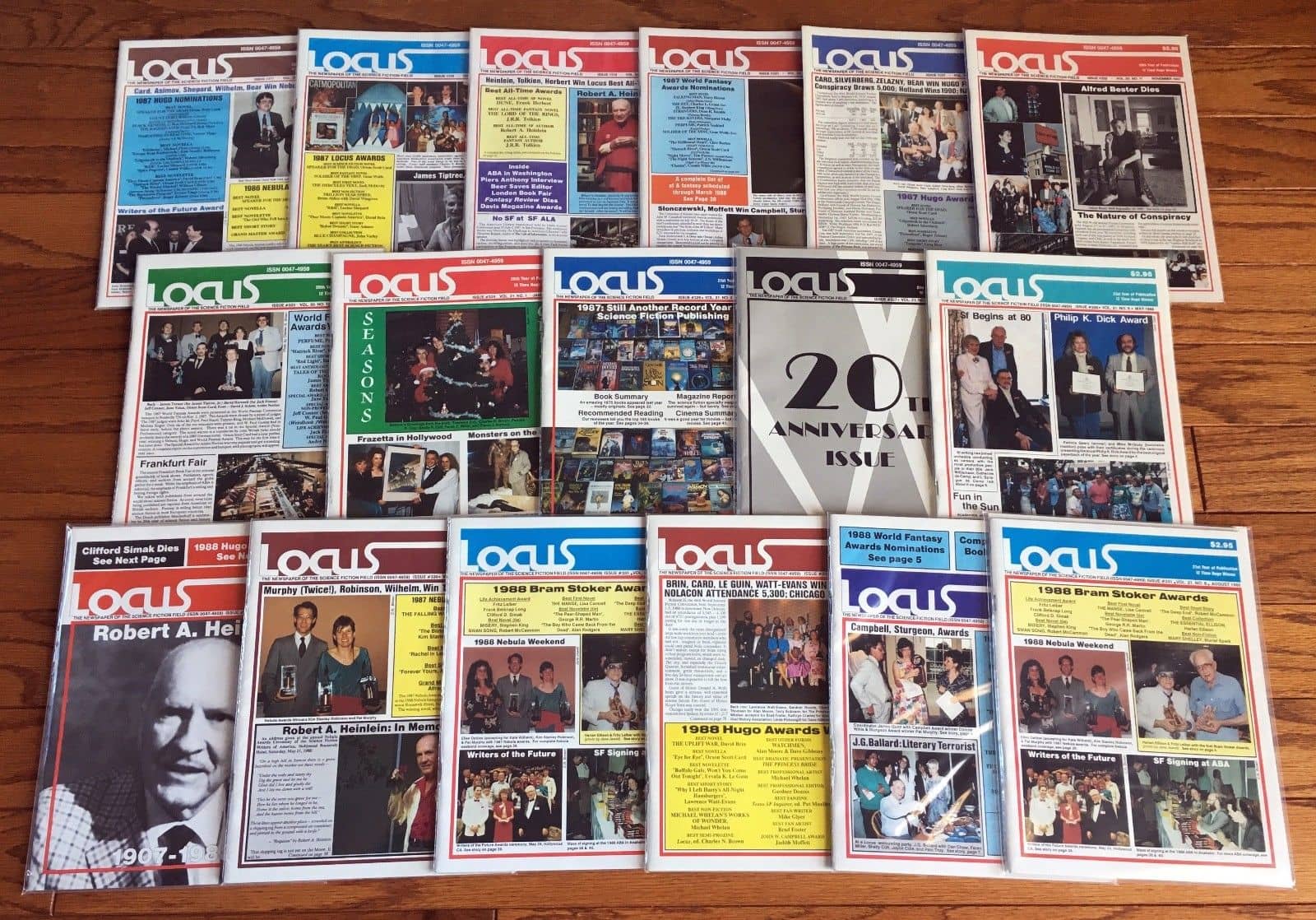
The Locus Science Fiction Foundation has announced the nominations for the 2018 Locus Awards. I still don’t understand why this isn’t a national holiday.

The Locus Awards, voted on by readers in an open online poll, have been presented every year since 1971. That’s… uh… (counts on fingers) 47 years, which makes a virtual genre institution. The final ballot lists an impressive ten finalists in each category, including Science Fiction Novel, Fantasy Novel, Horror Novel, Young Adult Book, First Novel, Novella, Novelette, Short Story, Anthology, Collection, Magazine, Publisher, Editor, Artist, Non-Fiction, and Art Book. The winners will be announced at the Locus Awards Weekend in Seattle from June 22-24, 2018.

It’s an impressive list of nominees this year. Have a look.

Read More Read More

Future Treasures: Blood Orbit by K.R. Richardson

Future Treasures: Blood Orbit by K.R. Richardson

Blood Orbit KR Richardson-small Blood-Orbit-back-small

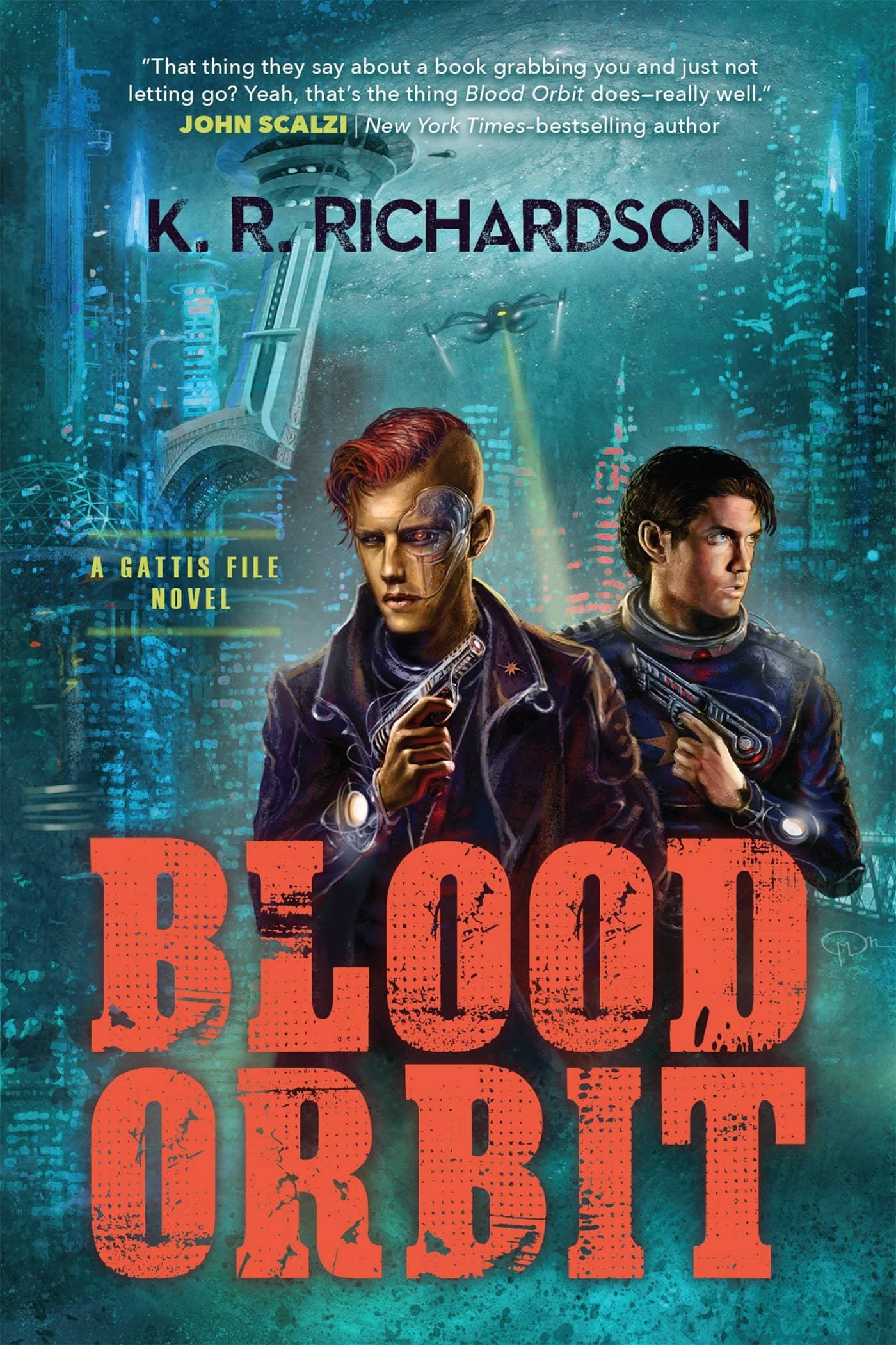
Kat Richardson is the author of the bestselling Greywalker paranormal detective novels. For her first off-world SF noir novel Blood Orbit, the opening book in the Gattis Files, she’s chosen to don a new literary identity, “K.R. Richardson.” Comic writer Warren Ellis (Transmetropolitan, Shipwreck) calls it,

A clever, twisting, and savage science fiction crime story that fuses colonization fiction with genuine deep noir. The end result is original, culturally rich, and as ruthless as a novel about murder, secrets, and lies should be.

And author Diana Pharaoh Francis (Diamond City Magic) says,

Richardson has written a diabolically delicious twisty murder mystery set on a faraway planet against a backdrop of corporate greed, racial tensions, corrupt law enforcement, and secrets that refuse to stay buried. This is Criminal Minds meets Sherlock Holmes in space.

Blood Orbit will be published by Pyr on May 8, 2018. It is 493 pages, priced at $18 in trade paperback and $9.99 for the digital version. The cover is by Maurizio Manzieri. Read the first three chapters over at Pat’s Fantasy Hotlist, and get more details at K.R. Richardson’s website.

Gary K. Wolfe on Cecelia Holland’s Floating Worlds and Other Classics That Deserve Modern Attention

Gary K. Wolfe on Cecelia Holland’s Floating Worlds and Other Classics That Deserve Modern Attention

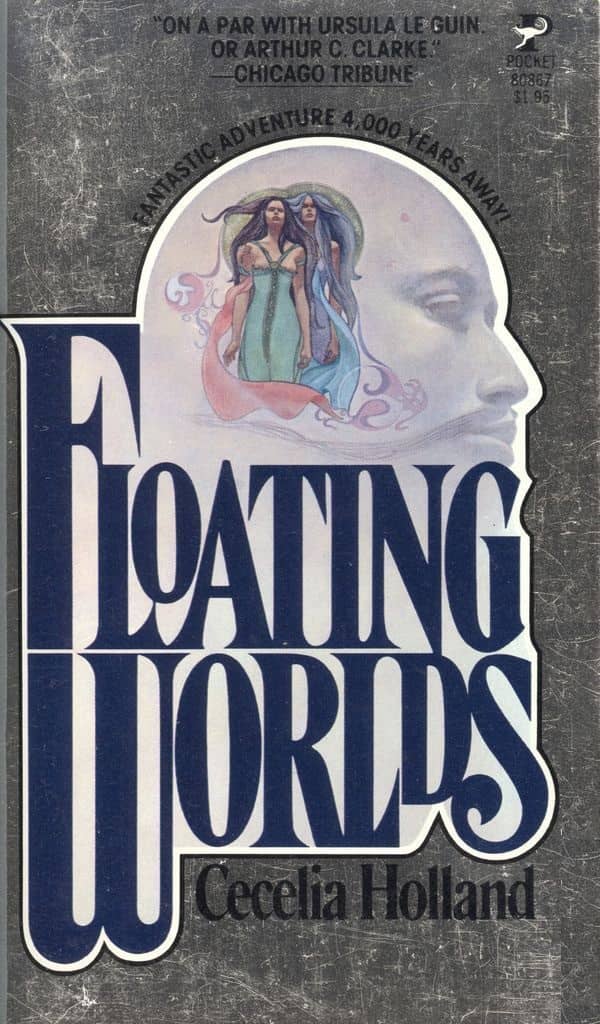
Cecelia Holland Floating Worlds-pocket-small Cecelia Holland Floating Worlds-pocket-back-small

1977 Pocket Books paperback. Foil cover by Harry Bennett

On Episode 328 of The Coode Street Podcast, my recent audio addiction, Jonathan Strahan asked his co-host Gary K. Wolfe if there was some book of value, “or simply that you loved when you were a younger reader,” that he wished he could bring modern attention to.

If you know Jonathan and Gary, you appreciate that’s precisely the kind of question that could fill an hour-long episode all on its own. But Gary provided what I thought was a remarkably cogent and focused reply, all the more remarkable for its brevity. After noting that “When you get to be my age, a younger reader covers a span of decades,” and paying homage to Andre Norton’s Cat’s Eye and Star Man Son, Gary called out a long-forgotten SF novel from 1976.

One of the classic one-off science fiction novels, I think from maybe 40 some years ago now, was Cecelia Holland’s Floating Worlds, a historical novelist using her historical imagination to construct a pretty powerful solar system space opera. I’ve not re-read that in a long time. I’d like new people to look at that and see if, hey, was I right? Was this as good as I thought it was?

Although Floating Worlds is a neglected classic here in the US — its last paperback printing was in 1979 from Pocket Books — it has a much richer history in the UK, with eight print versions and an e-book edition between 1976 and 2014.

Read More Read More

A Tale of Two Covers: Akata Warrior by Nnedi Okorafor

A Tale of Two Covers: Akata Warrior by Nnedi Okorafor

Akata Warrior-small Sunny and the Mysteries of Osis-small

Nnedi Okorafor is one of the most exciting novelists at work in the field of fantasy. She’s won the Hugo, Nebula and World Fantasy Awards, and the Wole Soyinka Prize for Literature in Africa. She writes Black Panther comics for Marvel, and her World Fantasy Award-winning novel Who Fears Death is being developed by George R.R. Martin as an HBO series.

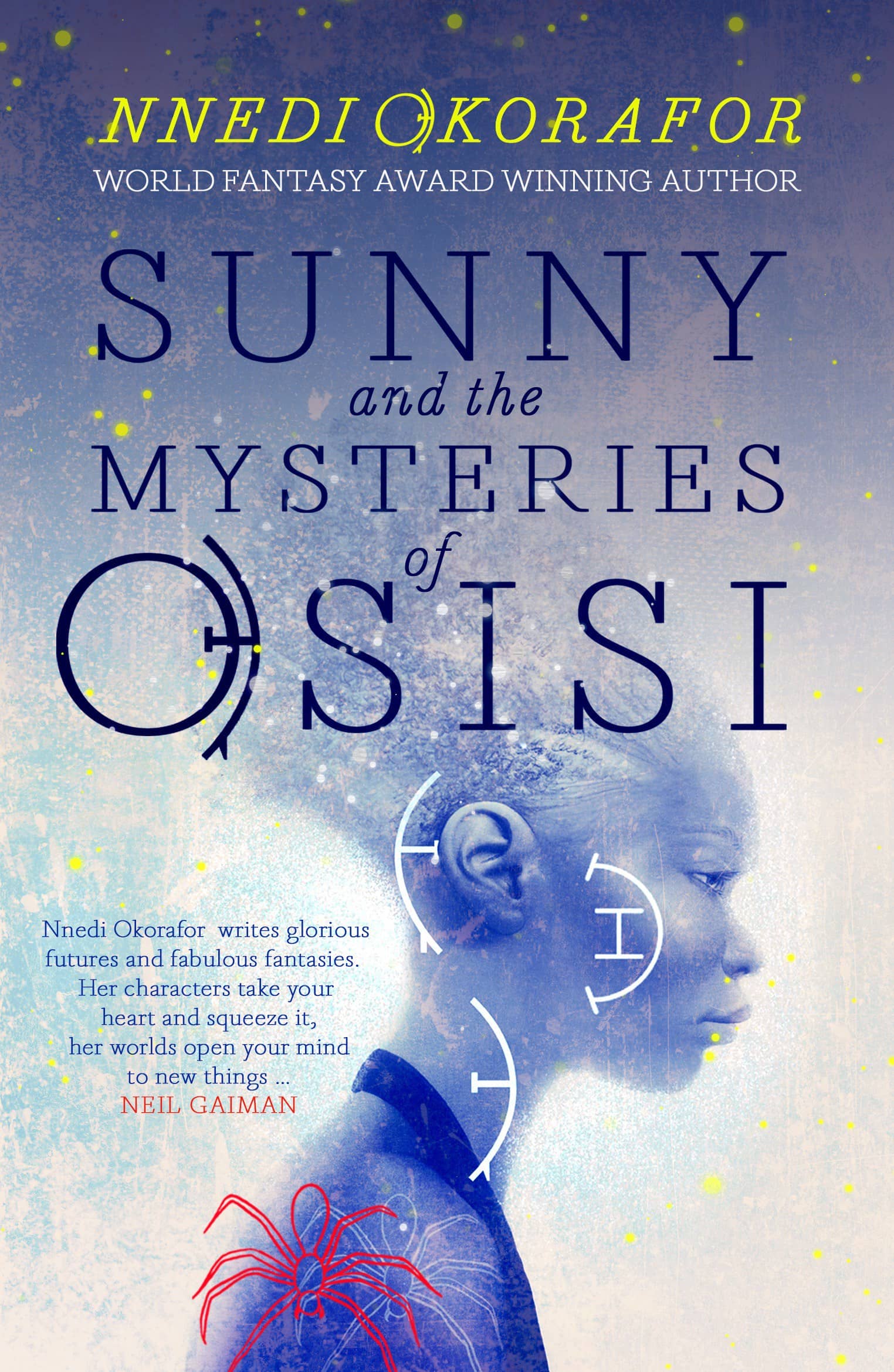
Her latest novel, Akata Warrior, was published by Viking Books for Young Readers last October (above left, cover by Greg Ruth). It was republished in the UK in March by Cassava Republic Press under the title Sunny and the Mysteries of Osisi (above right, design by Anna Morrison). Both books (er, the single book) are (is?) the sequel to 2011’s Akata Witch.

Although the books are being sold to separate markets with different titles and different covers, I was struck at just how similar the cover images are. In fact, both use Greg Ruth’s core image of a woman with a black scarf (albeit flipped), and both make use of overt spider imagery, along with an overlay of curvy white Nsibidi symbols on her skin. Both also use the same quote by Neil Gaiman. Note the differences, however — the British cover has markedly different hair, and a completely different color tone. She’s looking in different directions as well.

Read More Read More

Future Treasures: The Poppy War by R. F Kuang

Future Treasures: The Poppy War by R. F Kuang

The Poppy War-smallThe Barnes & Noble Sci-Fi & Fantasy Blog is calling R.F. Kuang’s The Poppy War “the Buzziest Fantasy Debut of 2018.”

Last year, Harper Voyager introduced us to two exciting new voices in fantasy, Nicky Drayden (The Prey of Gods) and S.A. Chakraborty (City of Brass), so when David Pomerico, the imprint’s editorial director, R.F. Kuang, whose debut The Poppy War Harper Voyager will publish in May, “an incredible new talent in the speculative fiction industry,” we’ve got reason to trust his judgement (and track record). Certainly the book sounds like just the thing — a richly detailed epic born out of 20th century Chinese history, with an adult sensibility and a narrative hook that gives it the addictive appeal of the best young adult literature.

The official summary for this first-in-a-trilogy novel makes a compelling case… Pomerico, who acquired the book after a heated auction on what turned out to be the author’s 20th birthday, promises it blends military fantasy and a coming-of-age story, combining the author’s “cultural authenticity with personal creativity at a time when both qualities are very much demanded by readers.”

Hey, I’m as big a fan of writing prodigies as the next guy. But is a fat 544-page fantasy written by a teenager really what I’m looking for? Especially one that’s the start of a trilogy?

Well, maybe I’m just a grumpy old man. Certainly there’s been no shortage of praise from people less grumpy than I. Kameron Hurley calls it, “A blistering, powerful epic of war and revenge that will captivate you to the bitter end.” And Publishers Weekly praises it as “An ambitious fantasy reimagining of Asian history populated by martial artists, philosopher-generals, and gods… a strong and dramatic launch to Kuang’s career.”

You can decide for yourself when the book arrives in hardcover from Harper Voyager next week. Here’s the description.

Read More Read More

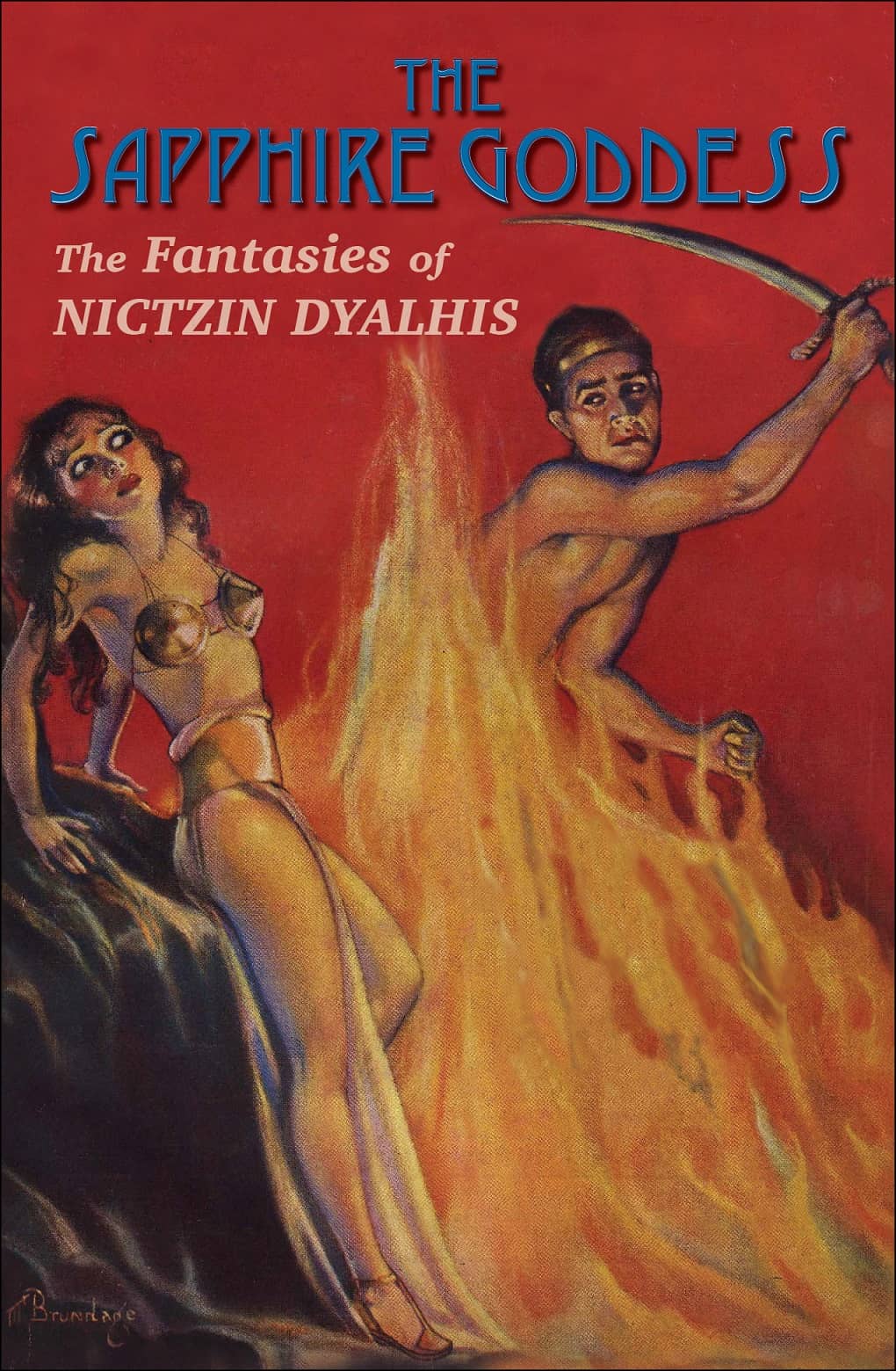
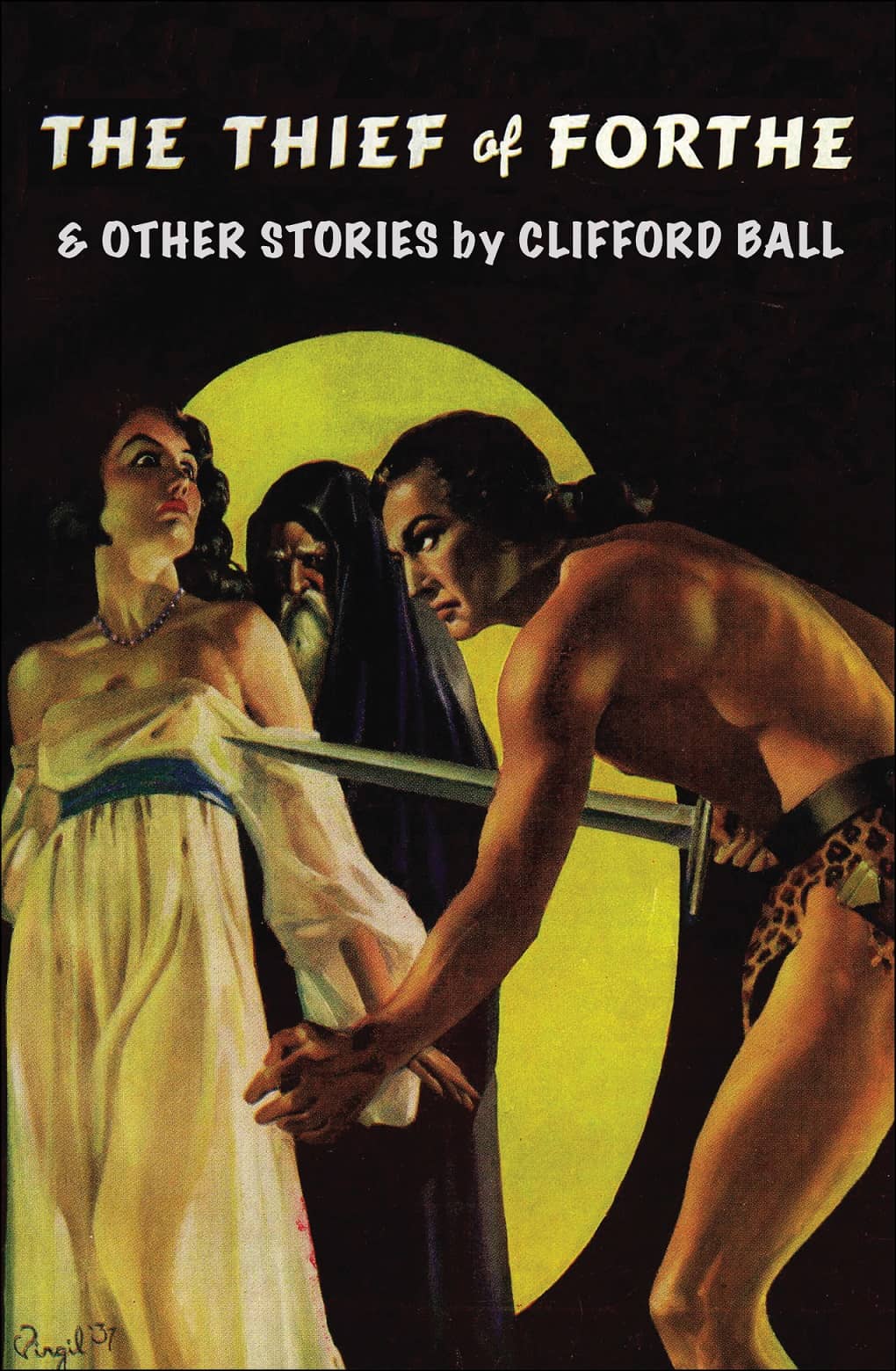
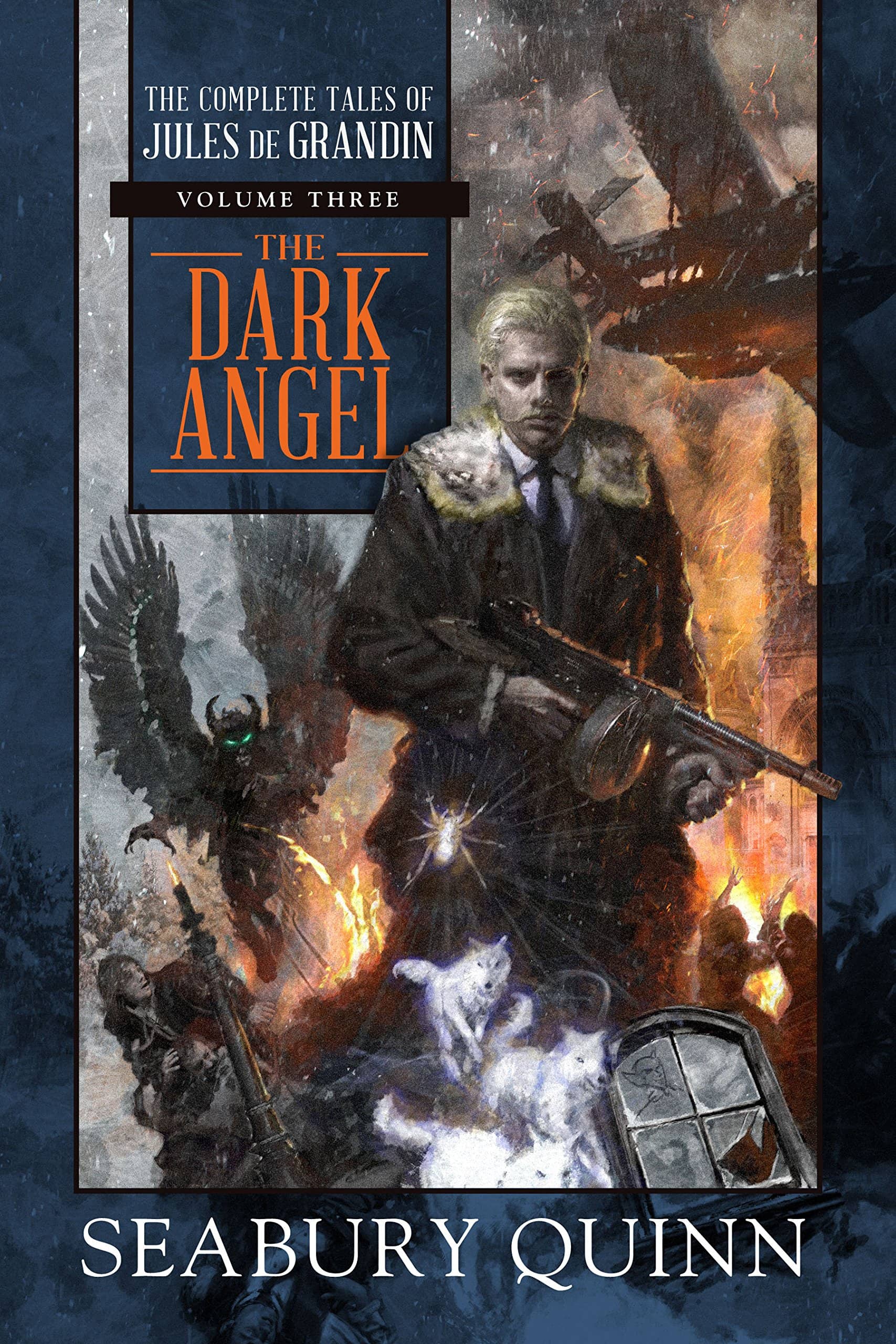
A Spooky Trip Back to the Golden Age of Weird: The Complete Tales of Jules de Grandin, by Seabury Quinn

A Spooky Trip Back to the Golden Age of Weird: The Complete Tales of Jules de Grandin, by Seabury Quinn

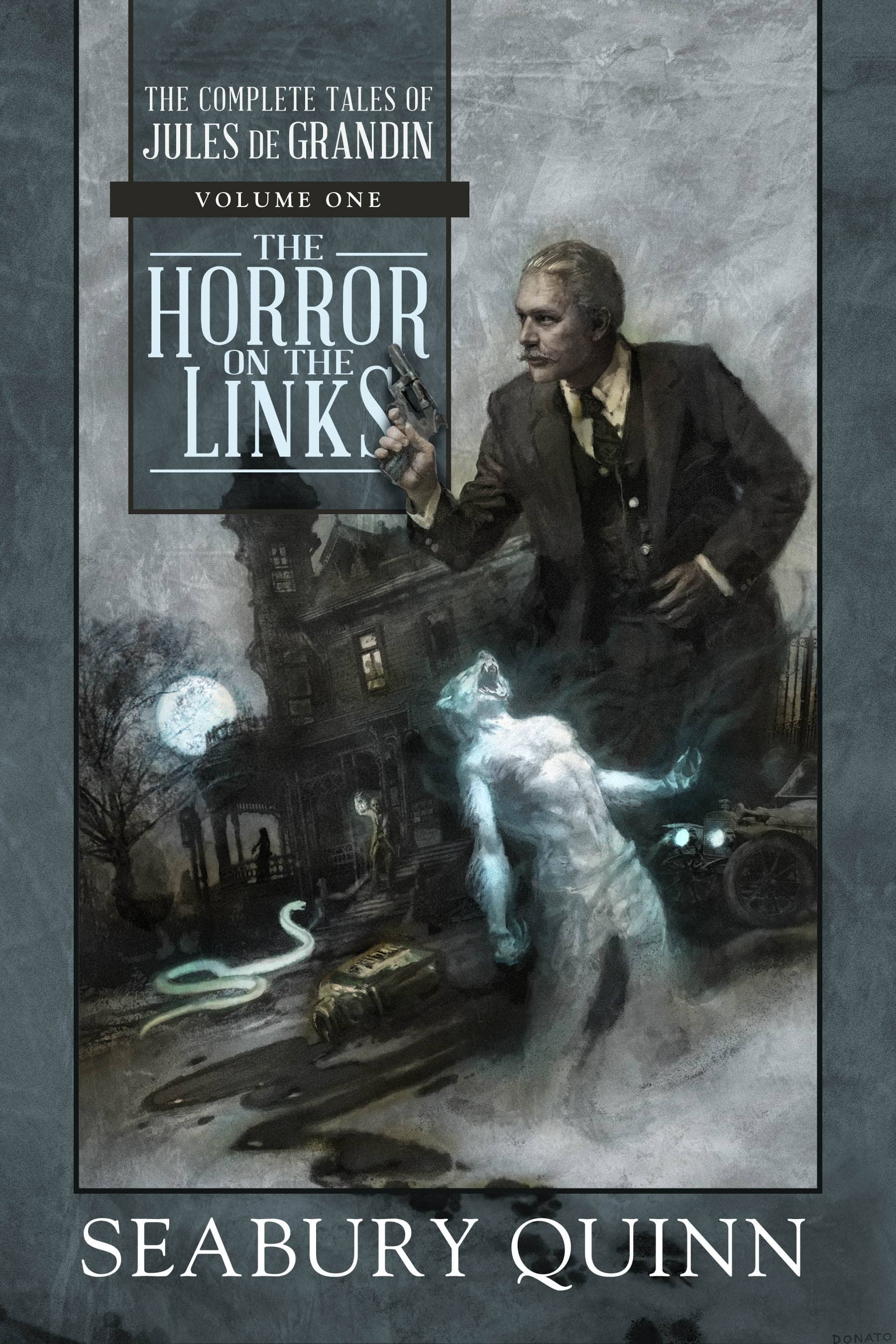
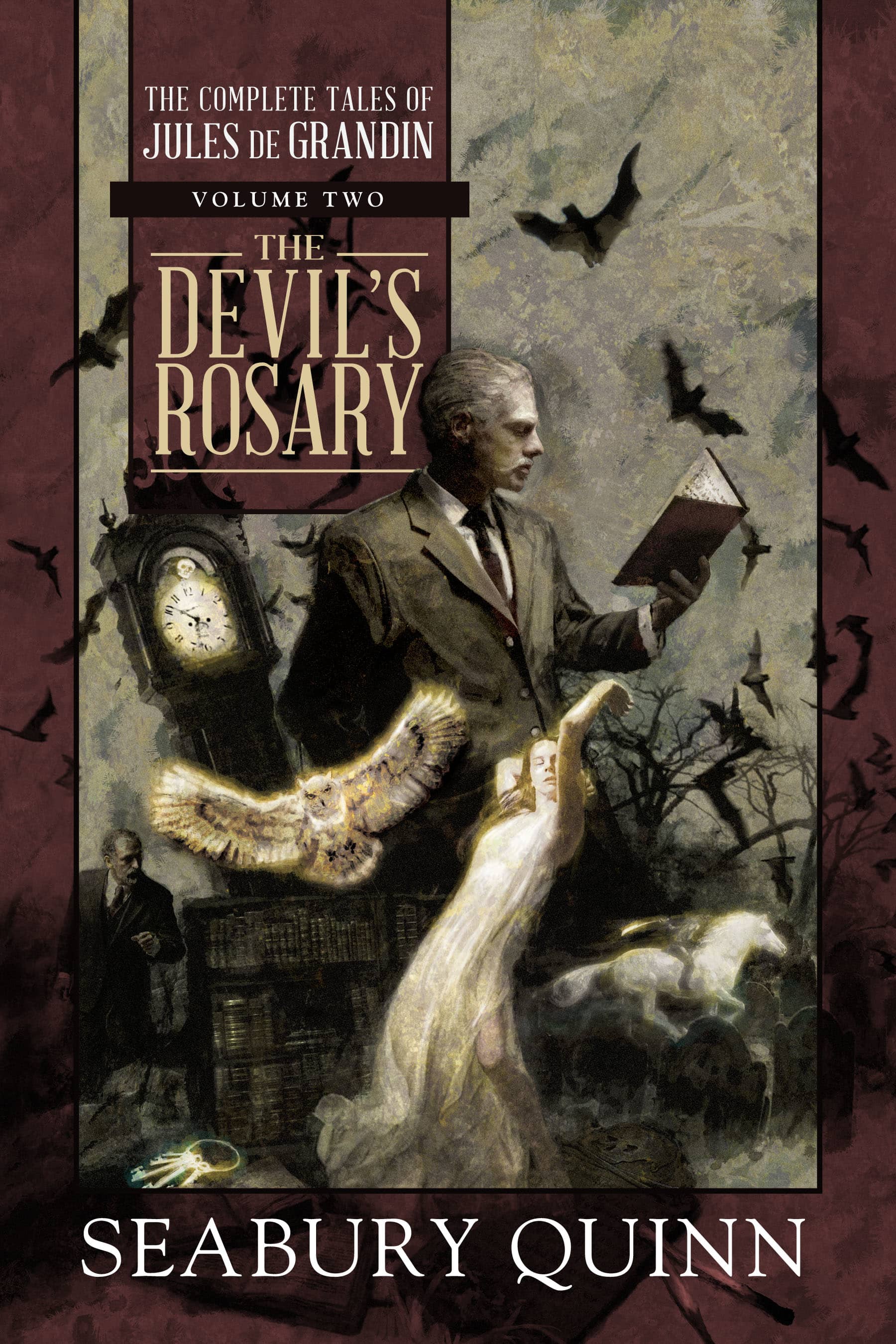
The Horror on the Links The Complete Tales of Jules de Grandin Volume One-small The Devil's Rosary The Complete Tales of Jules de Grandin Volume Two-small The Dark Angel The Complete Tales of Jules de Grandin Volume Three-small

Seabury Quinn’s occult detective Jules de Grandin first appeared in Weird Tales in 1925 and, in over 90 stories published over the next 26 years, he squared off against ghosts, werewolves, satanists, serial killers, and more sinister things. His adventures were among the most popular ever published in that venerable old pulp, surpassing even the legendary exploits of Robert E. Howard’s Conan and H.P. Lovecraft’s Cthulhu Mythos.

Publishers’s Weekly had this to say about the first installment of The Complete Tales of Jules de Grandin, The Horror on the Links, released by Night Shade Books in April 2017:

The first volume… is a fun, spooky trip back to the golden age of weird. Each story is narrated by de Grandin’s bemused and long-suffering friend Dr. Samuel Trowbridge, and most include de Grandin’s concluding explanation of the how and why of the events. Each story has its merits, but standouts include the shudder-worthy “The Isle of Missing Ships,” in which de Grandin and Trowbridge’s ship is overtaken by pirates; they end up stranded on an island where a strange man dwells in a lavish underwater cave and “long pork” is on the menu. “The Great God Pan” sees de Grandin and Trowbridge among a bevy of beauties in thrall to a strange guru. In other stories, the duo face werewolves, disembodied hands, and an evil scientist who keeps horrifying “pets” in his cellar. Seabury had a keen imagination and gift for atmosphere, and, even though modern readers may flinch a bit at some of the dated viewpoints and tropes, they’re likely to still have a grand time.

In the Jules de Grandin entry of The Nightmare Men, his long-running Black Gate series on occult detectives, Josh Reynolds offered his own thoughtful assessment of this great pulp hero. Here it is.

Read More Read More

New Treasures: The Long Sunset by Jack McDevitt

New Treasures: The Long Sunset by Jack McDevitt

The Long Sunset Jack McDevitt-smallJack McDevitt’s Academy series began with The Engines of God in 1994. The series has garnered four Nebula nominations (for Chindi, Omega, Odyssey, and Cauldron) and one Campbell Memorial Award win (for Omega). It has become one of the most popular and acclaimed science fiction series on the market (see the complete list of books in the series in my previous post here).

In the eighth and latest installment, The Long Sunset, Priscilla “Hutch” Hutchins discovers an interstellar message from a highly advanced race that could be her last chance for a mission before the program is shut down for good. Jeff Somers at The Barnes & Noble Sci-Fi & Fantasy Blog calls it “Classic space adventure in the best sense of the term… McDevitt’s optimism and enthusiasm for the profound mysteries of the universe shines through, lending the increasingly fascinating investigation an air of excitement as the crew sifts through dead planets…”

It arrived in hardcover from Saga Press last week. Here’s the description.

Hutch has been the Academy’s best pilot for decades. She’s had numerous first contact encounters and even became a minor celebrity. But world politics have shifted from exploration to a growing fear that the program will run into an extraterrestrial race more advanced than humanity and war.

Despite taking part in the recent scientific breakthrough that rejuvenates the human body and expands one’s lifespan, Hutch finds herself as a famous interstellar pilot with little to do, until a message from an alien race arrives.

The message is a piece of music from an unexplored area. Despite the fact that this alien race could pose a great danger and that this message could have taken several thousand years to travel, the program prepares the last interstellar ship for the journey. As the paranoia grows, Hutch and her crew make an early escape — but what they find at the other end of the galaxy is completely unexpected.

The Long Sunset was published by Saga Press on April 17, 2018. It is 451 pages, priced at $27.99 in hardcover and $7.99 for the digital edition. The cover is by John Harris.

Vintage Treasures: The Best Science Fiction 1974, edited by Lester del Rey, Terry Carr, and Donald Wollheim

Vintage Treasures: The Best Science Fiction 1974, edited by Lester del Rey, Terry Carr, and Donald Wollheim

Best Science Fiction Stories of the Year 4-medium The-Best-Science-Fiction-of-the-Year-4-Terry-Carr-medium2 The 1975 Annual World's Best SF-medium

In his Foreword to his Fourth Annual Collection of Best Science Fiction Stories of the Year, which gathered stories published in 1974, Lester del Rey makes the case for Sense of Wonder as the core literary virtue of science fiction.

There is another element that must be present in every good science fiction story. It should excite a feeling of wonder, of something beyond the ordinary. It is the expectation of finding such wonders that makes the reader turn to science fiction rather than to more conventional tales of adventure.

There was a time, forty or fifty years ago, when what was then called “scientifiction” had little more than this sense of wonder to recommend it. Most of the writing was dreadful, the characters were little more than stick figures, and the plots were creakingly devoted to nothing but gadgetry. Yet, bad as they were, these stories opened the imagination to wonderful vistas of the future, of the triumph of mankind beyond normal limits, and to all things strange and alien.

Today, the situation has changed. The newer writers — and the older ones who have survived in the field — have learned their craft well. The writing is incredibly better. Gone are the horible cliches of the worst of pulp fiction: the trite mad scientists, and the banal heroines who are mere props for the hero to save from a fate worse than death. Gone are the spate of pseudo-science words and the plethora of meaningless adjectives.

Happily, in the best of science fiction the sense of wonder is still with us.

We need that feeling of wonder today, perhaps more than ever, when mainstream literature and our daily newspapers keep telling us that — in the words of Wordsworth — “The world is too much with us; late and soon;/Getting and spending, we lay waste our powers…” We need to be reminded that the future is still unexplored territory and that we can read to the end of the sonnet and “Have sight of Proteus rising from the sea;/Or hear old Triton blow his wreathed horn.”

I don’t often get to mix Wordsworth with my science fiction; allow me to celebrate a little when it happens organically.

Read More Read More

How Much Adventure Can Fit on One Planet? Find Out in Tarsus: World Beyond the Frontier

How Much Adventure Can Fit on One Planet? Find Out in Tarsus: World Beyond the Frontier

Tarsus Game Designers Workshop-small Tarsus Game Designers Workshop-back-small

I started playing Traveller in 1980, using Marc Miller and Frank Chadwick’s original 1977 boxed set from Game Designers’ Workshop. I really enjoyed it although — as I noted in my 2014 article on GDW’s Dark Nebula and Imperium board games — it was a little light on setting.

The original boxed edition of Traveller didn’t really have a setting — it was sort of a generic system for role playing in space, and it drew on the popular vision of a galaxy-spanning human civilization found in the science fiction of the time by Poul Anderson, Isaac Asimov, Keith Laumer, H. Beam Piper, and others. (James Maliszewski did a splendid job of re-constructing the formative SF behind Traveller in “Appendix T.”) It was a game desperately in need of a rich setting, and it found one in Imperium.

Looking back, that critique was perhaps a little harsh. Yeah, the 1977 boxed set forgot to include a setting, and the publisher had to steal one from Imperium. But it wasn’t long before GDW began to improve the situation by producing high quality supplemental materials for Traveller. One of their better efforts was the boxed set Tarsus: World Beyond the Frontier, designed by Marc W. Miller and Loren K. Wiseman and released by GDW in 1983. I recently tracked down a copy, and I really wish I’d had it for those early gaming sessions in the trailer in my back yard in 1980.

Read More Read More

The Lonely Hardcover: The Golden Road, edited by Damon Knight

The Lonely Hardcover: The Golden Road, edited by Damon Knight

The Golden Road Damon Knight-small

I’ve heard it said many a time that online shopping will never replace a good bookstore, because you can’t make those delicious unexpected discoveries online.

Well, that certainly hasn’t been my experience. My most recent example? Damon Knight’s 1974 fantasy reprint anthology The Golden Road: Great Tales of Fantasy and the Supernatural, which I found on eBay while bidding on a small collection of British fantasy paperbacks from the same seller.

Now, I’ve never even heard of The Golden Road, and I most definitely stumbled on it while I wasn’t looking for it, so it certainly counts as a delicious and unexpected discovery. Plus, I won it for a measly five bucks plus shipping, so it’s sort of like making a delicious and unexpected discovery at a neighborhood garage sale, when your neighbor has no idea how to haggle.

Why’d I bid on a book I’d never heard of? Partly because of Damon Knight’s sterling rep, which he earned with numerous highly regarded anthologies, including 21 volumes of the legendary Orbit. But also because, wow, I really had never heard of this thing, and just look at it. It’s 44 years old and it looks brand new. Plus, it’s 447 pages long, and I bet it could keep me entertained for an entire weeklong cruise to Ecuador.

Read More Read More