Why I Read Old Science Fiction Stories? (Spoiler: For Entertainment)
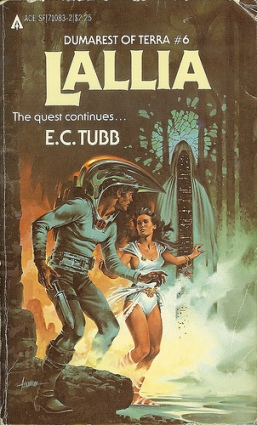
What is wrong with us?
A gazillion SF&F books get published every month, and here we are reading books written by people who mostly died before we were born. And this is Science Fiction we’re talking about! Surely that’s the genre that riffs off the present to paint a plausible future, or at least an illuminating one? Why are we still reading the old stuff?
Is it because we’re wedded to some idea of “canon”? Probably not.
Sure, it’s interesting to visit the roots of a genre, but most of us want to be also entertained in our scarce leisure time. It’s why people who like theatre come back to Shakespeare for pleasure, but mostly approach Jonson and Marlow out of intellectual interest, and why I still dip into Malory’s pulpy Le Morte De Arthur, but not the ploddy Vulgate Cycle by some Medieval French guy(s?) I forget.
Similarly, aspiring authors are well-advised to see how their predecessors managed the… choreography of certain kinds of story: there’s no point in reinventing the wheel when past generations have left so many tried and tested examples just lying around. However, that presupposes that those wheels were proven in action, that they carried along stories that were entertaining.
And, yes, given how wide the field is, we’re more likely to find common ground talking about CL Moore than China Mieville: the best place to catch your mates is outside the pub, not in its murky depths. Even so, we want to be able to rant about books we loved and why… books that we found entertaining.
And there’s that word again: entertaining.
What does the old stuff have that the new doesn’t? After all, modern SF comes in meaty tomes of 100K words, generally has plausible extrapolation, and often takes us out of our comfort zone. How can 30K of often lightly characterized and emotionally distant narrative with not much contemporary significance compete with that?
Except, that’s the point, I think.
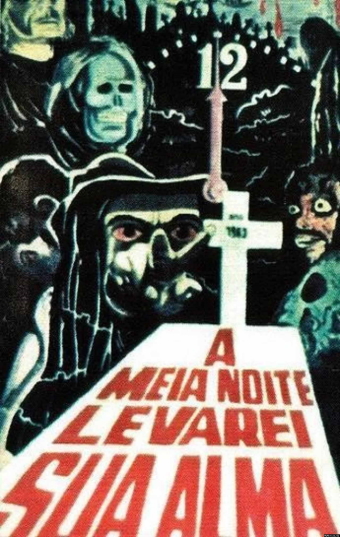 Brazilian director José Mojica Marins died earlier this year at the age of 83. He made low-budget films across a number of genres, with his horror work best known. His character Coffin Joe (Zé do Caixão), introduced in the 1963 film At Midnight I’ll Take Your Soul (A Meia Noite eu Levarei sua Alma) is a kind of national ghoul of Brazil. Fantasia decided to honour Marins by making three of his films available on-demand through the festival, and scheduling a talk about Marins with his friend Dennison Ramalho on the last day of the festival;
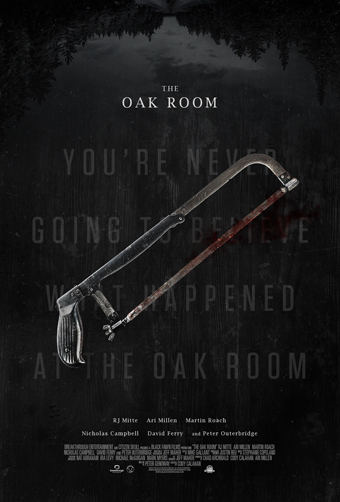 Film noir’s usually thought of as an urban genre. Its standard setting is the mean streets down which a man must go who is not himself mean. But a city’s not necessary; the Criterion Channel recently hosted a collection of Western Noir, films like Rancho Notorious and The Walking Hills. The ingredients for noir — violence, criminality, a morally bleak world — can be brought together anywhere.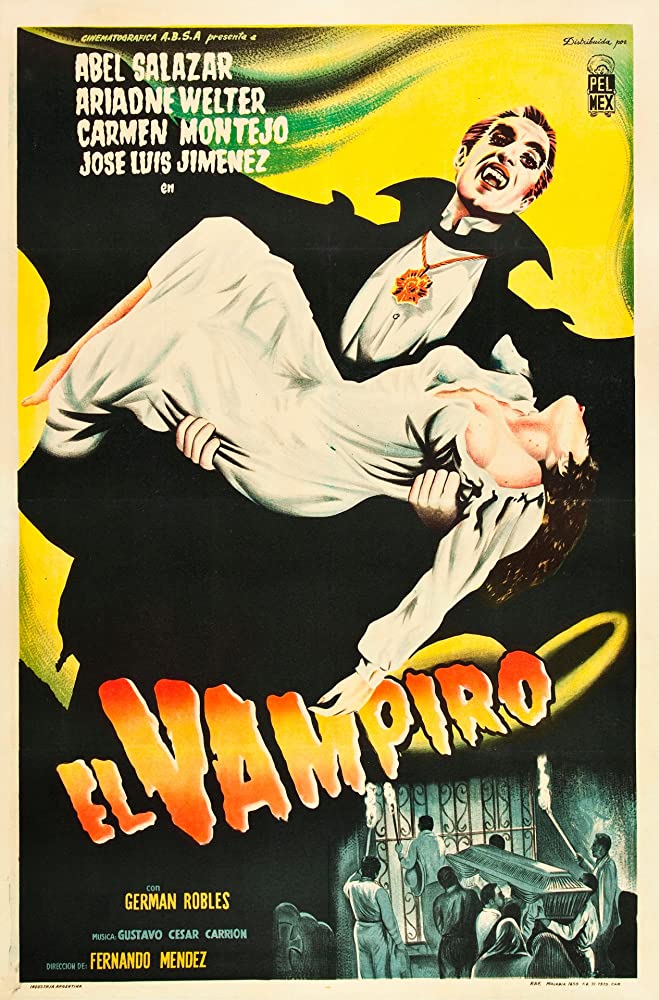
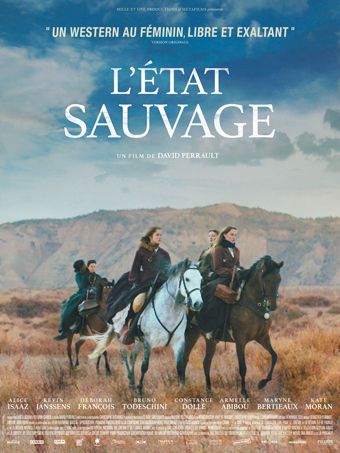 The Western’s an American genre in origin, but Europeans from Sergio Leone to Charlier and Moebius have done interesting work in the form. Usually, though, European Westerns follow American heroes. That is, the European creators are still telling American stories. Savage State (L’État Sauvage), a Western from French writer/director David Perrault, does something different, following a French family trying to get out of the American South during the Civil War. It’s a nice idea. Unfortunately, the execution’s lacking.
 Every story’s got a genre, even if the story’s the sole example of its genre, so by extension a lot of stories use genre conventions and trust that the audience will accept them even if they’re unlikely or unbelievable. Often the audience does, especially when the conventions are so common they don’t register as conventions. But a story usually works better the more it can justify its conventions. Especially when the justification, and the convention, work with the story’s theme.