What Would it Look Like to Pull a Watchmen on Planetary Romance? Part I
 I’ve been musing lately about the conventions of the comic book form we’ve inherited from the past and how they match to the sensibilities of the present. They don’t easily fit without suppressing either the core superhero conceits or the realities of the modern world.
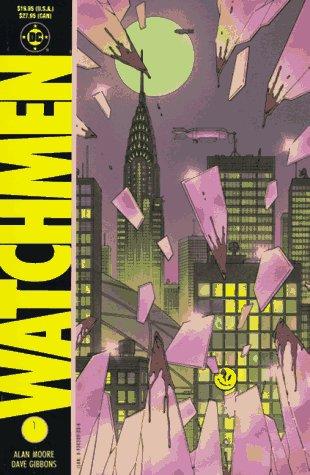
Perhaps the most famous crashing of the two was Alan Moore’s Watchmen, which slammed the conventions of the superhero genre into the hard, hard wall of modern, adult sensibilities. It made a pretty mess of the superhero genre.
Most of the traditions of the superhero genre were born in a very brief period between 1938 and 1945, a time which birthed Superman, Batman, the Justice Society, Captain America, the Submariner, and the Human Torch, as well as many other less memorable characters.
The idea of the secret identity, of defending truth, justice and the American way, of the repeated conflict with the nemesis villain, and of just relentlessly defeating crime, were all in those first seven years. The only idea I can think of that seems to me essential to the superhero genre that was not formed in those times is the idea that the characters never really die (except for Uncle Ben, Gwen Stacy, and Bucky, as the famous rule inaccurately goes).
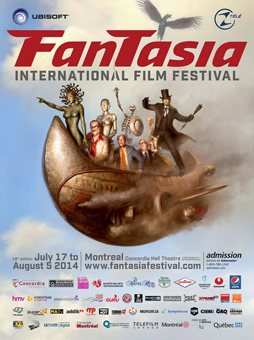 As I write this, I’m preparing for a vacation in the country. It’s an odd thing, in that the past three weeks have been a kind of vacation in themselves, as thanks to John O’Neill here at Black Gate and to the Fantasia staff, I was able to cover this year’s edition of the Fantasia International Film Festival. Still, watching (by my count) thirty-nine movies and writing about all of them was quite a project. Fun, though. I thought I’d take a quick post to wrap up my coverage by talking about what I’ve learned from the experience.
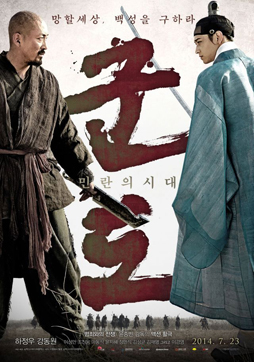 I closed out this year’s Fantasia film festival with a movie on Wednesday and another on Thursday. Together they seemed to say something about the festival, in that they had virtually nothing in common. They’re from different countries, they’re different genres of film, they have wildly different budgets — and yet somehow they both seem to belong at Fantasia. Unsurprisingly, one played the big Hall Theater, while the other screened at the small De Sève.
 Last Tuesday saw the presentation of the official closing film of the 2014 Fantasia International Film Festival. Film festivals being what they are, there’d actually be another two days of films after that. In any event, I’d manage to see the closer, after catching two other movies earlier in the day.
 As I said in my last post, I went out of town for the first weekend of August, and thus missed a couple days’ worth of movies playing at the Fantasia film festival. I was able to catch up with some on Monday, though. Fantasia maintains a screening room, with workstations where journalists, industry people, and other accredited folks can watch movies on computer. It’s not the optimal way to experience a film — they’ve usually been burned onto a DVD or accessed through a private Vimeo account — but it’s serviceable if you can’t catch the movie any other way. The screening room usually loses rights to the movies shortly after they play at the festival, but when I went by on Monday, there were still quite a few available.