Julius Schwartz on A. Merritt, Amazing Stories, and the First Worldcon
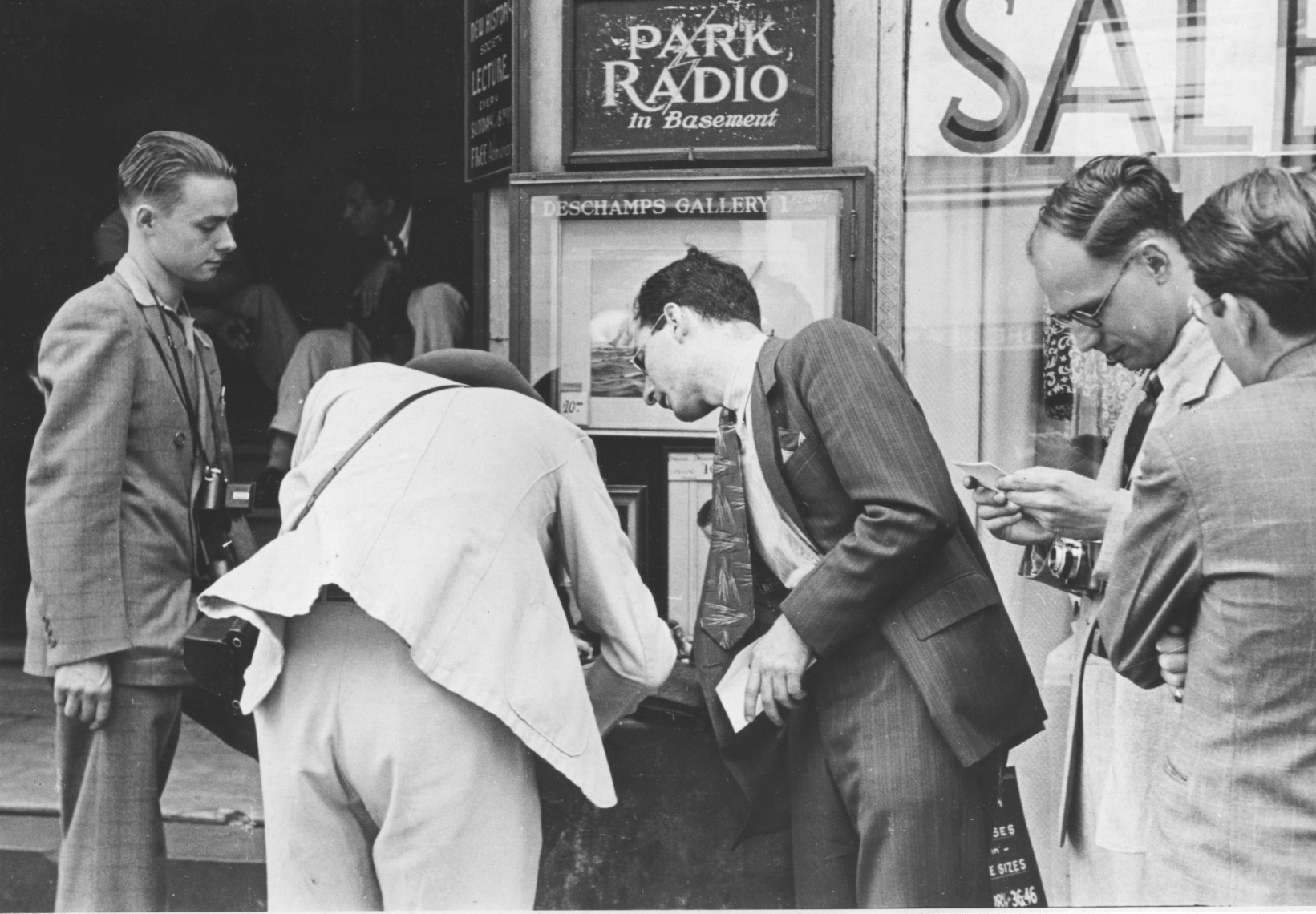
The first Worldcon, July 1939. Left to right: Jack Darrow, Jack Williamson,
Julius Schwartz, unknown, and Conrad Rupert. Photo by Bill Dellenback
While letters from and to Otto Binder made up the majority of the correspondence I acquired from the estate of Clifford Kornoelje (aka in science fiction circles as Jack Darrow), Binder wasn’t the only science fiction notable that Darrow corresponded with. One of his other correspondents was Julius Schwartz, remembered today for his roles in both the science fiction and comics fields. I thought I’d post two of those letters from Schwartz — along with some related material — today.
The first letter from Schwartz to Darrow is dated December 12, 1932. The Mort that he refers to in several places is their mutual friend, Mort Weisinger. It has a mention of Astounding, a mention of a dinner that Schwartz (and presumably Weisinger as well) will be having with pulp author David H. Keller. And most particularly, it has an interesting bit resulting from an interview that Schwartz had conducted with A. Merritt two weeks earlier. I don’t know if Merritt actually sued Amazing, as Schwartz claims, or whether he just threatened them, but Amazing did run an apology in their June 1933 issue.
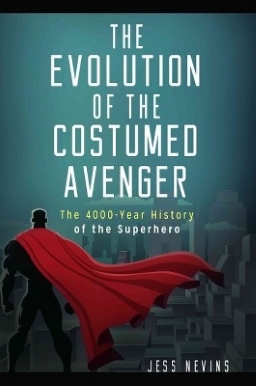 Though he’s written short stories and three self-published novels, Jess Nevins is likely best known as an excavator of fantastic fictions past: an archaeologist digging through the strata of the prose of bygone years, unearthing now pieces of story and now blackened ashes of some once-thriving genre long since consumed and built over by its lineal successor. Across annotated guides (three to Alan Moore and Kevin O’Neill’s League of Extraordinary Gentlemen, one to Bill Willingham and Mark Buckingham’s Fables) and self-published encyclopedias (of Pulps and of Golden Age Superheroes with Pulp Heroes soon to come, as well as 2005’s Monkeybrain-published Encyclopedia of Fantastic Victoriana) Nevins has reassembled old pieces of fantastika, indicating direct influences on modern writing and establishing directories of almost-forgotten story. He’s one of the people broadening the history of genre, in his books, and in articles such as