When The Hero Comes Home: A Review
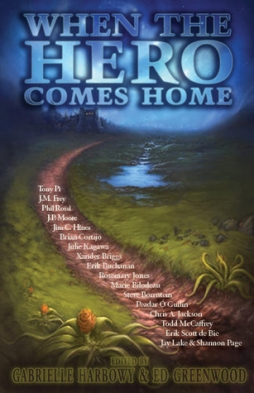 When the Hero Comes Home is an anthology from Dragon Moon Press co-edited by Garbielle Harbowy and Ed Greenwood. It’s a surprisingly thin book, given that it holds nineten stories by twenty writers (including two Black Gate contributors, Peadar Ó Guilín and Jay Lake, in collaboration with Shannon Page). Its theme is exactly what it says: the homecoming. The point where the story usually ends. I have some reservations about how the book turned out, but the idea’s intriguing: what do you find when you make it back to where you began? Has the place changed, or have you?
One thinks of Odysseus’ return to Ithaca, or of Frodo’s discovery of what’s happened to the Shire. The conclusion of the story that sums up the themes of all that’s gone before. The last unexpected twist, the discovery that heightens emotion and gives the protagonist one final conflict. Arthur Miller said that every great play has to do with the question “how may a man make of the outside world a home?” But what, ultimately, is home? How do we recognise it?
Not all of the stories in When the Hero Comes Home have these kinds of questions on their minds. Overall, though, the tales do tend to examine the idea of ‘home,’ rather more than they do the idea of ‘hero.’ Then again, the existence of a hero, however defined, is inherent in the theme; it’s the nature of the home that implicitly has to be established. So: these are stories about fairly unambiguous heroes, finding that things at home are more complicated, and often more disappointing, than they’d thought.
 The Raven (2012)
 Fox and Phoenix
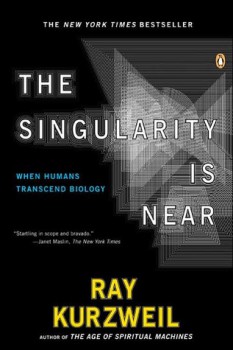 In 2045 we will reach Event Horizon, aka the Singularity. In that year we will transcend biology and our bodies will meld with machines. “There will be no distinction, post-Singularity, between human and machine or between physical and virtual reality,” predicts author Ray Kurzweil in his 2005 treatise The Singularity is Near.
 The Dead of Winter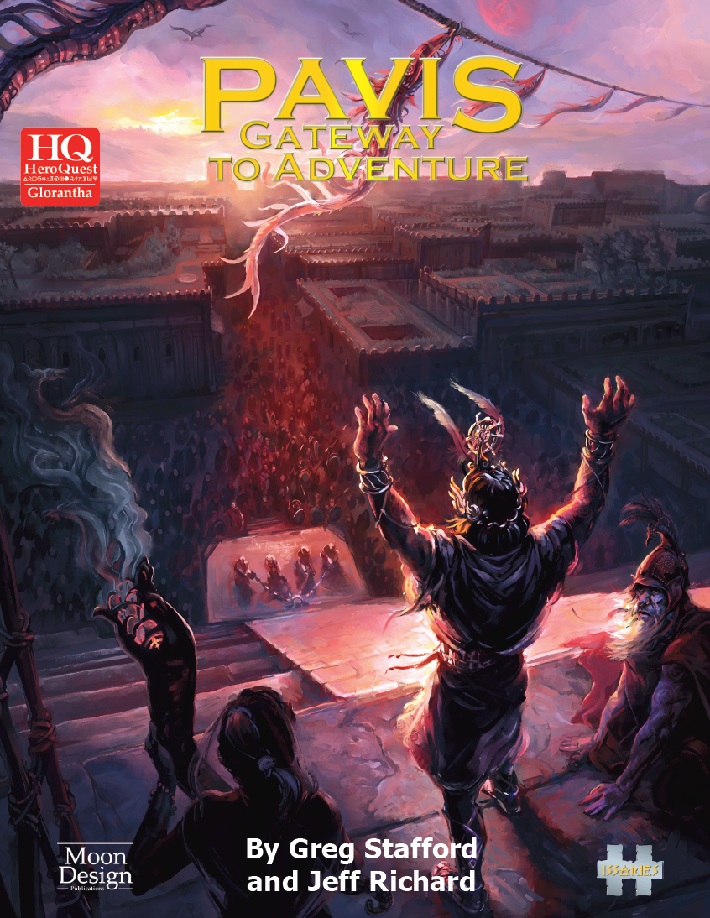
 The Alloy of Law
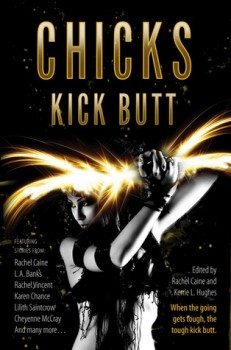 Chicks Kick Butt
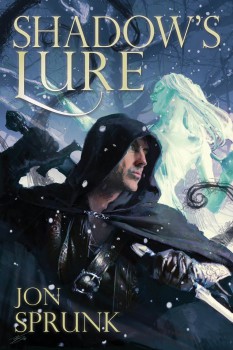 Shadow’s Lure