The Dream of the Numinous: Carl Sagan’s Contact
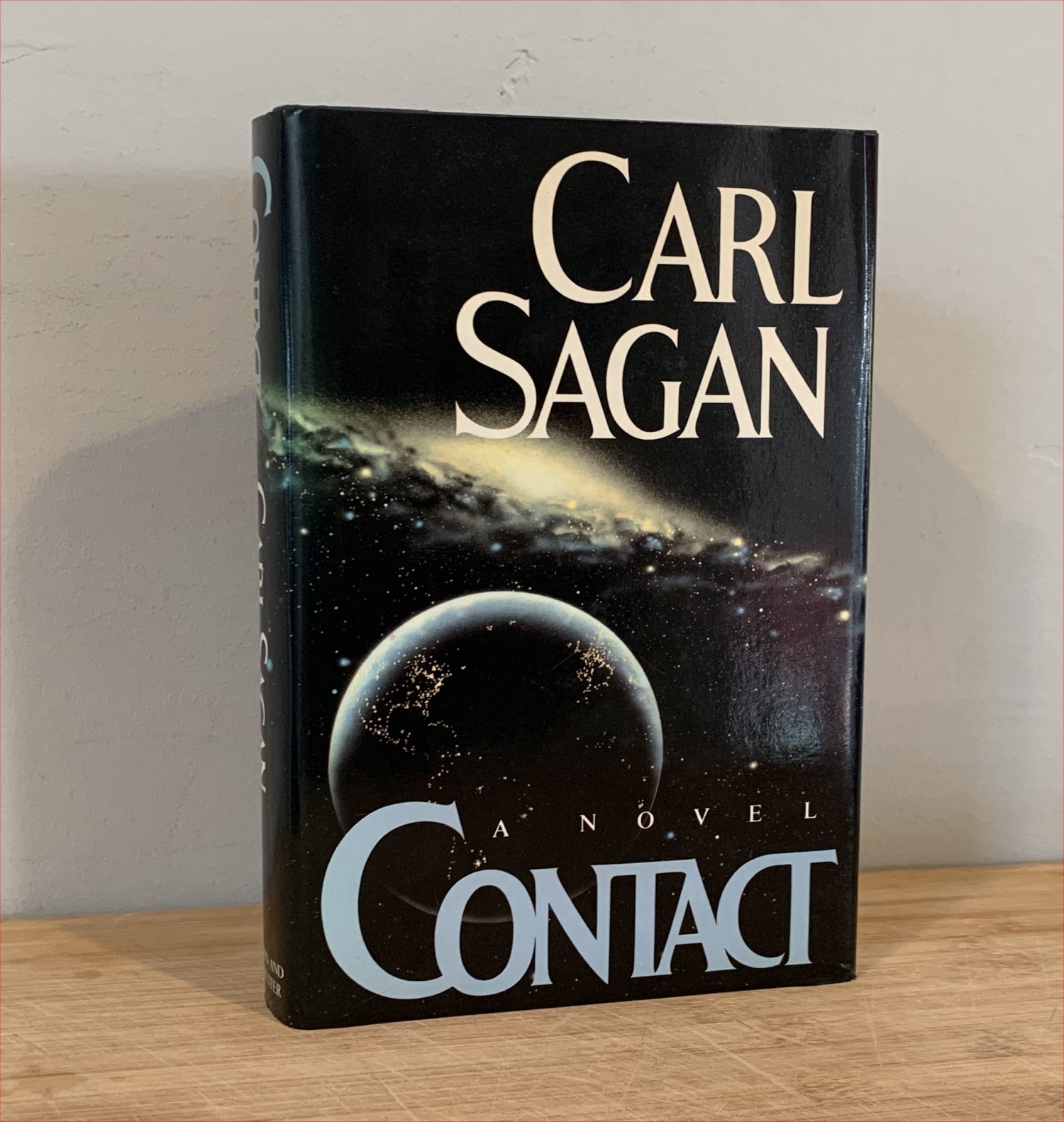
Contact by Carl Sagan
First Edition: Simon and Schuster, October 1985, Jacket painting by Jon Lomberg
Contact
by Carl Sagan
Simon and Schuster (432 pages, $18.95, Hardcover, October 1985)
Jacket painting by Jon Lomberg
Carl Sagan is known as the greatest science popularizer who was also a legitimate scientist of the late 20th century. His landmark achievement was a 13-part TV series, Cosmos, broadcast in 1980, and its companion book of that same year. Sagan was an astronomer and planetary scientist, whose achievements included planning the first Mariner mission to Venus in the 1960s and the Viking landers on Mars in 1976. His first popular book, The Cosmic Connection (1973), won a special nonfiction John W. Campbell Memorial Award – the only time that award went to a nonfiction book – in 1974. Indeed, that’s how I first heard of Carl Sagan, having been following the science fiction awards for just a year or two, at my age then.
…
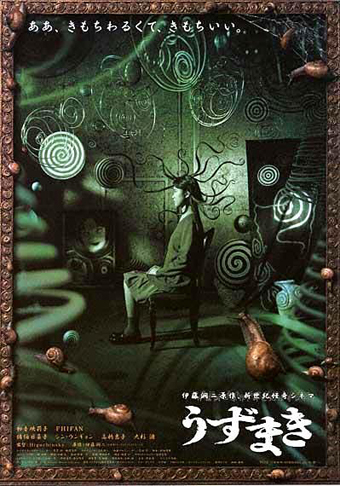 Most of the films at Fantasia 2021 were new, but some were time-honoured works given a screening either because of a new restoration or because they played the festival in the past and were brought back to celebrate Fantasia’s 25th anniversary. Uzumaki (うずまき, literally “Spiral”), from the year 2000, is a case of both — it has a new 4K restoration, and it played Fantasia in 2000. The film’s an adaptation of the manga by Junji Ito, though since it was made while the manga was still ongoing it’s an adaptation that had to find its own answers for some of the questions the text hadn’t resolved at the time of production. Directed by Higuchinsky, AKA Akihiro Higuchi, with a screenplay by Takao Niita, the movie came two years after Ringu (the original version of The Ring) and the same year as the first straight-to-video Ju-On film. It’s one of the early examples of J-horror, then, but sub-genre aside it’s something interesting to consider in its own right.
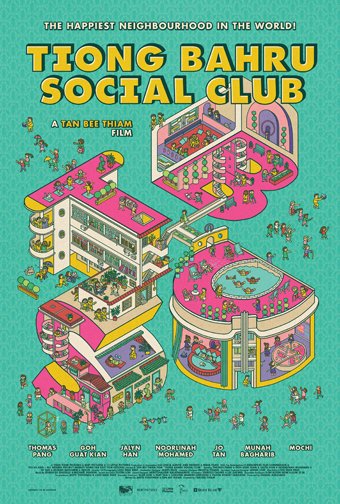 The second feature film I planned to see at Fantasia 2021 came bundled with an eight-minute short by a familiar name. That short was “Let’s Fall In Love,” written and directed by Shengwei Zhou, whose odd stop-motion feature S He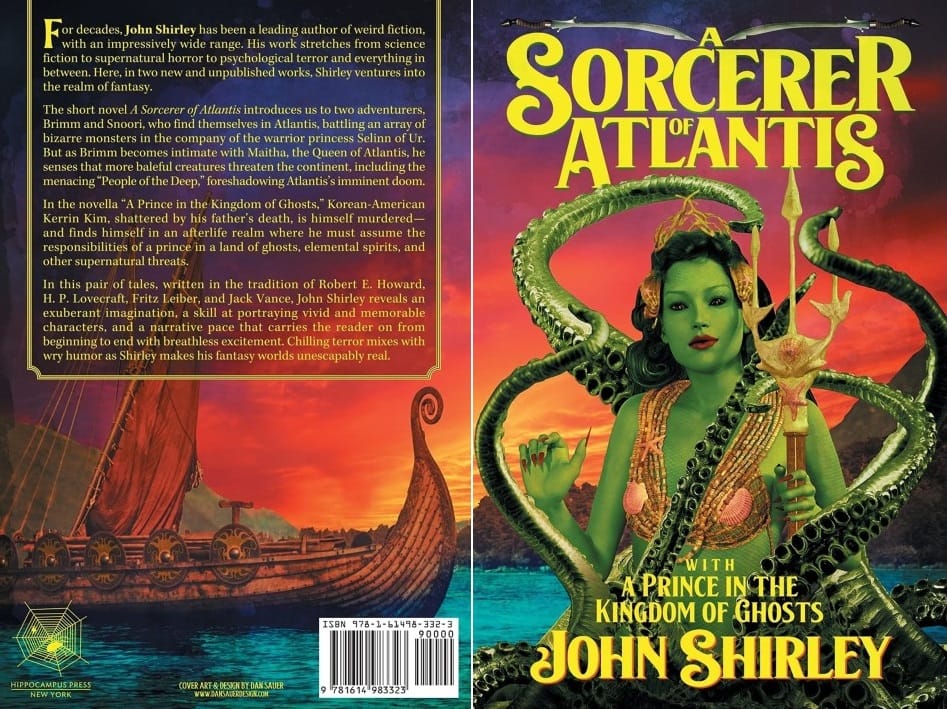
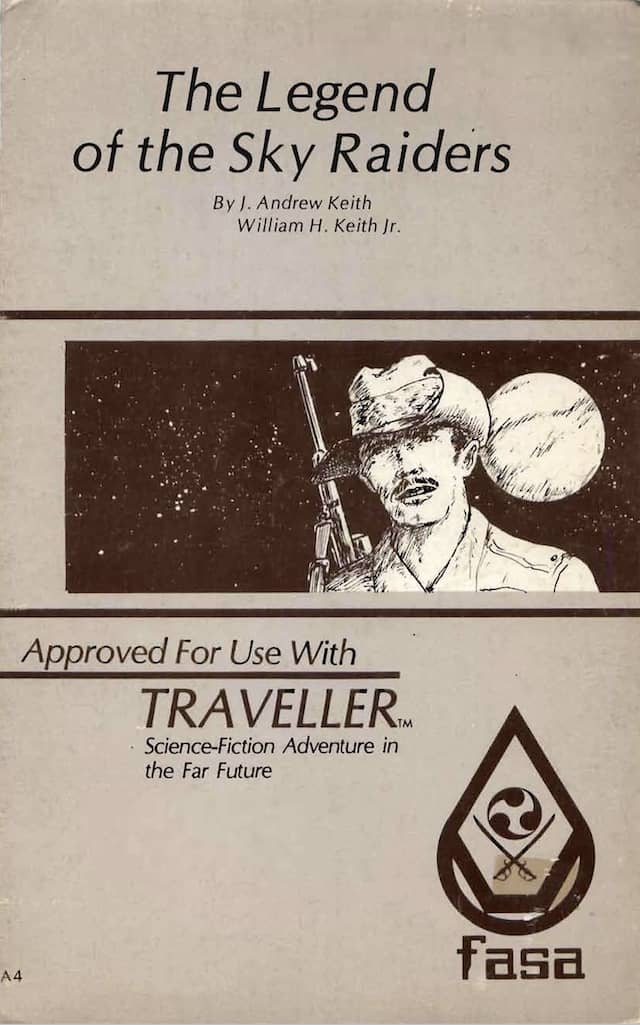
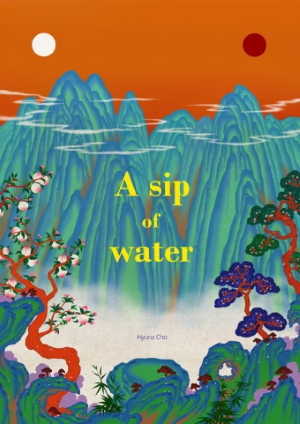 Among the pleasures of the Fantasia Film Festival are the showcases of short films. Some of these feature-length collections get a new iteration every year, while some come and go depending on what’s submitted to the festival. Fantasia’s programmers have a great sense of how to group shorts together, meaning not only are the annual showcases reliably strong work, but new themes are bound to present work of major interest as well. So one of the things that intrigued me the most when I first saw Fantasia’s 2021 schedule was Radical Spirits, a collection of six short films about (broadly speaking) traditional ways of being and traditional spiritual paths. I decided to make it my second viewing of the festival.
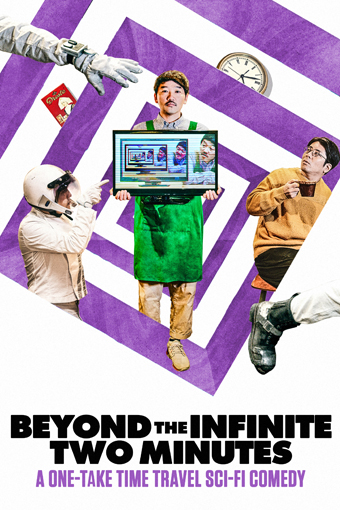 The 2021 Fantasia International Film Festival presented most of its hundred-plus feature films over the internet, some of them streaming at scheduled times, others available across the duration of the festival. (Which ended on the 25th; I ended up watching so many movies during the three weeks the festival ran I didn’t have time to write about them.) Looking at the schedule for August 5th, the first day, I didn’t see anything scheduled that I wanted to cover, and decided to watch some of the on-demand titles. Which raised the question of which film would be the best way to start my Fantasia 2021 experience. After some havering, I made my pick.