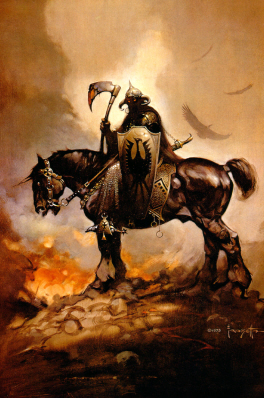
 Frank Frazetta, the greatest fantasy artist of his generation, died today at age 82.
Frazetta got his start in comics in the early 1950s, working with legendary artists such as Al Williamson, Roy Krenkel, Al Capp, and Harvey Kurtzman on Buck Rogers, Flash Gordon, and Li’l Abner, as well as many titles at EC Comics.
In 1964 Frazetta did his first movie poster for (of all things) Woody Allen’s first film, What’s New Pussycat? This eventually led to cover paintings for some of the most popular paperbacks of the 60s and 70s, most notably the works of Edgar Rice Burroughs, including Tarzan and John Carter of Mars.
For fantasy fans Frazetta is best remembered for his groundbreaking Sword & Sorcery images — such as “Death Dealer” (right), the cover to Lin Carter’s 1973 anthology Flashing Swords 2 — and most especially his colorful and visceral depictions of Conan, which revolutionized fantasy art.
Until Frazetta, Conan was primarily depicted as a white, clean-cut warrior in pseudo-roman garb, straight off the set of a Cecil B. DeMille film (see the covers of Robert E. Howard’s first Gnome Press editions from the 1950s, such as Conan the Barbarian).
But Frazetta swept away all who had come before, re-envisioning Conan as a muscular, dark-skinned titan, a true barbarian in spirit and appearance. Since Frazetta, in defining work by artists like Ken Kelly, Sanjulian, Barry Windsor Smith, Mark Schultz and Gary Gianni, Conan has been revealed as both heroic and fearful, a thick-sinewed, long-haired mongrel, a truly striking figure in all respects.
Frank Frazetta died at a hospital near his home in the Pocono Mountains of Pennsylvania.
For a sampling of some of his finest work, visit the unofficial Frazetta Fantasy Art Gallery.
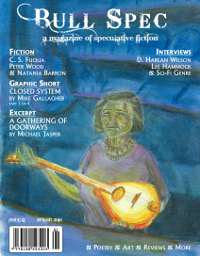 There’s a new magazine devoted to speculative fiction with the unfortunate name of Bull Spec, which I hope for the sake of the editorial team does not become known as “BS” for short. I haven’t read any of the contents, though you can get a pdf version (there is a print edition as well) Radiohead-fashion, i.e., pay what you want. Fiction by C.S. Fuqua, Peter Wood, Natania Barron, Michael Jasper, with a serial graphic story by Mike Gallagher.
 She was tiny, beautiful… and crafted of pure gold. Her gifts were pure as well: gold, and madness.
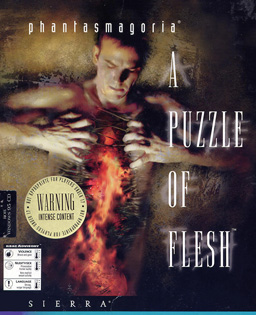 To call me a “gamer” would do a serious injustice to those hardcore cyber-warriors who are universally recognized for their pale complexion and calloused thumbs. But as someone who has spent many a windfall dollar at the local GameStop, foregone more than one sunny summer day hunched over a keyboard in a darkened room, and lives at least partially in a world where an
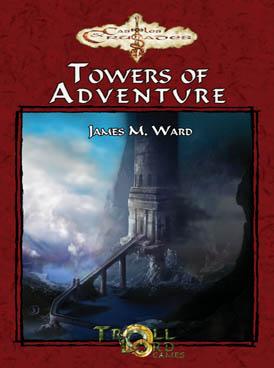 A while back I placed an order with one of my favorite online vendors,
  Some of you might have missed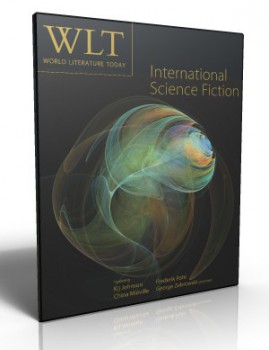
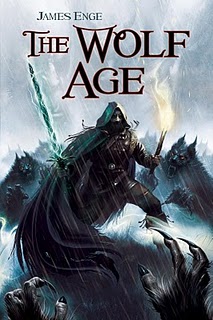 Editorial director Lou Anders has posted Pyr’s complete Fall Winter 2010-2011 catalog online.
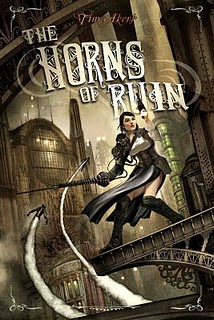 There’s plenty more on the Pyr list to command your attention, including Tim Akers’