Goth Chick News – Build Your Own Zombie
 Though it doesn’t happen very often, occasionally I am left speechless.
Generally this occurs when watching an episode of True Blood during which there is an abundance of vampire and werewolf nudity. However, sometimes it happens for other reasons as well.
Case in point.
Seeing the voodoo doll display on my desk along with the “I’m So Goth I Poop Bats” bumper sticker on my file cabinet, an insightful co-worker brought me the coolest “how to” book since that one that contained the instructions on how to bring a Golem to life.
Nicola Tedman, a special effects artist who worked on the Harry Potter films, has awaken her inner George A. Romero and focused her creative attention on the malleable, fuzzy softness of felt.
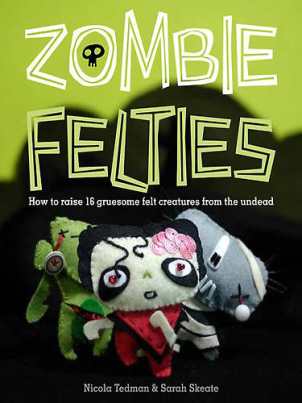
Zombie Felties: How to Raise 16 Gruesome Felt Creatures from the Undead is an oversized paperback which instructs the reader in the ultimate in anti-Martha Stewart craft making.
Inside, would be Zombie Masters will find remedial instructions for more than 15 zombie creatures, including a Romero-esque “Day of the Dead Zombie,” a “Dead Ducky” and my personal favorite the “Vampire Zombie.”
 Shadow Prowler

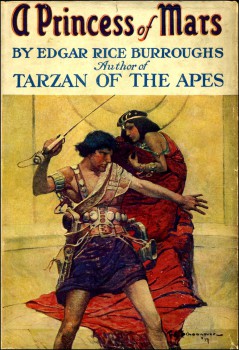 The year 2012 C.E. is the centenary of the Reader Revolution. Two novels published in pulp magazines that year, A Princess of Mars and Tarzan of the Apes, re-shaped popular fiction, helped change the United States into a nation of readers, and created the professional fiction writer. One man wrote both books: Edgar Rice Burroughs.