Art Evolution 2011: Chuck Lukacs
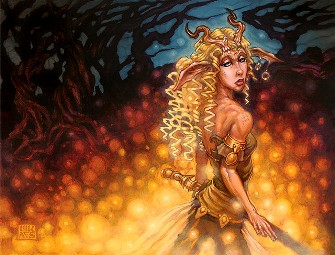
Ok, so I work as Art Director here at Black Gate L.A., and that means I get to see a good amount of really fantastic art, especially where Art Evolution is concerned. That being said, it’s not often I get introduced to talent on the magazine that I wasn’t previously aware of. Still, it does happen, and one such artist is Chuck Lukacs.
Now that’s not to say Chuck is new to the fantasy industry, far from it, but as I’ve never been a Magic the Gathering player, and with the mass of D20 D&D books hitting the shelves since 2000, you can’t always identify every artist you see.
Chuck, however, was doing his due diligence during the 2000s, and his talents were recognized by many youthful minds along the way. He’s graced the pages of dozens of RP books, as well as Magic collections, and his art finally made it to me as I read the tales of Morlock the Maker which appeared in the pages of Black Gate’s print edition. Here, Chuck helped define James Enge’s character that would eventually go on to produce full novels in his own right.
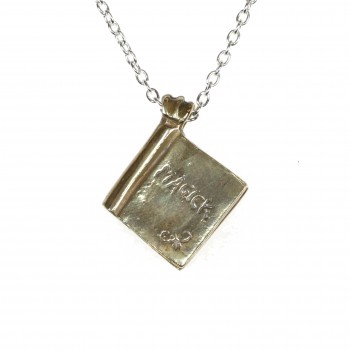
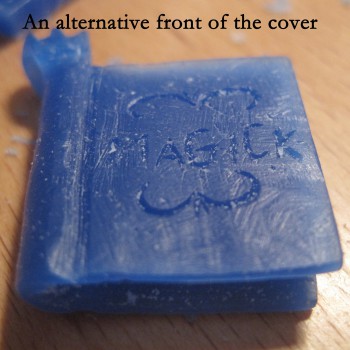 And now, months later, our collaboration is taking shape. I’ve produced three designs, a pendant that I released at the same time that Kat, Incorrigible hit bookstores, a pair of earrings that debuted at the launch party for the second book, A Tangle of Magicks (this will be released as Renegade Magic in the US next year), and a charm bracelet that just went on the market about an hour before I sat down to write this post. One might ask, how big is the market for book tie-in jewelry like this? I have no idea. Ask me in a year or two. What I can talk about, though, is how we started this venture.
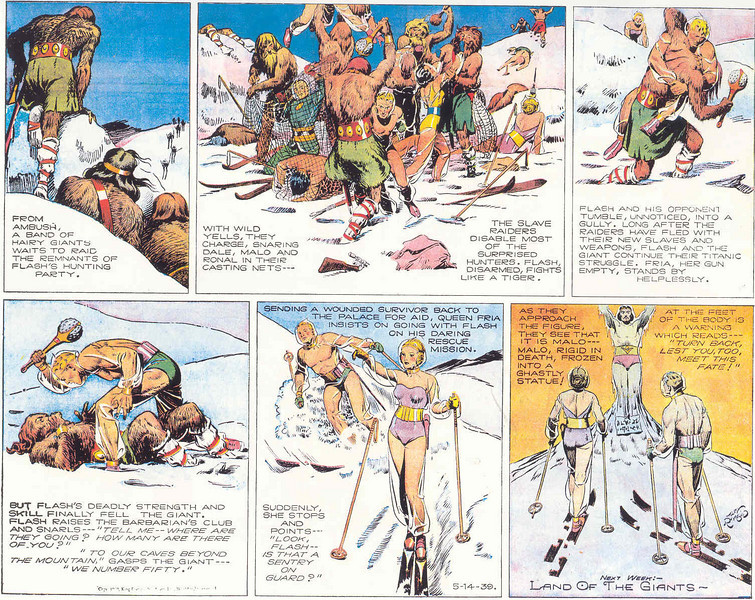
 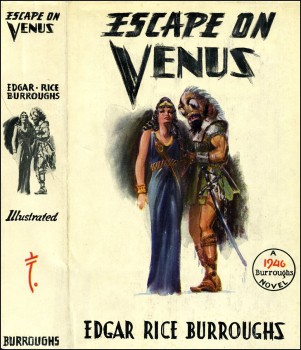 I love Edgar Rice Burroughs. His novels have had an enormous influence on me as a writer and as a pulp fan. But, I must admit, sometimes he wrote … this kind of thing….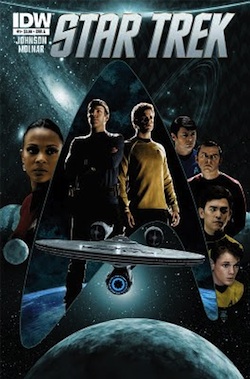
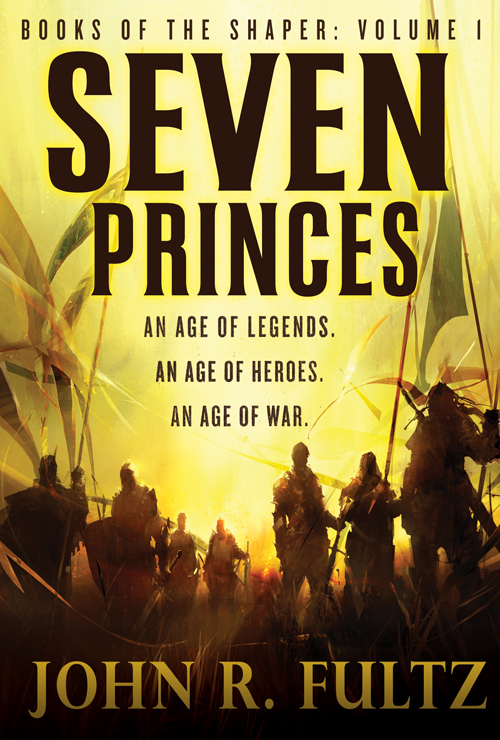 Orbit Books just did a cover launch for SEVEN PRINCES on their official site today:
 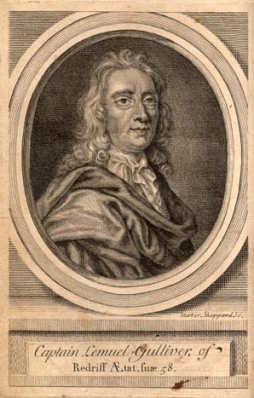 By way of beginning a discussion about Romanticism and fantasy, I’d like to take a quick look at where the Romantics came from. If Romanticism was a revolt against Reason, what was Reason understood to be? If Romanticism, as I feel, is essentially fantastic, is Reason opposed to fantasy? To know Romanticism is to know the Enlightenment which it was reacting against, so in this post I’ll try to describe some characteristics of the 18th-century Enlightenment in England that seem relevant to the development of fantasy. I’ll go up to about 1760, and then in my next post point out some of the counter-currents and proto-Romantic elements that were developing at the time and after.
 Webzine