Black Gate Goes to the Summer Movies: Dark Shadows
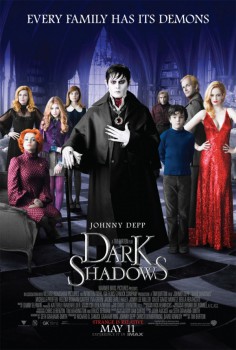 Dark Shadows is the first victim of The Avengers. Next up is Battleship.
Contrary to the horrified reactions to the trailer, the state of Tim Burton’s creative career, and Warner Bros. willful promotional ignorance of the movie, Dark Shadows is not a massive disaster. It’s merely a dull flick that suffers from the most standard of bad-movie flaws: an uninteresting story. A few flashes of something better appear — although it is hard to determine what that something was — but this latest attempt to revive the 1966–71 Gothic daytime soap opera seems to drift in clouds of weed, lazily resorting to some broad yet humorless gags while forgetting that it has multiple plot strands that require attention. The film’s slogan really should’ve been: “We were going to make a compelling story for Dark Shadows, but instead we got high.”
Dark Shadows also isn’t much of a comedy; the reviled trailer sells the film as outrageous culture-clash humor, but these kind of jokes make up only about a third of the film. The rest of it consists of stilted scenes of characters sitting down and talking about what isn’t happening in the rest of the movie.
At least there’s a great soundtrack, a surprisingly smooth meld of one of Danny Elfman’s better scores in recent memory with pleasing early ‘70s pop and rock. Another plus is a production design that feels more natural and sensuously subdued than what Tim Burton usually produces. If Burton was consciously experimenting with an understated Gothic décor and a more realistic vision of the 1970s than people expect of him, I applaud him for it. It works, and it’s one of the few aspects of Dark Shadows that does.
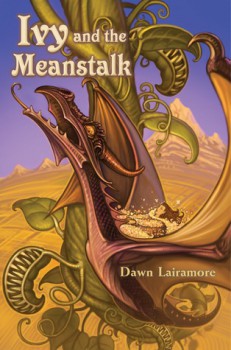 Ivy and the Meanstalk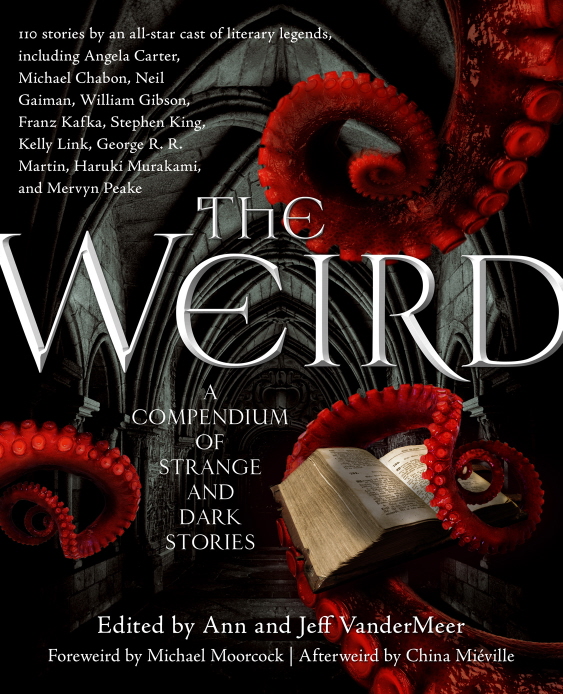
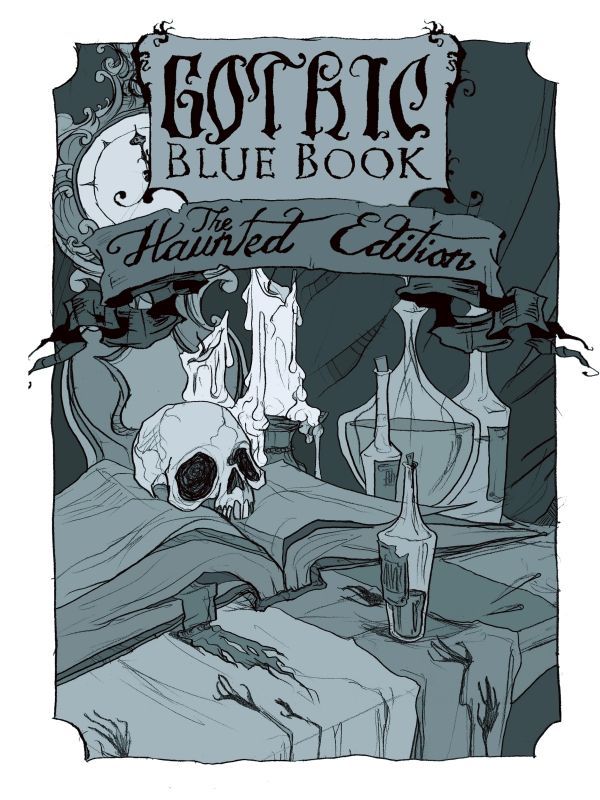
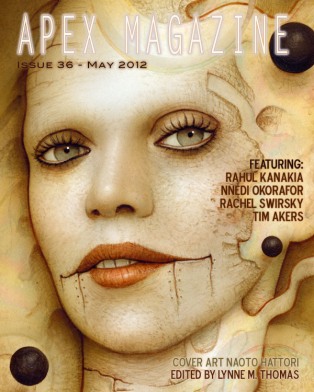 May’s Apex Magazine features ”Decomposition” by Rachel Swirsky (who is interviewed by Maggie Slater), ”Tomorrow’s Dictator” by Rahul Kanakia and “The Chaos Magician’s Mega Chemistry Set” by Nnedi Okorafor.
 While I was looking for more authors of modern Arabian fantasy,