Teaching and Fantasy Literature: More on Writing, and Teaching, on Your Feet
 To my surprise, I got a bunch of emails asking for more details about the weird teaching gig I described in last week’s post. How exactly did it work, teaching creative writing while kicking a soccer ball around my student’s basement?
This student was so blocked about writing in most areas of his life that, unless I was right there with him, he rarely wrote anything on his project–as much as he loved it. The first thing we did when we got to our work space was run around kicking the ball back and forth for five minutes or so while he talked his way through what he wanted the next scene to do. As soon as he reached the point where he had some proto-sentences in mind and a paragraph’s worth of ideas about how he wanted to string them together, I’d say, “Okay, now write that down, quick!” We were trying to catch the thought before it got lost. He’d tinker while he got the words on the paper, and sometimes take out his hard copy of the manuscript so far and check details or make small changes to integrate the new material. I pressed him to keep at the pen-on-paper step for a minimum of five minutes; sometimes he wanted to go on far longer than that when he was on a roll. When he ran out of steam for his longhand work, we were up and running again.
In some ways, it was not so different from the office hours I held when I taught freshman composition at a big state university. I learned early in the freshman composition gig not to let the anxious or reluctant writer leave my sight before s/he put some words on paper, or else by the time s/he got back to the dorms, all the ideas we had discussed would have evaporated. In content, though, the texts could not have been more different.
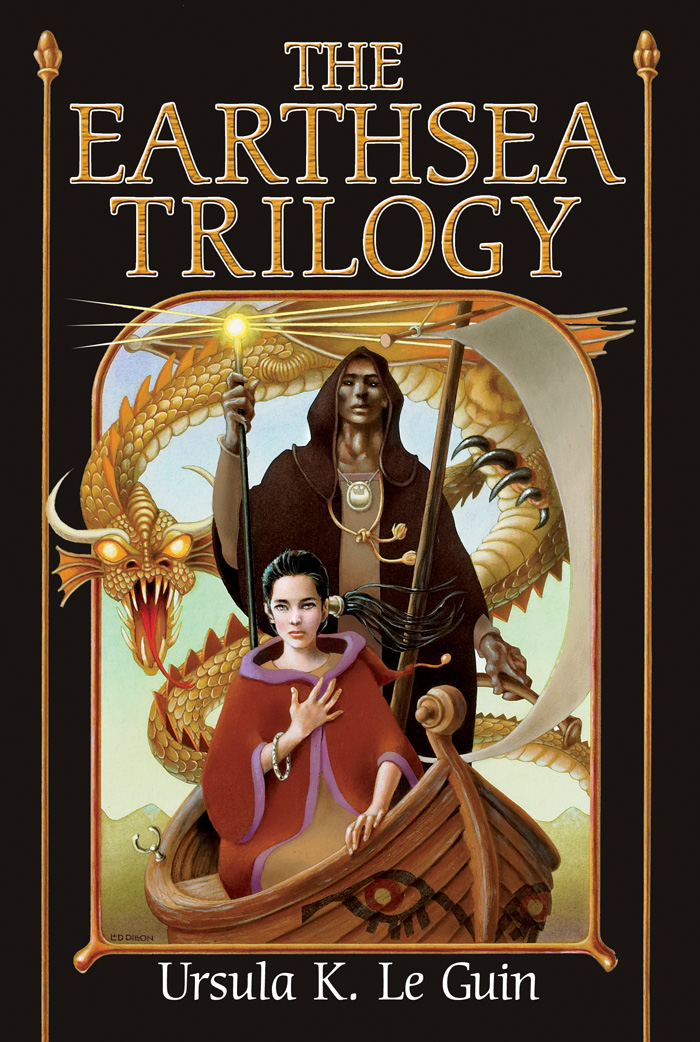
The soccer kid and I read Ursula Le Guin’s A Wizard of Earthsea together early on. He decided the story would have been much cooler if Ged had continued down the dark path of arrogance and folly.
 First, I want to point everyone
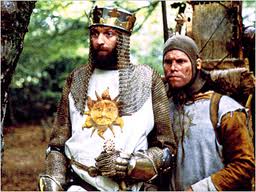 Just as an older generation recalls with perfect clarity where they were when they heard of Kennedy’s assassination, I know precisely where I first saw Monty Python and the Holy Grail (1975): perched on the floral-print sofa in my parent’s house, watching the film on a poor, weather-impacted PBS broadcast. I also remember falling right off that sub-par couch in paroxysms of laughter when the animator saved King Arthur’s band by conveniently suffering a heart attack.
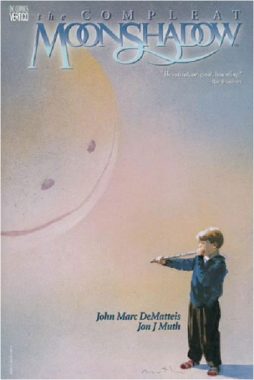 There was a time in the 1980s when it looked like Marvel and DC Comics might slowly evolve into something like mainstream book publishers: publishers who gave creators fair deals respecting copyright, and who lived off of the publication of new titles rather than the exploitation of intellectual property from decades previous. That hasn’t really happened, so far as I can see. Both companies dabbled in various kinds of creator ownership, but both appear mostly to have retreated to the relative safety of work-for-hire deals in recent years. Vertigo, a DC imprint featuring better deals for creators, seems to have become more strict in their contracts, and the