Can You Hear Me Up There?
 What’s the difference between a catfish and a lawyer? One’s an ugly, scum-sucking bottom feeder, and the other is a fish.
An old joke, but a good one. As a joke, it works because of the shock, the unexpected conclusion. As an insult, it works because of a little concept called hierarchy.
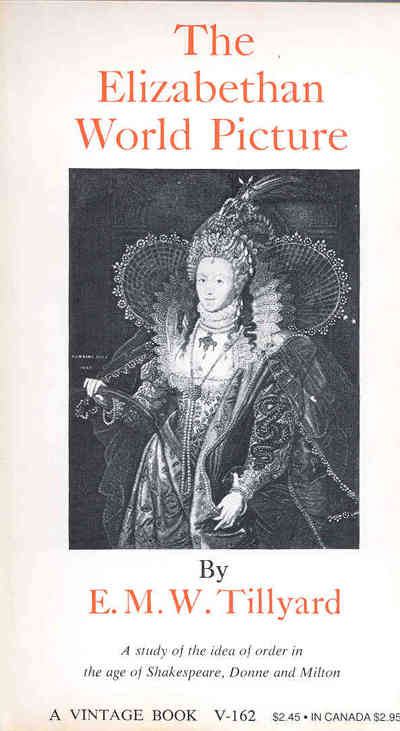
Anyone who’s ever studied Shakespeare has read a book called The Elizabethan World Picture. It’s a great book, and essentially describes how people thought about the world back in Shakespeare’s day. I’d highly recommend reading it for yourself, but if I can sum it up quickly for you, it goes like this: up = good, down = bad.
What does that mean? Think it through: everything that’s high in the sky, you know, where the gods live, is good, and the higher the better. So, heaven, the sun, light itself, and so on. Everything that’s lower down is bad, and the lower it is, the worse it is. So, dirt, darkness, etc. Everything, including people, has a place on this scale. There’s a reason it’s the white knight who charges to the rescue, and that Goths dress in black. (I dress in black myself, so no mail please). Even people who’ve never watched a western know what it means to be a white hat.
This hierarchy permeates everything we do and think, everything we write and create – at least here in the western world. And very often without our being aware of it.
Hierarchy is the reason the Greek gods live on Olympus (highest mountain in Greece) and it’s the reason that Zeus (god of sky, thunder, etc.) is the ruler of said gods, and not Poseidon or Hades. It’s why kings had a divine right to rule, (they’re on top of the human hierarchy), and it’s why cleanliness is next to godliness – that is, it’s how we know cleanliness is a good thing.


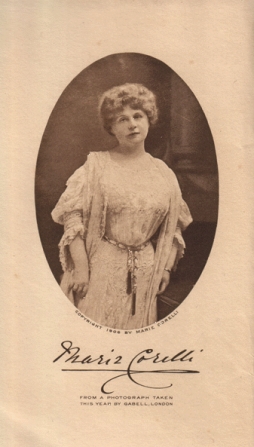 I don’t often write here about bad books. Partly that’s because I don’t usually care to give them publicity. Partly it’s because I don’t usually care to think further about an unrewarding reading experience. Mostly, though, it’s because to me a bad book is typically an uninteresting book. And what I really want to write about, when I write about a book, is what makes it interesting. Still, there are always exceptions. And of course it’s always worth challenging one’s ideas of what ‘bad’ means. So this time out I want to talk about some books by a writer who was, in her time, notorious for literary badness.
 It’s good to be back at my Wednesday spot here at Black Gate. Two weeks ago, I got home from my favorite annual convention,