Thank Politically Correct Parents for Sword and Sorcery!
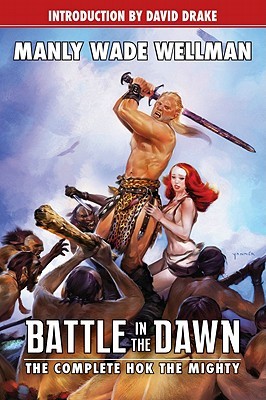
The odd thing about Sword and Sorcery is that it will not die despite the various attempts to kill it.
Sloppy overproduction ruined its reputation, its focus on violence and pre-modern-style patriarchal societies made it politically unfashionable, role players made it nerdy, then Terry Pratchett slashed and burned through its tropes, and still it survived!
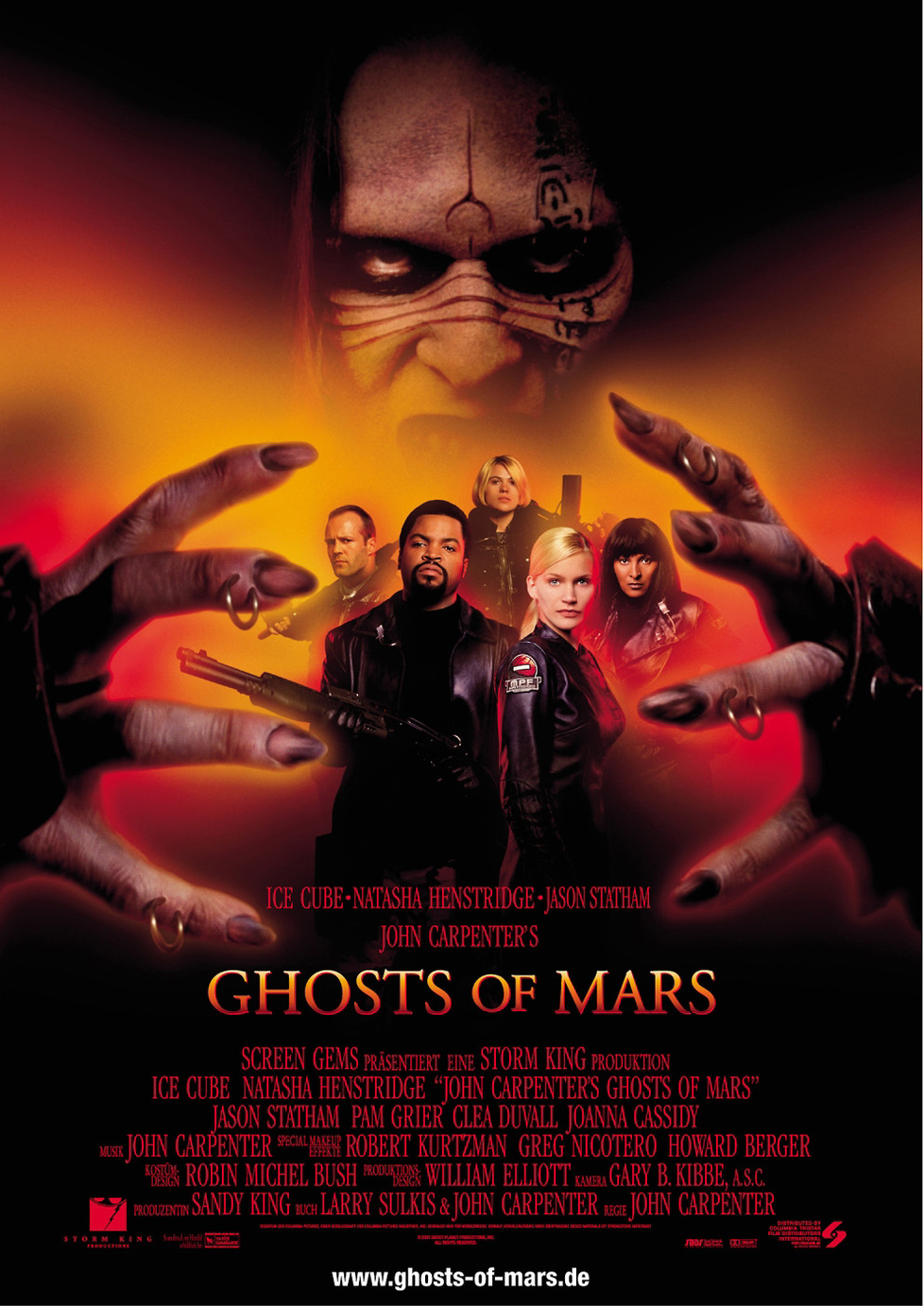
Like a thief, Sword and Sorcery springs nimbly between media: “Literature has become hostile? Fine, now I’m a comic! Intellectuals look down on me? No problem, I’m a movie.”
Like a mercenary captain, it furnishes characters to other genres: “Fashion favors Fantasy fiction? OK, but take a look at some of the supporting characters…”
Like a rogue, it’s a master of disguise: “Sword and Sorcery? Never heard of it mate! I’m Heroic Fantasy!”
It’s true that Sword and Sorcery is a most flexible genre. With no need to nod at extrapolation, and the capacity to invent bespoke cosmologies, it can reflect changing times and social mores, while still delivering a dose of physical adventure and sense of wonder. It’s also true that the genre has inherent literary advantages: magic and religion can support interesting themes, and close-quarters combat gives us the secondhand experience of people putting their bodies where their personal politics are.
However, there’s another factor that I think is easily overlooked. To understand it, you have to come Christmas toy shopping with me.