The Series Series: The Shadow’s Heir by K.J. Taylor
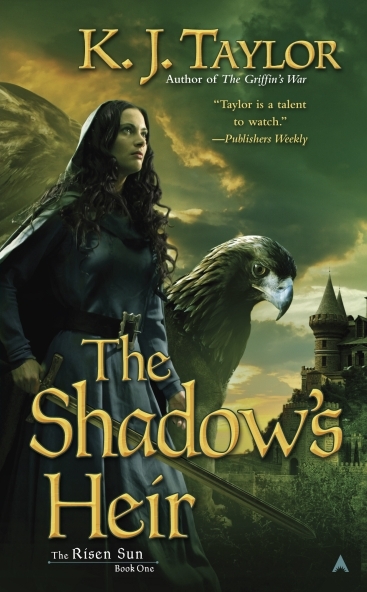 This book is not the first volume in a new series, no matter what its cover says. It’s marketed as the first volume in a new trilogy, The Risen Sun, that happens to be in the same setting as The Fallen Moon, but with every page I read, I felt the lack of resonances that the author clearly intended and expected for readers who had already read her first three books.
The Shadow’s Heir was good enough that I may someday backtrack to Taylor’s debut, The Dark Griffin. Of course, since this is really the fourth volume in the series, it has enough spoilers about the first three volumes that I’ll need to wait years for my memory of this book to fade. The review quotes about those earlier volumes promise “twisty plots,” and they won’t be twisty for me until I forget nearly everything I just read.
If the book were bad, I’d just shrug and move on. As it is, I’m annoyed on the author’s behalf at the marketing folks at Ace. (This is, of course, an injudicious thing to admit, because I would give my eyeteeth to sell my trunk manuscript to Ace. Not that they’d want my eyeteeth. Imagine the slushpile horror story!) I would love to understand the marketing decision better, because it seems to me that telling people The Shadow’s Heir is a good entry point to Taylor’s fictional world might sell copies in the short run, but would surely turn readers off in the long run.
This book holds the payoff for several plotlines I could have been deeply invested in, had I read them from the beginning. Instead, I was keenly aware at every payoff point of how hollow the big scenes felt to me in comparison to structurally similar scenes in other series.
How on earth am I going to talk in any detail about the virtues and peculiarities of The Shadow’s Heir while avoiding spoilers about three previous volumes I haven’t read? Well, here goes.

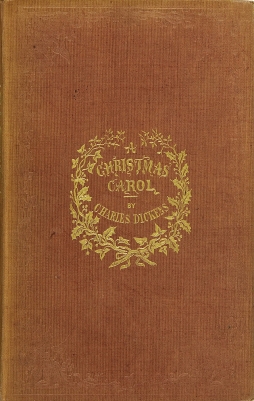 It’s one of the most famous stories in the English-speaking world, and it is a fantasy. A Gothic fantasy of Christmas, and the meaning thereof: the story of the miser and the three spirits. It’s been retold any number of times, parodied, set in America, updated to the modern day, acted out with mice and ducks, with frogs and pigs. It’s easy to overlook how powerful the original work really is.