The Series Series: Tales from Rugosa Coven by, Um, Me
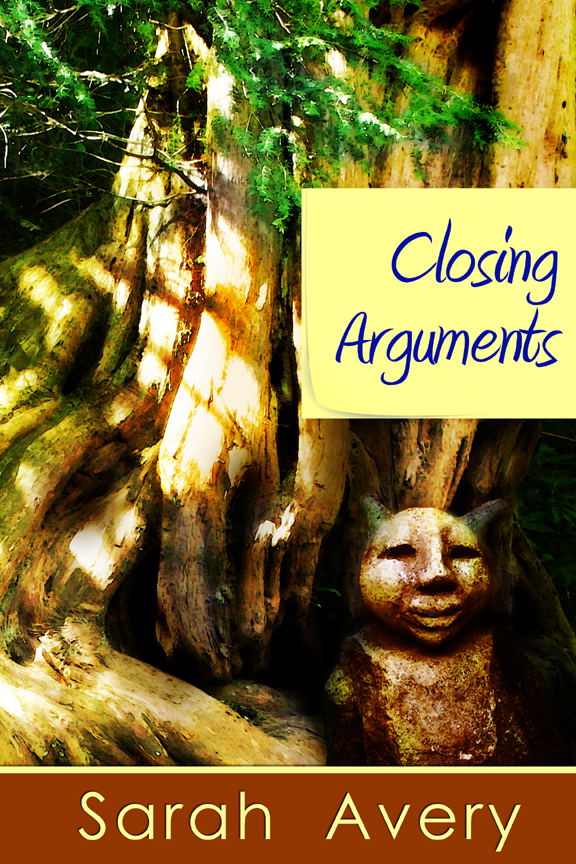
A tight deadline for turning around my galley proofs meant I had to choose: either skip my regular blogging gig here, or blog about the only book I’ve had time to look at for the past two weeks: my own. I can’t very well review a book I wrote–not just because of the temptation to brag about it, but also because the nitpicky galley proof process is forcing me to second-guess every word of it, at a point in the production process in which only a few of those words can be changed. Should you buy my book? If anyone had asked me last night while I was doing battle for the last time with a paragraph that has been driving me crazy for the past seven years, I honestly don’t know what I’d have said. John O’Neill assures me that Black Gate‘s readers will be interested in my own experience writing a fantasy series and preparing it for publication, so here goes.
Once upon a time, there was a call for short story submissions from a horror magazine. The editors were looking for very short works of psychological horror on the theme of “the life interrupted.” I tend to write long, and I’d never written horror before (and since the story that came to me grew up to be a comedy, I still haven’t), so I thought I’d challenge myself by trying to write something for the call. I wanted to start with a character whose life, pre-interruption, was already unusual. My protagonist arrived in my head by way of this personal ad on the fictitious dating website PaganSingles.com:
Divorced Wiccan female, 32, seeks realistic rebound guy. Petite and trim brunette. Enjoys the ocean, 19th century novels, long Sunday mornings with the New York Times. Atlantis cranks need not apply.
What would be the most horrifying interruption possible in the life of a skeptical post-modern Neo-Pagan who prides herself on not being a New Ager? Discovering that the New Agers were right about something, anything, and why not Atlantis?