Fantasy TV Weekly Update – Nov. 7
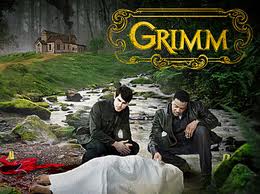 Another week, another set of new television goodness from the non-cable networks. Seriously, after a year where there’s been very little mainstream science fiction and fantasy on television, it’s nice to see it coming back in such full force. I’m still divided on which of the new shows I most like (though I still probably lean, just a touch, toward Once Upon a Time), though, and both seem to have some potential.
Now on to the show recaps…
Grimm – “Bears Will Be Bears,” Nov. 4 – A breaking and entering goes bad, resulting in one of the intruders becoming a missing person. This bizarre case brings Nick face to face with an ancient race performing a violent rite of passage. (If you can’t guess the fairy tale being invoked from the episode title, you need to turn off your television and read a book of fairy tales. I mean now. Here’s a free one.) Meanwhile, the bludbad Eddie is enlisted to help Nick protect his aunt, but he goes beyond mere comic relief when he lets his inner wolf out on too long a leash.
The best thing about this show, in my opinion, is Eddie, and I’m glad to see that they made such good use of him so quickly out of the gate. I could care less about Nick, to be honest, but that isn’t necessarily a show killer. After all, I was a huge fan of Buffy: The Vampire Slayer, but the main thing that made 7 years of Buffy’s angst enjoyable was the quality supporting cast: Xander, Giles, Willow, and Oz. Still, Grimm is nowhere near Whedon-esque proportions yet, so I recommend they make Nick a bit more engaging. You can watch the episode online on the official NBC show page or over at Hulu.com.
 Sometimes a film comes along which redefines a genre. It brings a new, vibrant life to traditional storytelling structures. It makes you look forward to the new tales that will be inspired by it.
 The Empty House and Other Ghost Stories (1906)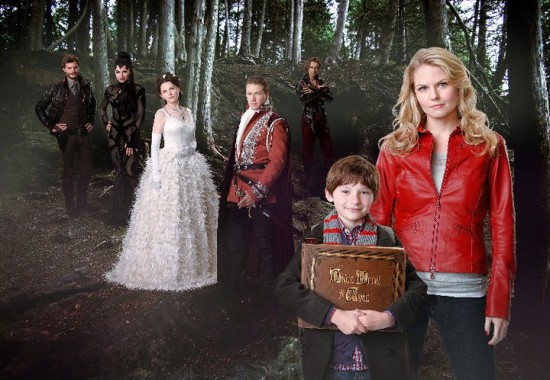
 Swords from the Sea
 The Thing from Another World (1951)