Fantasia 2021, Part XIV: We’re All Going To The World’s Fair
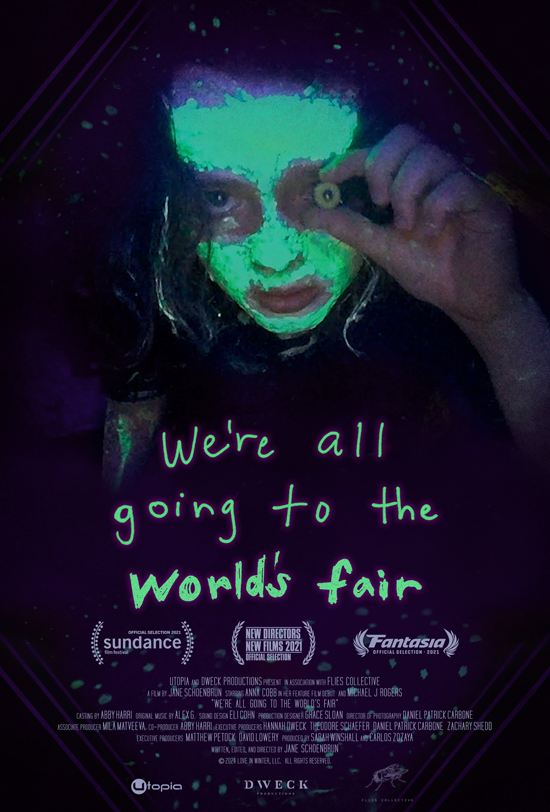 My last film of the fourth day of the 2021 Fantasia Film Festival was We’re All Going To The World’s Fair, written and directed by Jane Schoenbrun. It’s not technically a genre story, unless you give it a highly determined reading, but it is a story about genre. It’s also a coming-of-age story, a story about a girl trying to find herself and work out her own story from the inspiration of genre tales she loves — even if dangers may come with it.
The movie begins with a long take introducing us to Casey (Anna Cobb), a young teen girl sitting before her webcam. She enacts a simple ritual that begins a — game? spell? We’re not sure at first what to make of what she’s doing; then she tells us of the World’s Fair Challenge, where people perform the ritual we’ve seen and, over time, change mentally. And they upload videos as they do, documenting their progression as they change from what they were into something else entirely. We see some of these videos interspersed among Casey’s own recordings, which she puts up on the web documenting her changes, and her hopes, and her reflections. And then we see an older man, JLB (Michael J Rogers), reach out to her claiming to have secret knowledge about the World’s Fair Challenge, and we doubt his good intentions, and we start to worry even more about Casey and where this challenge will take her.
For a large part of the movie we’re not really sure what’s happening. Almost everything we see is mediated one way or another, something recorded by someone for their own reasons — Casey’s video diaries, or JLB’s weird distorted messages, or other World’s Fair videos. What do we take as reality? Is Casey, who talked about how neat it would be to live in a horror story, going mad? Is there a supernatural force involved? Is she telling a story?
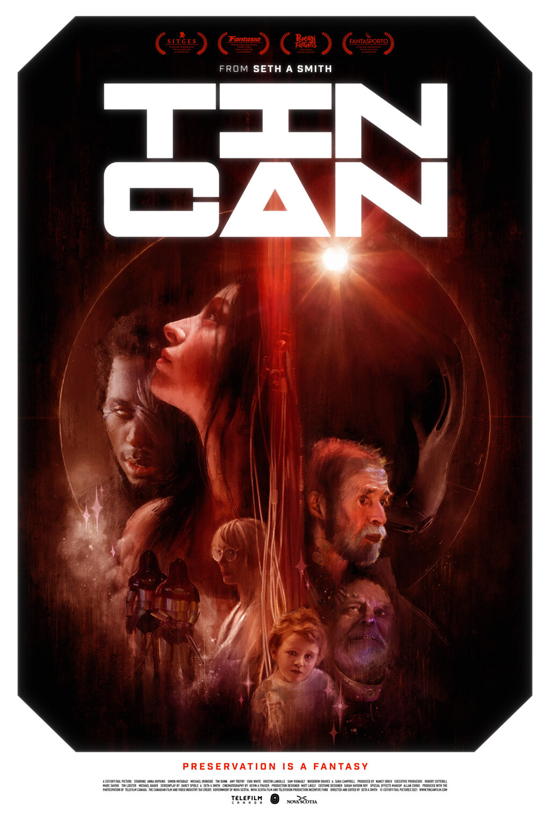
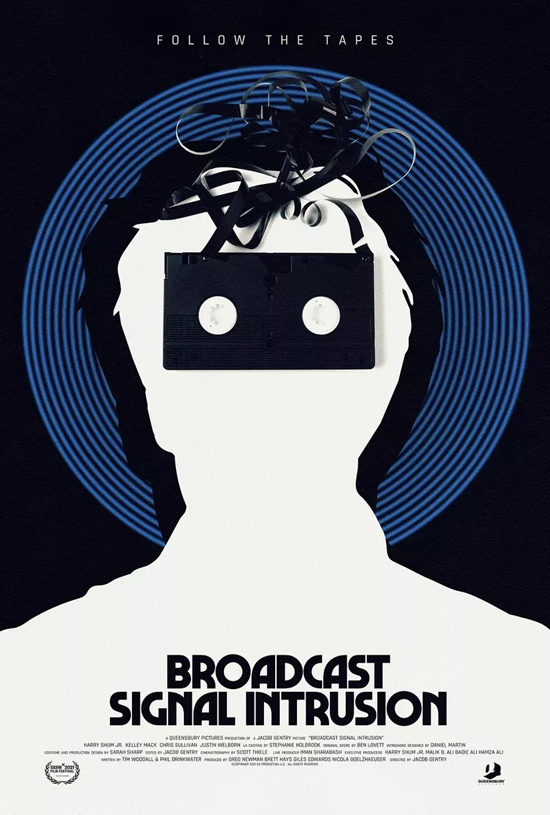
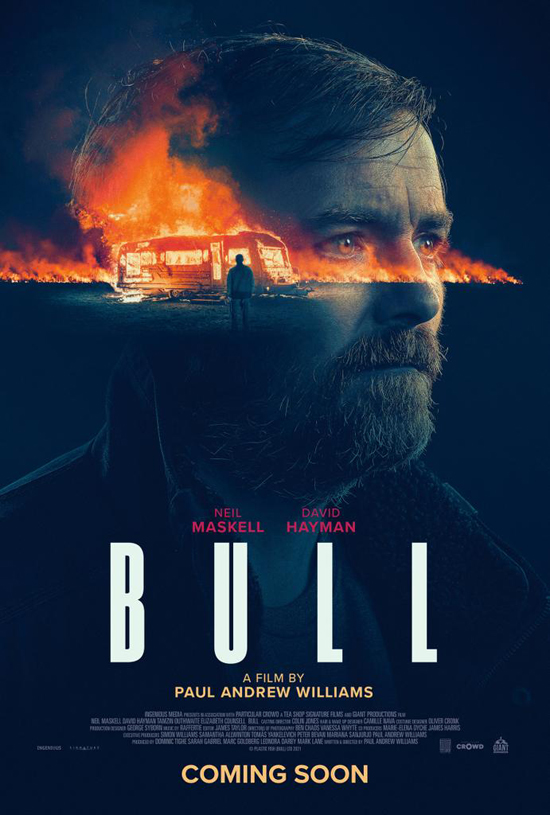
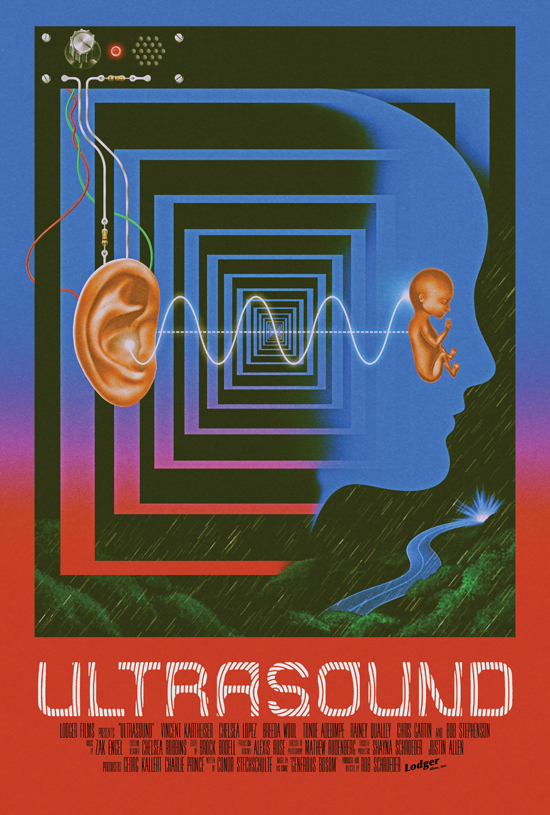 I started the second day of Fantasia with another feature and short film bundled together. The 14-minute short was the Catalan-language “Solution For Sadness” (“Solució per a la tristesa”), a collaboration between the husband-and wife-team of co-directors Marc Martínez Jordán (also the writer) and Tuixén Benet (also the star). Benet plays a woman who lives alone and battles intense depression; one day a box arrives that promises a cure in the form of a gorilla mask. But is it really a solution, or is it a cruel trick? The short has a lot to say about masks and what people are prepared to see, and the narration makes the storytelling work — it moves quickly, and there’s a dry yet heartfelt tone that’s quite affecting. The conclusion’s surprisingly empathic, and I found an ending that might have felt simple instead stuck with me after the film ended.
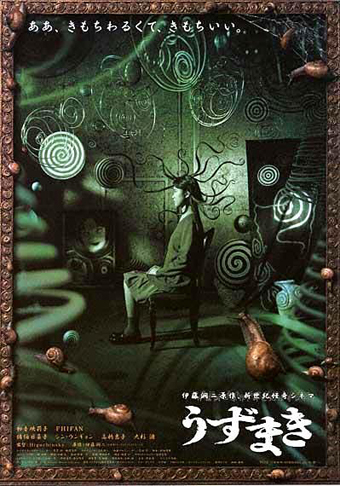 Most of the films at Fantasia 2021 were new, but some were time-honoured works given a screening either because of a new restoration or because they played the festival in the past and were brought back to celebrate Fantasia’s 25th anniversary. Uzumaki (うずまき, literally “Spiral”), from the year 2000, is a case of both — it has a new 4K restoration, and it played Fantasia in 2000. The film’s an adaptation of the manga by Junji Ito, though since it was made while the manga was still ongoing it’s an adaptation that had to find its own answers for some of the questions the text hadn’t resolved at the time of production. Directed by Higuchinsky, AKA Akihiro Higuchi, with a screenplay by Takao Niita, the movie came two years after Ringu (the original version of The Ring) and the same year as the first straight-to-video Ju-On film. It’s one of the early examples of J-horror, then, but sub-genre aside it’s something interesting to consider in its own right.