Browsed by
Category: Movies and TV

Representations of the Amazon in Poul Anderson’s Virgin Planet and in DC’s Wonder Woman
Representations of the Amazon in Poul Anderson’s Virgin Planet and in DC’s Wonder Woman

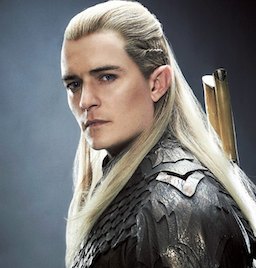
Legolas_portrait_-_EmpireMagBut first, I’d like to ask readers a very important question:

Do Tolkien’s Elves have pointy ears?

This came up after my last post, in which I wondered why Anderson and Tolkien (and many other fantasy writers) agree that elves are tall and have pointy ears. After reading this, Frederic S. Durbin contacted me to say,

Does Tolkien ever say that the elves have pointed ears? To my knowledge, he never does. Please correct me if I’m wrong! This is a bone I had to pick a few years back, when some writer somewhere described hobbits as having “hairy toes and pointed ears.” I think this misconception about Tolkien’s elves and hobbits has come from artwork. Artists need to have a way of making magical races look different from humans, so they go for the ears. We need Spock to look different from humans in a cheap and easily-reproducible way from day to day in the studio, so we give him pointed ears. People have been seeing illustrations of pointy-eared elves and hobbits for so long that they’ve begun to believe Tolkien described them that way. I don’t think it’s true. (Again, I’m willing to stand corrected if someone shows me a passage!)

So there you have it, folks! Please help! Is there a passage anywhere in Tolkien’s writings that suggest that Elves (or even Hobbits) have pointy ears?

And now let’s turn our attention to Poul Anderson’s Virgin Planet.
Read More Read More

Adventures In History: George MacDonald Fraser’s Flashman

Adventures In History: George MacDonald Fraser’s Flashman

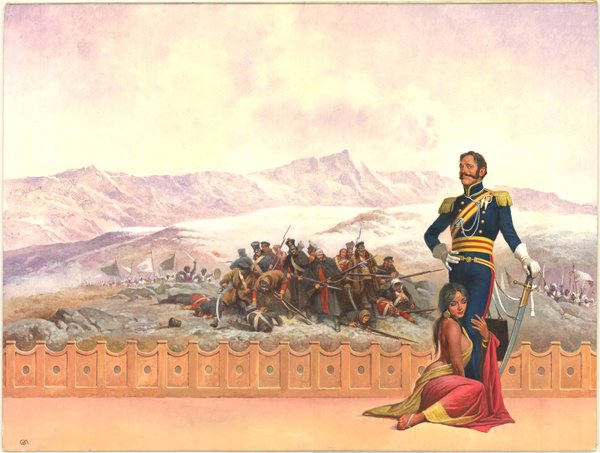
First FlashmanA few months back, I was (ever so gently) castigated for not giving proper credit to the screenwriter of the Michael York / Oliver Reed rendition of The Three Musketeers. That man was George MacDonald Fraser, he who wrote the Flashman books, a series into which I had never delved.

That has now been corrected, and just in time, too: no lesser a light than Ridley Scott (Alien; Blade Runner) is developing a reboot of Flashman with 20th Century Fox. As the fool on the hill once opined, everything old is new.

So let’s set aside fantasy for just a moment and allow for historical action-adventure as a sideline of the vast cultural behemoth that is now Black Gate. Swords, after all, form a big part of heroic fantasy, and in Flashman (first published in 1969, never out of print), swords of many types are on display and put to use. Lances, too. Plus primitive rifles, dueling pistols, and cannons.

The only thing missing? The heroism of our anti-hero, Harry Paget Flashman. He’s a survivor, and an accurate judge of other people’s character and abilities, but beyond that, he’s the very definition of reprehensible. He’s a cad, a coward, and an unrepentant racist; he’s treacherous, larcenous, and vindictive besides. Let’s leave off his appalling treatment of women, at least for now, and accept him for what he’s best at: looking sharp in military regalia. Ah, if only looks could kill…

Read More Read More

Goth Chick News – Don’t Open: Dead Inside, Walker Stalker Con Drags into Chicago

Goth Chick News – Don’t Open: Dead Inside, Walker Stalker Con Drags into Chicago

Walker Stalker Con ChicagoZombies continue their relentless, feet-shuffling domination of all things pop culture – proof (we continue to hope) that sparkly, angsty, Seattle vampires with sappy theme songs are staked for good.

One of many indications that our infectious love of the undead shows no signs of a cure is the proliferation of Walker Stalker Con, a convention spawned by and primarily dedicated to, AMC’s hit TV show The Walking Dead.

What started in Atlanta, GA (near where the show films) as a small fan convention organized by fanboy pod-casters James Frazier and Eric Nordhoff, then spread to Chicago in 2014 and has now grown to a seven-city tour.

Walker Stalker Con is more than a standard fan convention. In the two Chicago events we have attended, Frazier and Nordhoff have managed to secure a sizable chunk of the cumulative cast of the show’s five seasons and space for “the talent” accounts for more than half of the convention floor.

In addition, the organizers strive to ensure all guests “come away feeling like they’ve had an amazing experience and became part of a greater community of zombie lovers!”

Is this great or what?

Read More Read More

Capitalism Ascending

Capitalism Ascending

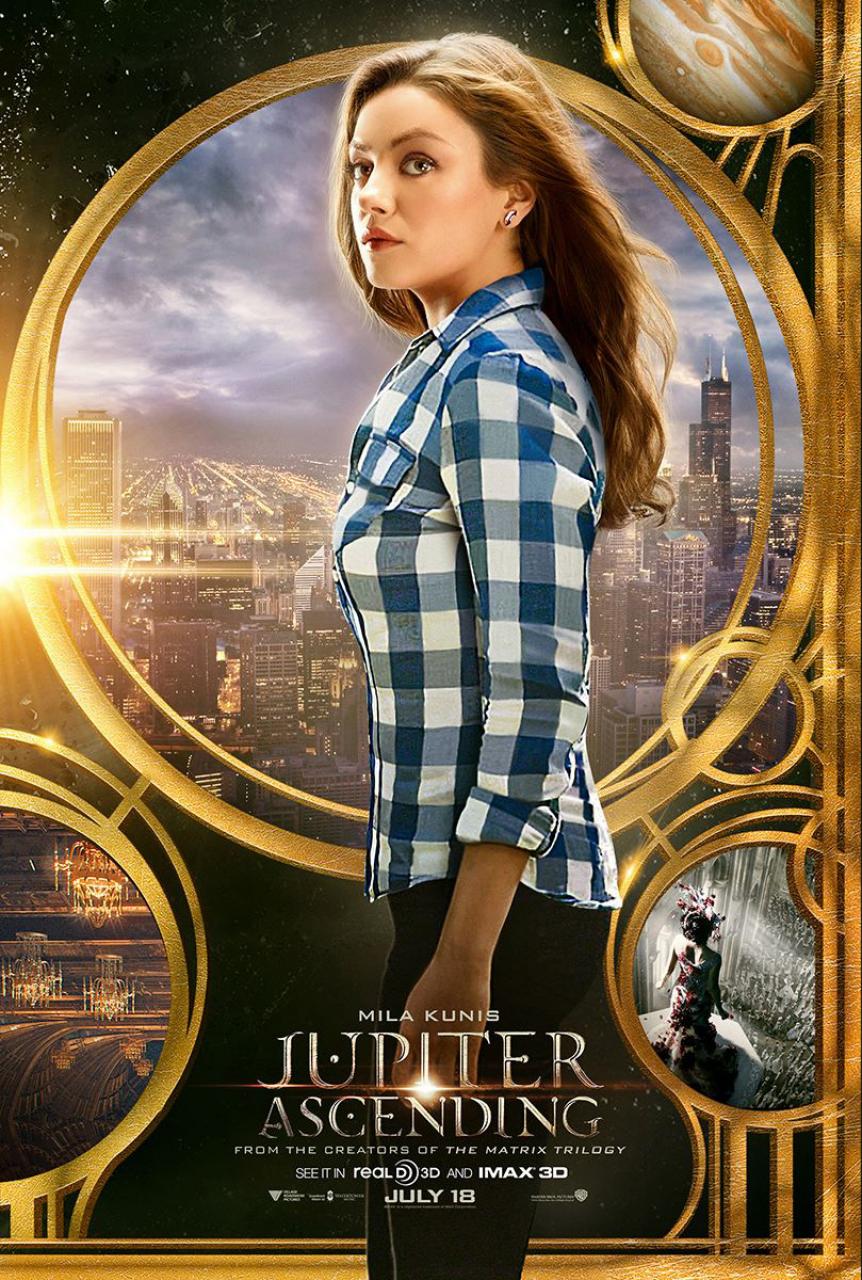
Jupiter-Ascending-Mila-KunisJupiter Ascending has gotten a great deal of attention since its release. Generally not the kind of attention most movies want, especially when they come with a price tag that eclipses the annual budgets of some nations. It has been eviscerated by critics while quickly gaining cult status and a loyal fandom. In short, everyone has an opinion on this one. And far be it from me to stay out of an argument.

I’m not going to try and convince you of the quality of Jupiter Ascending. It is indisputably gorgeous. It is also indisputably plagued with plot holes that wouldn’t make it past a Creative Writing 101 professor. It’s a love note to The Fifth Element, Flash Gordon, and Barbarella while presenting women viewers (the film’s most ardent fans at this point) with something we don’t usually get: wish fulfillment aimed at us. But in the midst of this beautiful mess is a subversive meaning that goes deeper than most critics realize. Some commentary describes the movie as having an “anti-corporate” message, and while I think that’s accurate it’s also an understatement.

Jupiter Ascending doesn’t have an anti-corporate subtext. The entire piece is a manifesto against modern corporate capitalism. That message is such an integral part of the movie that it is often the very thing that undermines the story. Let’s face it: there are two critical storytelling rules that are commonly broken by very successful artists. The first is Never Outgrow Your Editor (George, JK, I’m looking at you.) The second is Never Let the Metaphor Run the Movie. All sci-fi, and really all fiction, has meaning beyond the bare story on the page. But when the message becomes the story, things go awry. In this case, that means plot holes have been left intact to preserve the metaphor to the detriment of the overall product.

(And here comes the obligatory warning: here there be spoilers.)

Read More Read More

Leah Schnelbach Ranks the Fantasy Films of the 1980s

Leah Schnelbach Ranks the Fantasy Films of the 1980s

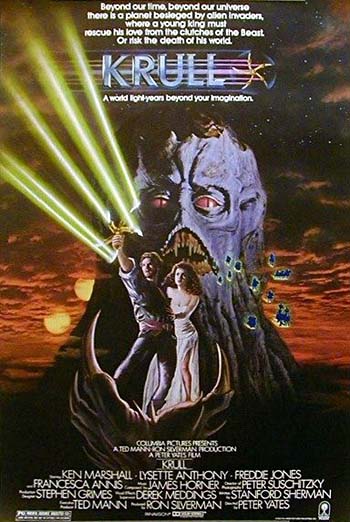
Krull poster-smallOver at Tor.com, Leah Schnelbach is having entirely too much fun ranking the major fantasy films of the 1980s. Here she is on Krull, which she ranks an abysmal 17 (out of 18):

What this movie’s actually about is the Glaive, but it only gets like ten minutes of screentime. This film was developed as a starring vehicle for the Glaive, the five-bladed boomerang-like weapon wielded by the hero. Unfortunately, the Glaive’s career never really took off: After one too many brawls at the Viper Room, and one two many sunrises spent waking up on the lawns of strangers, the weapon checked itself into a much-needed stint at Hazelden. Deciding that the Hollywood lifestyle just wasn’t enough to fill the void in its soul, the Glaive finally retired to Oregon, where it raises alpacas, and is said to be very happy.

I’m pretty sure her article is a lot more fun than watching Krull all over again.

If there was a decade of fantasy film tailor-made for impassioned fan debate, it’s the 80s. It’s ten years of classics, and stinkers, and classic stinkers, like The Beastmaster, Dragonslayer, Highlander, and many more. Schnelbach is hilarious, and even Excalibur doesn’t escape her snarky commentary (“Have you heard of an actor from Ireland or England? Yeah, he’s in this movie.”)

The article isn’t perfect (um, where’s the timeless S&S classic The Sword & the Sorcerer?) But she does give real movie fans the true gift of being dead wrong on several occasions (Master of the Universe is better than HighlanderWillow and Clash of the Titans both rank above Excalibur??), and we all know movie fans cherish nothing as much as a good debate.

Read the complete article at Tor.com, and leave your impassioned defense of Labyrinth or the original version of Conan the Barbarian in the comments.

Leonard Nimoy Saved My Life

Leonard Nimoy Saved My Life

Spock-smallI was born in 1960, so the original Star Trek was a first-run series for me. The show and its characters were constant presences during my childhood and adolescent years, first during its original broadcast on NBC from 1966 to 1969, and then in endless syndicated reruns in the years after, all the way up to the advent of the home video age, when I of course bought the series as soon as it became available.

Star Trek, even at its best (the first two years, before the disastrous third and final season, when changes in production personnel made every week a turkey shoot) was a very uneven show. Just doing an evaluative run down of the season two episode list makes it clear how different the show was from standard network fare, and how difficult it was to write well for: excellent episode, decent, excellent, one of the best, stinker, excellent, terrible, so-so, so-so, excellent, stinker, stinker… and so on.

These evaluations are naturally highly personal and different fans will have their own judgments, but I think most people who love the series will have to admit that the truncated “five-year mission” had a lot of flat tires along the way. (Stranded one hundred light-years from the nearest filling station — that’s trouble. No, wait a minute — that’s Voyager.)

Arguably this doesn’t reflect the challenges of an offbeat show like Star Trek so much as it does the grind of network television in those days, the relentless production pressures that turned the medium into what Stephen King has called “the bottomless pit of shit.” (In looking back at the Twilight Zone, Rod Serling reckoned that a third of the episodes were pretty good, a third were only fair, and a third were just terrible… and he figured that all things considered, that was a decent ratio, or at least about the best you could hope for given the limitations of a commercial medium.)

Read More Read More

Leonard Nimoy, March 26, 1931 — February 27, 2015

Leonard Nimoy, March 26, 1931 — February 27, 2015

Leonard Nimoy Dead-smallLeonard Nimoy, the gifted actor who breathed life into the emotionless Vulcan Spock — and in the process created one of the most famous and enduring TV characters of all time — died today in Bel Air, California.

Nimoy was born in Boston in 1931. His first major role was at the age of 21, when he was cast in the title role of the film Kid Monk Baroni (1952), followed by more than 50 small parts in TV shows and B movies, including an Army sergeant in Them! (1954) and a professor in The Brain Eaters (1958). He was a familiar face in westerns throughout the early sixties, appearing in Bonanza (1960), The Rebel (1960), Two Faces West (1961), Rawhide (1961), Gunsmoke (1962), and on NBC’s Wagon Train four times. He starred alongside DeForest Kelley (the future Dr. McKoy) in The Virginian (1963), and with William Shatner in an episode of The Man from U.N.C.L.E (1964).

Nimoy was the only actor to appear in every episode of the original Star Trek series, which ran from 1966-69. He received three Emmy Award nominations for playing Spock, and TV Guide named him one of the 50 greatest TV characters in 2009. The role both haunted him and enriched for the rest of his life — which he famously addressed in two autobiographies, I Am Not Spock (1975) and I Am Spock (1995). After Star Trek ended Nimoy found regular work on the small screen in Mission: Impossible for two seasons, the TV documentary In Search of… , and more recently in Fringe. He also appeared in eight feature-length Star Trek films, including the recent reboots directed by J.J. Abrams. He directed two, Star Trek III: Search for Spock and Star Trek IV: The Voyage Home.

Star Trek was one of the first science fiction shows to be taken seriously as adult entertainment, and Leonard Nimoy was a huge part of that success. In his near-perfect portrayal of a hero in flawless control of his emotions, Nimoy connected with his audience — and an entire generation of young SF fans — in a way that very few actors, living or dead, have succeeded in doing. Leonard Nimoy died today of chronic obstructive pulmonary disease, at the age of 83.

Belated Movie Review #2: Apocalypto

Belated Movie Review #2: Apocalypto

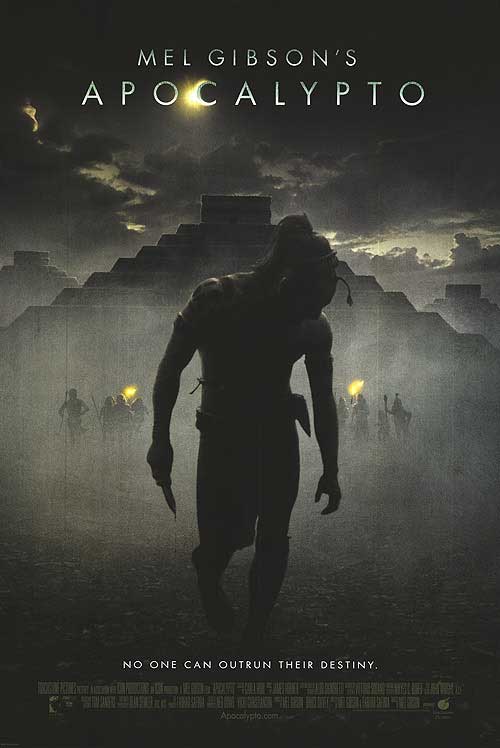
Apocalypto-smallI recall that 10,000 BC (Belated Movie Review #1) and Apocalypto came out at roughly the same time. My recall is wrong! Apocaltypto is from ’06 — a full two years earlier than 10KBC!

Still, it was a stone-age adventure movie and has been on my list to see for almost a decade, so I finally did. Like 10KBC, I’m going to RECOMMEND it. Conditionally, as you’ll see below.

A lot of work went into this — cast of thousands! Build an entire Mayan city/prop in the jungle! Translate “I wanna dip my balls in it!” into Mayan! What it is NOT, outside of the first 15 minutes, is particularly fun or pleasant or uplifting. Leaves you kind of feeling like you just watched Leaving Las Vegas, only with more ripping out of still-beating hearts.

The plot is very similar to 10KBC. A group of hunter gatherers in forest are going about their lives, hunting, gathering. A group of slavers from the nearby city-state sweep into the village in a pre-dawn raid. Grizzly fighting ensues, with the hunter gatherers on the losing side.

Things get much grimmer as the slaves are marched off to the city, through the city, and right up to the pyramid in the middle. Still-beating hearts and decapitations and Jaguar Paw (the main character, although it takes a while to figure this out) is next on the block (literally) when an eclipse starts up.

Read More Read More

Will Steven Spielberg Cast Chris Pratt in the Indiana Jones Reboot?

Will Steven Spielberg Cast Chris Pratt in the Indiana Jones Reboot?

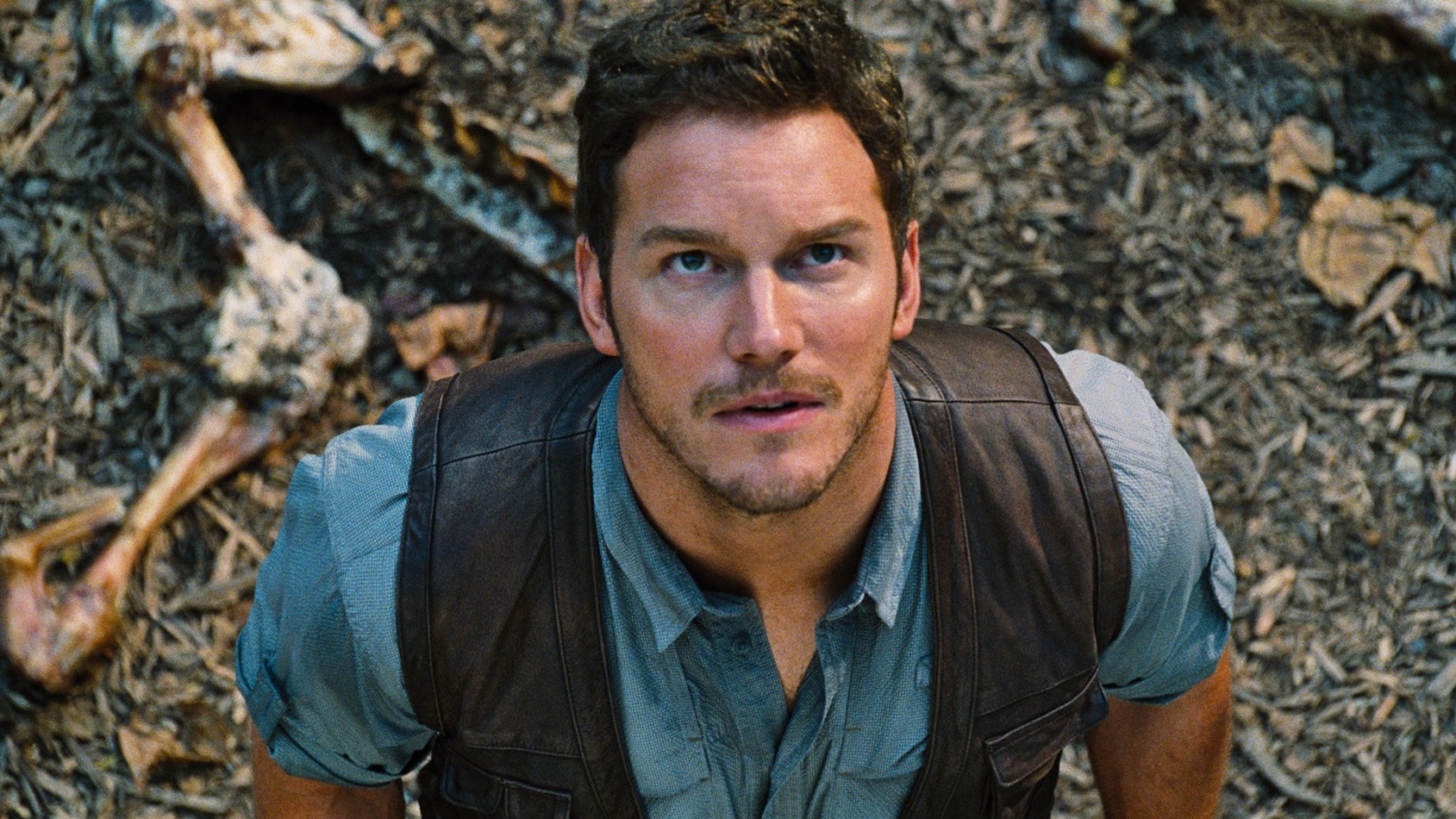
Chris Pratt-smallThe internet is abuzz with rumors that director Steven Spielberg is considering Guardians of the Galaxy star Chris Pratt as his next Indiana Jones.

Deadline broke the news last month that Spielberg was interested in Pratt for the Indiana Jones reboot currently in development at Disney; yesterday Deadline expanded on the story, and it was quickly picked up by Forbes, People, io9, and other media sites.

Officially, there is no comment from the famed director, other than to confirm that there is still no script and the project is still in a very early stage. Based on Pratt’s recent popularity — and that fact that he was reportedly Spielberg’s first choice for the hunter role in Jurassic World, the newest installment in the Jurassic Park franchise from Universal coming in June — he seems a logical enough choice, however.

In addition to Jurassic World, Pratt is also scheduled to appear in the upcoming Image comic adaption Cowboy, Ninja, Viking from Universal. He’s also reportedly in talks to join Denzel Washington in a remake of The Magnificent Seven from MGM.

I wasn’t even aware there was a planned reboot of Indiana Jones (or a The Magnificent Seven remake, while we’re on the topic.) After having seen what Pratt accomplished in The Lego Movie and Guardians though, I’m on board. I think he’d make an excellent choice — particularly if Spielberg directs.

Writers as Barbarian Conquerors!

Writers as Barbarian Conquerors!

This is possibly the most brilliant way to think about writing ever. I can’t believe I’m just thinking about it now, and certainly won’t have to beat the metaphor into shape. Well, maybe a bit. But, who the heck cares. You can now view your writing as a freaking barbarian invasion! Like I said: brilliant.

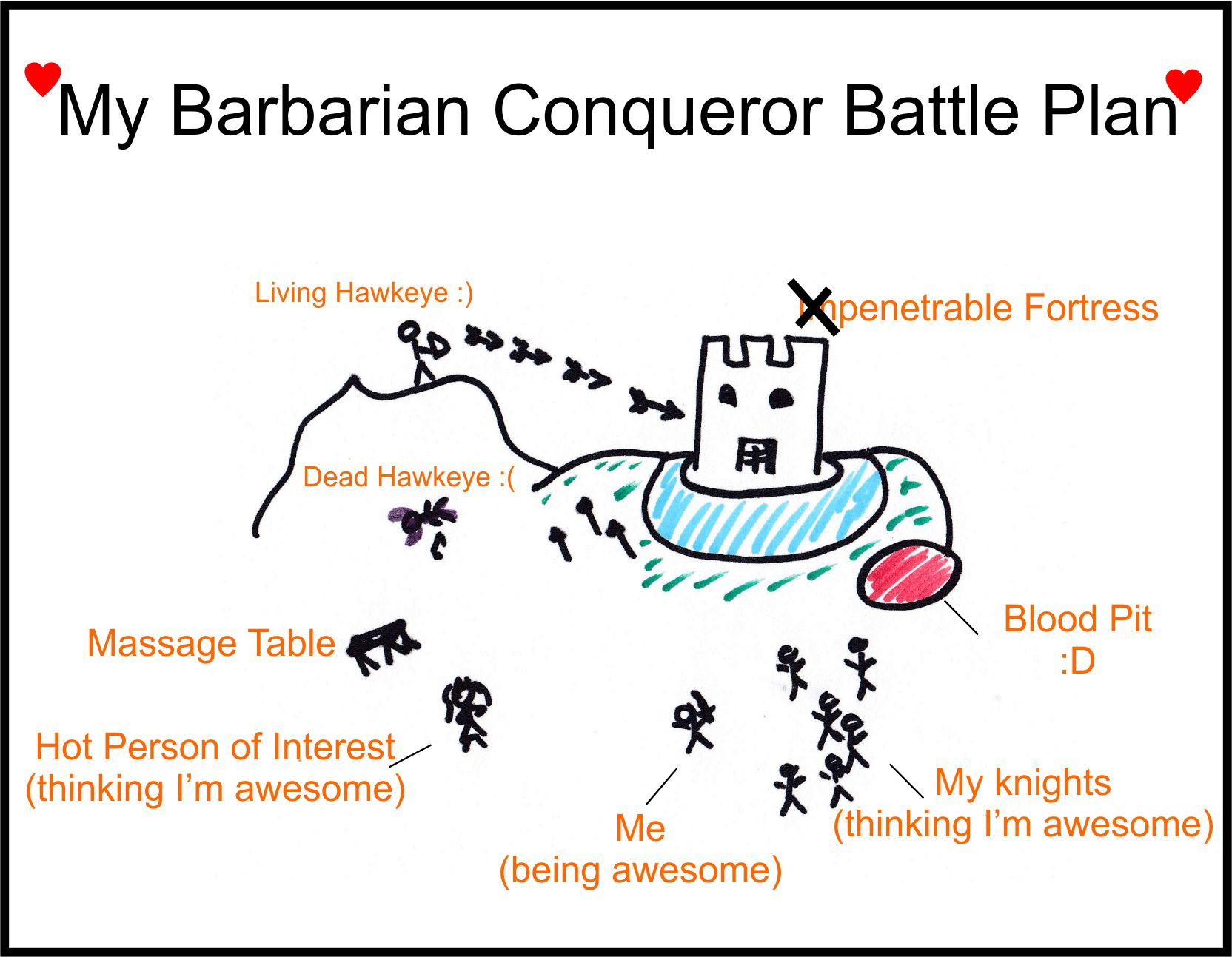
BattlePlan_small
Barbarians don’t post plans on the Internet, so I interviewed one and drew this. You’re welcome.

PLANNING THE BATTLE

Like any good invading army, you must first plan which of your troops are going where. It’s known as “plotting” in the writing world. It doesn’t need to be super detailed, but you should know the attack plan of your knights (aka hero) and archers (aka secondary characters. Sorry, Hawkeye). Plus, you should know a bit about your enemy’s defenses (aka villain).

Build up enthusiasm in your barbarian army with awesome speeches (aka writing down cool scenes).

FIRST WAVE OF ATTACK!

This is where you plunge in and WRITE! KILL! DESTROY! Your armies are in place. Your knights are totally rocking it! Your archers are shooting those little wooden arrows like they can’t run out AND THEY DON’T BECAUSE IT’S YOUR BOOK!

Read More Read More