Fantasia 2016, Day 8: Animated Critiques (Psychonauts, the Forgotten Children and Harmony)
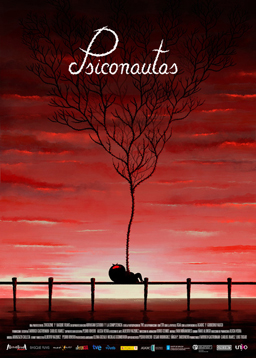 There was one movie scheduled at Fantasia on Thursday, July 21 that I was determined to see: a science-fiction anime called Harmony (Hamoni). Since I had time free beforehand, I decided I’d first head to the festival’s screening room to watch something I’d missed or would be unable to see later. There, I looked over the selection available and settled on Psychonauts, the Forgotten Children (Psiconautas, los niños olvidados), an animated film from Spain. I liked the idea of a double feature of two very different cartoons.
Psychonauts is an engagingly complex movie that takes place on an unknown island, in the ruins of an industrial-age civilisation: many children go to schools, there’s a police force and a sort-of-functioning economy, but also any number of scavengers living in vast tracts of trash shaped by hills of garbage. This story isn’t to be understood as science-fiction, though, since on this island there are also monsters, separable souls, and demonic shadows. Birdboy, a mute child with the power of flight (more or less), seems to know some of the secrets of this strange place. A girl, Dinky, knew Birdboy once and still loves him. She hopes to leave the island, but won’t go without Birdboy — even though the authorities are out to get him, blaming him for selling drugs to children. The movie follows both Birdboy and Dinky as they go about their separate ways, encountering the strange societies of the island and exploring its mysteries.
Psychonauts is technically the sequel to an earlier short film, “Birdboy,” which I have not seen (and does not seem necessary to understanding Psychonauts). Both movies were co-written and co-directed by Alberto Vazquez and Pedro Rivero, based on a graphic novel by Vazquez. Psychonauts has something of the look of an indie comic, in the primitivist-yet-engaging design of its characters and the odd details of its backgrounds. If I had to point to a work in any medium which felt most like Psychonauts, I’d probably select Jim Woodring’s comic Frank, with its dreamlike, occasionally violent, and oddly complex stories. Psychonauts is an equally individual work, but has the same knack for creating oneiric symbols out of its settings and imagery.
 As I’ve said before, sometimes the movies I see at Fantasia on a given day have a common theme. And sometimes they don’t, however much it might look like they ought to. On Wednesday, July 20, I’d go downtown to the Hall Theatre to watch an oddity: a restored Japanese propaganda cartoon from World War II, Momotaro, Sacred Sailors (Momotaro, Umi No Shinpei). Then I planned to head across the street to the De Sève and watch an independent American horror film, The Alchemist Cookbook. I hoped to make it back to the Hall after that in time to watch the second in a series of Japanese science-fiction action movies, Library Wars: The Last Mission (Toshokan Sanso: The Last Mission). It looked like a packed day, and I wondered how the movies would play off of each other.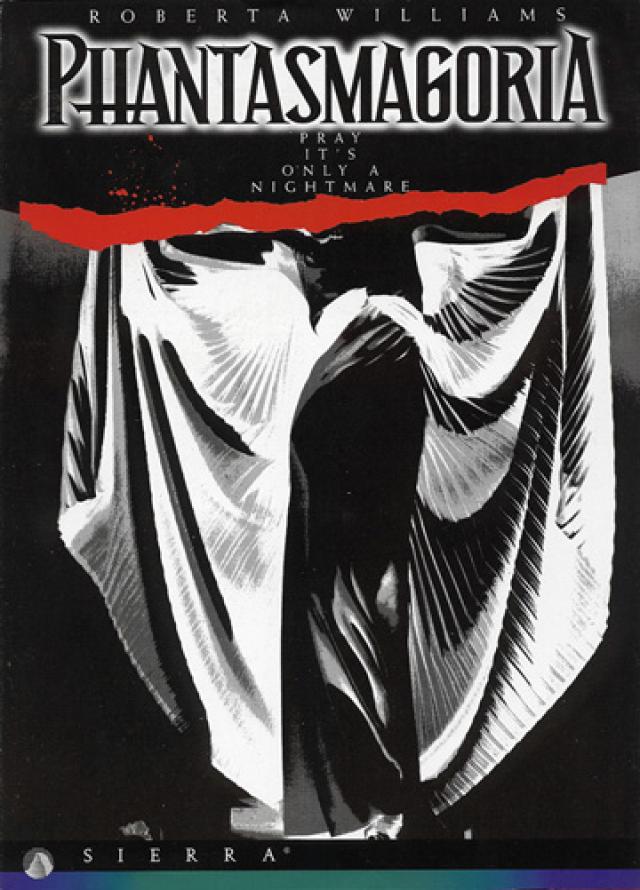
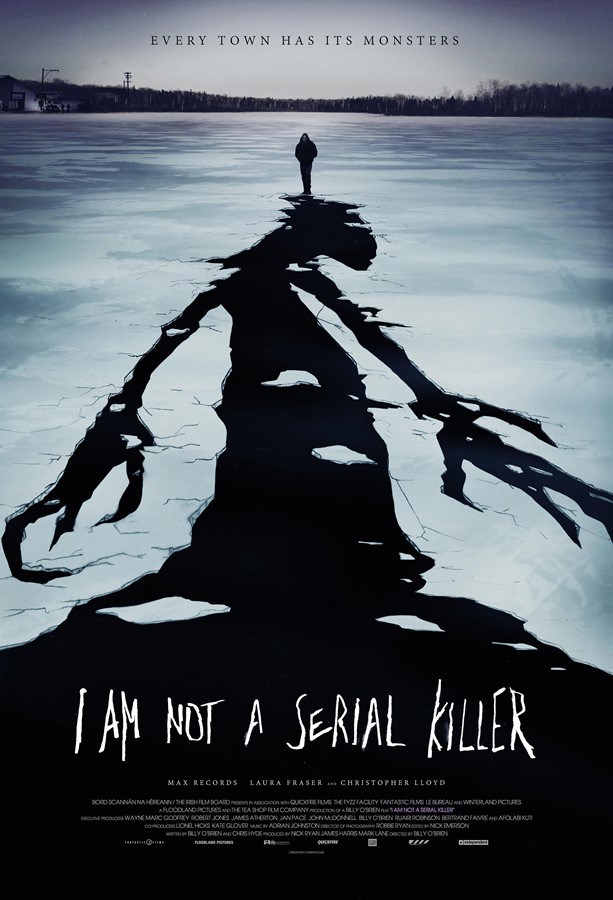
 I had only one movie on my schedule for Monday, July 18, but thanks to the good offices of the people at the Fantasia Film Festival and at Oscilloscope Laboratories, I ended up able to catch another film first. The Love Witch was a movie that I’d been unable to watch in its theatrical showing at Fantasia due to a scheduling conflict. After seeing it Monday, I’d go on to the Hall Theatre for The Wailing (Goksung), a two-and-a-half hour Korean horror film. The movies made for an odd contrast. In both cases I greatly appreciated them but came away fairly sure I wasn’t part of their primary audience. But movies play to whoever sees them, and perhaps writing about these films will bring them to the attention of people with better perspectives than my own.
 Sunday, July 17, began early for me. I went down to the Hall Theatre to watch Parasyte: Part 2 (I’ve written about it
 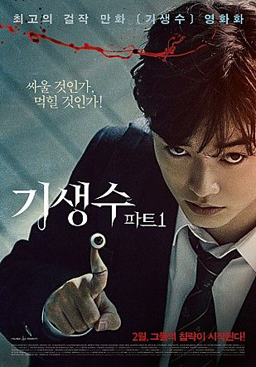 Saturday, July 16, began early for me. I headed downtown to the Hall Theatre for an 11:05 showing of Parasyte: Part 1 (Kiseiju), the first instalment of a Japanese science-fiction–horror duology. After that I planned to head to the festival screening room; I hoped to see La Rage du Démon (Fury of the Demon), a French horror mockumentary that mixes film pioneer Georges Méliès, occultism, and legends of mass hysteria into the story of a cursed silent movie. Then I’d head back to the Hall for a showing of For the Love of Spock, a documentary about Leonard Nimoy and his most famous role, hosted by the director, Nimoy’s son Adam. I’d wrap up the night with Terraformars, a science-fiction film directed by Takashi Miike about humans battling genetically-modified cockroaches on the surface of Mars. Miike would be present to host a question-and-answer session and receive Fantasia’s Lifetime Achievement Award.
 Friday, July 15, began early for me. I headed down to Fantasia’s De Sève Theatre to watch a 2 PM press conference with the winner of this year’s