Rogue One: I Am One With the Force and the Force Is With Me
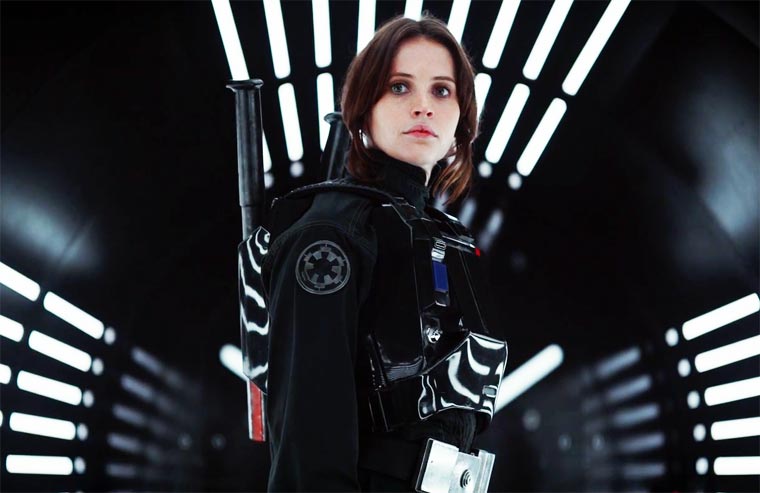
When I was eight years old, some friends of the family gave me The Star Wars Storybook. Back in 1979, there was just one movie (and a confusing, once-seen Christmas special), and the action figures.
Everything I could learn of the larger universe of the movie that had changed my life was in that book. I wanted to know about the rebels, the past of Darth Vader and Kenobi, and who were these alliance pilots and Grand Moff Tarkin?
Some questions were answered in Empire, and Return of the Jedi, and others I got through comic books (I really enjoyed the Marvel Star Wars comic series started in 1977). And of course, we have the Jar-Jar infected prequels, which, with just enough denial, can be watchable for the light saber fights, or shown to children, who love them.
But it was only yesterday, when I saw Rogue One, that I saw the world I’d glimpsed when pressing my face against the glass as an eight-year old. I watched Rogue One with my brother, his eleven-year old son, and my own eleven-year old. And I really enjoyed it, in a complex way.
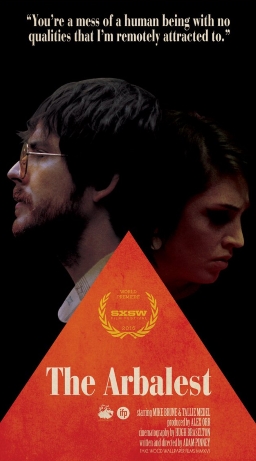 Tuesday, August 2, was the next-to-last day of the 2016 Fantasia festival. I had two movies lined up. First would come The Arbalest, at the De Sève Theatre: a period fantasy about a man who made an addictive puzzle in a slightly alternate 1970s. That would be followed by The Piper (Sonmin), a Korean film that reimagined the Pied Piper story as set in a postwar Korean village. Both looked promising. One delivered on that promise.
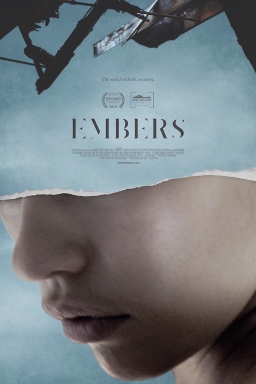 By Monday, August 1, the end of the 2016 Fantasia Film Festival was in sight. Two more days, and it’d be over for another year. Bearing that in mind I was determined to pass by the Festival’s screening room and catch up with some films I’d missed earlier in the festival. First, though, I was headed to the De Séve Theatre for a showing of the American-Polish science-fiction movie Embers, about a world struck by a plague of forgetting. After that I’d go to the screening room, where I’d watch the French absurdist comedy L’Élan and the Mexican horror-fantasy We Are the Flesh (Tenemos la carne).
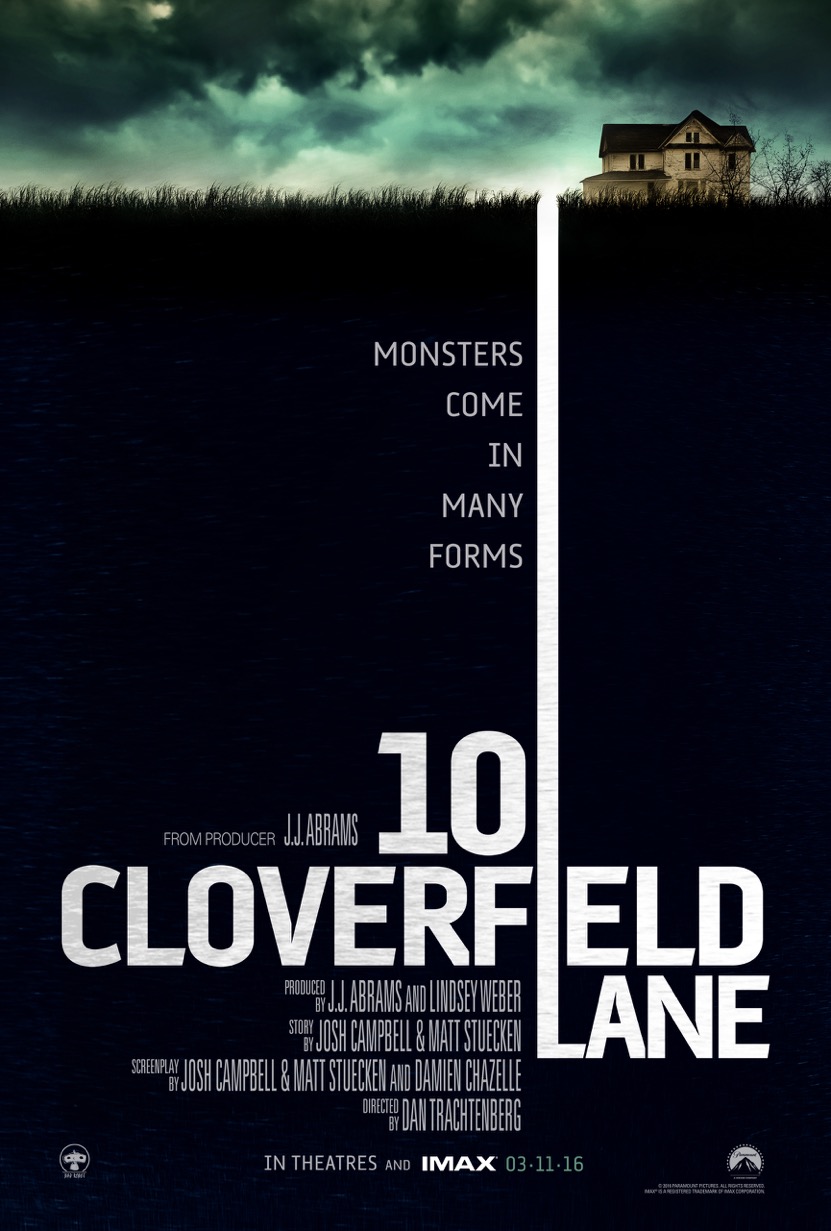
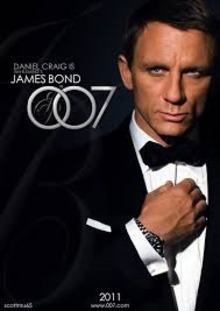 Lately I’ve been looking at adaptations, both novel-to-movie, and novel or movie to TV series. I been talking about them in terms of what I thought was successfully done, and occasionally pointed at my favourites. In their comments people observed that while they agreed, for the most part, with my suggestions, they had suggestions of their own. All of us had to admit, however, that we were sometimes unfamiliar with either the source work, or the adaptation, or even both.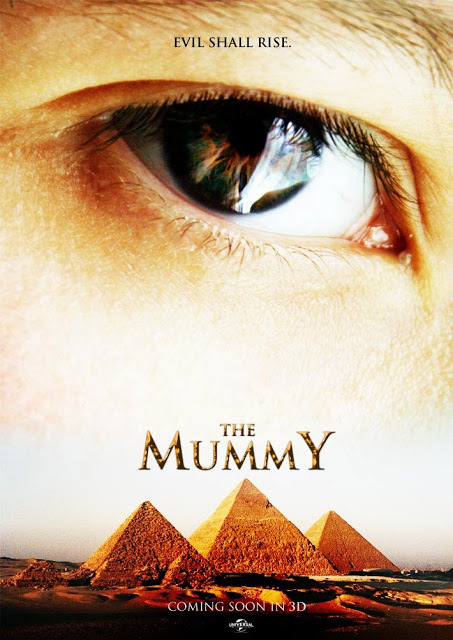
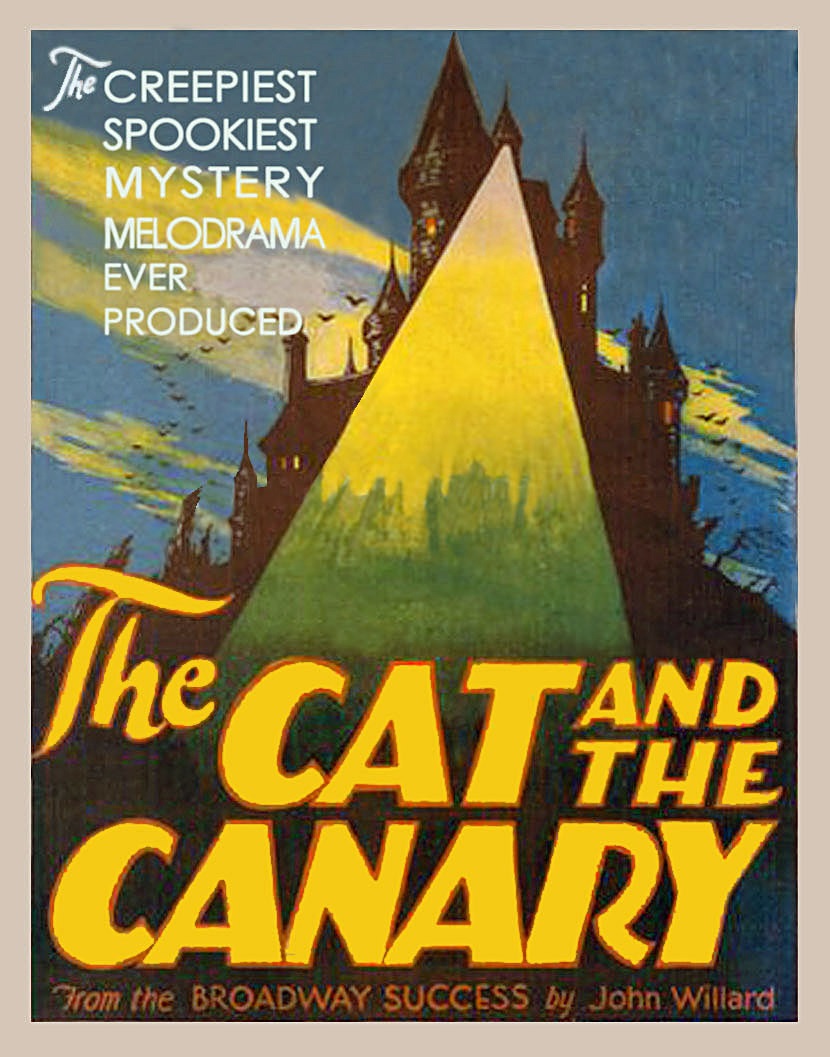
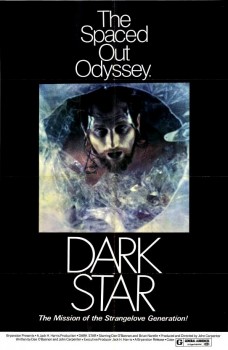
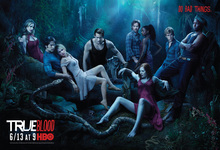 Not long ago I posted about my top ten novel-to-movie adaptations, (see
 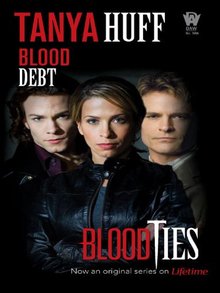 As Goldman says about adapting novels for film, the TV series should retain the intention of the original material, but perhaps the issue of length isn’t as problematic. On the contrary, the more of the original source’s complexity that can be kept, the better, as TV adaptations can explore avenues and characters in ways a movie can’t. On the other hand, series requirements sometimes lead to unexpected changes to the source material.