In Alone Against the Flames You Face the Horror of Cthulhu the Way the Universe Intended: By Yourself
 |
 |
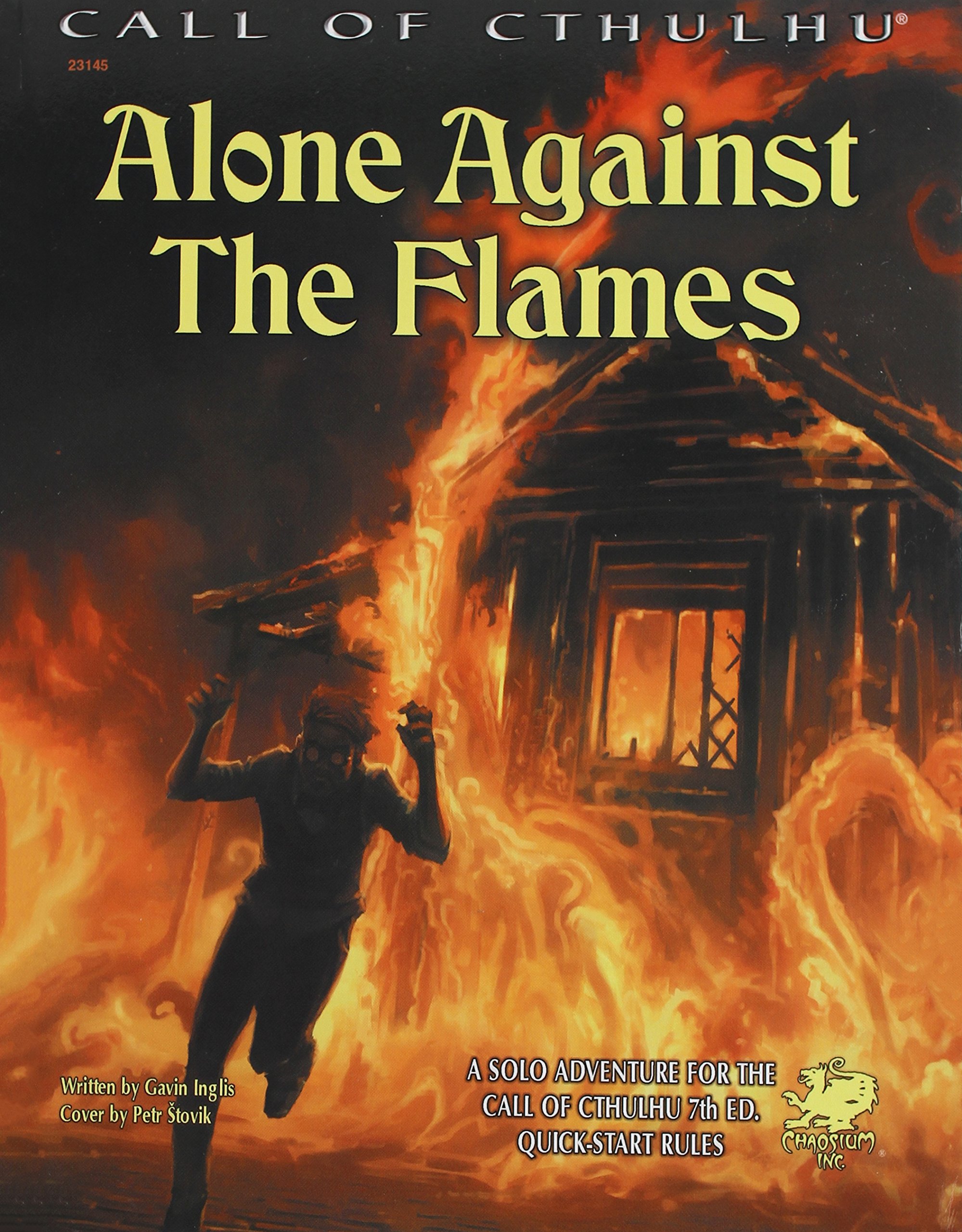
I’m a huge fan of solitaire role playing adventures. They’re a great way to exercise your imagination and sample an immersive RPG experience when you can’t find any other players — or just can’t convince them to try out a new game with you.
Of course, the biggest drawback of solo RPGs (aside from the fact that they’re relatively thin on the ground these days) is that most expect you to be fully conversant with the system. That’s why I’m so delighted with Alone Against the Flames, the newest solo adventure for Call of Cthulhu. You don’t need to read the (rather daunting) rulebook before you start playing. Just settle in a comfy chair with some lucky dice, open the book, and follow the instructions. It dumps you right into the story and teaches you the game as you go.
Call of Cthulhu is a horror RPG based on the work of HP Lovecraft, and Alone Against the Flames is a complete tale set in the 1920s in which you are the main character, and your choices determine the outcome. Although it’s designed to walk you through the basics of the game as you go, a copy of the Call of Cthulhu Seventh Edition QuickStart Rules (which you can download for free here) is required to play.
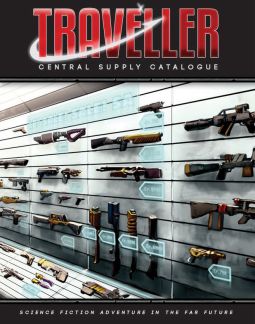 Traveller Rule 0 is, roughly, “The Referee Can Make S…tuff Up.”
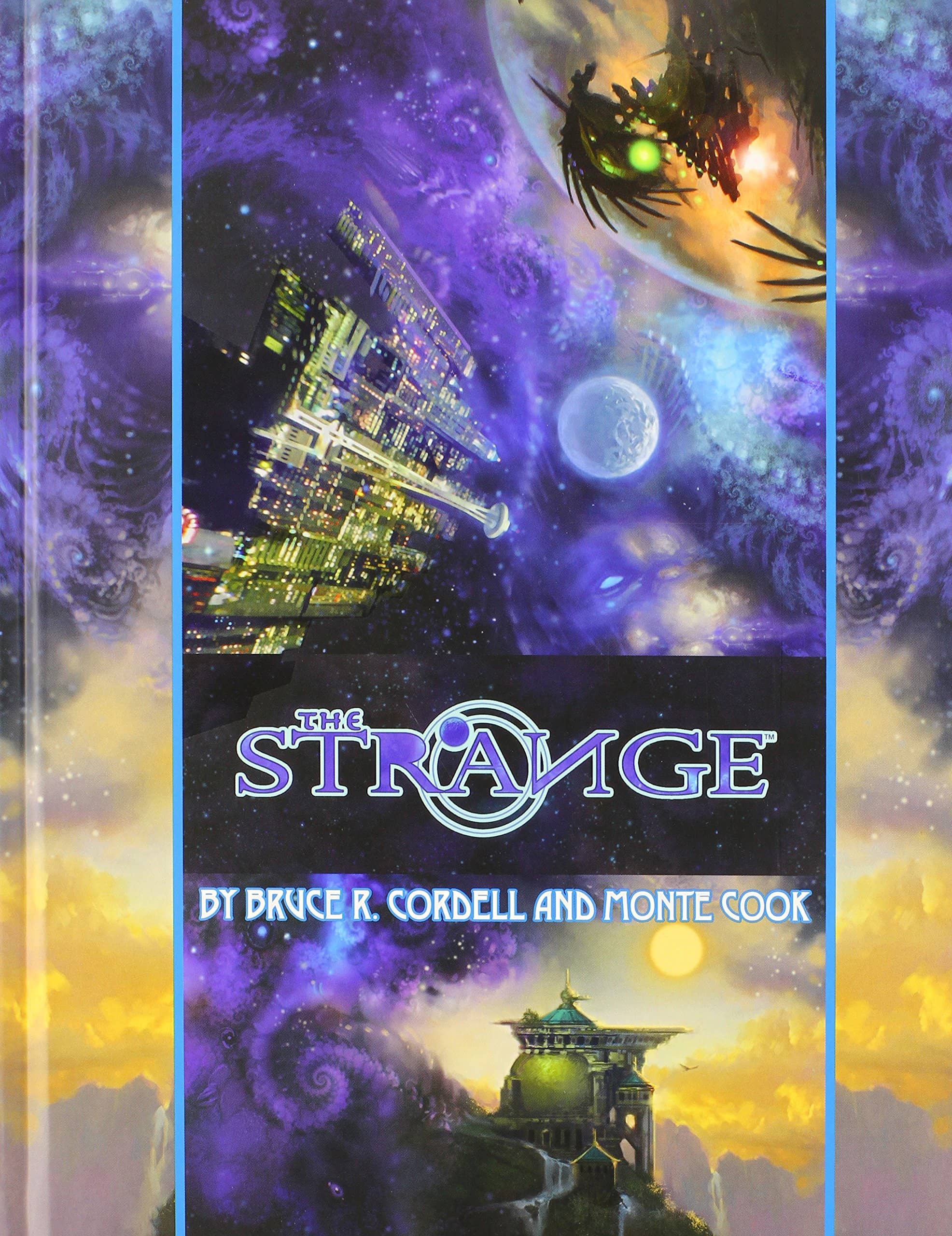
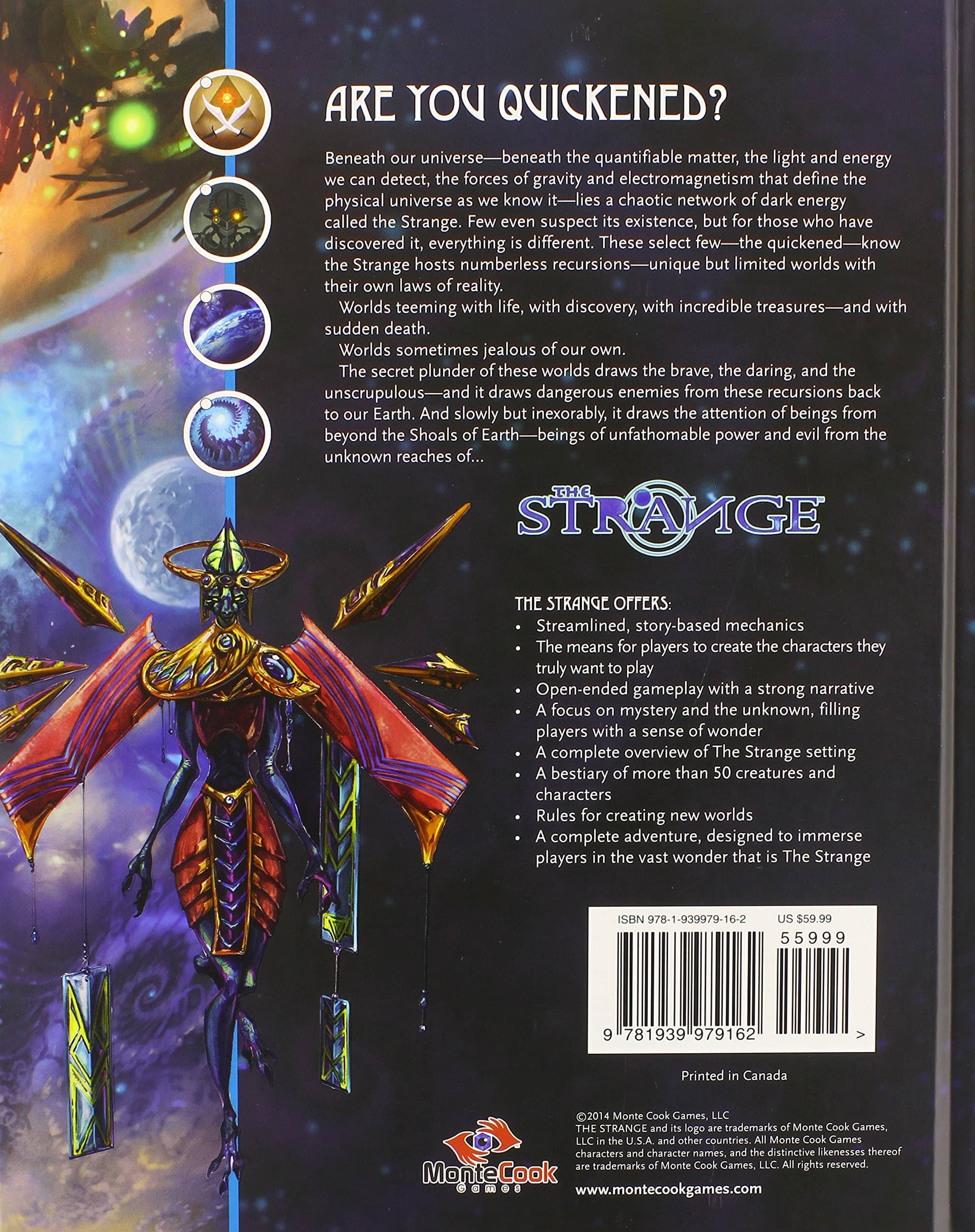
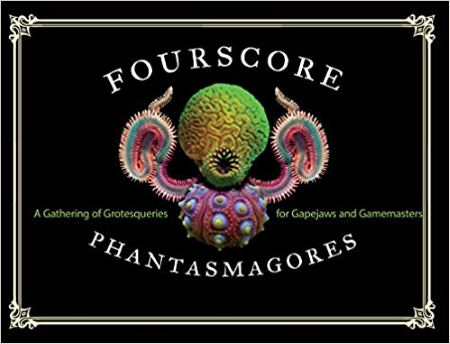 There’s a paradox in the nature of a dictionary of monsters. The medieval bestiaries at least claimed to be compendia of actual knowledge. But books like Jorge Luis Borges and Margarita Guerrero’s Book of Imaginary Beings (Manual de zoología fantástica) and perhaps even Katharine Briggs’ Dictionary of Fairies are only superficially rational collections of information. Though alphabetised and cross-referenced, the logical framework’s a way of presenting wild fantasy and dream: basilisks and baldanders, brownies and banshees, sylphs and sphinxes. The Monster Manual, and the role-playing handbooks it inspired, take this contradiction to a new level — detailed statistics for each creature described along with the avowed intent of inspiring new stories featuring the legendary or imaginary entities. Quantified, numerically precise, the monsters in these enchiridia still crack open the inside of the head, driving readers to imagine worlds big enough to hold dungeon-dwellers and dragons. Rupert Bottenberg’s Fourscore Phantasmagores is the newest volume of these wonders for gamers and monster-lovers of all stripes, presenting, as it says on the cover, “A Gathering of Grotequeries for Gapejaws and Gamemasters.” And, conscious of its predecessors, the book’s a rich source of inspiration; a grimoire seeding new myths.