Stages of Gamer Development
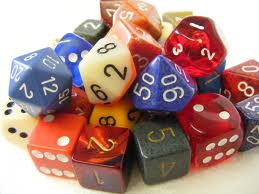 I am currently in a master’s program for Counseling Studies, and part of that is the study of psychological theories. Something I have learned is that many theories have been presented over the years about psychological development. What stages are involved, what the normal “process” of psychological development is, and so on.
This got me to thinking. Do gamers go through a development process? (And by that I mean tabletop role-players. Video-gamers may go through a similar process, but that’s not my focus.) Perhaps someday, when I have to write a research paper, I will base it on this idea. Because I’m a geek like that.
Anyway, here’s my initial theory on The Stages of Gamer Development, from a psychological point of view. This theory assumes an average gamer, introduced to the hobby during adolescence (ages 11-13 or so), who continues playing through adulthood. Obviously there will be many who do not fall within these parameters. But, given it’s a psychological theory, it is a broad generalization at best, and open for individual interpretation of course.
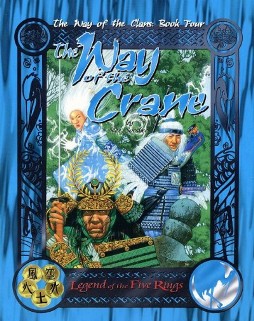
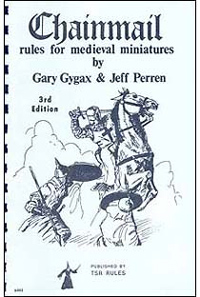 I’m an old TSR module fan, and as such I’ve always been intrigued by how the concept of such media came into existence. For the most part they fall in series, kind of like writers follow Tolkien with the concept of connected books and characters in a trilogy. It makes perfect sense, especially if you’re trying to create an extended campaign with a gaming group that meets on a regular basis. Series modules facilitate that, and recently I had the opportunity to chat with one of the original designers of a TSR foundation adventure path, the L Series ‘Lendore Isles.’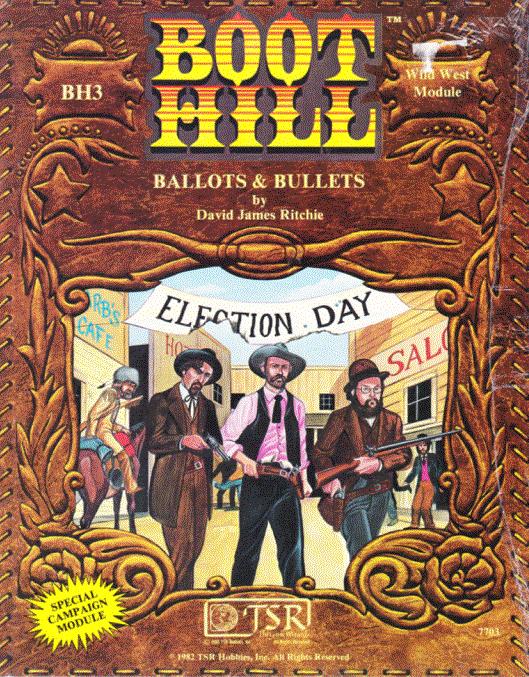
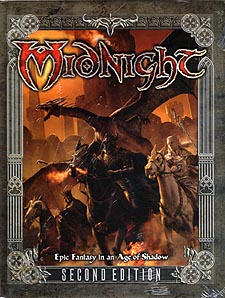 “Imagine if Frodo had died during his journey and the One Ring had returned to Sauron.”
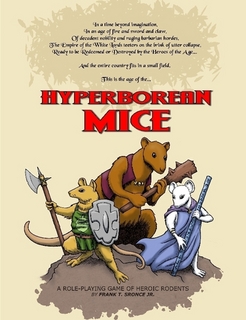 Am I a bad gamer if I really, really want to play this game?
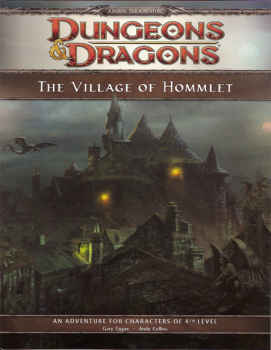 How cool is this? Wizards of the Coast has released an updated version of Gary Gygax’s 1979 classic The Village of Hommlet, one of the most celebrated AD&D adventures and the first part of the notoriously difficult
 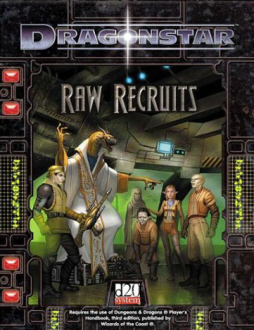 D&D in space. It’s an idea that has been around for a long while in the form of TSR/WotC’s Spelljammer.
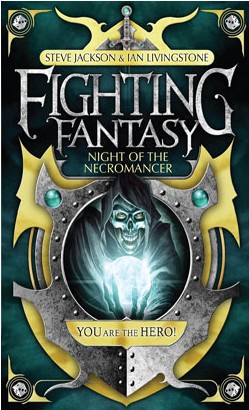 Night of the Necromancer
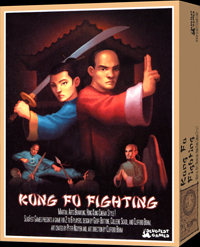 Now that Gen Con is done, it’s time to offer up some final thoughts, experiences, and, of course, games.