Art of the Genre: Joe Kubert [1926-2012]
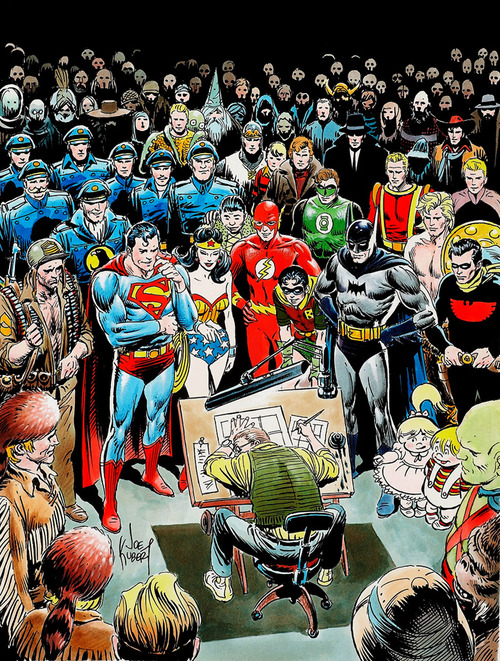
So it was for Joe Kurbert, comic icon, and master of his art. Joe’s school, and all the ‘Kubies,’ as his graduates were called, helped define nearly two generations of art since its inception in 1976. Notable names such as Dave Dorman, Tim Truman, and countless others have studied under this master, and because of that, his rank among the all time greats increases tenfold.
Two of his children, sons Adam and Andy, have gone on to follow in their father’s footsteps as well, now respected comic artists in their own right.
His art, so inspiring to all fans, had a subtle quality that somehow managed to be both hard and soft. Emotion was etched into each line, and the movement found in his figures always had a realism I found astonishing when reading gritty war stories from his formative, post WWII, years in the industry.
He was another outstanding member of ‘The Greatest Generation,’ and the principles for which he lived his life, and the kindness and generosity for which he was known, are a shining example to others who I hope will eventually follow in his footsteps.
To this, beyond talented and incredible father, artist, husband, and teacher, I raise a glass. He will be sorely missed, but his legacy, as well as his teachings, will continue. And for that, the world of art will be forever enriched.
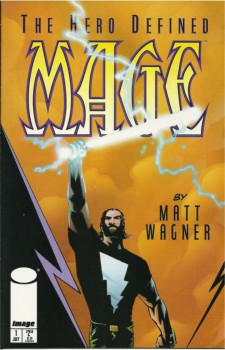 Matt Wagner began writing and illustrating the first Mage series in 1984 at the age of twenty-two. At the time, he was a relatively unknown creator struggling both to find his voice and make a place for himself in the comics industry. His subsequent work on Grendel and Sandman Mystery Theatre had garnered many awards and critical acclaim; but in interviews there was always the obligatory question of “When are you going back to Mage?”
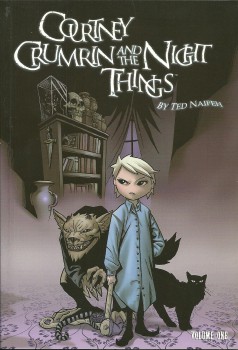 Be honest. If you had magical powers when you were a teenager, what would you have done? How long would you have walked the path of righteousness before cursing the school bullies? Before casting a spell to make yourself popular? Before just flat-out killing bad people? Would you have made friends with elves … or goblins?
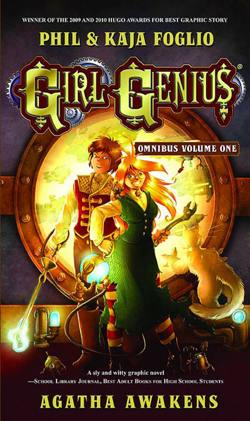
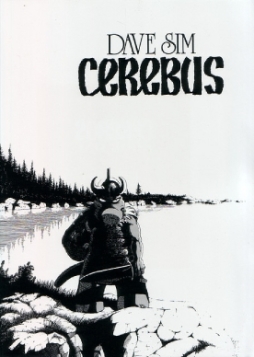 I’ve been writing a fair bit lately about Canadian fantastika, and I’ll be doing so again next week, looking at a trio of grand masters who’ve just released what may be one of the most accomplished works of their career. But there’s been a bit of news lately about another notorious Canadian fantasy epic, so I want to talk about that first.