Browsed by
Category: Books

New Treasures: The Siren’s Song by Andrew Paul Weston
New Treasures: The Siren’s Song by Andrew Paul Weston

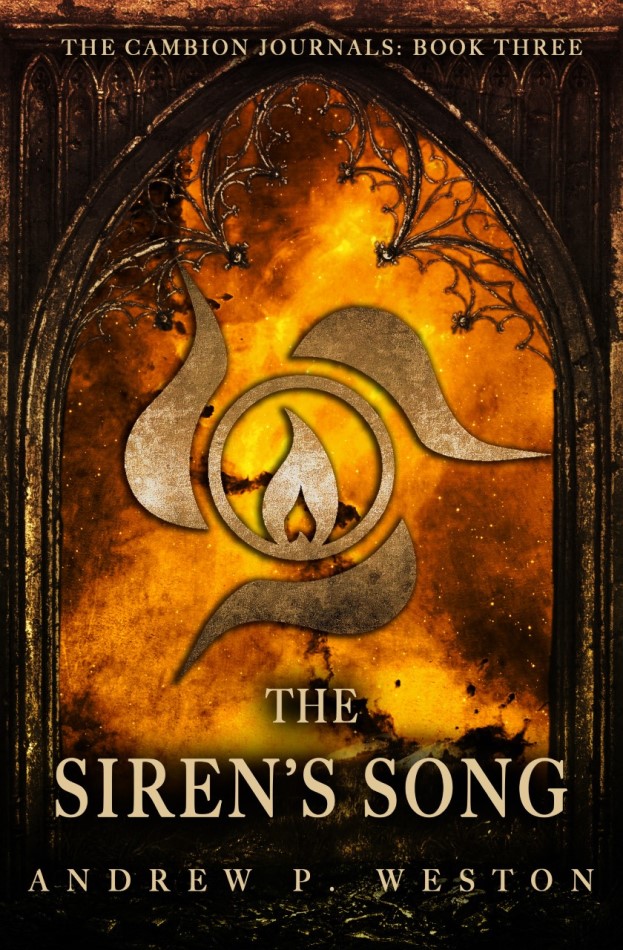
The Siren’s Song: The Cambion Journals, Book Three, by Andrew P. Weston (Raven Tale Publishing. Kindle edition; released July 2022).

Andrew Paul Weston has described himself as a “Former Royal Marine, Police Officer & Crime & Intelligence analyst, cursed with an overactive imagination.” His muse and expertise drive him to write action-adventure that spans genres. Black Gate’s Fletcher Vredenburgh reviewed his internationally bestselling IX Series, military sci-fi that transports the lost Roman IX Legion across time & space to fight energy-eating monsters (book #1 The IX, book #2 Prelude to Sorrow, book #3 Exordium of Tears). And Joe Bonadonna covered Weston’s trilogy following the Devil’s hitman, Daemon Grim, set in Janet Morris’ Heroes in Hell ™ universe (book #1 Hell Bound, book #2 Hell Hounds, book #3 Hell Gate).

With The Siren’s Song (just released), Weston continues The Cambion Journal series which promises to be a six-novella series. It tracks Augustus Thorne, a “Cambion” (a half-demon, half-human hybrid). He’s cursed with a terrible hunger he can barely control, hunting and exterminating any Incubi and Succubae he can find.
…

Read More Read More

Future Treasures: The Year’s Best Fantasy: Volume One edited by Paula Guran

Future Treasures: The Year’s Best Fantasy: Volume One edited by Paula Guran

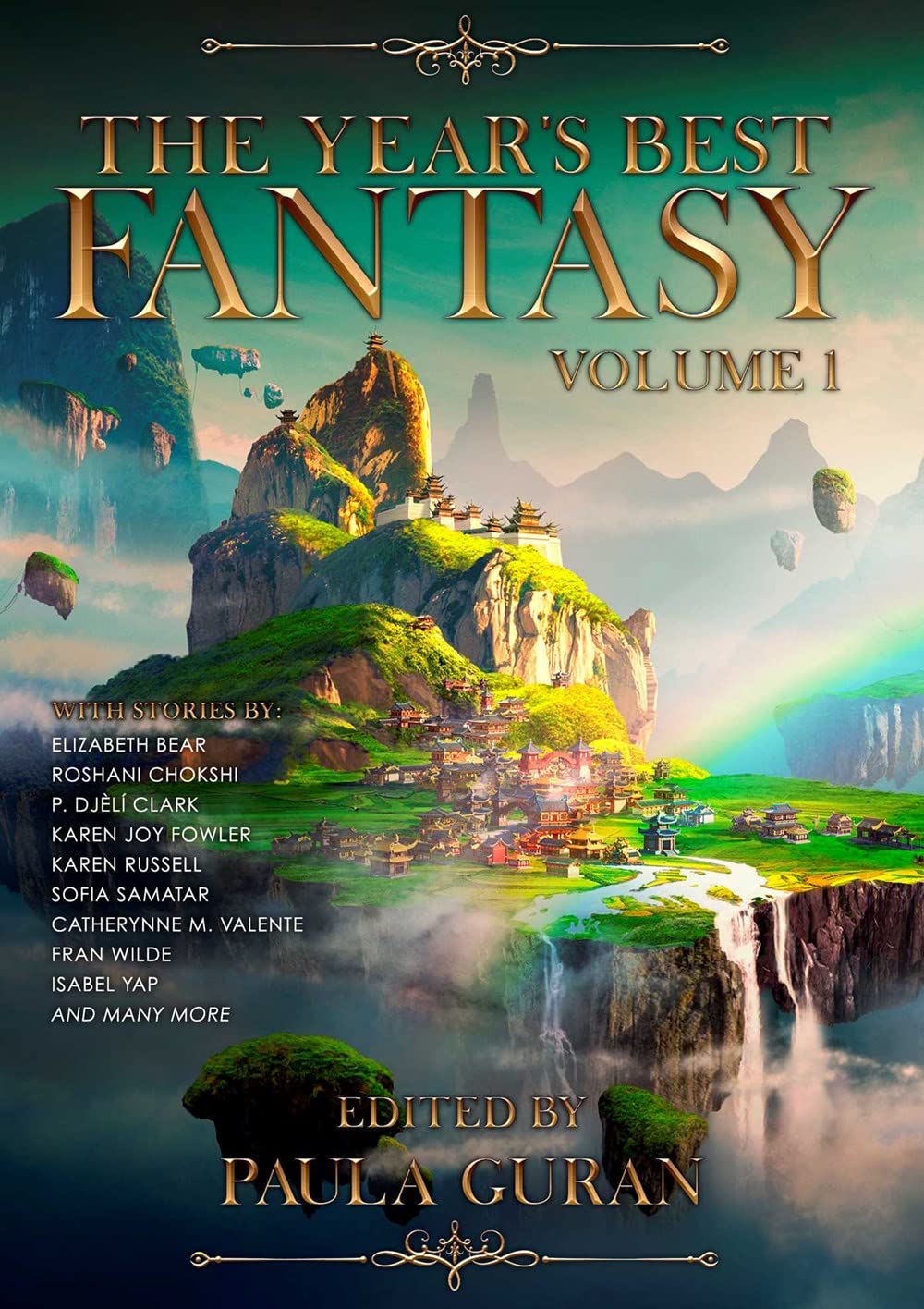
The Year’s Best Fantasy: Volume One (Pyr, August 16, 2022). Cover by Liu Zishan

Paula Guran edited ten volumes of The Year’s Best Dark Fantasy & Horror for Prime Books between 2010-2019. She brought the series to Pyr in 2020, and it’s done well enough that this year Pyr launched a companion volume: The Year’s Best Fantasy: Volume One, also with Paula’s capable hand at the helm.

I’m delighted to see a brand new BEST OF series devoted exclusively to fantasy. This is a great volume to start with, containing a new Morlock tale by James Enge, AND a story by our first website editor C.S.E. Cooney (co-authored with her husband Carlos Hernandez), plus fiction from P. Djèlí Clark, Karen Joy Fowler, Sofia Samatar, E. Lily Yu, Isabel Yap, Catherynne Valente, Tobias Buckell, Elizabeth Bear, and many others. It goes on sale next week.

…

Read More Read More

IMHO: A PERSONAL HISTORY OF SWORD & SORCERY AND HEROIC FANTASY

IMHO: A PERSONAL HISTORY OF SWORD & SORCERY AND HEROIC FANTASY

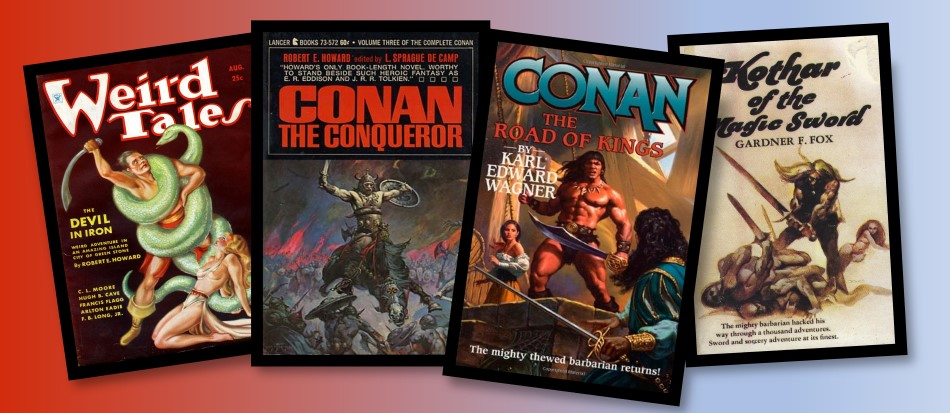
Weird Tales featuring “Devil in Iron” by Robert E. Howard, art by Margaret Brundage (~1934); Conan the Conqueror by REH and Lyon Sprague de Camp, art by Frazetta (~1967);  The Road of Kings by Karl Edward Wagner art by Matt Stawicki (1979); Kothar of the Magic Sword by Gardner F. Fox, art by Jeff Jones (~1969)

The Evolving and Cloned Barbarian

Conan, King Kull, Cormac, Bran Mak Morn — names that conjure magic, characters often imitated, but never duplicated. These creations of Robert E. Howard (circa 1930) started the Sword and Sorcery boom of the 1960s and early 1970s. Then there are the barbarian warriors inspired by Howard — “Clonans,” as one writer recently referred to these sword-slinging, muscle-bound characters. A fair observation, but in some cases, not so true.

I prefer to think of these “Clonan” tales of wandering barbarian heroes as “Barbarian Solo” adventures because the majority of these characters are lone wolves, without sidekicks or even recurring companions. This is a big part of their appeal, in fact, and in their own way, they are reminiscent of many cinematic westerns. I’ve read many, if not most, of the early Conan pastiches, including the novels based on Howard’s other creations. Karl Edward Wagner’s, Poul Anderson’s, and Andy Offutt’s portrayals of the Cimmerian come within a sword’s stroke of Howard’s original vision. L. Sprague de Camp and Lin Carter, in commodifying the character, arranged the long, informal saga of Conan in chronological order and, by extenuating these adventures with dozens more, made of Howard’s creation a long-form series similar to the episodic success of a television show on a prolonged run of diminishing returns. For some readers, however, the advantage of this development is that it provided a sort of character arc as Conan grows from a youth to an older man.

…

Read More Read More

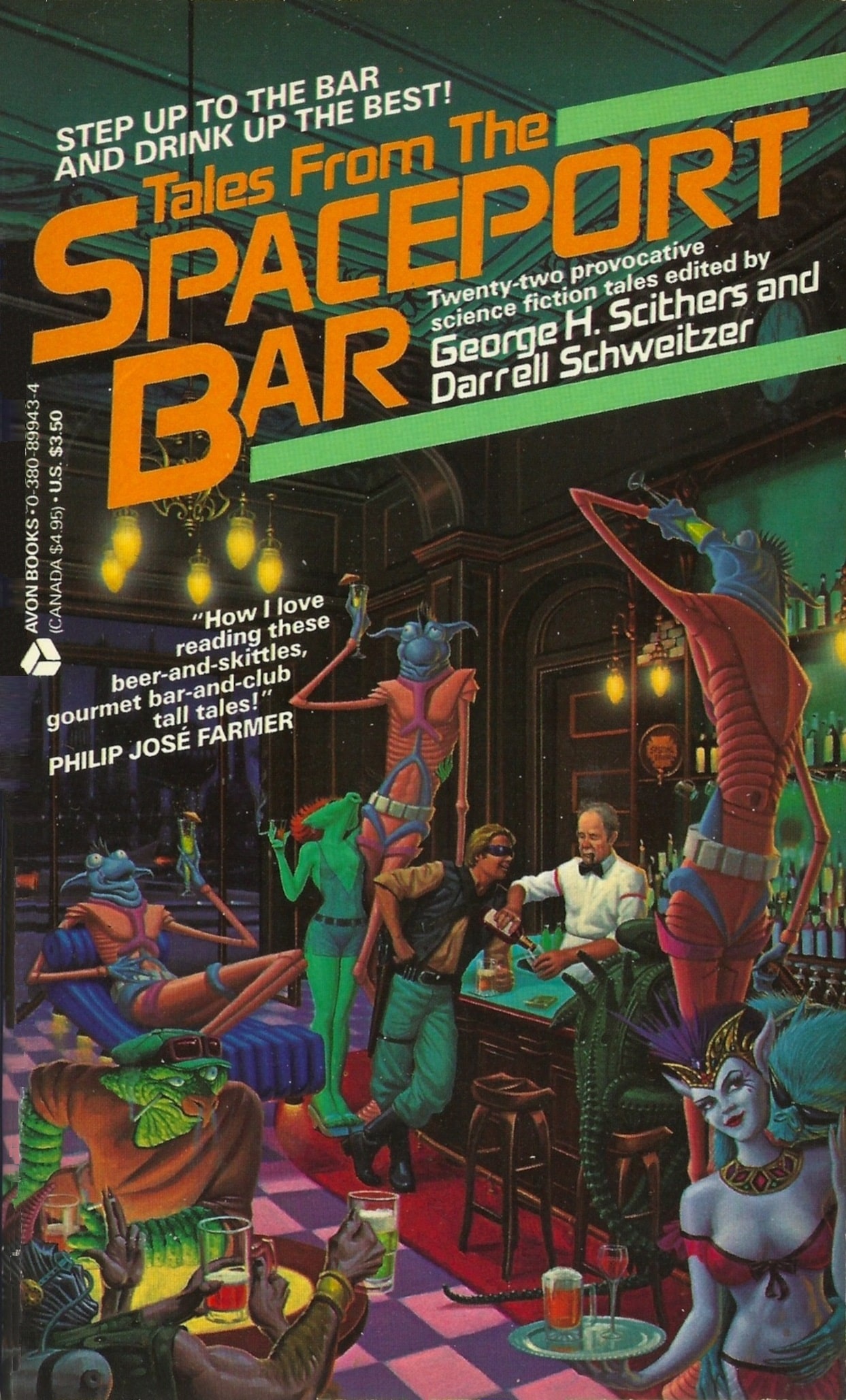
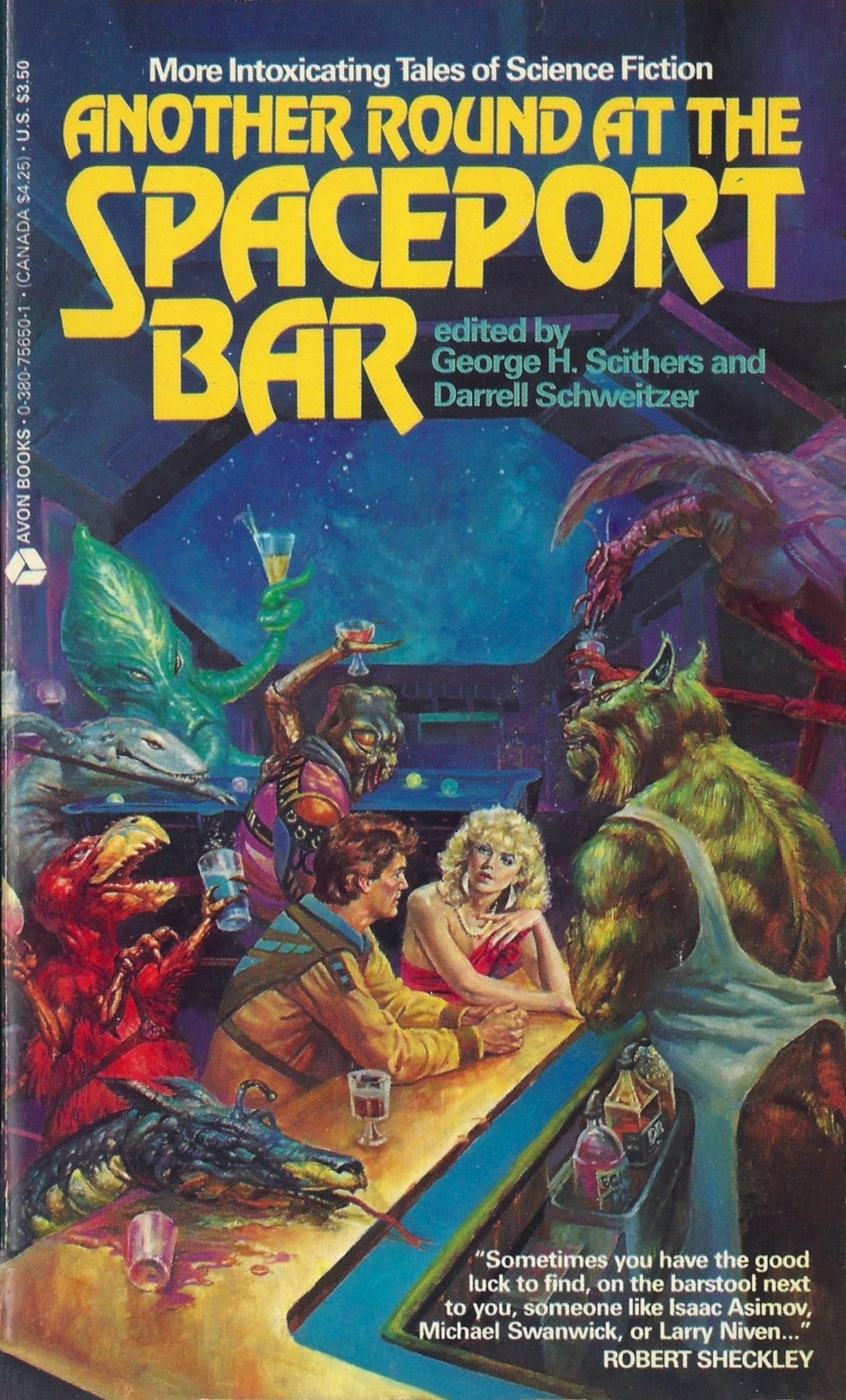
Vintage Treasures: Tales from the Spaceport Bar edited by George H. Scithers and Darrell Schweitzer

Vintage Treasures: Tales from the Spaceport Bar edited by George H. Scithers and Darrell Schweitzer


Tales from the Spaceport Bar and Another Round at the Spaceport Bar
(Avon Books, 1987 and 1989). Covers by James Warhola and Doug Beekman

Science fiction has a rep for being serious stuff. Tales of dystopias, climate catastrophes and environmental collapse, dire warnings about worrying trends, that’s SF in a nutshell. Even dressed up in its best story-telling adventure garb, Star Wars or Mad Max-style, it’s still often perceived as all about desperate battles in apocalyptic settings.

Of course, science fiction is much broader and richer than that, and most of its best writers have amply demonstrated their love of whimsy and fun. One of SF’s best-loved sub-genres is the Club Tale/Bar Story, exemplified by Arthur C. Clarke’s famous Tales From the White Hart, L. Sprague de Camp and Fletcher Pratt’s long-running Gavagan’s Bar stories, Lord Dunsany’s Jorkens tales, Isaac Asimov’s Black Widowers mysteries, Spider Robinson’s Callahan’s Bar, Larry Niven’s spacefaring tales of Draco Tavern, and many others.

In the late 80s Weird Tales editors George H. Scithers and Darrell Schweitzer assembled a collection of the best such stories, Tales from the Spaceport Bar. It made the Locus Award list of Year’s Best Anthologies (in 11th place), and was quickly followed by Another Round at the Spaceport Bar. Both books are a fine antidote to anyone who’s dabbled just a little too long on the dark side of science fiction.

…

Read More Read More

The Pandemic Was Really Quite Good to Me

The Pandemic Was Really Quite Good to Me


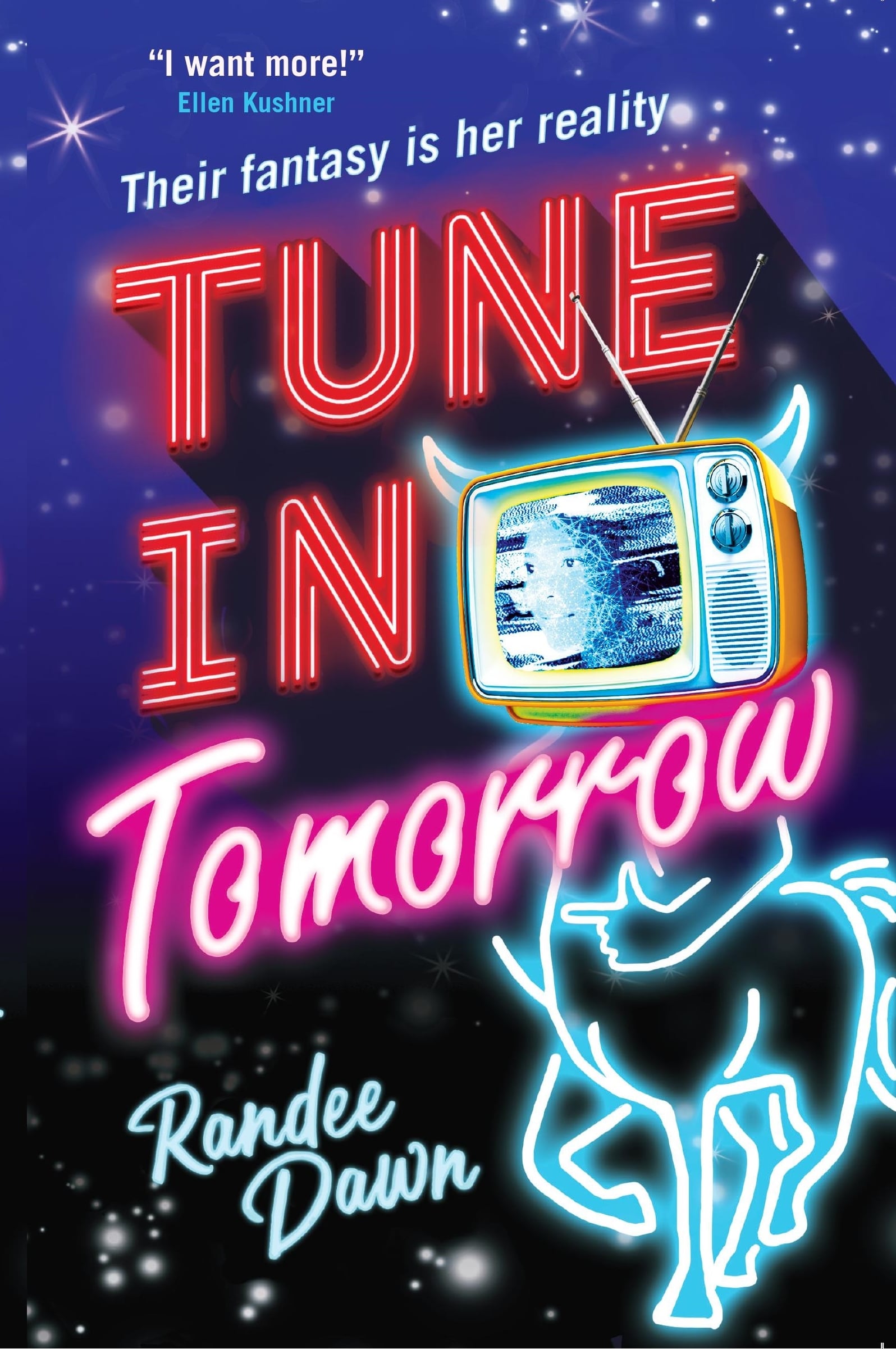
Tune in Tomorrow (Solaris, August 23, 2022), and the author

The pandemic was really quite good to me.

Don’t get into a snit – there are caveats: The horrible ongoing forever pandemic was terrible for everybody, including me. Millions had their lives wrecked, or died, and if the “quite good” experience I had could be swapped for a retcon in which “Covfefe” was as close as we ever got to saying “COVID,” I’d do it in a hot second.

Since that isn’t happening, let’s start again.

The pandemic was actually quite good for my debut novel, Tune in Tomorrow. See, back in 2020 I received an email from my agent saying that a publisher was interested in publishing the book, with a few alterations. Was I game?

As someone who struggled for decades to get a damn novel published, the answer was a quick, “Hell yes!”

…

Read More Read More

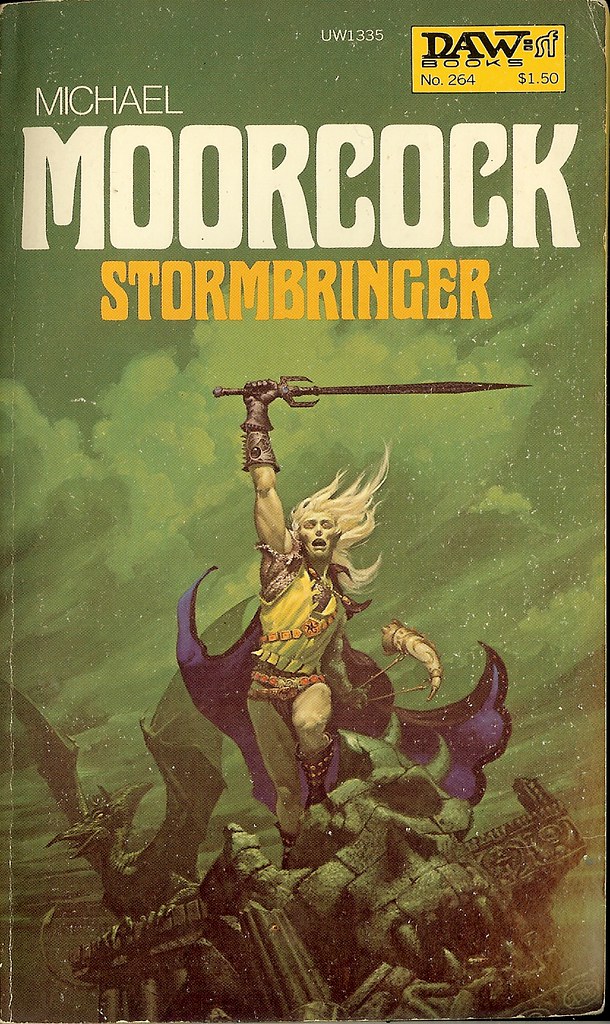
Carving Out Destiny: Stormbringer by Michael Moorcock

Carving Out Destiny: Stormbringer by Michael Moorcock

There came a time when the destiny of Men and Gods was hammered out upon the forge of Fate, when monstrous wars were brewed and mighty deeds were designed. And there rose up in this time, which was called the Age of the Young Kingdoms, heroes. Greatest of these heroes was a doom-driven adventurer who bore a crooning runeblade that he loathed.
His name was Elric of Melniboné…

from the Prologue to Stormbringer

⇐ That cover, more than any other, depicts the absolute coolness of swords & sorcery and what I like about it. Michael Whelan’s painting for the 1977 DAW edition of Michael Moorcock’s Stormbringer (1965) is the first time in over two hundred essays I haven’t put the first edition cover first. You can talk about heroism, barbarism vs. civilization and whatnot until the end of the day but, ultimately, this is what I dig. That depiction of Elric, runeblade held high, Horn of Fate trailing behind him, under the storm-wracked heavens, says more about what brings me back to the genre than any book-long disquisition ever could. It’s just so stinking cool. Its appeal is purely and mind-blowingly visceral.

When I was in my mid-teens, all my friends and I devoured these books relentlessly. As soon as one of us finished one series we plunged right into the next. The gradual realization that all of Moorcock’s S&S stories were linked in some crazy pattern made our reading even more compulsive. Many, many elements in his books wound up in roleplaying sessions. I ended at least one universe in a very Moorcockian style.

I did a quick count of how many Moorcock books I’ve read and got over thirty. Some of them, particularly the assorted Eternal Champion books (Elric, Dorian Hawkmoon, Corum, etc.), I’ve read numerous times. I’ve probably read all six Corum novels five or six times. I have definitely not reread any other S&S books, neither Robert E. Howard’s nor Karl Edward Wagner’s, anywhere near that number of times. Moorcock’s books have done more than any other’s to build the framework of what S&S writing is for me if by no other measure than number of pages read. There’s more creativity when it comes to characters and world-building in almost any of his slim DAW yellow-spine books than nearly any monstrous tome I’ve bludgeoned my way through.

…

Read More Read More

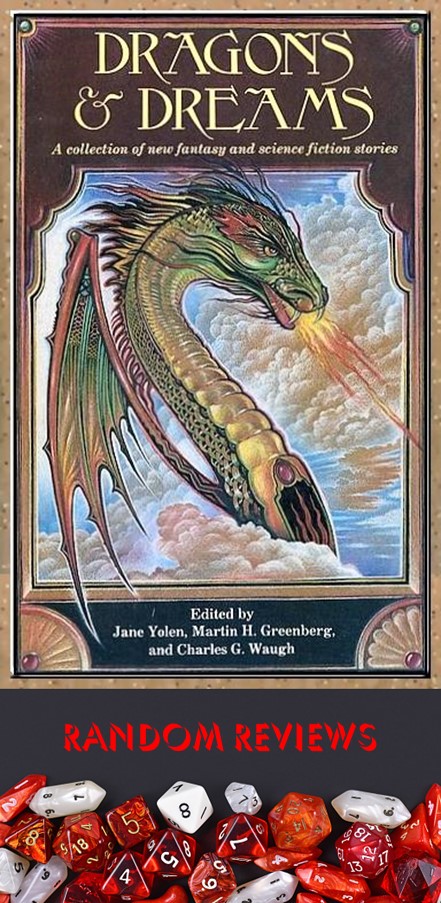
Random Reviews: “The Box” by Bruce Coville

Random Reviews: “The Box” by Bruce Coville

Cover by David Palladini

Because I’ve been asked about the process by which I’ve been selecting stories for the Random Review series, I thought I’d take a moment to explain how the stories are selected.

I have a database of approximately 42,000 short stories that I own sorted by story title. When it comes time for me to select a story to review as part of this series, I roll several dice (mostly ten sided) to determine which story should be read. I cross reference the numbers that come up on the die with the database to see what story I’ll be reviewing.  This week, I rolled 4,023 which turned out to be Bruce Coville’s short story “The Box.”

One of the things I’m hoping to get out of this series, from a personal point of view, is to discover authors and short stories that I’ve owned and have never read. Of course, I’m also hoping to share those discoveries, good or bad, with the readers of Black Gate.

“The Box” refers to a gift an angel has given to Michael when he was a young boy. The box wasn’t a gift, but rather a duty, for Michael was told to take good care of the box until the angel returned to retrieve it. Holding onto the box shaped his life from the time he received it through school, dating, work, and into old age.

…

Read More Read More

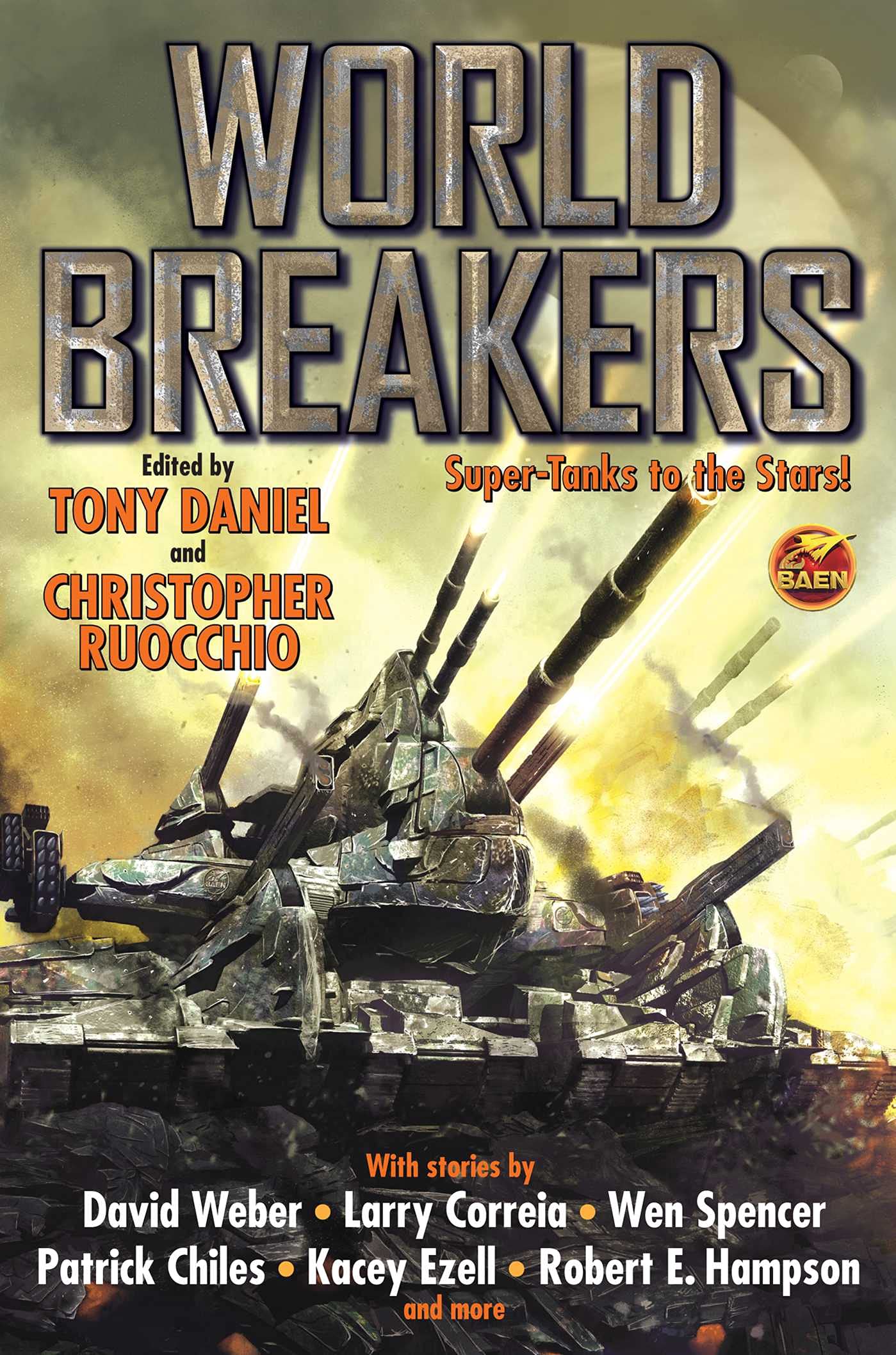
New Treasures: World Breakers edited by Tony Daniel and Christopher Ruocchio

New Treasures: World Breakers edited by Tony Daniel and Christopher Ruocchio


World Breakers (Baen mass market reprint, July 26, 2022). Cover by Dominic Harman

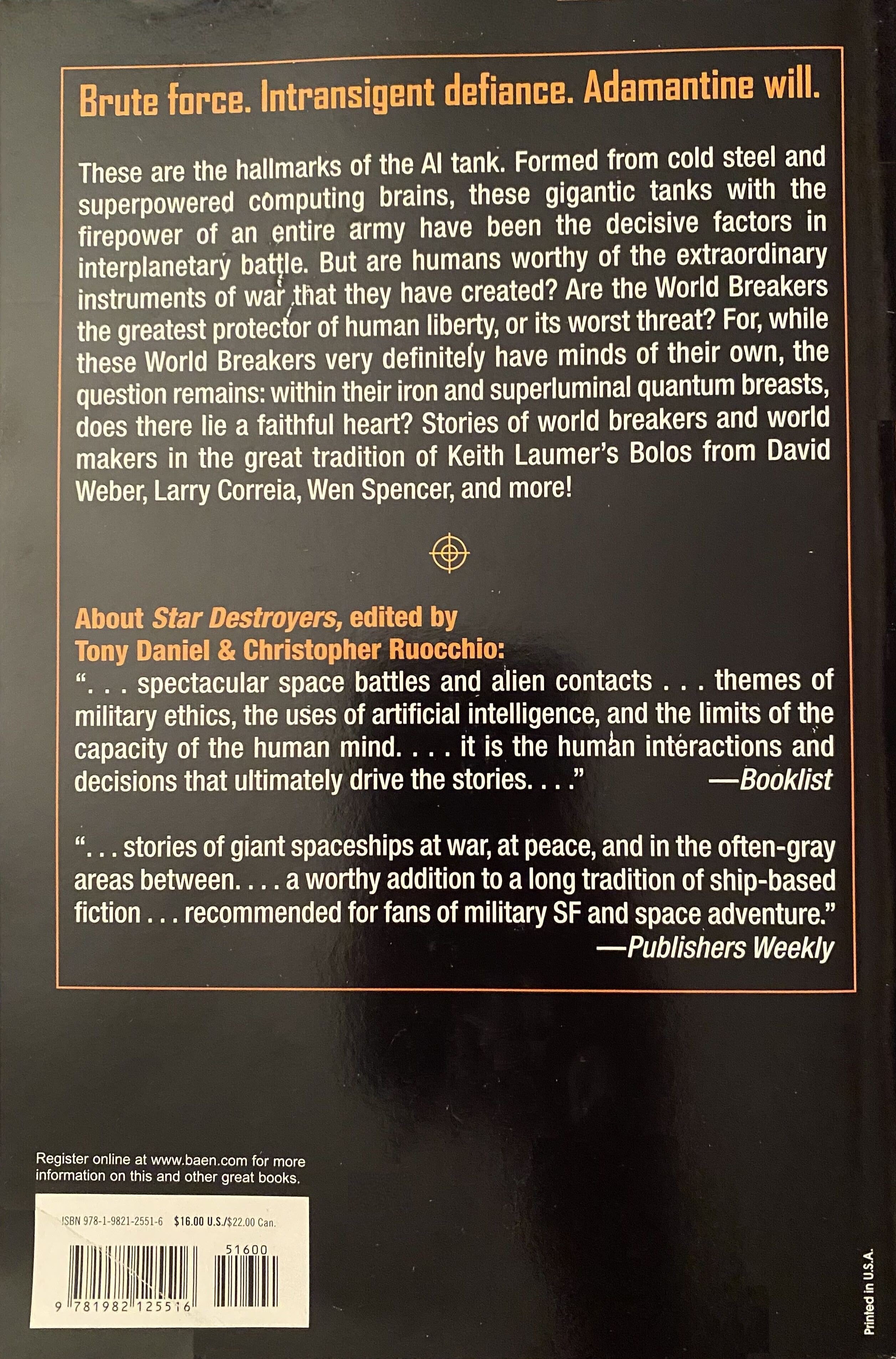
If you’re one of the (very few) folks who pay attention when I complain, you know that I frequently lament the decline of the mass market science fiction anthology. Book store shelves used to be full of ’em, and nowadays they’ve all but vanished. Folks don’t have an appetite for short fiction these days, at least not in the way they used to. And that’s a shame — anthologies are a great way to discover new writers, fil the time when you can’t commit to a longer work, and just read some great stories.

Tony Daniel and Christopher Ruocchio previously edited Star Destroyers (2018) for Baen, and with Baen senior editor Hank Davis, Ruocchio has produced nearly half a dozen others, including Space Pioneers (2018), Sword & Planet (2021), and Time Troopers (2022). Last year Daniel and Ruocchio released World Breakers, a collection of original stories of super tanks, and what did I find in my local bookstore last week but a handsome and affordable mass market edition. Civilization isn’t dead after all.

…

Read More Read More

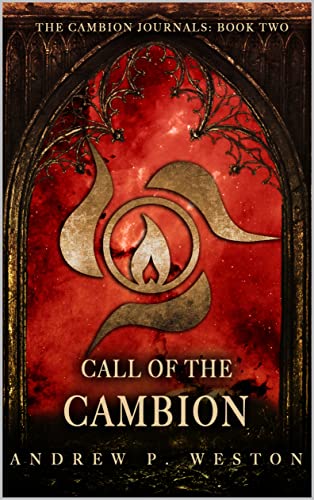
DEMONS ARE A GIRL’S BEST FRIEND: Call of the Cambion (The Cambion Journals — Book Two) by Andrew P. Weston

DEMONS ARE A GIRL’S BEST FRIEND: Call of the Cambion (The Cambion Journals — Book Two) by Andrew P. Weston

Call of the Cambion (The Cambion Journals: Book Two), by Andrew P. Weston. (Raven Tale Publishing. Kindle edition. 190 pages. Released May 2022. Paperback coming soon.)

Augustus Thorne is a Cambion — a human/demon hybrid. Cursed with a hunger he can barely control, it’s been a struggle to retain his humanity. All he’s ever wanted to do is enjoy what everyone else takes for granted. To lead a normal life. Fall in love. Start a family. Alas, such things are denied him because of what he is. Fated to feed off humans, he has channeled his self-loathing into a quest for revenge. For over two hundred years, Augustus has hunted and executed every Incubi and Succubae he can find. But he has yet to track down and kill the one responsible for attacking his mother and causing decades of suffering: his own spawn-father, Fanon.

— From the Prologue to Call of the Cambion

Andrew P. Weston’s second outing is just as good as the first book in his new series, A Hybrid’s Tale, which I have also reviewed here. This time around, in Call of the Cambion, Weston delves deeper into Augustus Thorne’s past, his relationships and his character. Born in 1760, Thorn has sworn to seek out and destroy the Demondim and its “department” of Incubi and Succubae assassins, known as the Forge, as he hunts for Fanon, the Incubus who sired him, then abandoned him and his mortal mother. Thorne is a complicated man: in spite of his supernatural and magical powers, and his killer’s instinct, he is an honorable and loyal man, not without mercy and his own code of ethics. Once again, Weston combines magic, metaphysics, science fiction, and the paranormal to tell his tale and give substance to his world and his characters.
…

Read More Read More

Vintage Treasures: The New Hugo Winners edited by Isaac Asimov

Vintage Treasures: The New Hugo Winners edited by Isaac Asimov


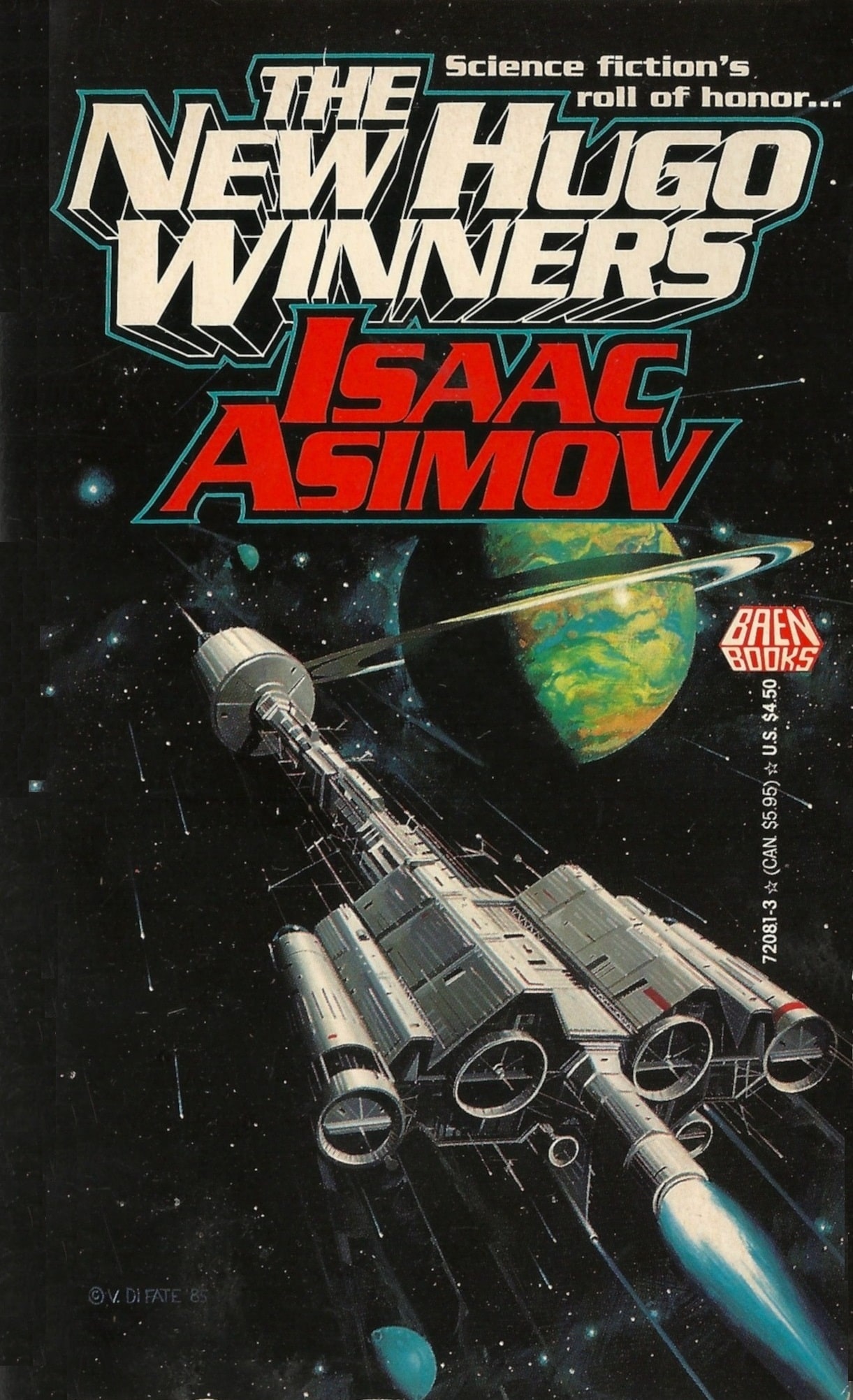
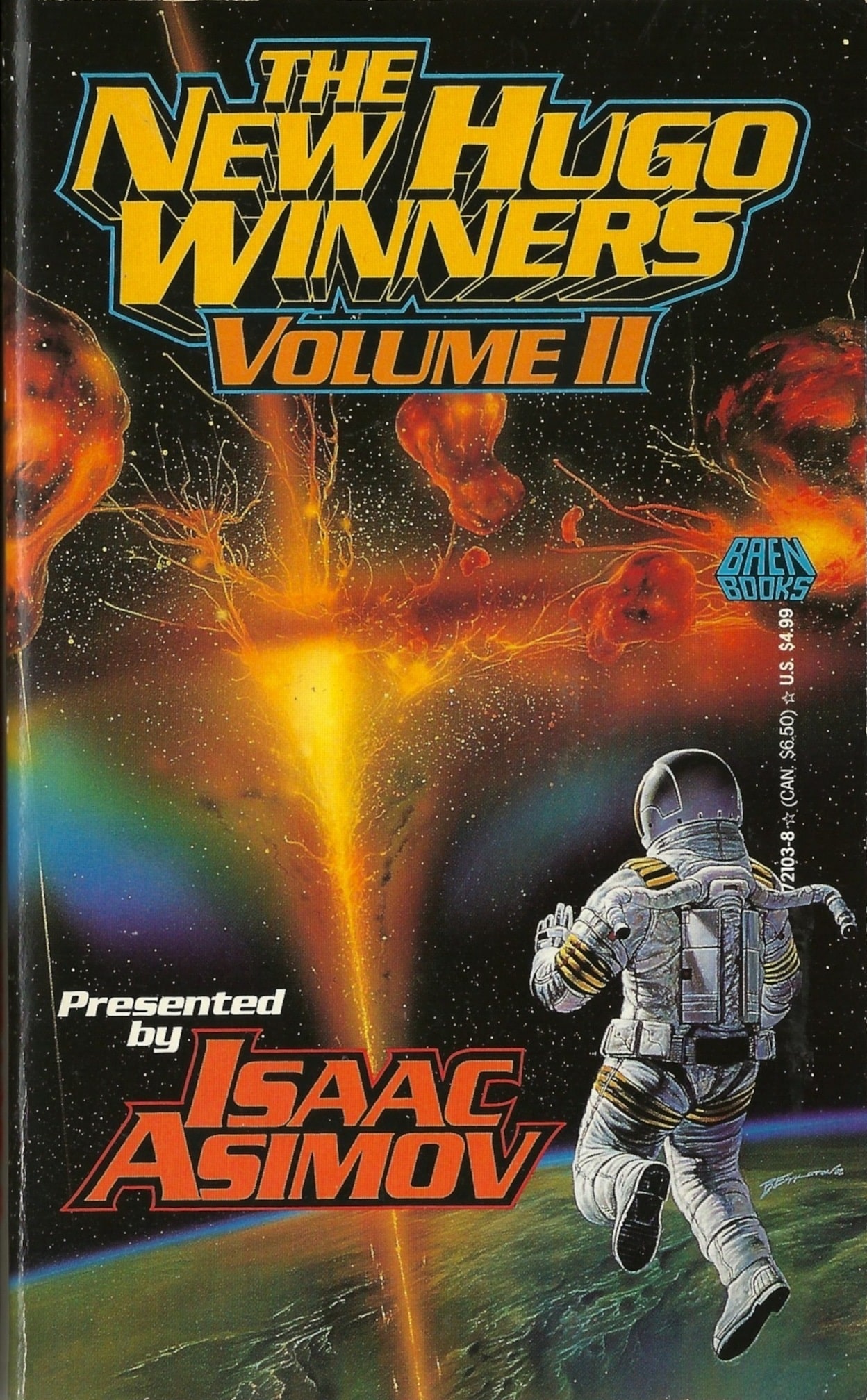
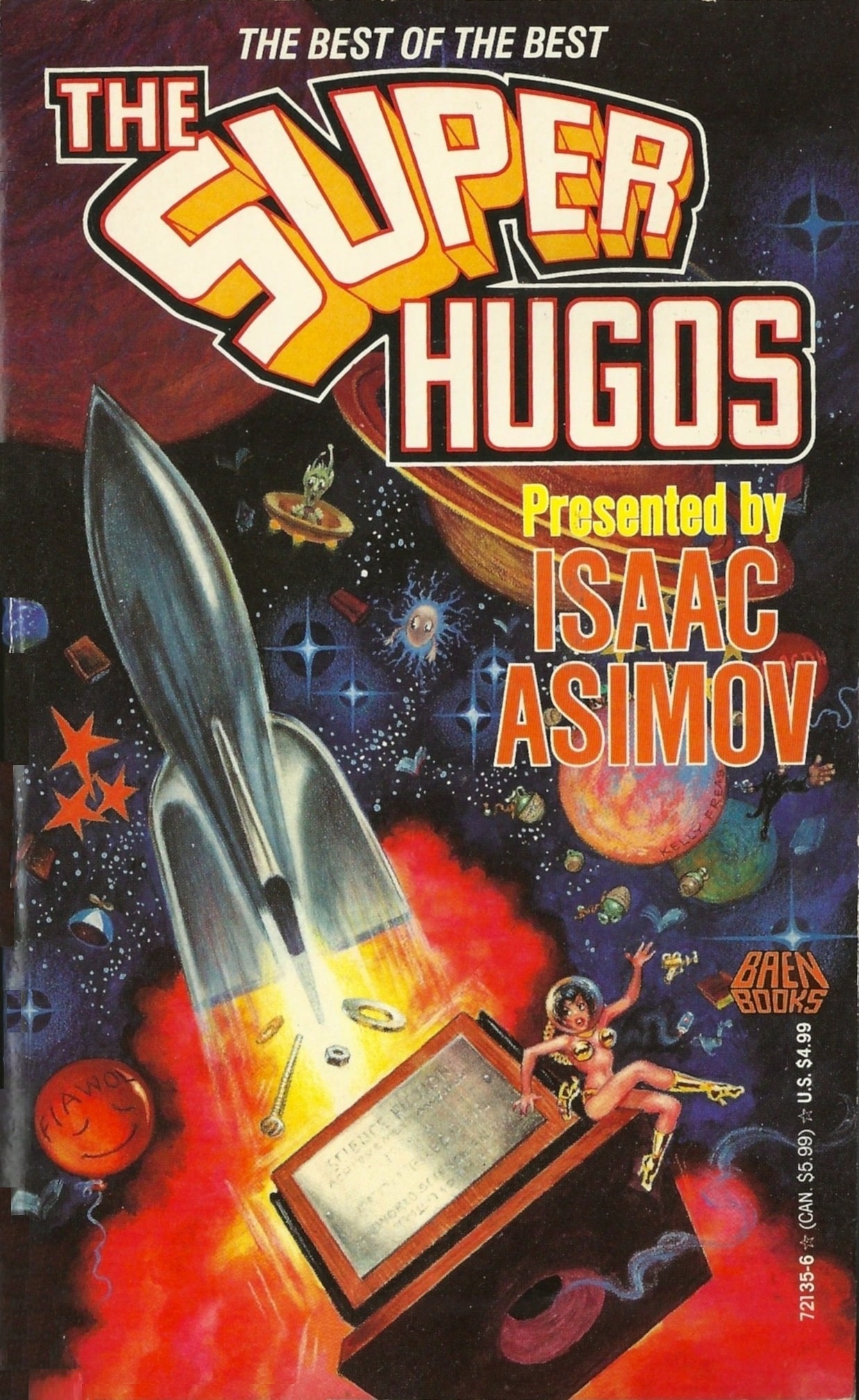
The New Hugo Winners, Volume I & II and The Super Hugos
(Baen, 1991, 1992, and 1992). Covers by Vincent Di Fate, Bob Eggleton, and Frank Kelly Freas

Last month, as part of my master plan to examine every interesting science fiction paperback ever printed, I surveyed five of the finest SF anthologies of all time: the first Hugo Winners volumes, all edited by Isaac Asimov and published by Doubleday between 1962 and 1986.

Although the first two volumes, collected in one big omnibus by the Science Fiction Book Club in 1972, were on the bookshelf of every serious SF fan in the 70 and 80s (and much of the 90s), by the time Volume IV and V were released in the mid-80s, sales had fallen off so significantly that neither one was reprinted in paperback. Asimov, who frequently noted that “the fine folks at Doubleday have never said no to me” — even indulging him with a massive 1,005-page, highly uncommercial vanity project in 1974, Before the Golden Age, a bunch of pulp stories threaded together with Asimov’s reminiscences of growing up in Brooklyn — found Doubleday saying ‘No” to further Hugo volumes.

It was Martin H. Greenberg, Asimov’s frequent collaborator, who talked him into doing additional installments. Together they produced three more: The New Hugo Winners, Volume 1 (1989) & Volume II (1992) and The Super Hugos, released after Asimov’s death in April 1992.

…

Read More Read More