Goth Chick News: Kelley Armstrong’s Bestselling Otherworld Series Celebrates Its 10th Anniversary and Hollywood Digs Up an Old Fav
 It’s only September 1st but the bales of hay and plastic skeletons have already lined the shelves of the local craft stores for over a month. Though I dutifully grouse about Christmas music echoing through the malls in mid-October, Halloween accoutrements in July simply means that for a few short months of the year, my home décor is in trendy step with the retail market.
And though I won’t amp up the props that send the neighbor kids screaming back down the sidewalk until the official start of the “the Season” on October 1st, the appearance of jumbo bags of assorted candies and plastic Iron Man costumes at Target means I’m well within my rights to break out the black food coloring and a few bottles of Vampire Wine.
Which I will drink while sinking my fake pointy teeth into some awesome, pre-season offerings.
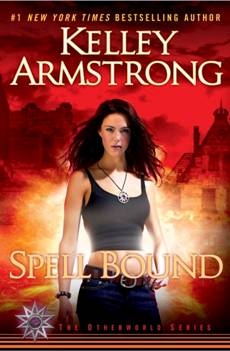
Believe it or not, I learned it’s been ten years since Bitten, the first novel in Kelley Armstrong’s New York Times bestselling Otherworld series. In that time hundreds of thousands of you have ravenously devoured the adventures of Armstrong’s witches, demons, and werewolves.
In her latest outing, Spell Bound, Armstrong pulls out all the stops, bringing all of her supernatural characters together in what is clearly the first battle of an Otherworld war; and I can’t wait to dig in.
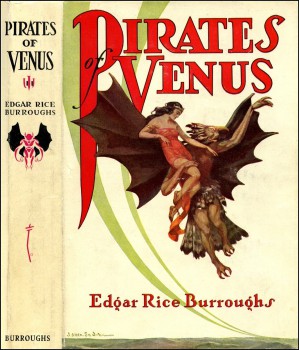 Next year brings the hundredth anniversary of Edgar Rice Burroughs’s first two published novels:
 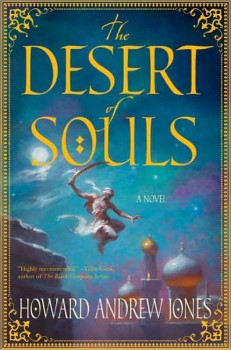 Sohaib Awan at Fictional Frontiers interviews Black Gate Managing Editor Howard Andrew Jones on his first novel The Desert of Souls, non-Western fantasy, juggling modern expectations in historical fiction, and much more:

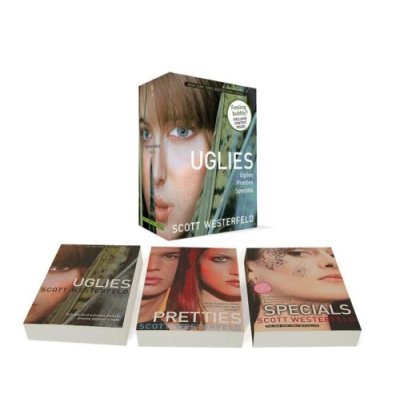 Scott Westerfeld has posted on his blog