Browsed by
Category: Books

A Neglected Master: The Best of Henry Kuttner
A Neglected Master: The Best of Henry Kuttner

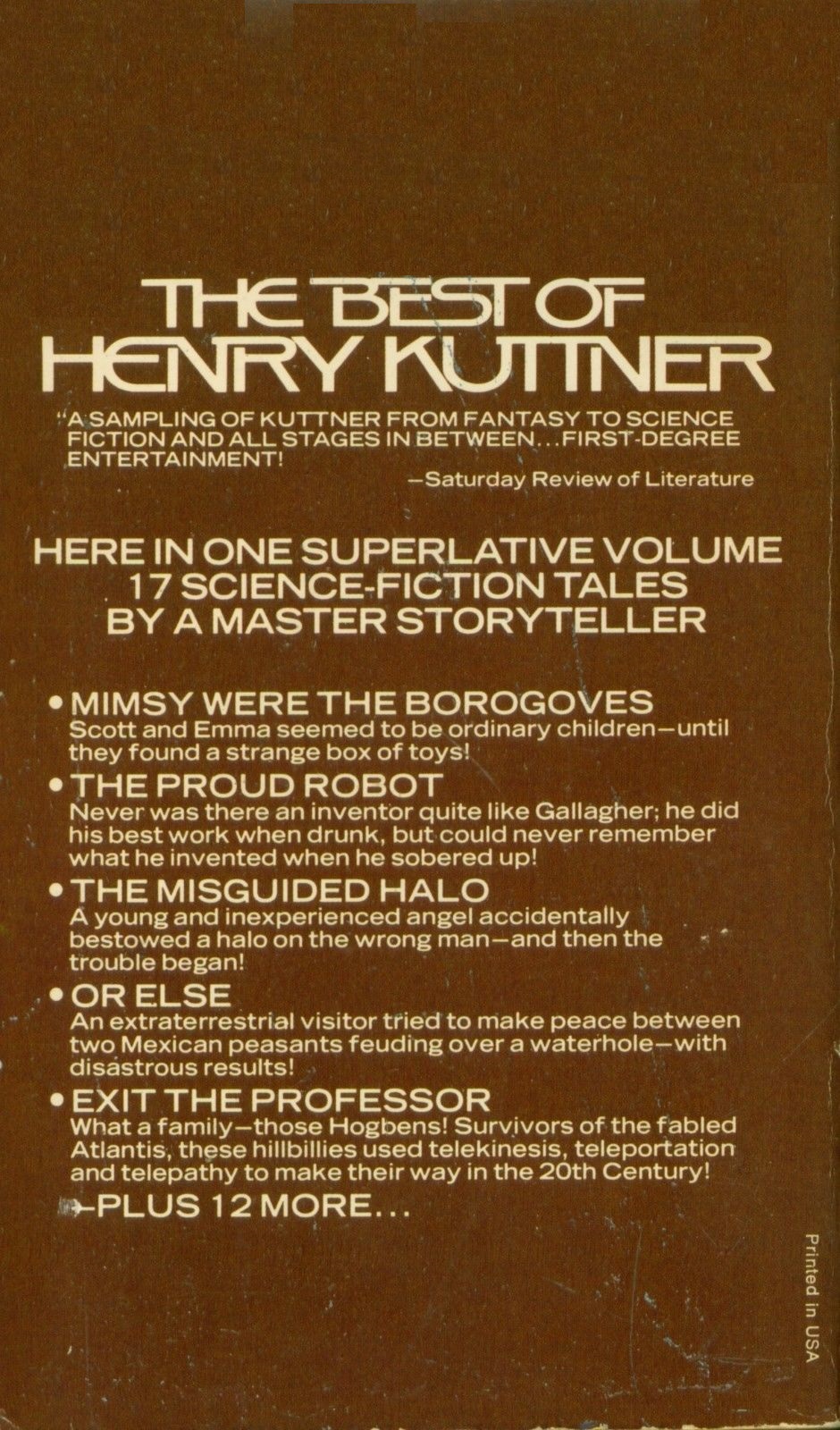
the-best-of-henry-kuttner-del-rey-small the-best-of-henry-kuttner-del-rey-back-small

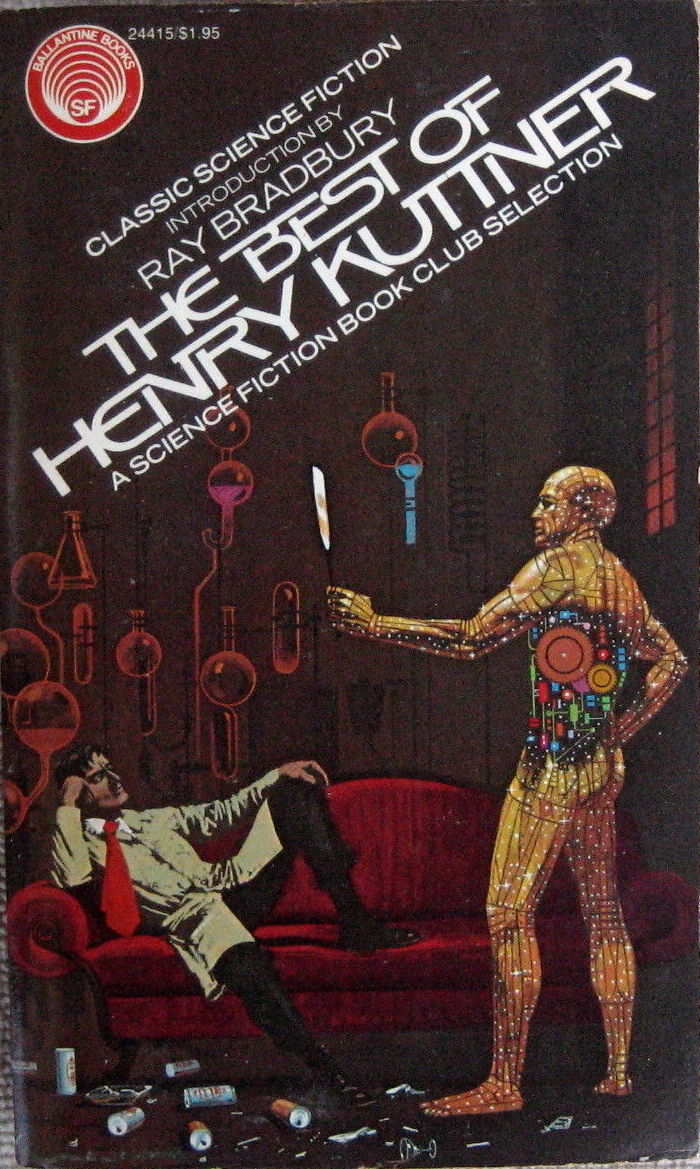
In Henry Kuttner’s short story “The Voice of the Lobster,” a character who is trying to escape some enemies muses to himself that he wishes he were a Cerean. In a footnote Kuttner includes the following: “The inhabitants of Ceres were long supposed to be invisible. Lately it has been discovered that Ceres has no inhabitants.” (p. 135).

Such is the typical humor of The Best of Henry Kuttner (1975), the fourth installment in Del Rey’s Classic Science Fiction Series. The previous volumes in this series all had insightful afterwords by the featured author, but Kuttner’s book does not contain one. Primarily, I take it, because Henry Kuttner (1915-1958) had already been dead for over a decade and a half by the time of publication. A shame though, given how the previous author afterwords in this series shed much light upon the subtext of their stories.

The introduction for this volume was done by the late and legendary Ray Bradbury (1920-2012). As with the previous three volumes, the cover art was by the amazing Dean Ellis (1920-2009).
Read More Read More

Why Swords & Sorcery?

Why Swords & Sorcery?

oie_521202xl2lgoypAbout twenty years ago, I bought John Clute and John Grant’s The Encylopedia of Fantasy. I wasn’t reading much standard fantasy at the time, having abandoned it for science fiction and crime stories. As I pored over the Encyclopedia’s entries, several authors I’d never read caught my attention, enough so that I went out and bought books by them. That was I how I came to read Guy Gavriel Kay’s Fionavar Tapestry and Tad Williams’ Memory, Sorrow, and Thorn trilogy. While I liked parts of them, they struck me as long-winded and overwrought for much of their length. I also realized I was done with stories of willowy elfs, doughty dwarfs, and emo heroes — the seemingly standard players in most of what I was reading. If that was the current state of fantasy, I was all right without it.

I was drawn back to the genre a few years later, though, when I became aware of Night Shade Books publishing hardcover omnibuses of Karl Edward Wagner’s Kane stories and novels. As a monster fan of Wagner, I jumped at the chance to replace my battered paperbacks. As soon as I got them I found myself compelled to read them. I hadn’t read Wagner’s fantasy in several years, and had almost forgotten how visceral a punch it packs (click for my reviews of Death Angel’s Shadow and Night Winds). His stories grabbed me and shook me in a way none of the writers like Kay or Williams had. Battle scenes in epic novels seemed bloated in the light of Wagner’s taut action sequences. The Kane stories were both darker and more vivid than most of the epics I had read. And whatever else about the character of Kane, he never mopes or whines, as I found too many modern epic heroes prone to doing.

When I finished rereading all the Kane stories, I practically ran to my shelves looking for anything else that might affect me the same way. The obvious choices were Robert E. Howard and Michael Moorcock. I had read both authors’ works several times previously, but not for nearly twenty years in both cases.

Howard met my needs, Moorcock less so. Howard remained the ur-swords & sorcery writer, a teller of ripping yarns of the first caliber. This time around Moorcock struck me as too intent on holding the material at a distance, as if part of him was slumming, or maybe just putting on a show to make some shopworn points about heroism, politics, and religion.

Read More Read More

New Treasures: The Hidden People by Alison Littlewood

New Treasures: The Hidden People by Alison Littlewood

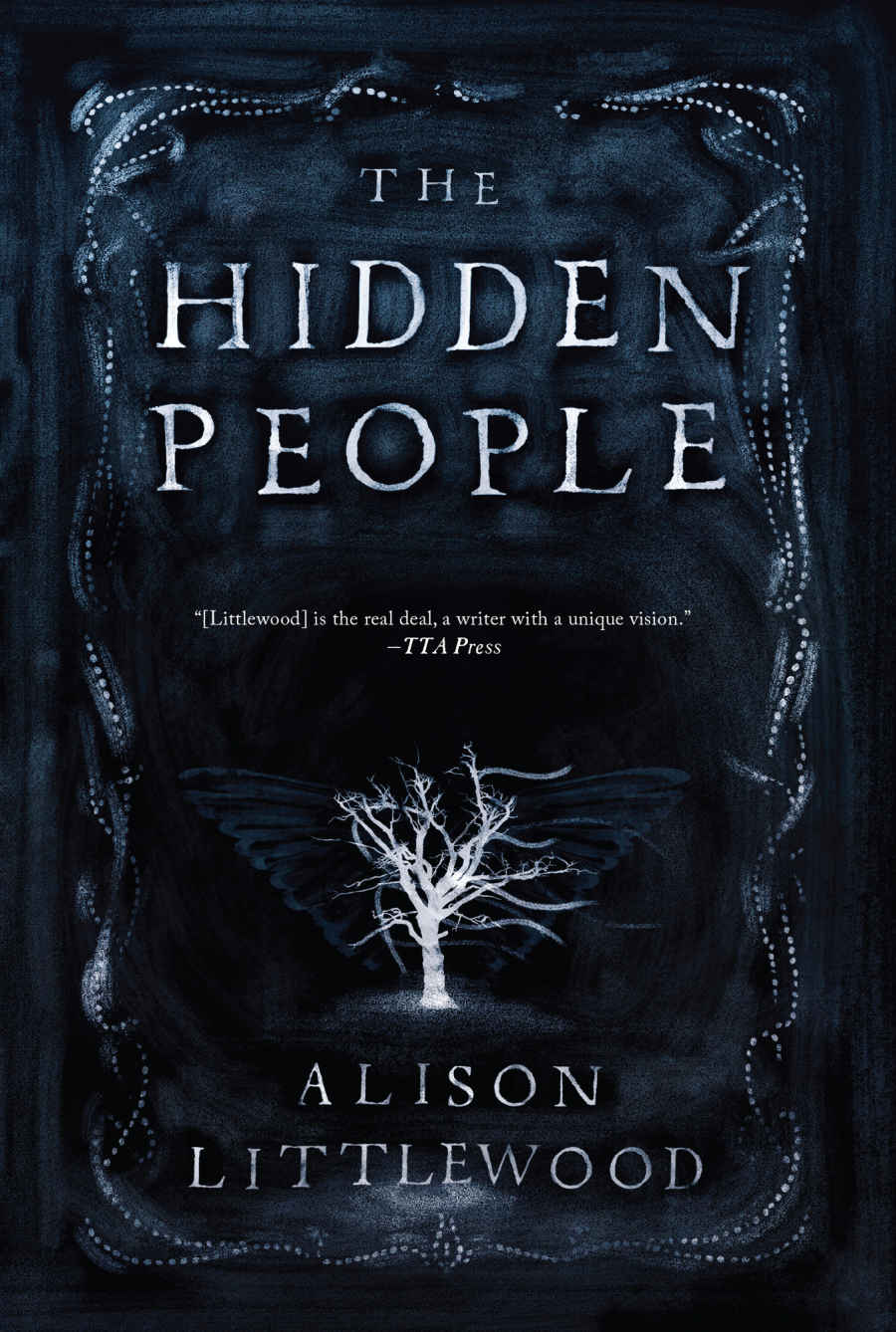
the-hidden-people-alison-littlewood-smallI admit the recent mini-boom in “pioneer fantasy,” which drops readers into a world of dark superstition, has a lot of appeal to me. Much of it is set on the American pioneer, but not exclusively.

The latest entrant is Alison’s Littlewood’s (A Cold Season, The Unquiet House) newest fantasy The Hidden People, which is set in rural Britain in the 1850s, and which Booklist calls “The perfect book to curl up with on a chilly fall day… will make the hairs on the back of your neck stand up.”

In 1851, within the grand glass arches of London’s Crystal Palace, Albie Mirralls meets his cousin Lizzie for the first — and, as it turns out, last — time. His cousin is from a backward rural village, and Albie expects she will be a simple country girl, but instead he is struck by her inner beauty and by her lovely singing voice, which is beautiful beyond all reckoning. When next he hears of her, many years later, it is to hear news of her death at the hands of her husband, the village shoemaker.

Unable to countenance the rumors that surround his younger cousin’s murder–apparently, her husband thought she had been replaced by one of the “fair folk” and so burned her alive — Albie becomes obsessed with bringing his young cousin’s murderer to justice. With his father’s blessing, as well as that of his young wife, Albie heads to the village of Halfoak to investigate his cousin’s murder. When he arrives, he finds a community in the grip of superstition, nearly every member of which believes Lizzie’s husband acted with the best of intentions and in the service of the village.

There, Albie begins to look into Lizzie’s death and to search for her murderous husband, who has disappeared. But in a village where the rationalism and rule of science of the Industrial Revolution seem to have found little purchase, the answers to the question of what happened to Lizzie and why prove elusive. And the more he learns, the less sure he is that there aren’t mysterious powers at work.

The Hidden People was published by Jo Fletcher Books on November 1, 2016. It is 368 pages, priced at $26.99 in hardcover and $12.99 for the digital edition.

The Public Life of Sherlock Holmes: Cool and Lam are Back!!!!

The Public Life of Sherlock Holmes: Cool and Lam are Back!!!!

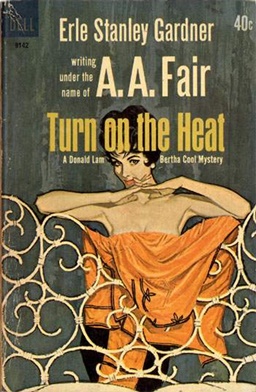
coollam_heatErle Stanley Gardner is best known as the creator of Perry Mason. Mason, of course, was the famous lawyer portrayed almost three hundred times (!!!) by Raymond Burr, spanning three decades of television. But Gardner was a prolific pulpster who wrote far, far more than just Mason stories.

For example, his Ed Jenkins was one of the early hard boiled detectives appearing in Black Mask. And under the name of A.A. Fair, he wrote twenty-nine thoroughly entertaining novels about the mismatched PIs, Bertha Cool and Donald Lam. And that’s who we’re going to talk about today. Make sure you read to the end for some very cool news (No, don’t just jump ahead to there, please!).

Cool and Lam appeared in twenty-nine novels over thirty-one years, with the final tale coming out the same month Gardner passed away.

Bertha Cool, profane, massive, belligerent and bulldog, sat back of her desk, her diamonds flashing in the morning sunlight as she moved her hand over a pile of papers….

Bertha Cool said, “Now, don’t make any mistakes about Donald. He’s a go getter. God knows he hasn’t any brawn, but he has brains. He’s a half-pint runt and a good beating raises hell with him, but he knows his way around.

Donald can find her if anyone can. He isn’t as young as he looks. He got to be a lawyer, and they kicked him out when he showed a client hot to commit a perfectly legal murder. Donald thought he as explaining a technicality in the law, but the Bar Association didn’t like it. They said it as unethical. They also said it wouldn’t work…

‘Donald came to work for me, and the first case he had, damned if he didn’t show ‘em there was a loophole in the murder law through which a man could drive a horse and buggy. Now they’re trying to amend the law. That’s Donald for you!”

Read More Read More

Future Treasures: Nine of Stars by Laura Bickle

Future Treasures: Nine of Stars by Laura Bickle

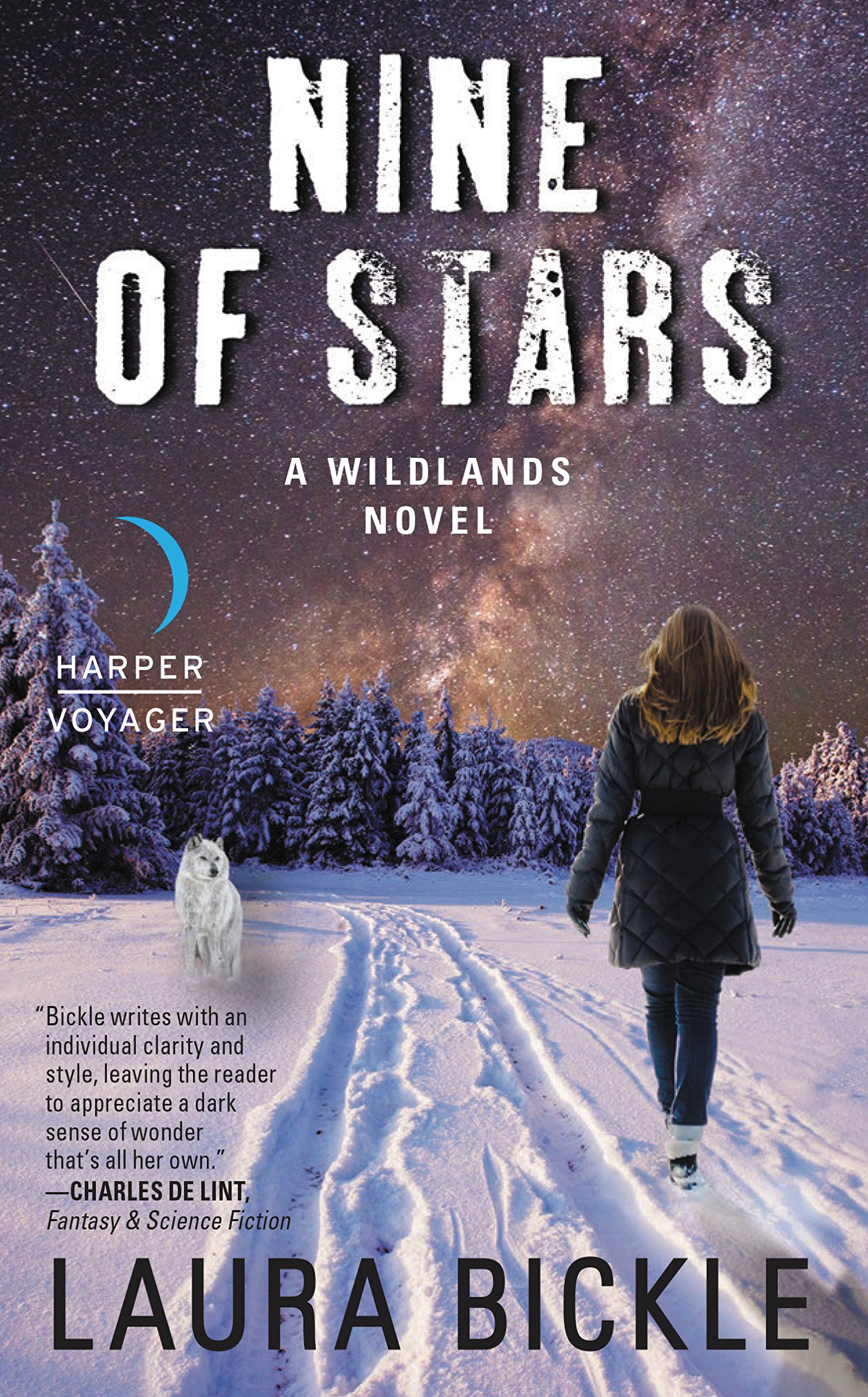
nine-of-stars-laura-bickle-smallLaura Bickle is the author of the Dark Alchemy weird western series (Dark Alchemy, Mercury Retrograde), featuring geologist Petra Dee and her coyote sidekick Sig, which have been described as “Stephen King’s The Gunslinger meets Breaking Bad.”

Nine of Stars is the newest Petra Dee novel, and also the first Wildlands novel, which the publisher describes as “an exciting new series that shows how weird and wonderful the West can truly be.” I don’t see a lot of contemporary Weird Westerns, so consider me intrigued.

Winter has always been a deadly season in Temperance, but this time, there’s more to fear than just the cold…

As the daughter of an alchemist, Petra Dee has faced all manner of occult horrors – especially since her arrival in the small town of Temperance, Wyoming. But she can’t explain the creature now stalking the backcountry of Yellowstone, butchering wolves and leaving only their skins behind in the snow. Rumors surface of the return of Skinflint Jack, a nineteenth-century wraith that kills in fulfillment of an ancient bargain.

The new sheriff in town, Owen Rutherford, isn’t helping matters. He’s a dangerously haunted man on the trail of both an unsolved case and a fresh kill – a bizarre murder leading him right to Petra’s partner Gabriel. And while Gabe once had little to fear from the mortal world, he’s all too human now. This time, when violence hits close to home, there are no magical solutions.

It’s up to Petra and her coyote sidekick Sig to get ahead of both Owen and the unnatural being hunting them all – before the trail turns deathly cold.

Nine of Stars will be published by Harper Voyager on December 27, 2016. It is 384 pages, priced at $7.99 in paperback and $4.99 for the digital version.

See all of our recent coverage of Weird Westerns here.

Announcing the Winners of The Imlen Brat by Sarah Avery

Announcing the Winners of The Imlen Brat by Sarah Avery

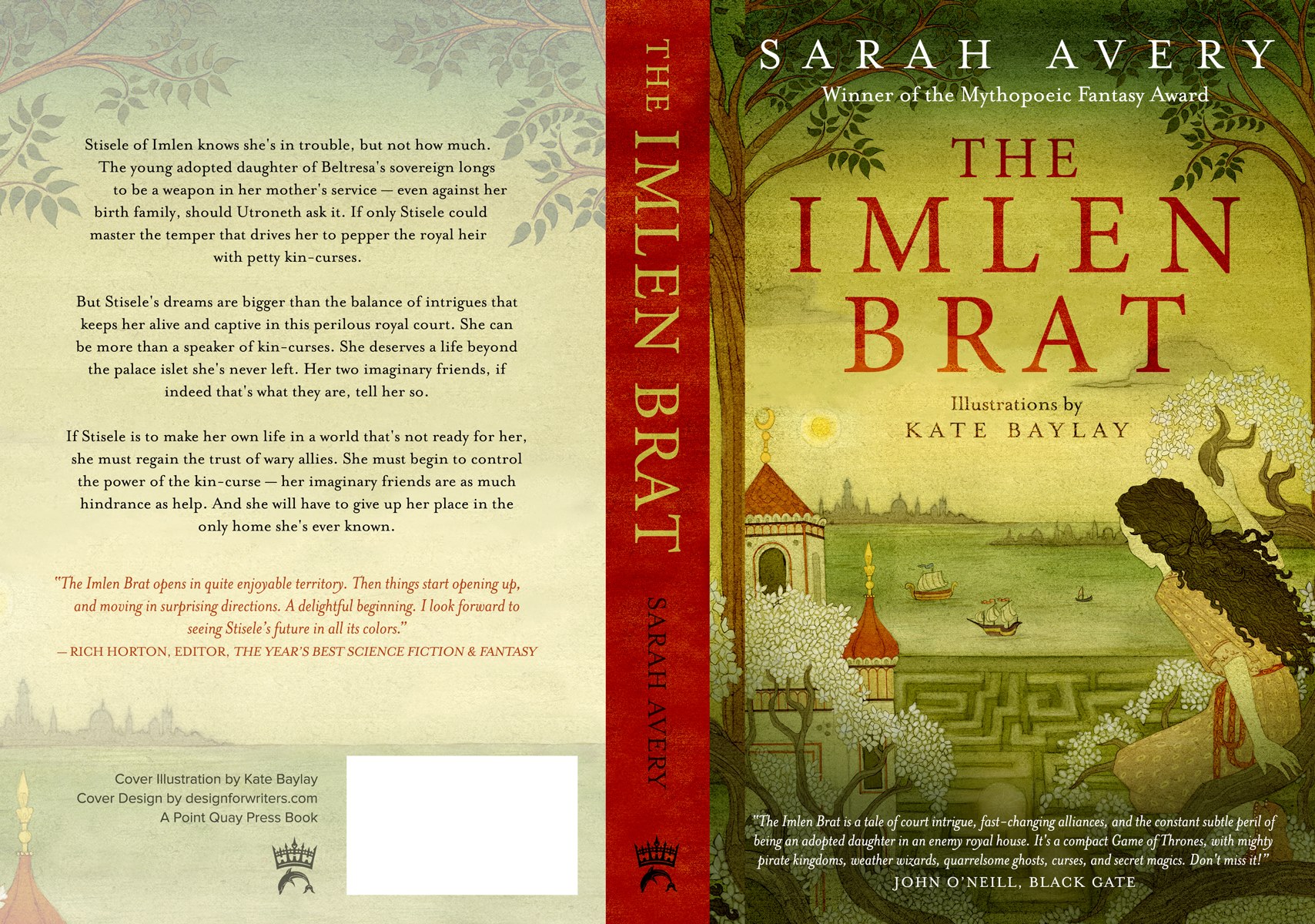
The Imlen Brat-small

Woo hoo! We have winners!

Two weeks ago we invited you to enter a contest to win a copy of Sarah Avery’s brilliant new novella The Imlen Brat, a tale of mighty pirate kingdoms, weather wizards, quarrelsome ghosts, curses, and secret magics. To enter, all you had to do was send us an e-mail with a one-sentence review of your favorite fantasy novella.

We have two copies to give away. Our lucky winners were selected from the pool of eligible entries by the most reliable method known to modern science: D&D dice.

Our first winner is Phil Hansen, who writes about a World Fantasy Award nominee from 1990.

My favorite fantasy novella is Jonathan Carroll’s Black Cocktail, which starts off whimsical and descends into terror — unique and unlike anything else I’ve read.

Black Cocktail was published by Legend/Century and St. Martin’s Press in 1990. The cover is by Dave McKean.

Read More Read More

Dark and Gritty, with Plenty of Mystery and Treachery: Kelly Gay’s Charlie Madigan Novels

Dark and Gritty, with Plenty of Mystery and Treachery: Kelly Gay’s Charlie Madigan Novels

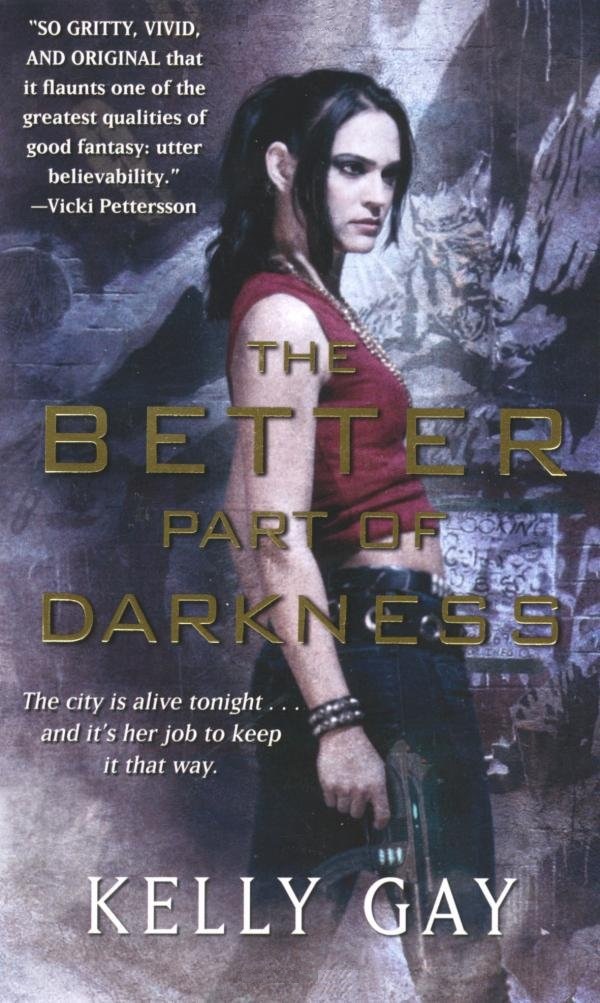
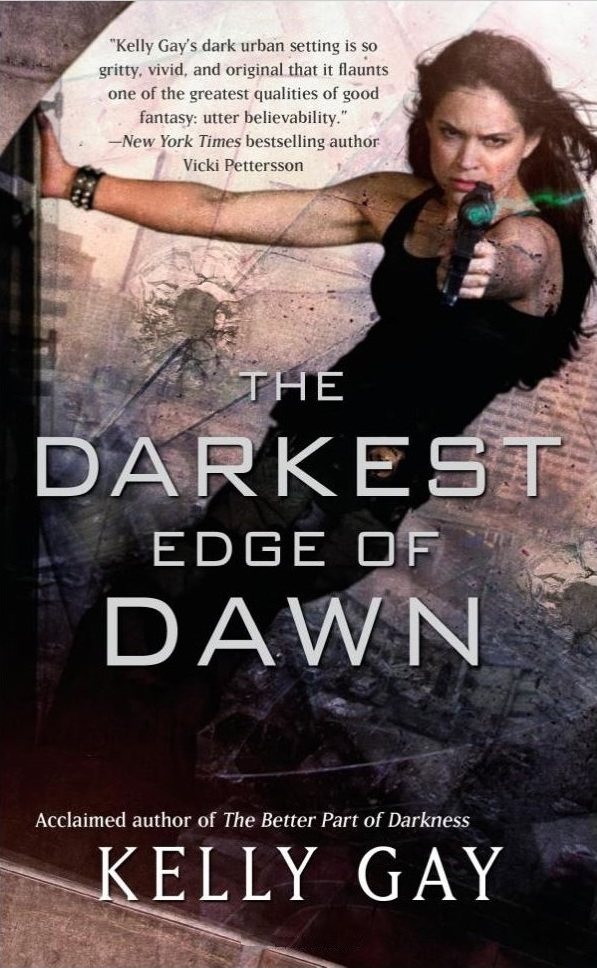
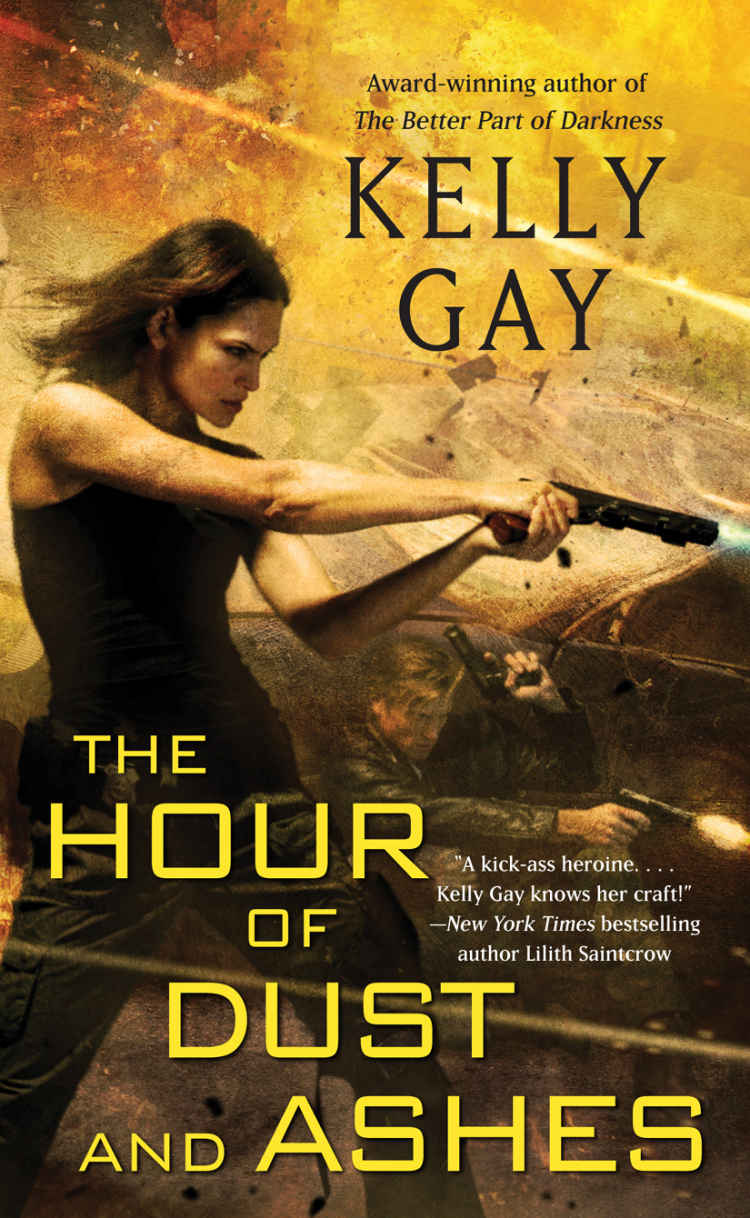
the-better-part-of-darkness-small the-darkest-edge-of-dawn-small the-hour-of-dust-and-ashes-small

I don’t have anything against urban fantasy and paranormal romance… but for a very long time, it seemed like the fantasy shelves of my local bookstore were buried in the stuff. So it was easiest to ignore it all, good and bad, and just come back when the dust had settled.

Well, at long last, it seems like the tide of urban fantasy has receded a bit, which means it may be safe to go back in the waters. I’m interested in cherry-picking the most popular and acclaimed series out there — and also, naturally, the ones with the best covers.

Kelly Gay’s Charlie Madigan series certainly fits all of my criteria. Publishers Weekly called it a “Standout Series,” and Romantic Times called the opening novel, The Darkest Edge of Dawn, “dark and gritty, with plenty of mystery and treachery . . . . An excellent start to an electrifying new series!” The series ran for four volumes between 2009-2012, all published in paperback by Pocket Books.

Read More Read More

New Treasures: The Singing Bones by Shaun Tan

New Treasures: The Singing Bones by Shaun Tan

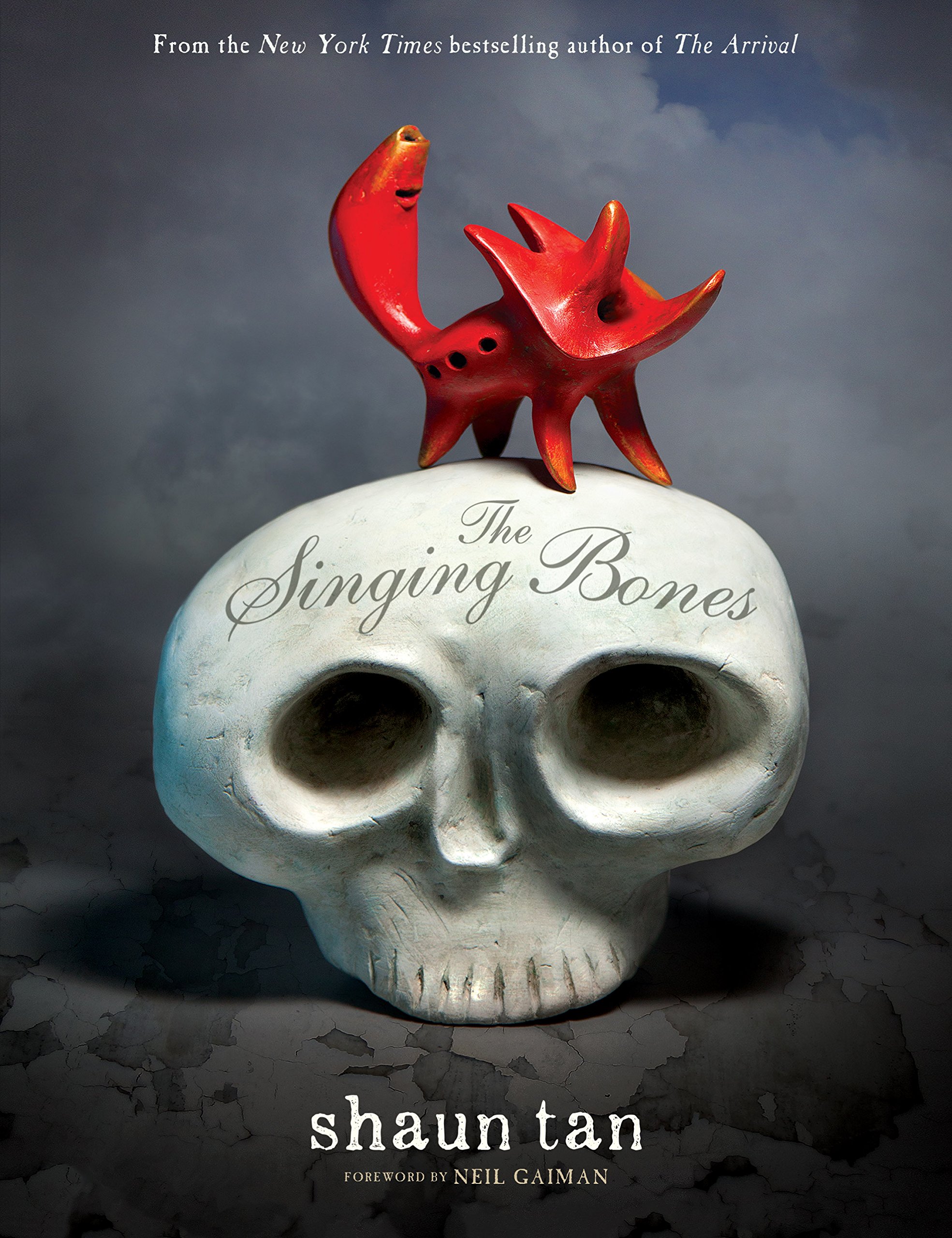
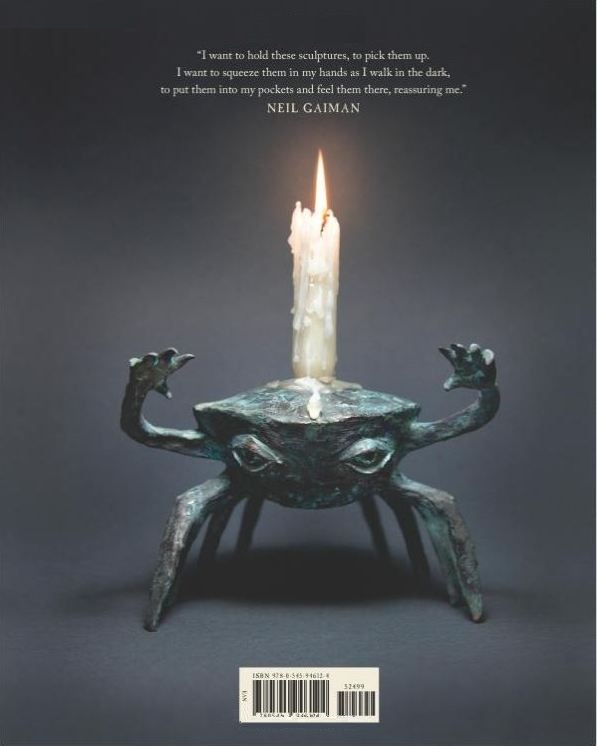
the-singing-bones-small the-singing-bones-back-small

Shaun Tan has won the World Fantasy Award for Best Artist three times, the Hugo Award once, and even an Academy Award, for his 2011 animated film The Lost Thing, based on his picture book of the same name. His other books include The Arrival (2007), Tales From Outer Suburbia (2009), The Red Tree (2010), Eric (2010), and the omnibus collection Lost & Found (2011).

His latest is a little different. It’s a fairy tale collection and virtual art exhibit packaged up in a single book — a 192-page collection of tales inspired by the Brothers Grimm, accompanied by original sculptures by Tan. That’s right — sculptures. Booklist calls it “A stunning, eerie addition to fairy tale and folklore collections,” and they’re not wrong.

There are a few samples floating around on the internet, and I’ve collected some below. Enjoy.

Read More Read More

Shaka When the Walls Fell: The Brunnen-G When They Sang “Yo-Way-Yo”

Shaka When the Walls Fell: The Brunnen-G When They Sang “Yo-Way-Yo”

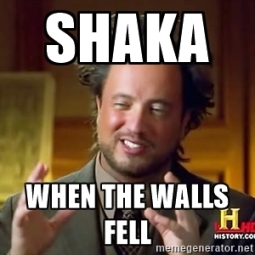
shaka-when-the-walls-fell
One episode in a really big fat franchise, but it’s the one people meme.
ackbar-when-the-shields-fell
There’s something about the way those lines resonate. (click for source)

I’m not a Trekkie so I had to google it. You know? That meme: “Shaka When the Walls Fell.”

Turns out it comes from a really clever Star Trek: The Next Generation episode where the universal translator for once doesn’t work because the aliens talk crap all the time in allusions (link).

So, if you are a Tamarian, you don’t say, “I am feeling depressed because my girlfriend dumped me.” Instead, you say, “Rastar when she wandered alone and rejected.”

Cute idea that makes a good point: Literal — word for word — translations aren’t always very useful. For example, in medieval King Arthur stories you might find people’s kidneys yearning for each other. A better translation might be “heart.”

(It rather breaks down when you imagine the day-to-day. How does one say, “Mummy, can I have a drink of water?” Or, “Please adjust the size by 5mm.” And what did the people of Shaka say when the walls came down? But then, I am not a Trekkie.)

This is just one episode in a really big fat franchise, but it’s the one people make memes of, and I don’t think it’s because of the interesting angle on xeno-linguistics. Nor do I think it’s about the humor. There’s something about the way those lines resonate.

One line from one episode out of nearly 200. It doesn’t describe onscreen drama; it all happened offscreen long ago. Nor does it relate to the serial characters or their culture, the Federation.

So, though it’s a script-writing win, it also arguably points to a series-building fail. The aliens of the week are more resonant than the entire crew and their story.

Now, who remembers Lexx?

Read More Read More

Future Treasures: Last Year by Robert Charles Wilson

Future Treasures: Last Year by Robert Charles Wilson

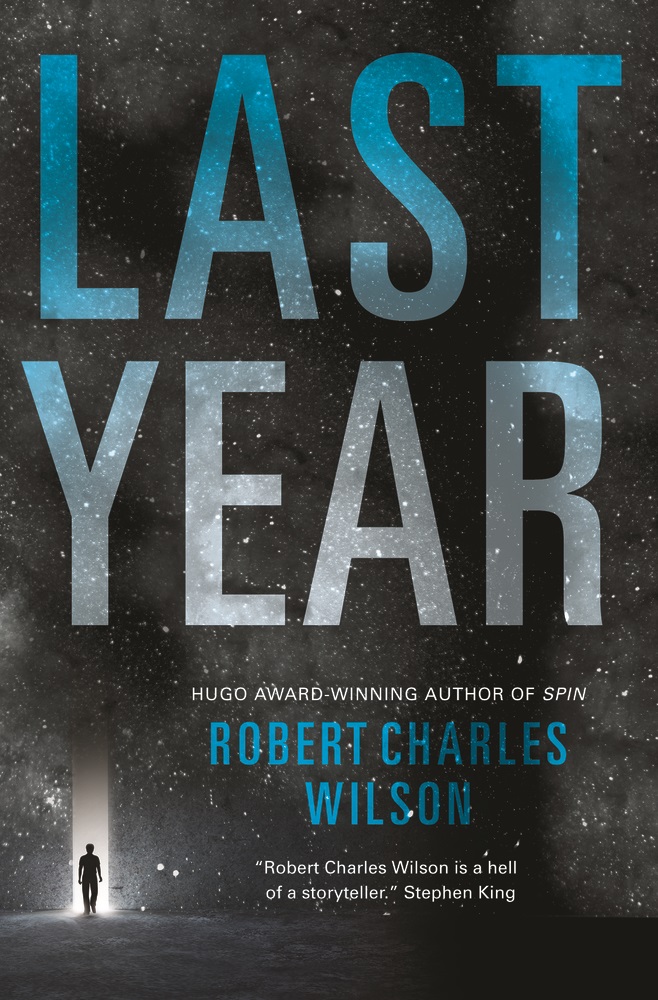
last-year-robert-charles-wilson-smallRobert Charles Wilson won the Hugo Award for Spin; he’s also the recipient of the Philip K. Dick Award, the Aurora Award, and the John W. Campbell Award. His novels Darwinia (1998) and Blind Lake (2003) were also Hugo nominees. His recent novels include The Chronoliths (2001), Julian Comstoc (2009), and Burning Paradise (2013).

His newest, Last Year, is “an alternative history novel, a time travel novel, and a whodunit all in one” (Booklist). It’s available in hardcover from Tor next week.

Two events made September 1st a memorable day for Jesse Cullum. First, he lost a pair of Oakley sunglasses. Second, he saved the life of President Ulysses S. Grant.

In the near future of Robert Charles Wilson’s Last Year, the technology exists to open doorways into the past — but not our past, not exactly. Each “past” is effectively an alternate world, identical to ours but only up to the date on which we access it. And a given “past” can only be reached once. After a passageway is open, it’s the only road to that particular past; once closed, it can’t be reopened.

A passageway has been opened to a version of late 19th-century Ohio. It’s been in operation for most of a decade, but it’s no secret, on either side of time. A small city has grown up around it to entertain visitors from our time, and many locals earn a good living catering to them. But like all such operations, it has a shelf life; as the “natives” become more sophisticated, their version of the “past” grows less attractive as a destination.

Jesse Cullum is a native. And he knows the passageway will be closing soon. He’s fallen in love with a woman from our time, and he means to follow her back — no matter whose secrets he has to expose in order to do it.

Last Year will be published by Tor Books on December 6, 2016. It is 351 pages, priced at $27.99 in hardcover, and $14.99 for the digital version. The cover was designed by Michael Graziolo.