Browsed by
Category: Books

The Barnes & Noble Sci-Fi & Fantasy Blog on the Best Science Fiction & Fantasy of September 2018
The Barnes & Noble Sci-Fi & Fantasy Blog on the Best Science Fiction & Fantasy of September 2018

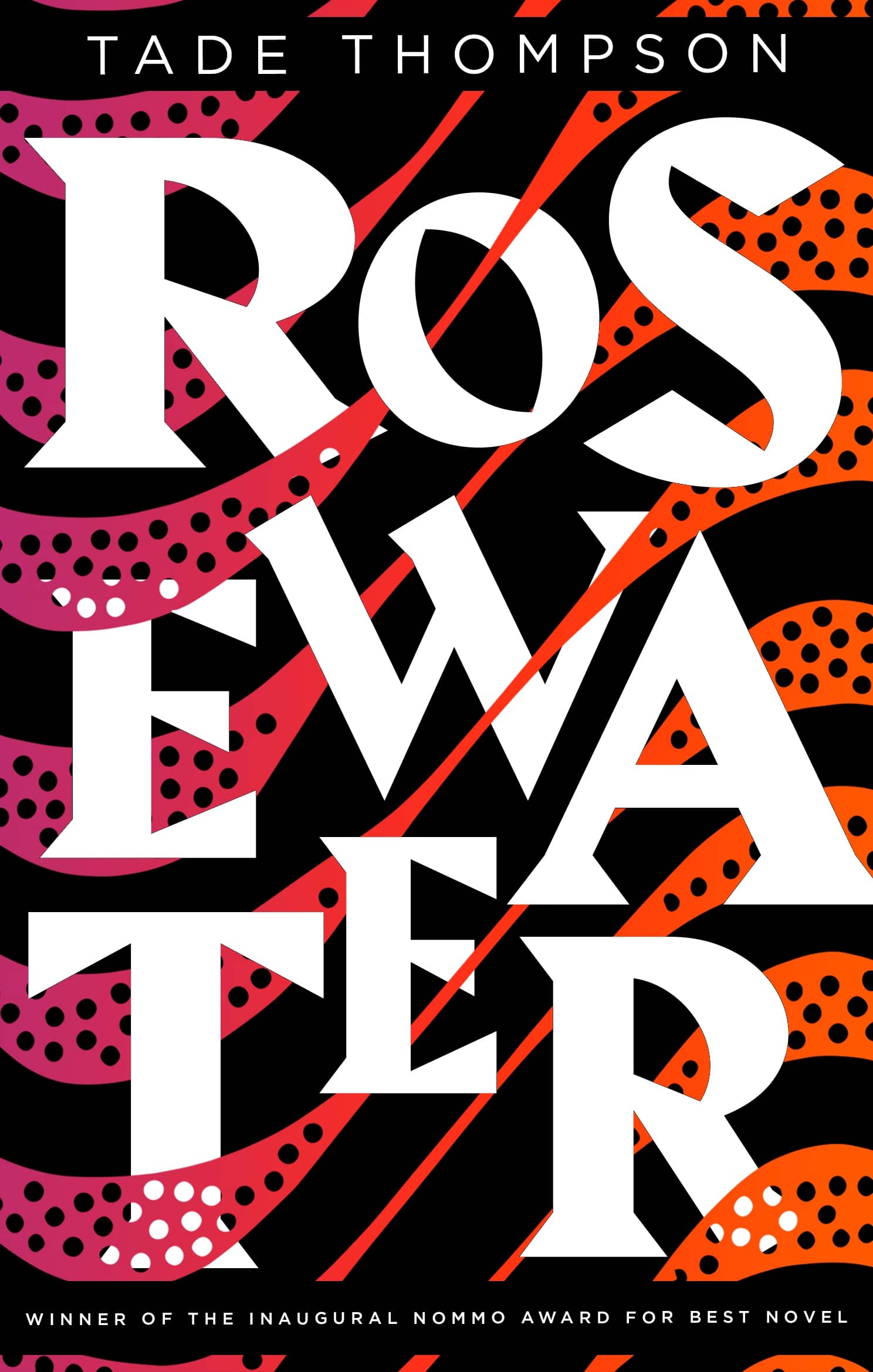
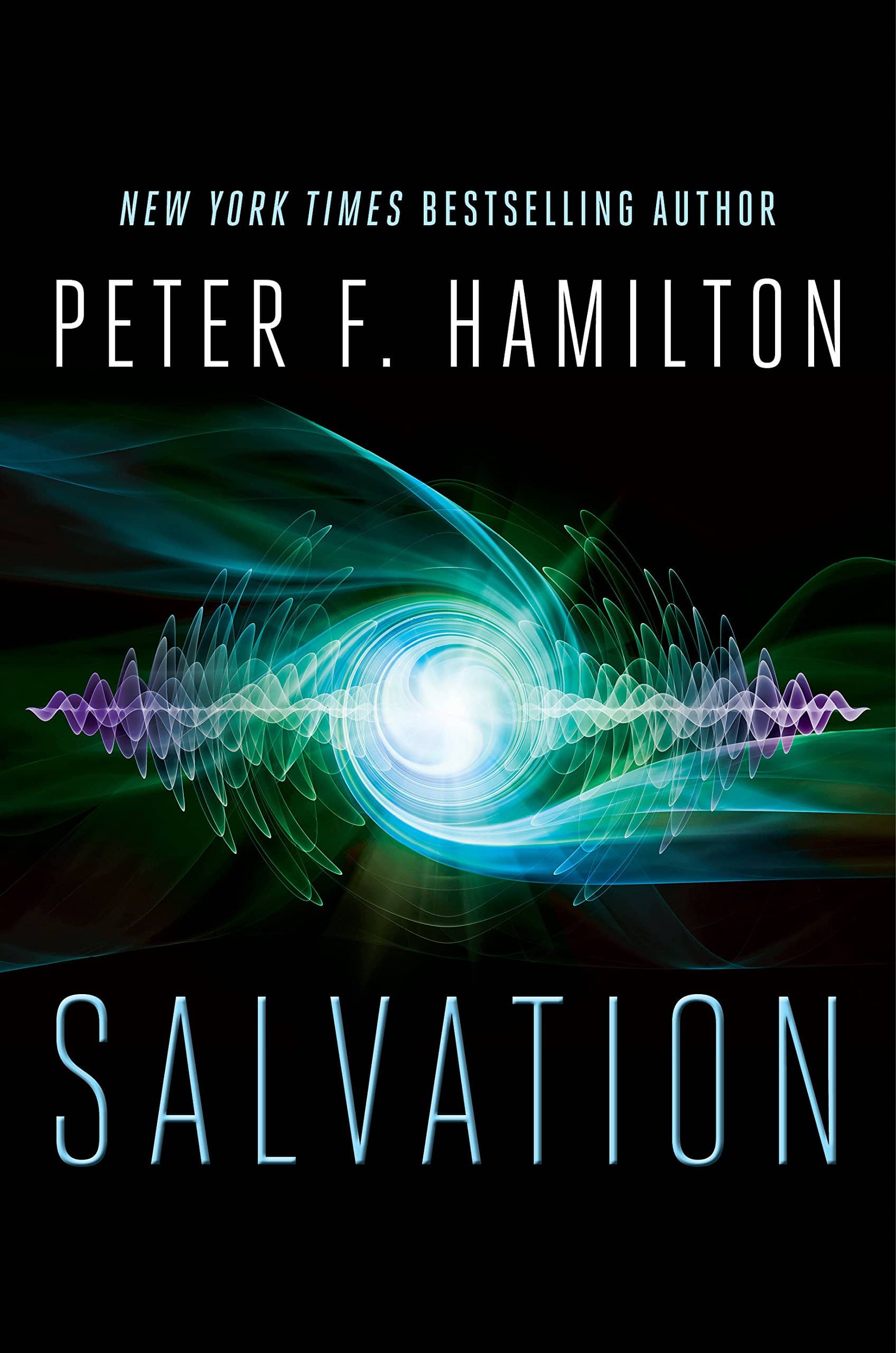
The Hidden Sun by Jaine Fenn-small Rosewater by Tade Thompson-small Salvation by Peter F Hamilton-small

Geez, it’s the last day of the month already. I’m used to failing at my ambitious monthly reading plans, but at least I usually try. This month has been so busy that I haven’t even been able to keep track of all the great books I missed, much less crack any of them open.

September still has a few hours left, and I’m going to use that time to educate myself. And the best resource for that are book blogs like The Verge, Unbound Worlds, Kirkus Reviews, and especially the excellent Barnes & Noble Sci-Fi & Fantasy Blog, which has gradually become my go-to source for the best new releases. This month Jeff Somers does his usual top-notch job, pointing me to 26 tantalizing titles I might have otherwise overlooked. Here’s the best of them.

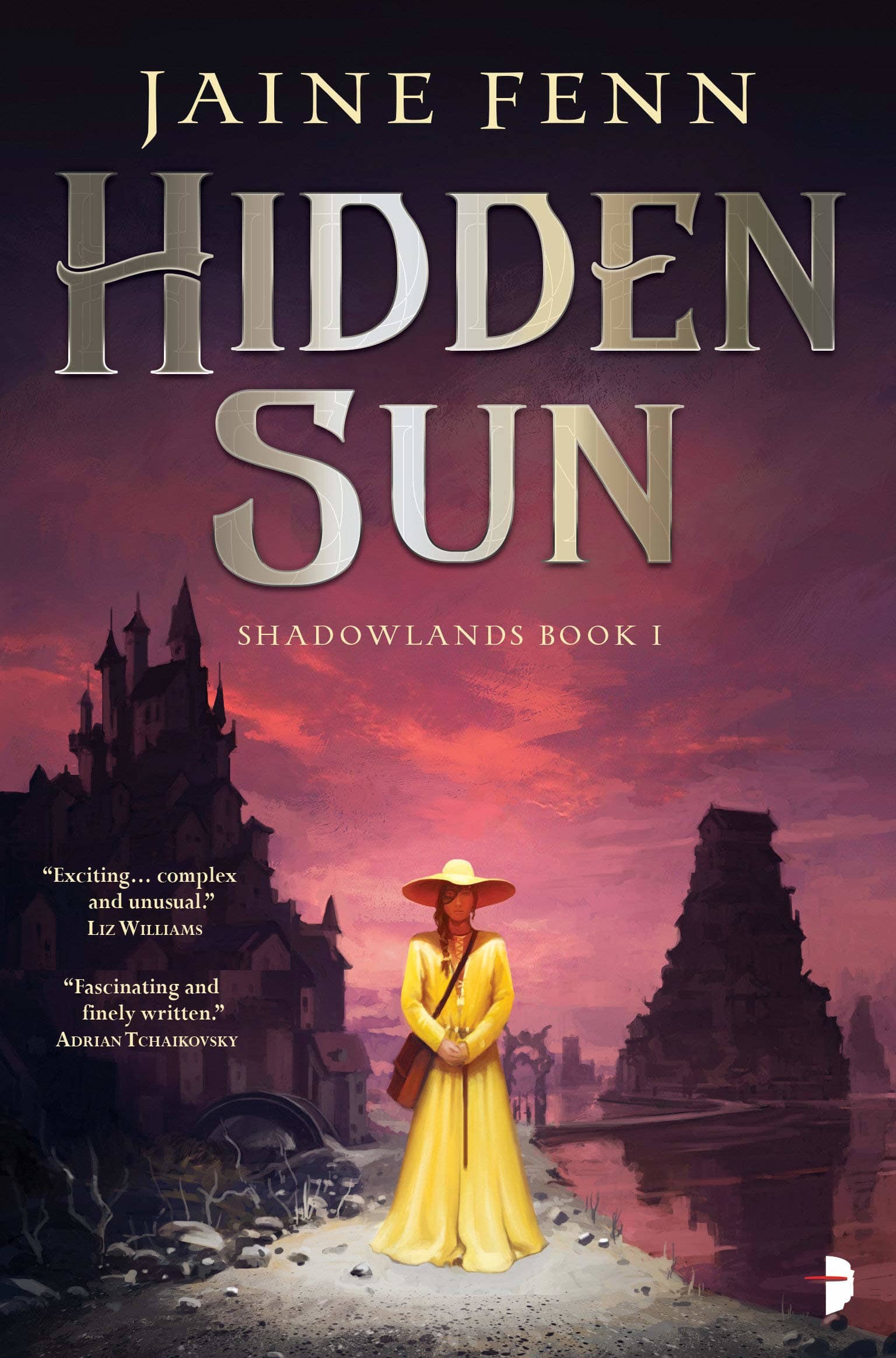
The Hidden Sun by Jaine Fenn (Angry Robot, 448 pages, $12.99 trade paperback/$8.99 digital, September 4)

Fenn is as known for her short fiction as she is for her Hidden Empire novel series — and for her tendency to take stories in unexpected directions, whether on the micro-scale in short stories or the macro-scale of novels. [In] Hidden Sun Fenn kicks off an all new series set in a universe of shadowlands and bright alien skylands. Rhia Harlyn is a well-born woman in the shadowland Shen, struggling against old-fashioned sexism as she pursues scientific knowledge. She gets a tragic opportunity to use his skill for research and discovery after her brother vanishes. She sets off to the skylands to seek the truth behind his disappearance and finds herself caught between a rebel and a cult leader on an alluring, dangerous world.

Jaine Fenn won the British Science Fiction for her short fiction. She’s the author of the 5-volume Hidden Empire series, published in the UK by Gollancz, which does not yet have a US publisher. The Hidden Sun is the first volume of a 2-part series titled Shadowlands; the sequel, Broken Shadow, will be released on April 4. This is her first US release; if it does well, I hope that means we get to see a lot more of her.
Read More Read More

Birthday Reviews: Theodora Goss’s “Singing of Mount Abora”

Birthday Reviews: Theodora Goss’s “Singing of Mount Abora”

Logorrhea
Logorrhea

Theodora Goss was born on September 30, 1968.

Goss has won two Rhysling Awards for Long Poem. The first was in 2004 for “Octavia Is Lost in the Hall of Masks” and the second for “Rose Child” in 2017. She has also twice been nominated for the Nebula Award, the Mythopoeic, the Seiun, and the World Fantasy Award, winning the last once. She has additionally been nominated for the William L. Crawford/IAFA Fantasy Award, the SLF Foundation Award, and the Compton Crook Stephen Tall Memorial Award.

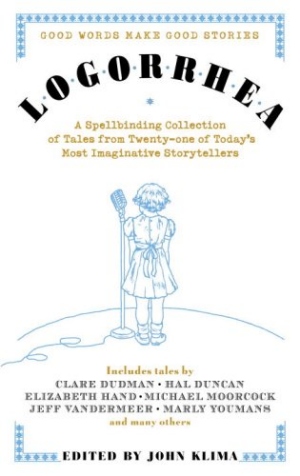
Goss wrote “Singing of Mount Abora” for John Klima’s anthology Logorrhea: Good Words Make Good Stories in 2007. The story was picked up by Rich Horton for Fantasy: The Best of the Year, 2008 Edition and by Jonathan Strahan for The Best Science Fiction and Fantasy of the Year Volume Two. It was late reprinted in Lightspeed by John Joseph Adams in the July 2012 issue. The story won the World Fantasy Award for Best Short Fiction in 2008.

“Singing of Mount Abora” was written for an anthology in which all the stories are inspired by words that were the winning entries in the Scripps National Spelling Bee, so it is appropriate that Goss’s language is a feature in the story, which was based on the word “Dulcimer,” which won the contest for Kim Calvin in 1949. The story is also based on lines from Samuel Taylor Coleridge’s “Kubla Khan,” notably “ A damsel with a dulcimer/In a vision once I saw:/It was an Abyssinian maid/And on her dulcimer she played,/Singing of Mount Abora.”

Goss weaves together two tales set in three different times. The first is the story of Kamora, a woman in ancient China who has fallen in love with the Cloud Dragon, but cannot marry him until she convinces the Empress to let her leave. The second story tells of Sabra, a literature student who is beginning to fall in love with another student, Michael, much to her distant mother’s disdain. Both Kamora and Sabra must overcome obstacles set by the Empress or Sabra’s mother in order to have the chance to be with their loves.

The story of Kamora and the Cloud Dragon reads like a fable. Kamora is in service to the Empress who won’t let her leave until she can find someone who will entertain her as much as Kamora has. Kamora goes on a quest, starting with her uncle, the man who made her dulcimer. Known for his cleverness, he sends her to a distant mountaintop where she can meet the Stone Woman who may be able to help her, for the right price.

Read More Read More

Vintage Treasures: Songs of Stars and Shadows by George R.R. Martin

Vintage Treasures: Songs of Stars and Shadows by George R.R. Martin

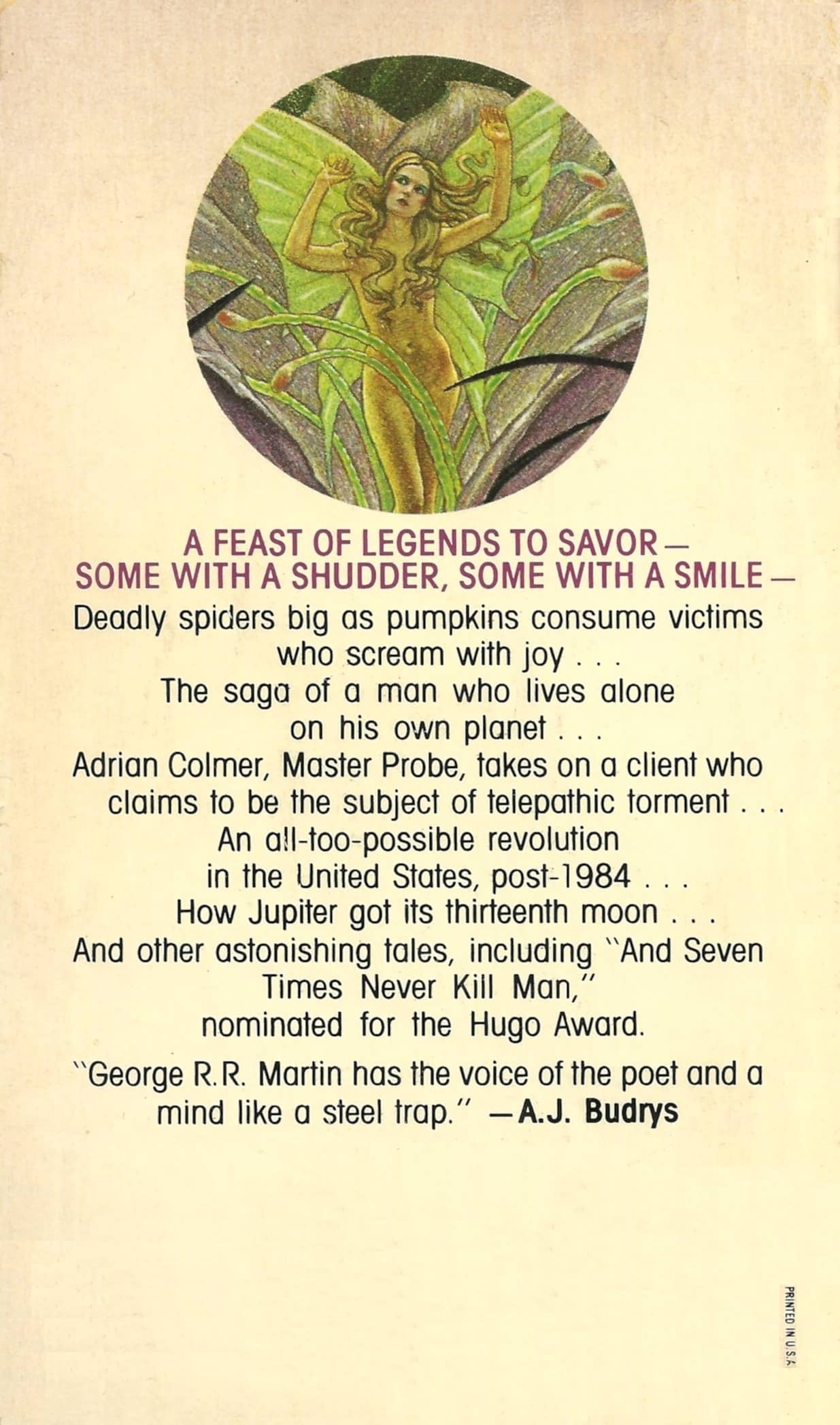
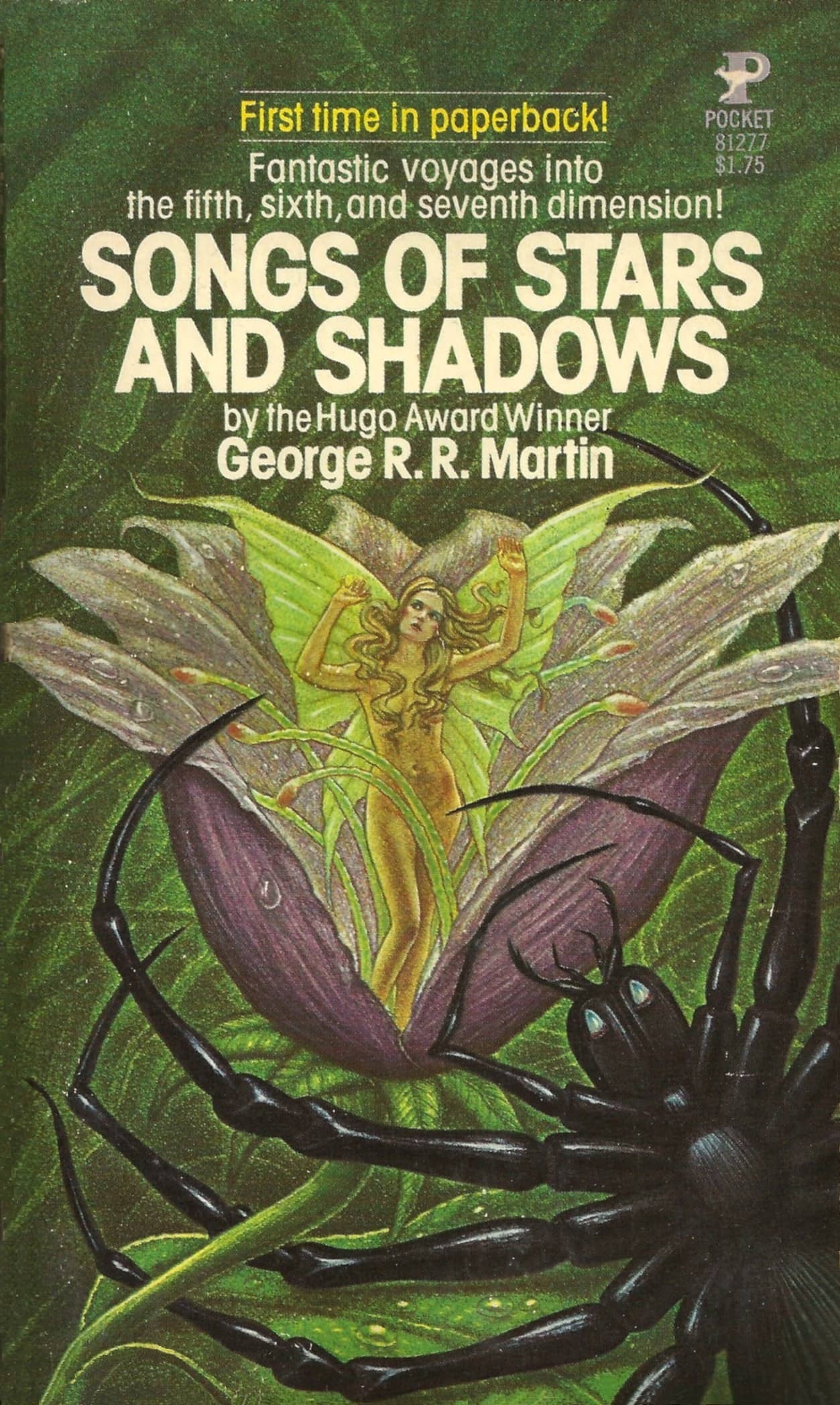
Songs of Stars and Shadows George RR Martin-small Songs of Stars and Shadows George RR Martin-back-small

George R.R. Martin is the most popular fantasy writer in the English language, and indeed one of the most popular fantasy writers of all time. I know a great many aspiring young twenty-something writers who aspire to be him, or at the very least aspire to his career. Most have read his magnum opus, the Game of Thrones novels, but few seem to be aware that not so very long ago GRRM was also a struggling twenty-something writer. If you’re serious about studying his career, the place to start is his early short story collections, which gather the best work of a gifted young writer who even then was obviously destined for great things.

George’s second collection Songs of Stars and Shadows was published in paperback by Pocket Books in 1977. It contains nine tales, including four in his Thousand Worlds milieu, his Hugo-nominated “And Seven Times Never Kill Man,” his space dogfight story “Night of the Vampyres,” and “This Tower of Ashes,” which he calls in his Introduction “in my estimation the best short story I have ever written.”

George’s lengthy intro, in fact, is one of the best things about the book, especially for modern fans. It’s a delightful peek behind the scenes at the life of a young science fiction writer in the early 70s, enduring writing slumps, half-heartedly accepting thick research packets on lasers from new Analog editor Ben Bova, sleeping on the floor at science fiction conventions (with his boots as a pillow), and sneaking into the Playboy Club with Howard Waldrop. Here’s a colorful snippet that talks about how his first collaboration with Waldrop, “Men of Greywater Station,” came to be.

Read More Read More

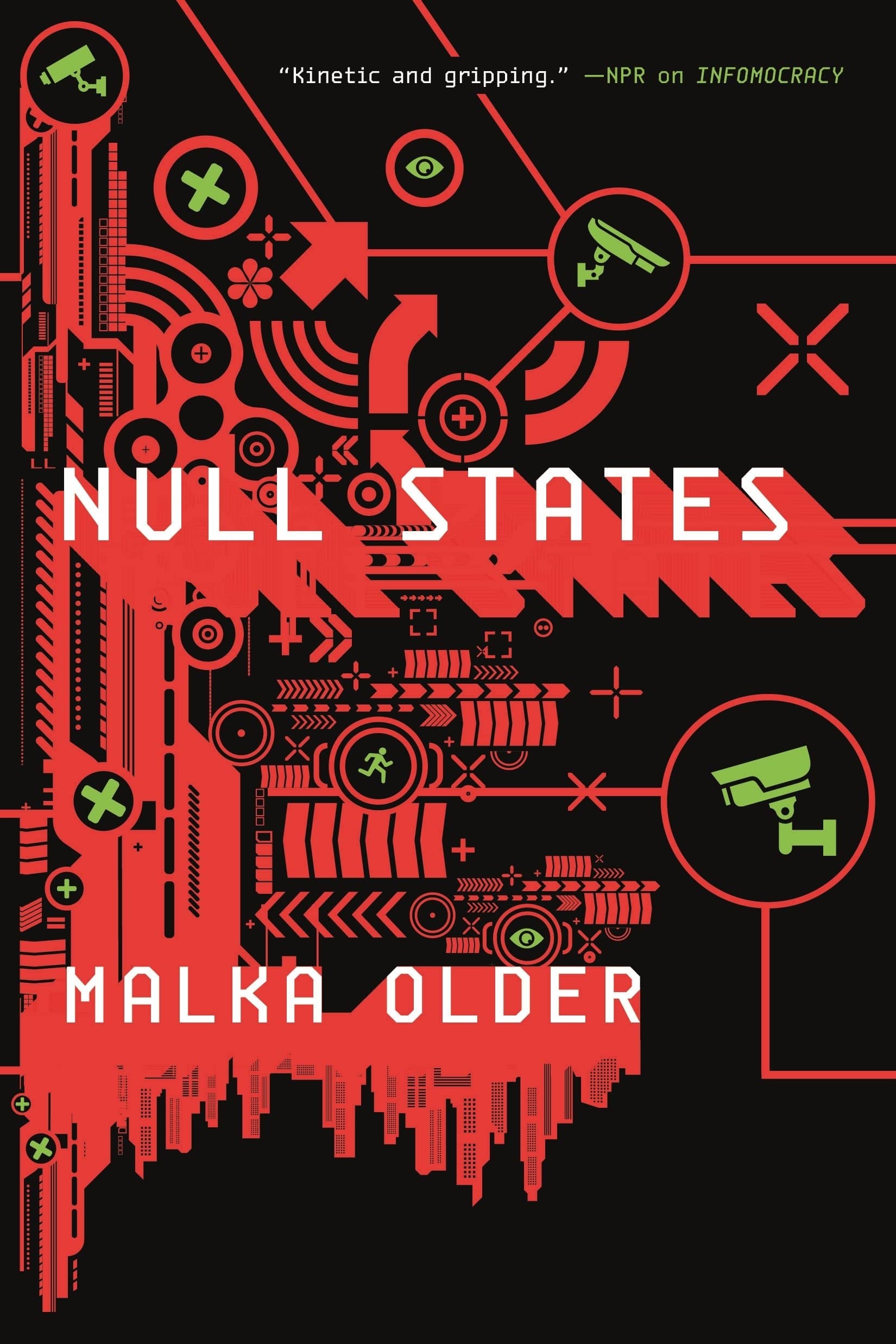
New Treasures: The Centenal Cycle by Malka Older

New Treasures: The Centenal Cycle by Malka Older

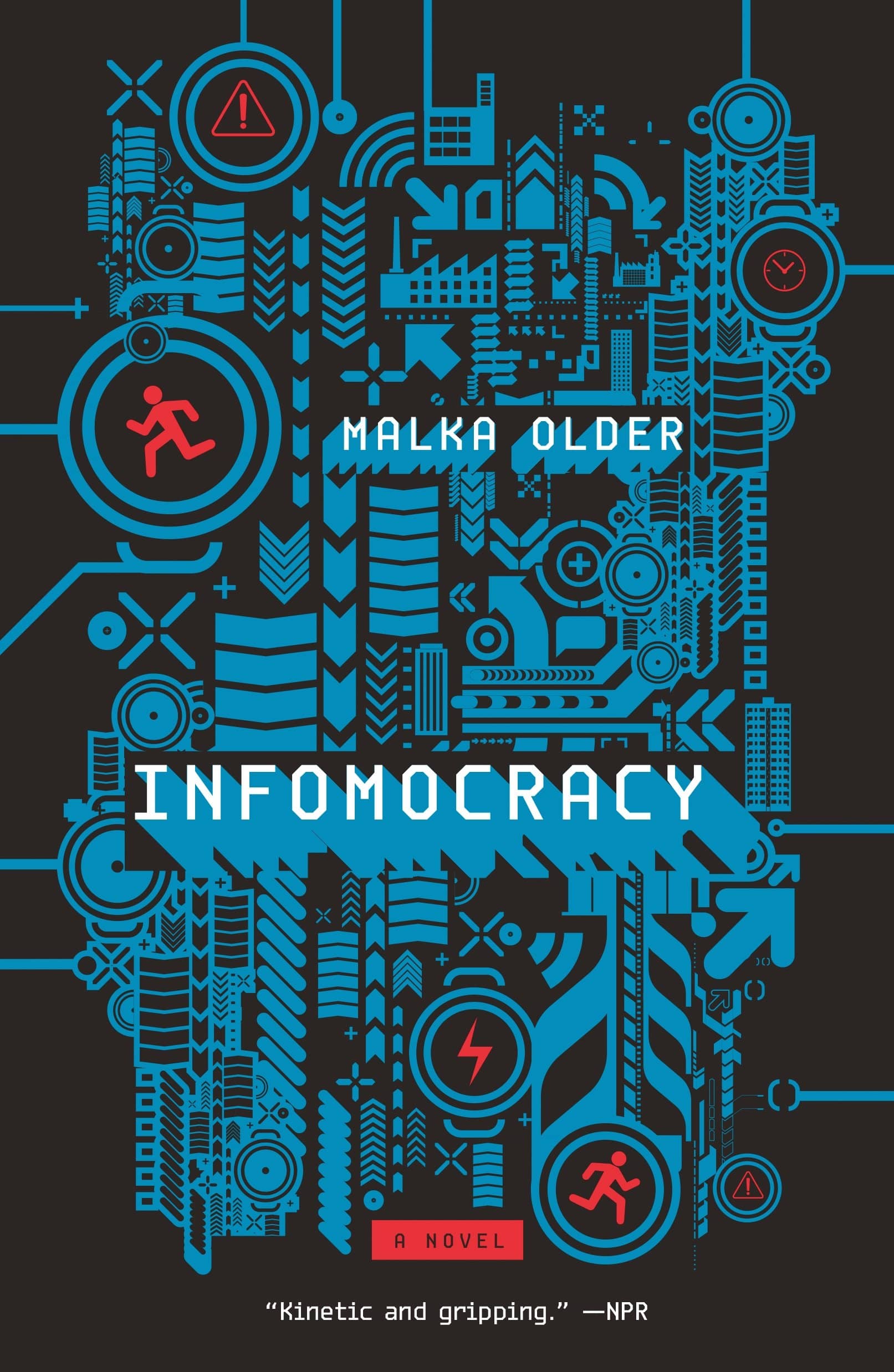
Infomocracy-small Null States-small State Tectonics-small

Every time the final novel in a trilogy is published, we bake a cake in the Black Gate offices. (And yes, we do eat a lot of cake. What’s your point?)

Malka Older’s debut novel Infomocracy made a huge splash in 2016 — The Huffington Post called it “one of the greatest literary debuts in recent history,” and it was named one of the best books of the year by The Washington PostThe VergeFlavorwireKirkus, and Book Riot. The sequel Null States arrived last year, and was not a disappointment. Liz Bourke at Tor.com labeled it “wondrously strange,” and The Chicago Review of Books called it “A riveting science fiction thriller that brings the future of democracy to vivid, divisive life… a hell of a good story.”

The third and final novel in the series, State Tectonics, is one of the most anticipated books of the year, and it finally arrived in hardcover from Tor earlier this month. Here’s the description.

The future of democracy must evolve or die.

The last time Information held an election, a global network outage, two counts of sabotage by major world governments, and a devastating earthquake almost shook micro-democracy apart. Five years later, it’s time to vote again, and the system that has ensured global peace for 25 years is more vulnerable than ever.

Unknown enemies are attacking Information’s network infrastructure. Spies, former superpowers, and revolutionaries sharpen their knives in the shadows. And Information’s best agents question whether the data monopoly they’ve served all their lives is worth saving, or whether it’s time to burn the world down and start anew.

State Tectonics was published by Tor.com Publishing on September 11, 2018. It is 432 pages, priced at $27.99 in hardcover and $14.99 for the digital editions. The cover is by Will Staehle. Read the first five chapters of Infomocracy here, and see our previous coverage here. See all our coverage of the best new SF and fantasy here.

The Princess Bride: What’s Not To Love?

The Princess Bride: What’s Not To Love?

the-princess-brideIt would have been about this time of year, thirty years ago, that we first watched The Princess Bride. Anyone who knows me knows this is one of my favourite movies, it’s in my top 10 list of favourite sword-fighting movies, and it’s one that gets re-watched on a regular basis. However, I confess I was a bit concerned when I was first introduced to it: I found the title worrying. What could this be about? What kind of movie was it? All I could be sure of was it wouldn’t be some romantic nonsense, because of the friend who recommended it.

But that was all I could be sure of. This particular friend’s recommendations were either wildly successful, or horrible misfires – nothing in between. What was this one going to be?

You know the answer to that already.

Read More Read More

Birthday Reviews: Tanya Huff’s “Finding Marcus”

Birthday Reviews: Tanya Huff’s “Finding Marcus”

Sirius
Sirius

Tanya Huff was born on September 26, 1957.

Huff has won the Aurora Award twice. Her first Aurora was in 1988 for her short story “And Who Is Joah?.” She won the second in 2013 for the novel The Silvered. Huff has also been nominated for several Gaylactic Spectrum Awards as well as the William L. Crawford – IAFA Fantasy Award, the Sapphire Award, and the James Tiptree, Jr. Memorial Award.

“Finding Marcus” was written for the anthology Sirius: The Dog Star, edited by Martin H. Greenberg and Alexander Potter in 2004. The story was reprinted in 2007 in Huff’s collection Finding Magic and again in 2013 in the collection He Said, Sidhe Said & Other Tales.

Reuben is a dog in in “Finding Marcus.” As the title implies, he is attempted to find his master, Marcus, from whom he has become separated. Their separation is not a normal one, for several reasons. Marcus had been working on a project to find Gates between dimensions and when he was eventually successful, he brought Reuben with him. Unfortunately,  Marcus learned that the Gates are only one way and they would have to find and pass through several Gates before returning to their own world.

In their passage through the Gates, Reuben managed to acquire the ability to understand human speech, and speak as well, although whether he can speak to Marcus is left ambiguous. The worlds they pass through are a mixture of hi-tech, low-tech, and mid-tech, with our own timeline apparently considered mid-tech. The two became separated when they appeared in a low-tech marketplace and Marcus was accused of being a demon. In trying to escape, Marcus and Reuben learned that in order for a Gate to deposit them in the same location, the two had to be touching, leading to Reuben’s quest.

As Reuben focuses his quest on finding each Gate to take him to the next world and eventually Marcus, which Reuben knows will be the eventual outcome, Huff explores the pitfalls of being a dog alone in the world. The danger posed by people, either well-meaning or not, the hunt for food, the avoidance of traffic, and the seeming ever-presence of cats. Although Reuben is happy to be searching alone, he winds up connecting with a crow, Dark Dawn With Thunder, who can also speak and wants to hear Reuben’s story. Even as Reuben tries to push Dawn away, the crow insists on helping him find the next Gate, offering him advice and warnings from her position in the sky and forging a bond with Reuben that he refuses to acknowledge, just as he refuses to accept Dawn’s pessimistic view of the ultimate success of his quest.

Read More Read More

Future Treasures: The Islevale Series by D. B. Jackson

Future Treasures: The Islevale Series by D. B. Jackson

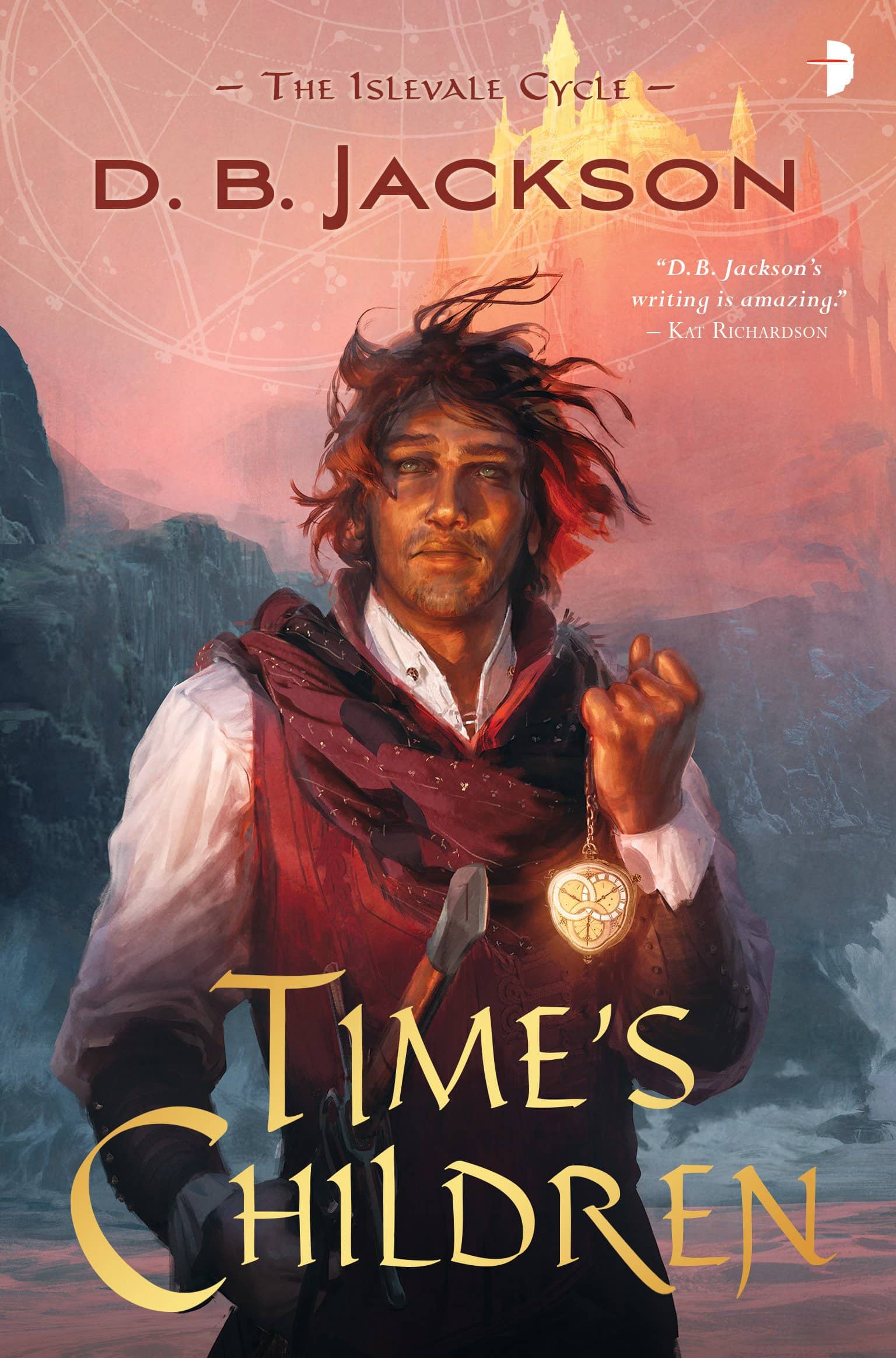
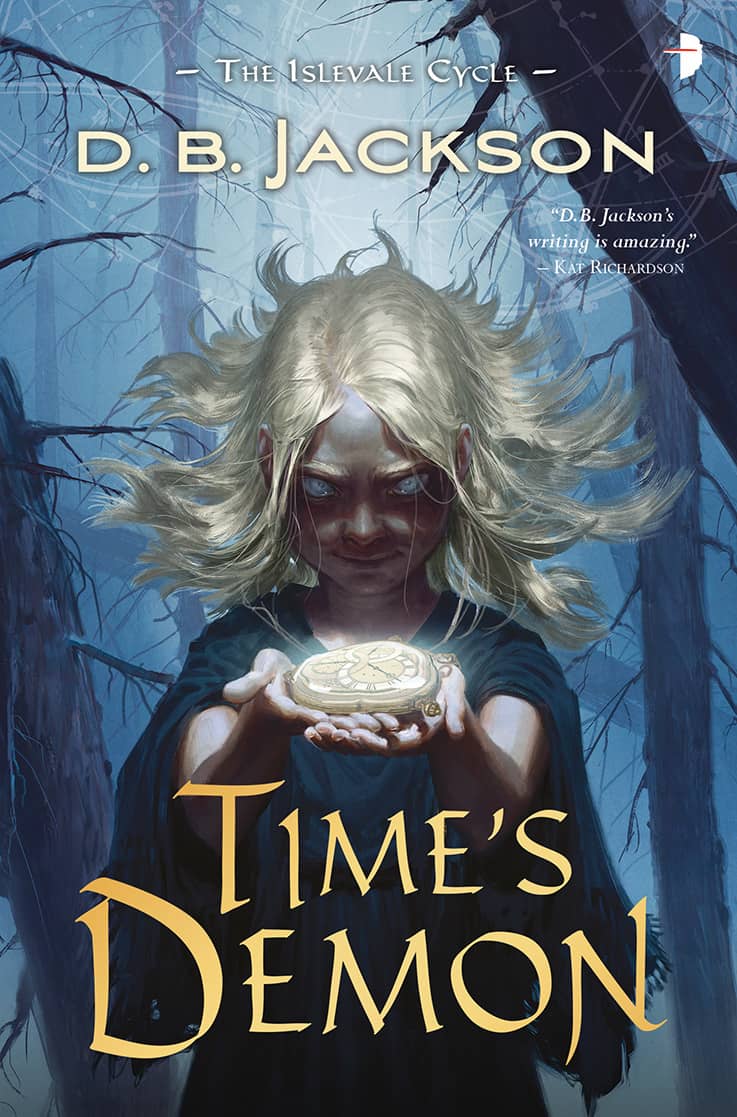
Time's Children DB Jackson-small Time's Demon DB Jackson-small

D. B. Jackson is the author of four novels in the popular Thieftaker Chronicles, a historical urban fantasy set in pre-Revolutionary Boston, which Kirkus Reviews calls “Splendid… with [a] contemporary gumshoe-noir tone… An unusual series of great promise.” Fletcher reviewed D.B.’s collection Tales of the Thieftaker for us, saying:

I enjoyed myself, ripping through the book at a quick pace. Jackson’s prose is clean; he’s a good storyteller. The stories are tense, the mysteries good, the characters well-drawn. His Boston reeks believably of crowded, dirty streets and you can smell the creosote from the wharves… Tales of the Thieftaker is a brisk read with an engaging lead, a colorful supporting cast, and a nicely detailed setting.

‘D.B. Jackson’ also happens to be Black Gate contributor David B. Coe, whose “Night of Two Moons” was the most popular story in Black Gate 4, and whose Books and Craft blog posts here have covered topics as diverse as World Building and Nicola Griffith’s 90s classic Slow River.

David’s latest release is Time’s Children, arriving next week from Angry Robot. It’s the opening novel in the Islevale series, and David tells us “This is my best book to date.” Sequel Time’s Demon is scheduled for May. Here’s what we know so far.

Read More Read More

In the Beginning: The Thief of Forthe and Other Stories by Clifford Ball, edited by D.M. Ritzlin

In the Beginning: The Thief of Forthe and Other Stories by Clifford Ball, edited by D.M. Ritzlin

oie_24424197NL5TMljIt’s been a bit of a shock, even if a somewhat welcome one, to be done with Glen Cook after so many weeks. I’ve been so immersed in the world of the Black Company that it feels a little weird to be moving on. Fortunately, I was able to turn around and pick up the brand new collection containing all of Clifford Ball’s short stories. Who’s Clifford Ball, you ask? Well, let me tell you. Actually, let Dave Ritzlin tell you:

Little is known about Clifford Ball. His brief career as a writer began in 1937. Ball, a devoted reader of Weird Tales since 1925, was deeply upset by the suicide of Robert E. Howard the previous year. Presumably Howard’s death motivated him to pen sword-and-sorcery stories of his own in an attempt to fill the void left by the departed master. “Duar the Accursed” appeared in the May of 1937 issue of Weird Tales, and the influence of Howard was readily apparent.

Ball wrote two more S&S tales, followed by three non-S&S fantasies, and then vanished back into the audience from which he’d arisen. A short bio from Weird Tales stated he worked all sorts of jobs, including ditch digger, factory worker, and barkeep. According to Wikipedia, he might have been born in 1896 and probably died in 1947. And that’s it. That’s all that seems to be known about one of the earliest S&S writers.

All Ball’s S&S tales take place in the same land of ancient kingdoms, beautiful queens, conniving wizards, and demonic powers. The use of the same place names and gods in all three make it seem as if he was beginning to develop a coherent setting, but with so few stories the world doesn’t get the chance to come fully to life. As with Henry Kuttner’s Atlantis setting, Ball’s was headed in the right direction but he didn’t get the chance to achieve it, and it’s a shame. There’s a creative exuberance to these stories that make me wish Ball had carried on.

“Duar the Accursed” features its titular protagonist, and on the surface he’s an easily recognizable Conan clone. What makes him different is his mysterious past — he has no memory before awaking on a battlefield some years ago. Since then he’s taken to a roving life, but one shadowed by dark omens, including a raven that dogged his pirate galley and earthquakes that leveled a kingdom he ruled.

As the story begins he’s been captured by Queen Nione of Ygoth. He has come to her land to steal the fabled Rose of Gaon — “a jewel magnificent in size and beauty” — from the Black Tower. The tower, while housing the gem, also serves as the place of punishment for citizens guilty of crimes too horrendous to allow for a clean death. They are marched in and left to powers unknown for the execution of their sentences. Needless to say, though by unexpected means, Duar manages to escape his imprisonment and makes for the Rose of Gaon, by way of the Queen’s bedchamber.

Read More Read More

Birthday Reviews: Hideyuki Kikuchi’s “Mountain People, Ocean People”

Birthday Reviews: Hideyuki Kikuchi’s “Mountain People, Ocean People”

The Future is Japanese-small The Future is Japanese-back-small

Cover by Yuko Shimizu

Hideyuki Kikuchi was born on September 25, 1949.

Kikuchi published his first novel, Demon City Shinjuku in 1982 and his novel Black Guard was adapted into the film Wicked City in 1987. In addition to writing horror novels, Kikuchi has also published several manga. In addition to the series listed above, he also created Vampire Hunter D.

In 2012 Kikuchi’s short story “Sankaimin” appeared under the title “Mountain People, Ocean People,” in the 2012 anthology The Future is Japanese, edited by Nick Mamatas and Masumi Washington.

Set in the far future, “Mountain People, Ocean People,” as the title suggests, shows a world in which humanity has divided into two groups, one living in the mountains, the other under the sea.  Kikuchi’s main focus is on the mountain dwellers, who have developed the ability to fly, with hunters among them looking out for wind spiders and sky sharks. Among those is third-generation hunter Kanaan who is trying to surpass the reputations of his ancestors, although his father ultimately disappeared under a cloud of suspicion that Kanaan knows is unwarranted.

Read More Read More

Vintage Treasures: 5 Galaxy Short Novels, edited by H.L. Gold

Vintage Treasures: 5 Galaxy Short Novels, edited by H.L. Gold

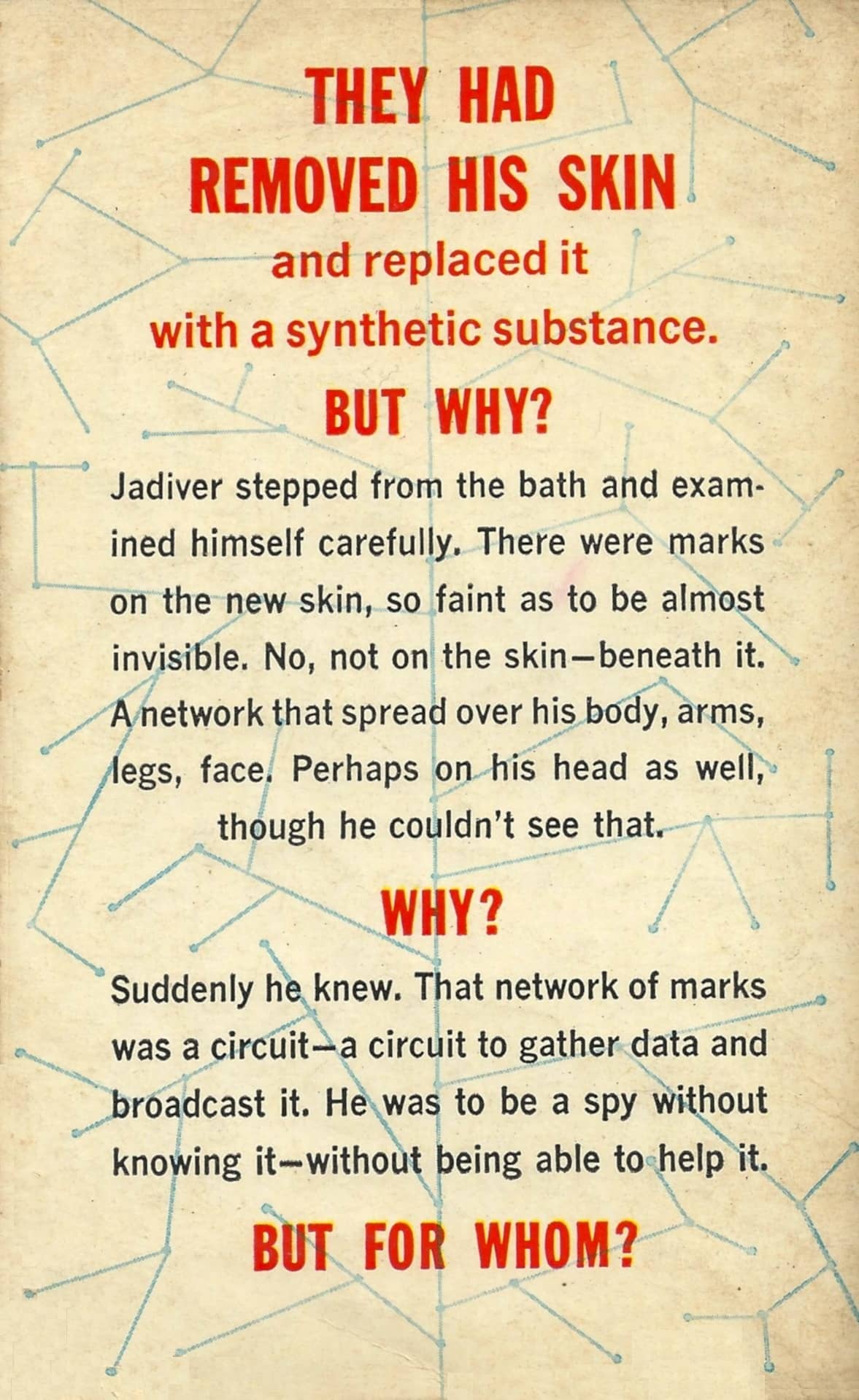
5 Galaxy Short Novels-small 5 Galaxy Short Novels-back-small

Cover by Edward Valigursky

I love novellas. They’re the perfect length for idling away those long fall evenings. I miss them in the online magazines I read today, virtually all of which have a submission cap somewhere around 10,000 words (the exception is Neil Clarke’s Clarkesworld, which recently began accepting stories up to 16,000 words. Way to go, Neil!)

It was Matthew Wuertz’s Saturday review of the April 1954 issue of Galaxy Science Fiction, including Fred Pohl’s classic “The Midas Plague,” that reminded me just how many great novellas appeared in those old print magazines. Matt’s piece made me want to read the story all over again. In fact, it made me wish there was an easy way to sample Galaxy’s  novellas. Galaxy editor H.L. Gold had an appetite for meaty SF epics, and his authors took ready advantage of that market. Gold showcased dozens of top-notch writers at novella length in the early days of the magazine, and it would be great to have easy access to those hard-to-find tales.

Yeah, that was dumb. As I was sorting paperbacks this morning it finally occurred to me that what I was wishing for already existed. Gold produced nearly a dozen mass market anthologies during his eleven years as Galaxy‘s editor, including six volumes of the Galaxy Reader of Science Fiction. He knew what his readers wanted, and he paid special attention to longer fiction, with Galaxy Science Fiction Omnibus (1955), The World That Couldn’t Be and 8 Other Novelets From Galaxy (1959), Bodyguard and Four Other Short Novels from Galaxy (1960), Mind Partner and 8 Other Novelets from Galaxy (1961), and especially 5 Galaxy Short Novels, which appeared in 1958.

5 Galaxy Short Novels reprints stories by Theodore Sturgeon, Damon Knight, James E. Gunn, J. T. McIntosh, and F. L. Wallace. Even today, it makes a great introduction to the magazine.

Read More Read More